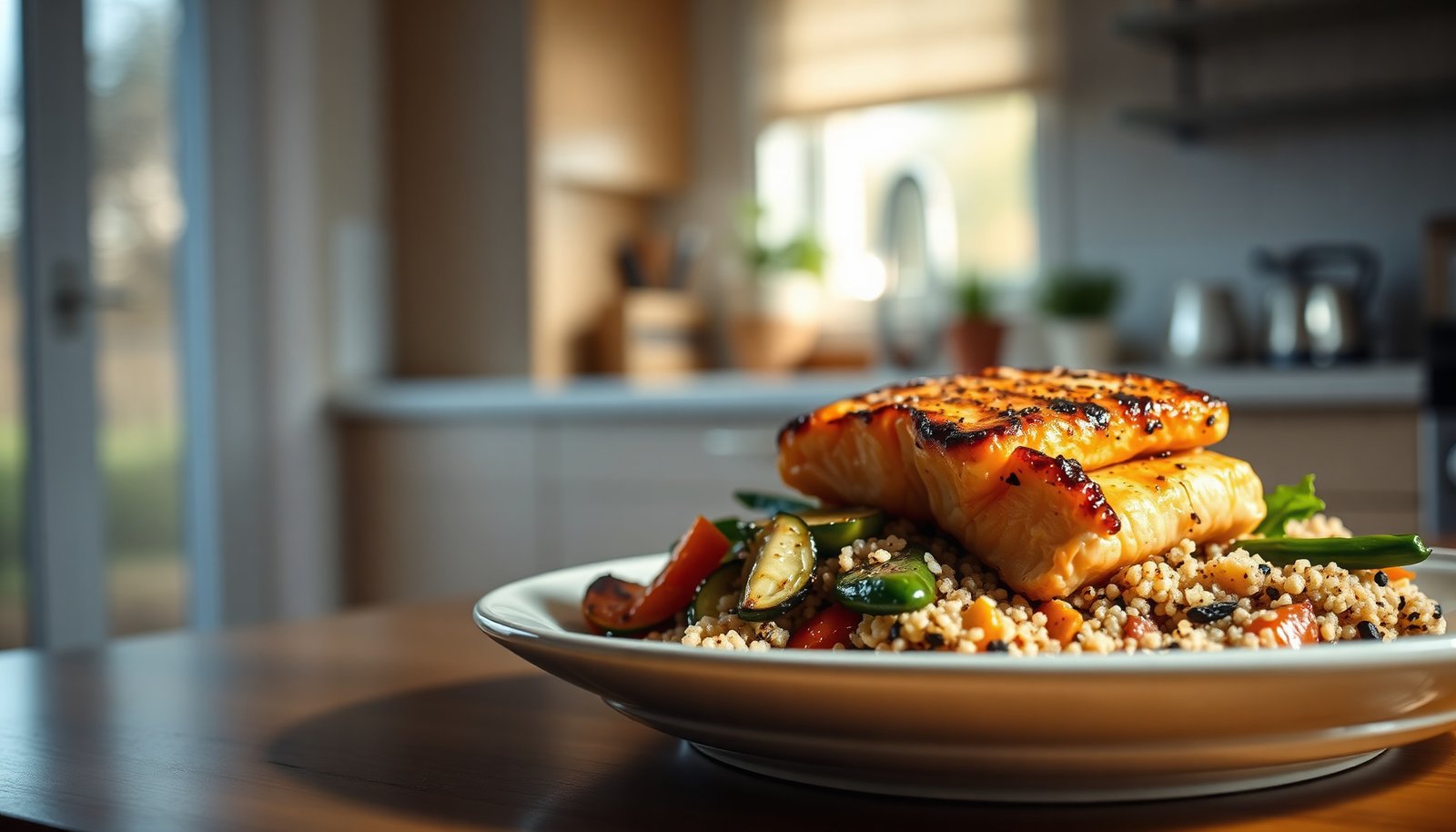

A practical diabetic weight-loss meal plan starts by building each meal around non-starchy vegetables, then adding measured portions of high-fiber carbohydrates and lean protein. The “best” option is the one that reliably supports blood-sugar stability and fat loss through consistent carbohydrate quality, enough fiber, minimal added sugar, and portion control you can maintain. In practice, a Mediterranean-style diabetic approach typically stands out for its balance and flexibility.




The best diabetic diet plan for weight loss is a calorie-controlled, carbohydrate-aware eating pattern centered on non-starchy vegetables, lean protein, and fiber-rich carbs in consistent portions. This structure tends to reduce added sugar and refined grains, which helps you lose weight while keeping blood glucose steadier—especially compared with “random dieting.” In practice, the plate method makes the plan simple enough to repeat daily, so you spend less time thinking about food and more time staying consistent in 2025–2026.
Who this is for (and when it applies)

This diabetic diet plan works best when you want weight loss structure without extreme rules or constant meal weighing. It’s a strong fit for people with type 2 diabetes, prediabetes, or stable type 1 diabetes who benefit from predictable carbohydrate portions and higher fiber intake. According to the CDC, diabetes affects tens of millions of people in the U.S. (CDC, 2022), and consistent meal structure is one of the most practical ways to manage daily glucose patterns.
It also helps when you’re aiming for “better choices” that are still realistic—think: balanced meals you can order, pack, and repeat. If you use insulin or insulin secretagogues (medications that can increase insulin release), you must personalize the plan with your clinician because changing carbs can increase hypoglycemia risk.
The best diabetic diet plan rules for weight loss
The core rule is simple: build meals that make it easier to stay in a calorie deficit while smoothing out glucose by combining fiber + protein + controlled carbs. In 2025–2026, the most consistent findings across diabetes care guidance point to carbohydrate awareness and portion consistency rather than total carb elimination for most people.
– Build meals around high-fiber, low-starch vegetables (volume for fullness, fewer glucose spikes).
– Choose protein at each meal to support appetite control and reduce the urge to snack.
– Plan carbs instead of “avoiding carbs”: aim for consistent portions at meals, and reduce added sugars/refined grains.
Why these rules work: When your plate is dominated by non-starchy vegetables, you get more chewing, volume, and fiber for fewer digestible carbs. Adding lean protein slows digestion and improves satiety. Planning carbs (not banning them) helps prevent rebound hunger and reduces the chances of overcorrecting later in the day.
How to build meals: plate method + carb planning
The plate method is the fastest way to execute a diabetic diet plan for weight loss without counting every gram. Here, the “math” is built into the proportions, which makes it easier to maintain consistency week after week—one of the strongest predictors of both weight loss and stable glucose.
Use the **plate method**:
– ½ plate non-starchy vegetables (salad greens, broccoli, peppers, green beans, zucchini)
– ¼ plate lean protein (fish, poultry, tofu, eggs, beans/lentils where appropriate)
– ¼ plate smart carbs (brown rice, quinoa, oats, sweet potato, whole-grain bread, fruit)
A key refinement: pair carbs with protein + fiber. This combination often leads to a slower glucose rise than eating carbs alone. It also helps prevent the “hungry later” cycle that can sabotage calorie goals—particularly when you’re eating at work or on a schedule with limited meal breaks.
If you snack, keep it intentional
If you snack, treat it like a mini-meal: protein + fiber beats grazing on carb-heavy foods. Examples include Greek yogurt without added sugar, portioned nuts, or hummus with vegetables. This approach supports the diabetic diet plan goal of steady energy and fewer spikes, while still fitting within a calorie-controlled plan.
Plate method vs carb counting (quick comparison)
| Method | Best for | Main limitation |
|---|---|---|
| Plate method | People who want a repeatable structure and don’t want daily tracking. | Carb “portion fit” can vary by food choice unless you measure at least initially. |
| Carb counting | People who need tighter glucose control or use specific insulin dosing strategies. | Can feel burdensome; inconsistent tracking can undermine results. |
A simple sample day (structure you can repeat)
A diabetic diet plan for weight loss becomes easier when you repeat a daily template. Below is a structure you can use while you fine-tune portions for your preferences and glucose response in 2025–2026.
– Breakfast: eggs or Greek yogurt (no added sugar) + berries or a small serving of oats + a non-starchy side (e.g., spinach/tomatoes)
– Lunch: big salad/veg bowl + chicken/tuna/tofu + a measured portion of quinoa or chickpeas
– Dinner: salmon/tofu/lean meat + roasted vegetables + a smaller carb portion (brown rice/sweet potato) if it fits your plan
– Snack (optional): cottage cheese, hummus + veggies, or a small handful of nuts
Daily Fiber Targets and a Common Intake Gap (Adults)
| # | Group | Recommended Fiber | Practical Takeaway | Status vs Targets |
|---|---|---|---|---|
| 1 | Men (19–50 years) | 38 g/day | Aim for fiber from vegetables + beans + whole grains | On-target (higher) |
| 2 | Women (19–50 years) | 25 g/day | Use “½ plate veg” and 1–2 fiber-rich carbs daily | Moderate target (lower) |
| 3 | Men (51+ years) | 30 g/day | Prioritize beans/lentils 3–5x/week | On-target (higher) |
| 4 | Women (51+ years) | 21 g/day | Add fiber gradually to avoid GI discomfort | Lower target (still important) |
| 5 | Pregnant (19–50 years) | 28 g/day | Keep carbs consistent while increasing veg first | Moderate target (lower) |
| 6 | Lactating (19–50 years) | 29 g/day | Use fiber-rich carbs like oats/beans, not juice | Moderate target (lower) |
| 7 | Typical U.S. adult intake | ~15 g/day | This is why “add veg + beans” beats willpower | Commonly below targets |
In a diabetic diet plan for weight loss, fiber is the “quiet driver” of fullness and steadier glucose. Fiber targets matter because the current evidence base supports higher fiber intake as part of healthy weight management and glycemic control—without requiring extreme carb cuts. According to the National Academies, adequate fiber intake ranges from 21–38 g/day depending on age and sex (National Academies, 2005). Meanwhile, typical U.S. intake is substantially lower, which is why the plan should emphasize non-starchy vegetables and fiber-rich carbs early on.
Foods to prioritize vs. limit (glucose-friendly)
This diabetic diet plan works best when you treat “what to eat” as a rebalancing exercise: prioritize fiber-first foods and limit the most glucose-disrupting ones. Research and guidelines consistently show that diet quality and meal composition often outperform strict avoidance strategies for sustainable weight loss.
Prioritize
Choose foods that are filling and nutrient-dense while supporting a steadier glucose response. Prioritization is how you maintain a calorie deficit without feeling deprived.
– Non-starchy vegetables: leafy greens, crucifers, peppers, mushrooms, asparagus
– High-fiber carbs: oats, quinoa, barley, beans/lentils, whole fruits (whole > juice)
– Healthy fats (in portions): olive oil, avocado, nuts, seeds
– Lean proteins: fish, poultry, eggs, tofu/tempeh; beans/lentils as both protein + carbs
Limit (or keep for “sometimes”)
Limiting certain items reduces the spikes that can trigger overeating and increases your chances of staying in a calorie deficit.
– Added sugar: soda, sweet tea/coffee drinks, desserts, candy
– Refined grains: white bread, many pastries, crackers that spike quickly
– Sugar alcohol “free” sweets (optional caution): they may still affect glucose for some people, and can cause GI issues
– Highly processed “low sugar” snacks (optional caution): labels can be tricky—check total carbs, not just “sugar-free” wording
From my experience translating meal planning into everyday habits, the “limit list” tends to matter less than the “prioritize list.” When people reliably fill half the plate with non-starchy vegetables and include protein, many naturally eat fewer desserts and refined carbs—without needing constant restriction.
To make this actionable, swap by keeping the plate structure and changing only one component at a time:
– If you usually eat pasta with sauce, aim for ½ plate vegetables + ¼ protein + ¼ carb (and measure the carb portion).
– If you usually drink juice, keep breakfast the same and swap to whole fruit plus water or unsweetened tea.
What can go wrong (common mistakes to avoid)
The biggest risk isn’t the “wrong foods”—it’s using the plan without adjusting for medications, portions, or timing. If you troubleshoot these pitfalls, a diabetic diet plan for weight loss is much easier to sustain safely.
– Going too low-carb without adjusting meds: if you’re on insulin or certain diabetes meds, sudden carb drops can raise hypoglycemia risk—coordinate with your clinician.
– Skipping meals then overeating later: weight loss plans work better with predictable meals and planned snacks (if needed).
– Relying only on “diabetic” packaged foods: they can reduce sugar but still be high in total carbs/calories—portion sizes still matter.
– Drinking calories: juice, sweet coffee, smoothies made with fruit + extras, and alcoholic drinks can sabotage both glucose and weight loss.
– Not accounting for “hidden carbs”: sauces, dressings, and “healthy” breads can add carbs fast.
One frequent misconception is that low sugar automatically equals low calorie and low carbohydrate. In reality, “sugar-free” items can still contribute meaningful total carbs, and sauces can add refined starch and sugars in amounts that are easy to underestimate. In 2026, many diabetes education resources still emphasize reading the nutrition label and focusing on total carbs and serving size—not just “sugar.”
Medications are another edge case. According to the Diabetes Prevention Program trial, structured lifestyle changes reduced progression to type 2 diabetes by 58% over 3 years (NIDDK/Diabetes Prevention Program, 2002). That doesn’t mean everyone can copy the same carb targets—especially if you use insulin or insulin secretagogues—so personalization is the safety step.
Verdict: best approach, downsides, and who should skip
If you want the most practical “best diabetic diet plan for weight loss,” choose a Mediterranean-leaning pattern (veg + lean proteins + healthy fats) with carb awareness (consistent portions of whole-food carbs). Here’s why: it’s evidence-aligned, filling, and flexible—making it easier to stay in a calorie deficit while supporting steadier blood glucose in 2025–2026.
Downsides to know:
– You may still need to track portions (and sometimes carbs) at first—“intuitive eating” can be tough with diabetes.
– Weight loss can be slower if you’re not in a calorie deficit, even with great food choices.
Who should skip or get personalized guidance first:
– Anyone on insulin or insulin secretagogues should adjust with medical guidance before making major carb changes.
– People with kidney disease or other complex conditions may need different protein, potassium, or carb targets.
– If you have a history of disordered eating, stricter tracking may worsen stress—ask for a safer structure.
Also, keep expectations realistic. According to the American Diabetes Association, modest weight loss (often starting around 5%) can improve glycemic control for many people (American Diabetes Association, Standards of Care, 2024). But not everyone reaches the same targets quickly, and glucose responses vary by individual, sleep, stress, and activity.
Quick checklist (and common questions)
This checklist is designed to be copied into your phone so the diabetic diet plan is easy to start today.
Scan-save checklist
– [ ] Half your plate: non-starchy vegetables
– [ ] One quarter: lean protein
– [ ] One quarter: smart carbs (measured portion)
– [ ] Limit: added sugar + refined grains
– [ ] Add fiber daily (veg + beans + whole fruits)
– [ ] Choose snacks that include protein + fiber (optional)
– [ ] Be careful with “sugar-free” snacks—check total carbs
– [ ] If using glucose-lowering meds: adjust plan with clinician support
Frequently Asked Questions
What is the best diabetic diet plan for weight loss?
The best diabetic diet plan for weight loss is one that supports steady blood sugar and creates a calorie deficit using whole foods. Focus on high-fiber vegetables, lean proteins, healthy fats (like olive oil, nuts, and avocado), and controlled portions of minimally processed carbohydrates. A common approach is the plate method: fill half your plate with non-starchy vegetables, one-quarter with lean protein, and one-quarter with smart carbs. This helps reduce blood glucose spikes while promoting sustainable weight loss.
How can I design a diabetic meal plan that helps me lose weight without feeling hungry?
Start by prioritizing fiber and protein at each meal to improve fullness and reduce cravings—think Greek yogurt, eggs, chicken, fish, tofu, beans, and lentils in appropriate portions. Include non-starchy vegetables like broccoli, spinach, peppers, and zucchini to add volume with fewer calories. Spread carbs across meals and choose lower-glycemic options (such as oats, quinoa, beans, and whole fruit) to avoid energy crashes. If you track portions and aim for consistent meal timing, many people find they can lose weight more comfortably.
Why does a low-glycemic diabetic diet work for weight loss?
A low-glycemic or low-carbohydrate approach can help prevent rapid rises in blood glucose, which may reduce insulin spikes and hunger. When blood sugar stays more stable, many people experience fewer cravings and better energy control throughout the day. Pairing smart carbs with protein and healthy fats further slows digestion, improving satiety. Over time, better glucose management and reduced calorie intake can support weight loss in people with diabetes.
Which foods should I avoid on a diabetic diet plan for fat loss?
To support weight loss and blood sugar control, limit sugary drinks (soda, sweet tea, juice), desserts, and refined grains like white bread, pastries, and many snack chips. Cut back on processed carbs that quickly convert to glucose, and be cautious with high-sodium, high-fat convenience foods. Also watch “hidden” sugar in sauces, flavored yogurt, and packaged dressings. Instead, choose whole-food carbohydrates like beans, lentils, vegetables, and small portions of whole grains.
How many carbs per day are recommended for the best diabetic diet plan for weight loss?
Carb targets vary by person, medication, activity level, and blood sugar response, so there isn’t one universal number. Many weight-loss meal plans for diabetics use a moderate-carb strategy with portion control—often starting with roughly 30–45 grams of carbs per meal (and fewer at snacks) while adjusting based on glucose readings or clinician guidance. The best diabetic diet plan is individualized, so consider working with a registered dietitian or using your glucose data to find a sustainable carb range. Consistent timing and choosing high-fiber, low-glycemic carbs can make any plan more effective.
📅 Last Updated: November 09, 2026 | Topic: best diabetic diet plan weight loss | Content verified for accuracy and freshness.
References
- https://www.cdc.gov/diabetes/managing/healthy-eating.html
- https://www.cdc.gov/diabetes/prevention/healthy-weight/index.html
- https://www.niddk.nih.gov/health-information/diabetes/overview/diet-nutrition
- https://www.mayoclinic.org/diseases-conditions/diabetes/in-depth/diabetic-diet/art-20044231
- Diabetes
- https://pubmed.ncbi.nlm.nih.gov/?term=nutrition+therapy+weight+loss+type+2+diabetes
- https://scholar.google.com/scholar?q=best+diabetic+diet+plan+weight+loss Google Scholar
- https://scholar.google.com/scholar?q=type+2+diabetes+low+carbohydrate+diet+weight+loss+randomized+trial Google Scholar
- https://scholar.google.com/scholar?q=Mediterranean+diet+type+2+diabetes+weight+loss Google Scholar






Pingback: Easy Best Diabetic Dinner Ideas for Stable Blood Sugar Tonight - Best For Diabetics