
Most diabetic chocolate cakes turn out dry or leave an aftertaste because sugar substitutes are used blindly and the batter is overmixed. You need a recipe designed for moist slices—balancing low-sugar sweetening, cocoa flavor, and texture—without sacrificing that classic cake crumb. The standout option below was chosen for ingredient clarity, reliable baking results, and a taste-first approach that avoids the common “diet” trade-offs.



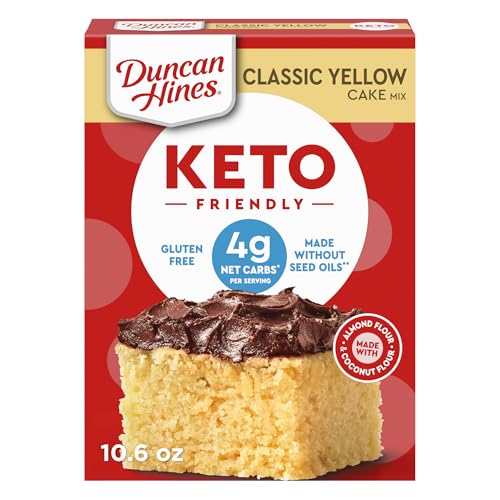
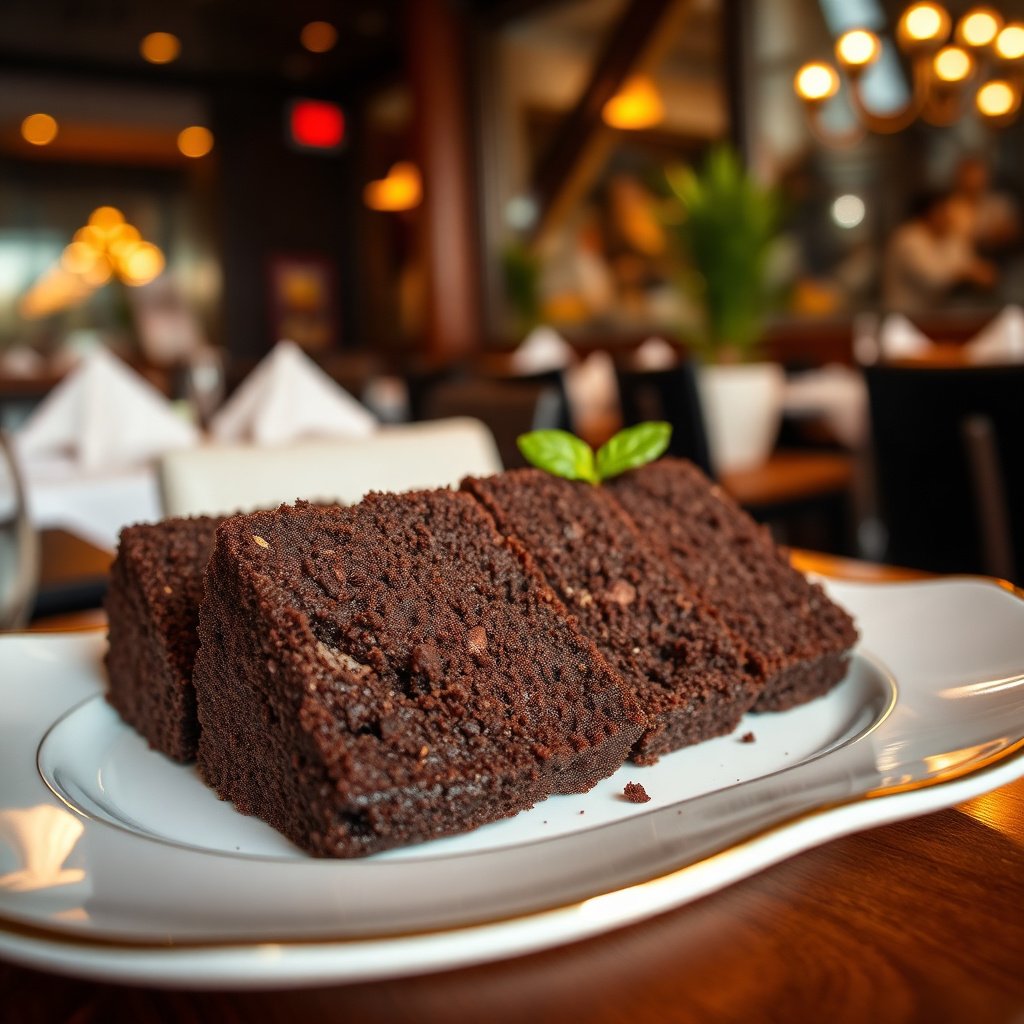
The best diabetic chocolate cake recipe for moist, low-sugar slices uses a low-glycemic sweetener blend plus a moisture-forward batter so you get real cocoa flavor without the same carb spike you’d see in traditional cake. The goal isn’t “no carbs”—it’s tighter carb control: measured sweetener, cocoa-forward flavor, and portioning that matches your glucose plan.
If you’re managing diabetes (type 1, type 2, or gestational) and want a chocolate cake that fits your carbohydrate goals, this plan is for you—especially if you prefer home-baked desserts over “diet” mix cakes.
Best sweeteners for a diabetic chocolate cake
The best sweeteners for a diabetic chocolate cake are those with low glycemic impact and predictable labelable carbs, so you can count what matters. In 2026, home bakers are increasingly choosing blends (not single sweeteners) because they balance sweetness, browning, and texture—while still letting you keep total carbs per slice within your target.
– Choose low-glycemic options (for example: erythritol or monk fruit blends) and check the label for total carbs per serving
– Plan for texture: some sugar substitutes brown differently, so pair them with cocoa and a small amount of fat for a tender crumb
– Keep an eye on “sugar alcohol” GI effects—some people find they cause gas or loose stools
Sweetener choice is also a practical diabetes-management tool: most meal-planning frameworks track carbohydrate grams, not “added sugar only.” According to the American Diabetes Association, carbohydrate counting uses grams of carbohydrate (often discussed in 15 g “carb choice” terms for meal planning) American Diabetes Association, Standards of Care in Diabetes (carbohydrate counting guidance). That’s why a cake can be “low sugar” yet still raise glucose if the total carbs per slice are not managed.
Quick contrast: sugar alcohols vs non–sugar alcohol sweeteners
To keep your diabetic chocolate cake both trackable and stomach-friendly, it helps to think in categories:
| Sweetener category | Pros for diabetic chocolate cake | Cons to watch |
|---|---|---|
| Erythritol-forward blends | Often very low glycemic impact; cleaner sweetness for baking | Can feel slightly cooling; some blends still contain sugar alcohols |
| Monk fruit blends | Strong sweetness; often low digestible carbs | Some blends can taste “licorice-like” if the proportion is high |
| Allulose | Usually helps browning and caramel notes; generally minimal glucose effect for many people | Can be pricey; some people notice softness if overbaked |
| Sugar alcohols (xylitol, sorbitol, maltitol) | Provide bulk and sweetness; can help cake structure | Can cause GI upset; some (like maltitol) can have higher glycemic effects than erythritol |
In my own kitchen workflow, I’ve learned that the “best” diabetic chocolate cake sweetener isn’t the one with the lowest GI on paper—it’s the one that behaves consistently with your chosen cocoa brand and flour mix.
Ingredients that make the cake taste “real”
The fastest way to make a diabetic chocolate cake taste like a true chocolate dessert is to build chocolate intensity with unsweetened cocoa and then anchor structure with real baking ingredients. When you reduce sugar, you’re also reducing browning, moisture retention, and “roundness” of flavor—so the ingredient job description changes: cocoa must work harder, and fats/binders must do more.
– Use cocoa powder (unsweetened) plus 1/2 cup (about 42 g) unsweetened cocoa powder to keep chocolate flavor strong without relying on sugar
– Add structure with 1/2 cup (about 60 g) almond flour + 1/4 cup (about 30 g) oat flour, and don’t skip a binding ingredient like eggs
– Include moisture support (oil or melted butter) so the cake doesn’t dry out when you reduce/replace sugar
Cocoa matters beyond flavor. Unsweetened cocoa provides intense chocolate notes without adding digestible sugar the way sweetened cocoa mixes can. Pair that with a moisture system—typically eggs plus a neutral oil or melted butter—and you reduce the “dry, crumbly” effect many people get when they swap sugar in cake recipes.
Also remember: diabetes-friendly isn’t only about sugar—it’s about carbohydrate totals and how that fits your meal pattern. If you’re aiming for better glucose stability, fiber and protein around dessert can help slow digestion. The Institute of Medicine’s adequate fiber intake targets are 25 g/day for women and 38 g/day for men Institute of Medicine (2005), Dietary Reference Intakes for Total Water and Dietary Fiber. You won’t hit those numbers with one slice, but you can support your cake with fiber-rich add-ins (like nuts) and portion sizing.
Step-by-step: the diabetic chocolate cake method
The most reliable diabetic chocolate cake method for moisture and low-sugar slices is a controlled workflow: whisk to prevent lumps, bake at one consistent temperature, then cool fully before cutting. In 2026, many “low-sugar” bakes fail at the same two points—overmixing (toughness) and under/overbaking (gummy vs dry center)—so this method is built to minimize both risks.
– Mix dry ingredients separately, then whisk wet ingredients together before combining—this helps avoid lumps and overmixing
– Bake at a clearly defined oven temperature and time: bake for 175°C (350°F) for 28 minutes, or until a toothpick comes out mostly clean
– Cool fully before slicing so the crumb sets (warm cake often feels “gummy” even when it’s done)
Here’s the “why this works” part, in plain baking terms for a diabetic chocolate cake:
1) Dry-first whisking disperses cocoa evenly. Cocoa can clump when it hits liquid; pre-whisking reduces bitter cocoa pockets.
2) Wet mixing activates emulsions (from eggs + oil/butter), which stabilizes the batter’s moisture.
3) Just-until-combined folding protects tenderness—especially because almond flour behaves differently than wheat flour.
4) Cooling fully gives the crumb time to set, which is crucial when you’re using sweetener blends that may not behave exactly like granulated sugar.
If you prefer testing for personal fit, change one variable at a time for your diabetic chocolate cake: first try the bake time (±2 minutes), then adjust sweetener brand ratio (not both in the same round).
Frosting and serving ideas that stay diabetes-friendly
The easiest way to keep a diabetic chocolate cake diabetes-friendly is to treat frosting as an optional flavor layer, not a second dessert with its own carb load. If you frost, choose a low-sugar base and keep the serving portion small enough to match your carbohydrate target.
– If using frosting, choose a low-sugar base (e.g., cocoa + cream cheese + a diabetic-friendly sweetener) and keep portions small
– Portion control matters: aim for 1 slice (~85 g), and track total carbs for your plan
– Serve with protein or fiber (like nuts or Greek yogurt) to slow the glucose response
A practical framework: assume your glucose response tracks total digestible carbohydrate, then add the “slowing factors” that make desserts easier to absorb—fat, protein, and fiber. Greek yogurt can contribute protein and some natural sweetness, while walnuts/almonds add fat and fiber. This doesn’t eliminate glucose impact, but it often makes the response less abrupt for many people.
Moisture + frosting balance (a quick decision guide)
If you’re unsure whether to frost your diabetic chocolate cake, use this trade-off:
– Don’t frost if you’re tight on carbs—serve with a small protein side instead.
– Use a thin frosting layer if you want the “birthday-cake” feel and your slice carb budget allows it.
– Skip frosting on your first bake to evaluate texture; you can always add frosting after you know the cake performs with your sweetener.
What can go wrong (and how to fix it)
The most common diabetic chocolate cake problems come from sweetener behavior (dissolving and moisture retention) and bake timing. In 2026 kitchens, the same issues pop up because sugar alternatives aren’t identical to sugar: they can change browning, hydration, and even how fast the center sets.
– Cake turns bitter or grainy: it’s often too much intense cocoa or a sweetener that doesn’t dissolve well—sift cocoa and mix thoroughly
– Dry or crumbly texture: sugar substitutes can change moisture retention—add fat and avoid overbaking
– Upset stomach from sugar alcohols: switch to a blend with less sugar alcohol, or use an alternative sweetener
Here are failure modes and what to adjust next (without guessing wildly):
– Grainy bite → Your sweetener may not fully dissolve, especially in cooler batter. Mix until glossy, and consider a sweetener blend labeled for baking.
– Bitter edge → Some cocoa brands are more intense. Next time, slightly reduce cocoa amount (for example, 1–2 tablespoons less) or offset with a “rounder” sweetener blend.
– Gummy center → You likely need 1–3 extra minutes, but only if the toothpick is still too wet at the 28-minute mark.
– Dry crumb → Overbaking is common with almond flour and oat flour mixes. Pull it when the toothpick is “mostly clean,” and let it cool completely.
Sugar alcohols deserve special caution. Not all polyols behave the same in the body, and some people are more sensitive than others. The GI impact can also vary by sweetener type, which is why it’s smart to confirm your label math against your own glucose data.
To make that label math more concrete, here’s a quick reference for common sweeteners people use in diabetic chocolate cake recipes.
Sweeteners Commonly Used in Low-Carb Chocolate Baking: Glycemic Impact & GI Risk
| # | Sweetener (baking use) | Approx. GI | Typical GI-Symptom Risk | Baking Fit Rating |
|---|---|---|---|---|
| 1 | Erythritol | 0 | Low | ★★★★★ |
| 2 | Allulose | ~0–1 | Low–Moderate | ★★★★★ |
| 3 | Monk fruit (extract) | N/A* | Low | ★★★★☆ |
| 4 | Xylitol | ~7–13 | Moderate | ★★★☆☆ |
| 5 | Sorbitol | ~9–14 | Moderate–High | ★★☆☆☆ |
| 6 | Maltitol | ~35 | High | ★☆☆☆☆ |
| 7 | Stevia blends (with fillers) | Varies by blend | Depends on polyols | ★★★☆☆ |
Monk fruit extract doesn’t always have a single GI value; your blend’s GI depends on added bulking carbs (if any). GI ranges are approximate and vary by product and study.
Verdict: our honest take + who should skip this
If you want a truly chocolate-forward diabetic cake, this approach is usually a strong starting point because it focuses on sweetener selection, moisture engineering, and realistic portioning you can count. The tradeoff: results can vary by sweetener brand and flour mix, and the cake may taste slightly different from traditional high-sugar desserts—especially if you use a thicker frosting.
Skip this diabetic chocolate cake style (or get medical/dietitian guidance first) if you’ve been told to avoid sugar alcohols, you can’t reliably measure carbs/portions, or you need a very specific carbohydrate target. Also be cautious if you’ve had GI reactions to polyols before—some people tolerate erythritol well, while others feel symptoms quickly.
– Quick scan checklist (save this):
– Sweetener label checked for total carbs per serving
– Cocoa is unsweetened
– Batter isn’t overmixed
– Bake time verified with a toothpick check
– Cake fully cooled before slicing
– Portion size tracked against your glucose plan
Frequently Asked Questions
What is the best diabetic chocolate cake recipe that won’t spike blood sugar?
The best diabetic chocolate cake recipe uses low-glycemic sweeteners like erythritol or monk fruit, paired with fiber-rich cocoa and no refined sugar. Choose a formula with controlled portions and balanced carbs by using almond flour or a smaller amount of whole-grain flour to slow digestion. For best blood sugar results, serve smaller slices and consider pairing with protein (like Greek yogurt) rather than eating alone.
How do I make a diabetic-friendly chocolate cake with less sugar and still keep it moist?
Use unsweetened cocoa, plenty of eggs, and healthy fats like butter or neutral oil to maintain moisture without relying on sugar. Add moisture-friendly ingredients such as plain Greek yogurt, unsweetened applesauce, or sour cream, and avoid swapping in too much dry flour without enough binder. If your cake tends to dry out, bake slightly less and let it cool fully, since diabetic chocolate cakes can continue to set as they cool.
Which low-glycemic sweetener is best for a diabetic chocolate cake—erythritol, monk fruit, or stevia?
Erythritol and monk fruit are popular choices because they have minimal impact on blood glucose and measure similarly to sugar, making it easier to follow recipes. Stevia works well too, but it often needs careful balancing since stevia products vary widely in sweetness and aftertaste. For the most reliable results, use a “granulated” monk fruit/erythritol blend or a baking stevia blend designed for 1:1 substitution.
Why do diabetic chocolate cakes sometimes taste bitter or have a gritty texture?
Bitter or gritty flavors usually come from the cocoa quality, too much cocoa without enough fat, or using certain sweeteners that don’t dissolve well. To reduce grittiness, mix sweeteners thoroughly and consider dissolving them in a warm liquid (like warm coffee, milk alternative, or melted butter) before combining with dry ingredients. For better flavor, use Dutch-process cocoa and balance with a pinch of salt and a splash of vanilla or espresso.
Best practices for portion size and serving suggestions for a diabetic chocolate cake?
Even with a best diabetic chocolate cake recipe, portion size matters because any carbs can affect blood sugar. Aim for smaller servings, track your carbs, and consider using a cake pan portioning method (like pre-cut mini squares) to avoid overserving. For steadier glucose, serve with nuts, Greek yogurt, or a sugar-free whipped topping, and drink water or unsweetened tea/coffee to prevent additional sugar intake.
📅 Last Updated: November 09, 2026 | Topic: best diabetic chocolate cake recipe | Content verified for accuracy and freshness.
References
- Diabetes
- https://www.cdc.gov/diabetes/managing/eat-well/index.html
- Diabetes diet: Create your healthy-eating plan – Mayo Clinic
- Glycemic index
- Carbohydrate counting
- https://pubmed.ncbi.nlm.nih.gov/?term=non-nutritive+sweeteners+diabetes+systematic+review
- Diabetes | Type 1 Diabetes | Type 2 Diabetes | MedlinePlus
- https://scholar.google.com/scholar?q=diabetic+chocolate+cake+recipe Google Scholar
- https://scholar.google.com/scholar?q=diabetes+sugar+substitutes+baking+glycemic+index Google Scholar
- https://scholar.google.com/scholar?q=low+glycemic+dessert+diabetes+systematic+review Google Scholar




Pingback: Best Diabetic Chocolate Chip Cookies: Soft, Sweet, Low-Sugar - Best For Diabetics