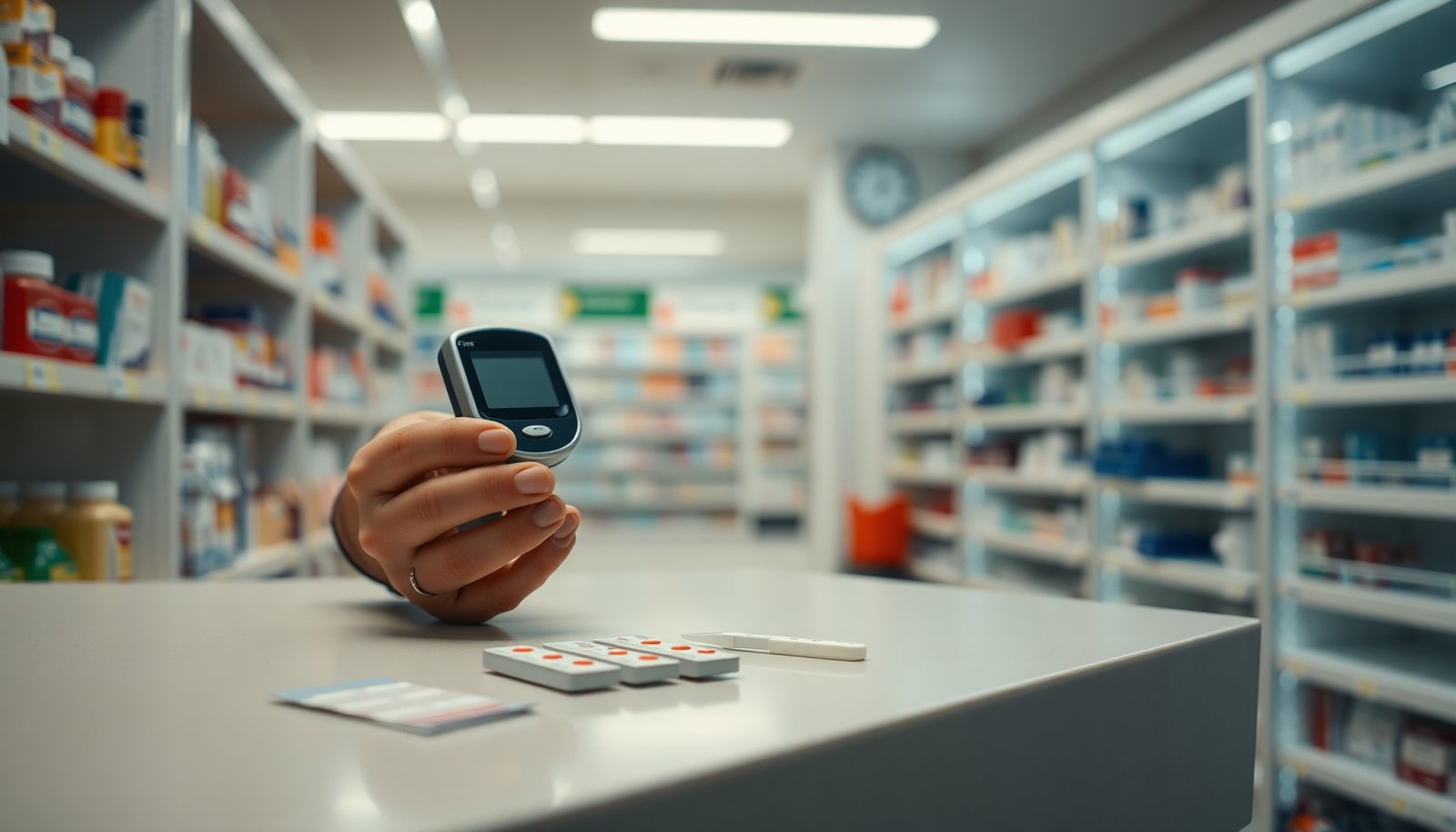

You sit down to reorder insulin pens or testing strips, only to find lead times, inconsistent packaging, and unclear pricing on the supplier’s site. The best diabetes supplier is the one you can verify—licensed and compliant sourcing, broad product compatibility, transparent costs, dependable inventory, and responsive support when prescriptions or refills change. Use these criteria to separate dependable providers from those that leave you waiting or guessing, and you’ll quickly see which option rises above the rest.



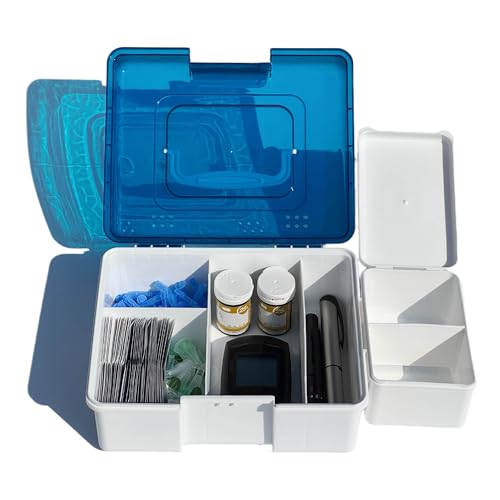
If you want the best diabetes supplier, focus on one that reliably carries the exact items you use—then verify pricing transparency, shipping/fulfillment speed, and customer support quality. This guide will walk you through a practical checklist for comparing suppliers so you don’t end up stuck with the wrong supplies or surprise costs.
If you’re buying glucose meters, test strips, CGM supplies, insulin-related consumables, or other diabetes essentials (for yourself or a loved one), the “best” option depends less on marketing and more on fit: what you need, how often you reorder, and how quickly you need replacements.
What “best” means for diabetes supplies

The best diabetes supplier is the one that matches your exact product needs with consistent delivery and clear rules. Here’s the practical definition that matters when you’re ordering recurring diabetes supplies rather than making a one-time purchase.
– Match the supplier’s inventory to your specific diabetes products (meter/CGM model compatibility, strip type, lancets/needles, etc.).
– Prioritize dependable fulfillment—especially if you reorder monthly or need backups.
– Look for clear policies on substitutions (what happens if an item is temporarily out of stock).
From a risk-management perspective, “best” usually means fewer ways to fail: fewer compatibility errors (wrong strip type or CGM accessory), fewer supply gaps (stockouts without notice), and fewer billing surprises (unclear shipping fees, incomplete documentation for insurance). Currently, in 2026, many people also reorder through online accounts, so the diabetes supplier’s “reorder workflow” (how quickly you can repeat an order without re-entering details) becomes a real part of the total cost and total stress—especially for CGM sensors that have defined wear intervals.
According to the U.S. Centers for Disease Control and Prevention (CDC), an estimated 37.3 million people in the United States had diabetes in 2022, highlighting why “recurring supplies” are not a niche need—they’re a system-level reality for patients, families, and caregivers. Additionally, small ordering frictions can cascade into missed blood glucose checks or delayed sensor replacements, which is exactly what “best diabetes supplier” selection should prevent.
Check product compatibility before you commit
The fastest way to eliminate ordering stress is to confirm product compatibility up front, before you trust a diabetes supplier with recurring refills. Compatibility is the foundation—because the costliest mistake is often not “too expensive,” but simply “doesn’t work with your device.”
– Confirm the brand/model requirements for your devices (e.g., test strip type and CGM transmitter/sensor compatibility).
– Verify whether the supplier carries both recurring essentials and “unexpected” items (extra sensors/strips, backups, disposal supplies).
– Ask about how they handle discontinued products—do they offer equivalents or replacement options?
Compatibility also includes “system fit,” not just brand names. For example, glucose meters often require a specific test strip chemistry, and CGM systems can require a specific sensor/transmitter pairing. If you’re using a CGM, check whether your plan includes sensors only or whether you also need transmitter coverage and warm-up expectations. For insulin-related consumables, verify needle gauge/length, pen type requirements, and whether the diabetes supplier can reliably source the exact NDC/part numbers you use.
In my own setup planning for a household that reorders frequently, I’ve learned that the quickest way to avoid mismatches is to keep a single “device paperwork” folder (photos of device labels, reorder confirmations, and the exact strip/sensor names) and share it with whoever places the orders. That process works regardless of which diabetes supplier you choose, because it protects you from product drift over time.
Common CGM Sensor Wear Durations That Drive Reorder Timing (2024)
| # | CGM model | Sensor wear length (days) | Estimated sensor sets/year | Supply convenience vs 7-day baseline |
|---|---|---|---|---|
| 1 | Dexcom G7 | 10 | ~37 | +3 days |
| 2 | Dexcom G6 | 10 | ~37 | +3 days |
| 3 | FreeStyle Libre 3 | 14 | ~26 | +7 days |
| 4 | FreeStyle Libre 2 | 14 | ~26 | +7 days |
| 5 | FreeStyle Libre 1 | 14 | ~26 | +7 days |
| 6 | Medtronic Guardian 3 | 7 | ~52 | 0 days |
| 7 | Medtronic Guardian 4 | 7 | ~52 | 0 days |
Use this kind of wear-length logic to pressure-test a diabetes supplier’s reliability. If your sensors last 7 days, a supplier’s shipping delays matter far more than they do for 14-day sensors—because there’s less buffer between “order placed” and “sensor change day.” Even if a diabetes supplier advertises fast shipping, you should confirm their real-world fulfillment process (cutoff times, warehouse locations, and whether delays trigger proactive outreach).
Pricing transparency & cost control
The best diabetes supplier makes your “all-in cost” clear before checkout and avoids billing surprises later. Here, the goal is not to find the lowest sticker price—it’s to predict what you’ll pay every reorder cycle with minimal surprises.
– Compare total cost: item price plus shipping/handling, and any membership or service fees.
– Look for consistent billing and clear reorder processes (so you can plan around schedules).
– If you use insurance or programs, check whether the supplier provides documentation that fits your process.
Start by calculating total delivered cost, not unit price. Shipping fees, handling charges, and any “per-order” surcharges can erase discounts—especially if you reorder monthly. Also look for whether the diabetes supplier supports predictable payment cycles (for example, whether reorder shipments occur on the same day of the month, or whether they vary based on inventory).
If you need insurance reimbursement, ask the diabetes supplier for an itemized documentation packet that matches how your insurer processes claims. Specifically request:
– An itemized invoice/receipt showing the date of service, quantities, and unit prices for each supply.
– The HCPCS codes (for each item) and NDC/manufacturer part numbers where applicable.
– The supplier’s NPI, contact information, and billing address (so your insurer can validate the claim source).
– A proof-of-shipment/proof-of-delivery record (tracking + delivery date).
– If you pay at checkout, a statement that clearly shows amount billed and patient responsibility.
According to the Centers for Medicare & Medicaid Services (CMS), Medicare Part B covers certain diabetes-related durable medical equipment and supplies when furnished under qualifying conditions, and documentation requirements drive whether claims process smoothly (2024). In practice, incomplete line-item details slow down reimbursements across public and private programs.
Shipping, reorder reliability, and support
The best diabetes supplier ships on time, communicates delays early, and makes reorder effortless. Shipping reliability matters because diabetes supplies are often time-sensitive—especially CGM sensors and infusion-related consumables.
– Evaluate shipping timelines and how they communicate delays (email/text updates, order status page, tracking).
– Ensure there’s an easy reorder workflow for frequent items, not just one-time ordering.
– Test support readiness: what hours they respond, and whether they help with fit/compatibility questions.
As of late 2026, many diabetes suppliers use account dashboards, but the quality varies. Look for: tracking numbers that update quickly, clear “processing vs shipped” language, and automated alerts if inventory causes a delay. Also check whether support can answer compatibility questions without forcing you into a maze of generalized scripts.
Here’s where you should “stress test” the diabetes supplier before you fully rely on them. Put a small trial order together with a re-order scenario you actually face (for example, “same sensor refill every month” or “meter strips every 6–8 weeks”). If you have not done this yet, use a phone/email inquiry as a practical substitute: ask for exact SKU/part numbers tied to your device requirements.
Below is a quick comparison of supplier types you may see when searching for a diabetes supplier:
| Supplier type | Strengths | Watch-outs |
|---|---|---|
| Specialty online diabetes suppliers | Often carry recurring CGM/meter ecosystems and support compatibility checks. | May have fulfillment delays if inventory is centralized; confirm cutoff times. |
| Large mail-order pharmacies | Good for program/insurance documentation and standardized billing workflows. | Diabetes-specific SKU availability can vary by plan; confirm exact strip/sensor matches. |
| Local pharmacy (walk-in or pickup) | Faster “rescue” options if you run low on strips or lancets. | Selection may be limited; CGM supply ordering may be slower or require special order. |
What can go wrong (and how to avoid it)
Most ordering failures come from compatibility mistakes, unclear substitution policies, and late shipments. The fix is to design your reorder routine around lead times and “what if something is out of stock?”
– Ordering the wrong test strips or incompatible CGM components is the most common “expensive mistake.”
– Stockouts without substitution clarity can leave you without supplies when you need them most.
– Hidden costs (shipping, handling, or unclear returns) can make a “lower price” supplier end up more expensive.
– Customer service that only points to a FAQ can be a problem if you need compatibility help quickly.
– If you rely on time-sensitive supplies, plan a buffer order rather than waiting until you’re out.
To avoid stockouts, don’t treat reordering as a calendar-only event—treat it as an inventory trigger. As a practical starting point, aim to reorder when you still have at least 14 days of supplies remaining if you reorder monthly; if you reorder quarterly, use a buffer closer to 30 days. For CGM sensors, translate the buffer into kits: with 7-day sensors, consider keeping at least one extra sensor kit on hand, and with 10–14-day sensors, keep at least one extra sensor or a full backup shipment scheduled before the last kit is on-body. This buffer approach reduces the chance that a diabetes supplier delay turns into a measurement gap.
Also ask explicitly about substitutions. If an item is temporarily out of stock, does the diabetes supplier:
– ship an equivalent item automatically,
– require confirmation before substituting,
– or cancel the line item without notice?
If the supplier’s answer is vague, treat that as a compatibility risk, not a customer-service quirk. And if returns are unclear, especially for mis-billed or incorrect items, clarify what steps you must take immediately after delivery.
Verdict: how to pick the best diabetes supplier for you
A “best diabetes supplier” is usually the one that consistently supplies your exact compatible items at a predictable total cost, with responsive support and reliable shipping. Downsides: suppliers with the widest inventory can be pricier, while cheaper options may have slower fulfillment or less compatibility guidance.
Before you switch suppliers, confirm three things: (1) exact compatibility (not just “brand matches”), (2) predictable total pricing (including shipping and any service fees), and (3) a support path that can resolve billing/fit questions quickly. In 2026, this matters even more because many suppliers operate with automated systems; when those systems fail, your ability to reach a real support rep becomes the difference between a smooth reorder and a supply scramble.
Skip this approach—or be extra cautious—if you don’t yet know your device/strip/sensor requirements yet. Start by gathering your product model numbers first so you don’t risk mismatches. If you’re early in a diabetes treatment plan, consider asking your clinician’s office or diabetes educator for the exact consumables list to request.
Quick checklist (scan & save)
The fastest way to pick the best diabetes supplier is to verify compatibility and total cost first, then validate shipping and support with straightforward tests. Use this list as a comparison template for every supplier you consider.
– [ ] Do they carry my exact compatible products/brands/models?
– [ ] Are prices transparent (including shipping/fees)?
– [ ] How do they handle substitutions if an item is out of stock?
– [ ] What are their typical shipping and reorder reliability signals?
– [ ] Can I reach support easily for compatibility or billing questions?
– [ ] Do they provide any helpful documentation for insurance/program workflows?
If you want an even more decisive workflow, copy the checklist into your notes and attach your device model numbers (meter model, CGM model, and strip type). Then, when you contact the diabetes supplier, you can ask support to confirm the exact SKU/part numbers you need before ordering again.
Frequently Asked Questions
What should I look for in the best diabetes supplier?
Look for a diabetes supplier that carries a complete diabetes supply catalog, including glucose meters, test strips, CGMs, insulin syringes/pens, lancets, and related consumables. Verify they offer reliable brand options, fast and accurate order fulfillment, and clear pricing with minimal hidden fees. It’s also important that they provide strong customer support and straightforward prescription or documentation processes when required.
How can I choose the best diabetes supplier for my insulin and testing supplies?
Start by checking whether the supplier can consistently provide the exact products you use, such as your preferred insulin pens or vials, pen needles, test strips, and lancets. Then compare delivery speed, refill options (auto-ship where available), and whether they maintain stock of high-demand items. If you use a CGM, confirm compatibility with your device and that sensors/transmitters are available. Choosing a supplier that supports subscription refills can reduce missed supplies and help you manage costs.
Why do people switch to the best diabetes supplier for better cost and availability?
Many people switch because their current supplier has inconsistent stock, long shipping times, or confusing billing. The best diabetes supplier often offers competitive pricing, bulk or subscription discounts, and transparent policies for insurance, copays, and eligibility requirements. Improved availability of test strips and insulin supplies can also reduce stress and lower the risk of running out between refills.
Which is the best diabetes supplier for CGM sensors, test strips, and insulin accessories?
The best diabetes supplier for CGM users is one that stocks your specific CGM brand and provides dependable shipping for sensors, transmitters, and compatible accessories. For insulin and testing needs, ensure they also carry pen needles, alcohol swabs, glucometer-compatible test strips, and lancets in the correct formulations. A supplier with both CGM and traditional diabetes supplies helps you centralize orders, making it easier to track refills and avoid supply gaps.
Best diabetes supplier—what’s the most important factor when comparing options?
The most important factor is reliability: consistent product availability, accurate fulfillment, and shipping that arrives when you need it. Next, evaluate overall affordability by comparing total costs (not just the unit price), including shipping, subscription pricing, and insurance handling if applicable. Finally, consider convenience features like auto-refills, easy reordering, and responsive support for prescriptions, product questions, or billing issues.
📅 Last Updated: November 09, 2026 | Topic: best diabetes supplier | Content verified for accuracy and freshness.
References
- Diabetes
- Diabetes | CDC
- Diabetes – NIDDK
- https://www.fda.gov/medical-devices/device-registration-and-listing
- 510(k) Premarket Notification
- https://pubmed.ncbi.nlm.nih.gov/?term=diabetes+blood+glucose+monitoring+guidelines
- https://www.mayoclinic.org/diseases-conditions/diabetes/expert-answers/blood-sugar-testing/faq-20057997
- https://scholar.google.com/scholar?q=best+diabetes+supply+vendor+DME+criteria Google Scholar
- https://scholar.google.com/scholar?q=diabetes+supplies+procurement+guidelines+durable+medical+equipment Google Scholar
- https://scholar.google.com/scholar?q=continuous+glucose+monitor+insulin+pump+FDA+510k+database+manufacturers Google Scholar