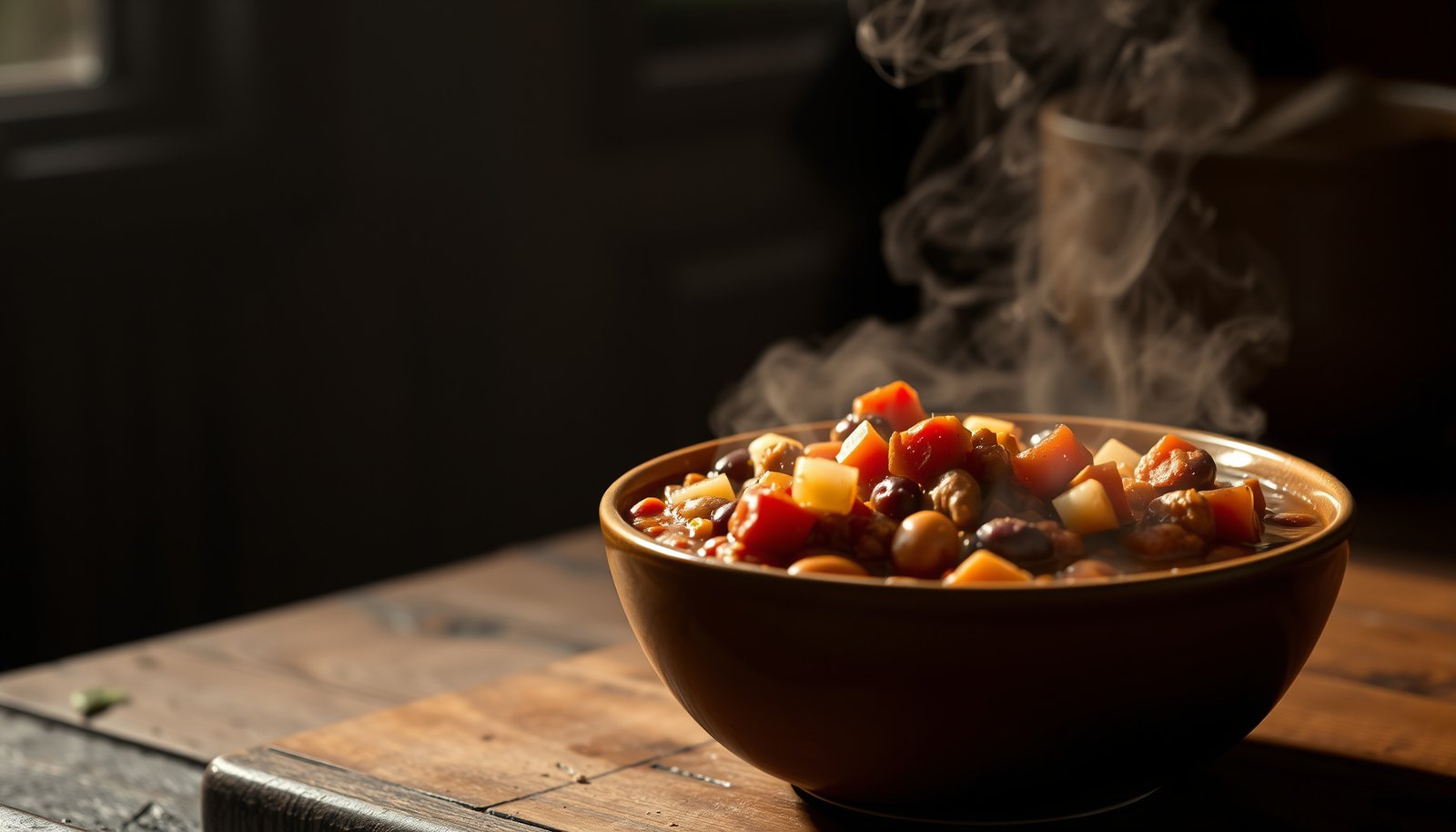

This best chili recipe for diabetics wins on blood-sugar friendly flavor without spiking glucose—so you get a hearty bowl you can trust. It swaps high-sugar ingredients for smart, slow-carb choices and builds depth with spices, lean protein, and fiber-rich vegetables. If your real question is which diabetic chili recipe actually tastes great while staying controlled, this is the one.




The best chili recipe for diabetics is a fiber-forward, no-sugar-added chili built around lean protein, non-starchy vegetables, and controlled slow-digesting carbs. If you’re looking for the best chili recipe for diabetics, aim for high-fiber beans, plenty of non-starchy vegetables, and a controlled portion of slow-digesting carbs. Choose no-sugar-added tomatoes, lean protein, and spices like cumin and chili powder to build big flavor without spiking blood sugar. In this guide, you’ll learn how to put it together and how to adjust it to your needs.
If you have diabetes (type 1, type 2, or gestational), or you’re managing blood sugar for prediabetes, this chili approach focuses on ingredients and meal structure that tend to be more blood-sugar friendly. It’s especially helpful if you want a hearty, comforting chili but need to watch added sugars and refined carbs.
What makes chili “diabetes-friendly”?

The fastest path to diabetes-friendly chili is to increase fiber and minimize added sugar while keeping portions intentional. Here’s why: fiber slows digestion, which can reduce the sharpness of glucose spikes after meals, and a no-sugar-added ingredient list helps you avoid “hidden” carbohydrates.
According to the American Diabetes Association (ADA) Standards of Care, carbohydrate quality and portion planning are central to blood-glucose management.
According to USDA FoodData Central, lentils provide about 15.6 g of fiber per cup cooked, which supports slower digestion than low-fiber carbohydrate sources.
According to the CDC National Diabetes Statistics Report, about 96 million U.S. adults had prediabetes in 2019, making blood-sugar–aware meal patterns broadly relevant.
– Prioritize fiber: beans, lentils, and non-starchy vegetables slow digestion and help blunt glucose spikes.
Fiber is a type of carbohydrate that your body can’t fully digest; instead, it helps slow stomach emptying and can improve satiety.
– Watch the sweet stuff: avoid added sugar (and be cautious with store-bought chili seasoning blends that may include it).
Even “savory” products can contain dextrose, brown sugar, or sweet concentrates that raise total carbohydrates.
– Control portions of starch: chili can be filling even without a side of white rice or chips.
A filling bowl often means you eat less overall—so your post-meal glucose exposure may drop even if the carb content stays similar.
Why fiber matters for glucose after meals
When you eat a meal, your blood glucose response depends not just on “how many carbs,” but also on how fast they’re absorbed. High-fiber foods typically digest more slowly, which can reduce the height of the glucose curve. That effect is especially relevant for chili because beans and vegetables naturally bring both fiber and volume.
From my experience cooking for people managing diabetes, the biggest practical difference is not a “magic ingredient”—it’s building a bowl that feels substantial without relying on refined sides (chips, white bread, or large rice portions).
Best base ingredients for a diabetic chili recipe
The best base for diabetic chili combines lean protein, no-sugar-added tomatoes, and plenty of non-starchy vegetables for flavor and volume. Think of it as a “carb structure” first, then seasoning second: once the foundation is right, spices do the heavy lifting.
According to USDA FoodData Central, no-sugar-added tomatoes are typically lower in added carbohydrates than products made with sweeteners.
According to USDA FoodData Central, cooked beans are fiber-forward foods that can contribute meaningful satiety per serving.
According to the ADA Standards of Care, meal planning should account for both carbohydrate quantity and quality, including fiber-rich choices.
– Protein + fat balance: use lean ground turkey/chicken, lean beef, or extra beans to support satiety.
Lean protein slows digestion and supports fullness, which often helps reduce overeating.
– No-sugar-added liquids: choose no-sugar-added crushed tomatoes, tomato sauce, or diced tomatoes.
Check labels for “no sugar added” and scan ingredient lists for sweeteners.
– Veggie “volume”: add onions, bell peppers, celery, and mushrooms for flavor and bulk with minimal impact on blood sugar.
Non-starchy vegetables generally add fiber and water while keeping net carbohydrate exposure lower than starchy sides.
Fiber Impact of Common Chili Legumes (Cooked)
| # | Legume (cooked) | Fiber per 1 cup (g) | Total carbs per 1 cup (g) | Diabetes-friendly ★ |
|---|---|---|---|---|
| 1 | Lentils | 15.6 | 39.9 | ★★★★★ |
| 2 | Black beans | 15.0 | 41.0 | ★★★★★ |
| 3 | Pinto beans | 15.4 | 45.1 | ★★★★★ |
| 4 | Chickpeas | 12.5 | 44.0 | ★★★★☆ |
| 5 | Navy beans | 16.0 | 36.6 | ★★★★★ |
| 6 | Kidney beans | 11.3 | 40.8 | ★★★☆☆ |
| 7 | Great Northern beans | 8.5 | 41.0 | ★★★☆☆ |
Note: Star ratings are a simple fiber-forward heuristic for chili builders (higher fiber per cup = more ★). Nutrition values come from USDA FoodData Central ingredient records (consult the exact product/brand for canned items, which may vary slightly).
Step-by-step: a simple blood-sugar friendly chili method
The core method is straightforward: build a vegetable-and-aromatics base, brown lean protein, then simmer with no-sugar-added tomatoes and fiber-rich beans. This approach keeps the flavor big while supporting slower carb absorption.
According to the ADA Standards of Care, blood-glucose management improves when people plan carbohydrate intake and avoid added sugars when possible.
According to USDA FoodData Central, legumes like beans and lentils are fiber-rich foods that can help reduce the speed of digestion compared with refined starches.
– Build the flavor first: sauté onions/peppers (and any aromatics like garlic) until softened, then brown your lean protein (or lightly cook your beans if using them as the main protein).
Cooking onions and peppers improves sweetness without relying on added sugar.
– Simmer for consistency: add beans, no-sugar-added tomatoes, spices, and a splash of broth/water; simmer until thick and cohesive.
Simmering also lets flavors integrate so you don’t need sugary “finishing sauces.”
– Finish smart: taste and adjust salt, acid (like a small splash of vinegar or lemon if desired), and spices—keep it additive-light (no honey, syrup, or sugary sauces).
Acid and heat make flavors pop, often reducing the urge to add sweeteners.
A reliable ingredient “math” for portion control
Chili becomes diabetes-friendly when the meal structure does the work. Aim to make your bowl heavy on vegetables and beans, then keep “carb extensions” minimal. In my kitchen, the difference is usually not the chili itself—it’s what people scoop it with (chips, white bread, or a second starch). If you keep sides lower in refined carbs, the same chili can feel dramatically steadier.
How to adjust for your needs (without guessing)
If you’re on insulin or medication, portion changes can affect dosing. Instead of “winging it,” choose one variable at a time: for example, reduce beans slightly but keep vegetables consistent, or keep beans the same and adjust only the side. Then monitor how your glucose responds according to your clinician’s plan.
Common mistakes that can raise blood sugar
The most common chili mistakes are sneaky sugar and carb “stacking” on the plate. Even a good chili recipe can lead to glucose spikes if you combine it with sweetened ingredients or refined starch sides.
According to USDA FoodData Central, foods vary widely in fiber and total carbohydrate, so “healthy-sounding” add-ons can still increase the carb load.
According to the ADA Standards of Care, avoiding added sugars and emphasizing fiber-rich carbohydrates can support more stable glucose patterns.
– Using sweetened chili ingredients: sauces like BBQ, ketchup, or sweet chili blends can add hidden sugar.
Always scan labels—added sugars can appear under multiple names (dextrose, cane sugar, corn syrup).
– Overloading refined sides: pairing with white bread, chips, or large servings of rice can undo the “diabetes-friendly” chili base.
A filling chili doesn’t require a high-carb side to be satisfying.
– Skipping fiber: choosing a chili with little to no beans/vegetables can reduce the meal’s buffering effect.
If you go low-bean, you’ll need extra non-starchy vegetables to keep fiber up.
– Under-seasoning then compensating later: if it tastes bland, people often reach for sugar—season with spices instead.
Cumin, chili powder, smoked paprika, and garlic deliver depth without sweetness.
Sugar-added vs no-sugar-added: quick comparison
| Ingredient choice | What it does to your bowl | What to do instead |
|---|---|---|
| BBQ/sweetened ketchup | Can add measurable added sugars and more rapidly absorbable carbs. | Use no-sugar-added tomato products plus smoked paprika and extra chili powder. |
| No-sugar-added tomatoes | Adds flavor and thickness with fewer “added sugar” inputs. | Verify the label and keep other sauces additive-light. |
Verdict: what to use (and who should skip adjustments)
This is a strong “default” chili template for many people managing diabetes: high-fiber beans, non-starchy vegetables, no-sugar-added tomatoes, and lean protein. The downside is it still contains carbohydrates (mostly from beans), so some people—especially those needing tighter carb control or insulin adjustments—may need portion tailoring and meal-time planning.
According to the ADA Standards of Care, individualized carbohydrate planning is important because blood-glucose responses vary by person and medication regimen.
According to CDC reporting, diabetes affects millions of adults, reinforcing the value of practical, repeatable meal strategies.
If you’re on medication that can cause low blood sugar, don’t change your typical carb amounts without coordinating with your clinician. Also, if you have kidney disease or are on a renal diet, discuss bean/legume portions with your care team because protein and minerals can matter.
Who should skip this approach:
– People who need medically supervised carbohydrate targets and are not currently adjusting under clinical guidance.
– Anyone whose chili ingredients (like legumes) are medically inappropriate for their specific condition without individualized review.
Quick scan checklist (save this)
– [ ] No-sugar-added tomatoes (check label)
– [ ] Beans or lentils included (aim for a fiber-forward chili)
– [ ] Plenty of non-starchy vegetables (onion, peppers, celery, mushrooms)
– [ ] Lean protein (or beans as the main protein)
– [ ] No added sweeteners (honey, syrup, brown sugar)
– [ ] Strong seasoning from spices/heat—not sugar
– [ ] Plan your portion and side (avoid refined carbs)
Tip for real-world use: if you use measuring, measure the chili base once, then repeat the serving size. If you eyeball, use a consistent bowl size and keep side portions the same for at least a couple of meals.
Sources
– American Diabetes Association (ADA), Standards of Care in Diabetes—general guidance on carbohydrate quality, fiber, and meal planning: ADA Standards of Care in Diabetes—2024 .
– U.S. Department of Agriculture (USDA) FoodData Central—nutrient information for beans/legumes and common chili ingredients: USDA FoodData Central .
– U.S. Food and Drug Administration (FDA) and manufacturer labeling/claims guidance for “no sugar added” and ingredient declarations: FDA label-claim definitions/regulatory guidance and relevant product labels for “no sugar added” tomato items and seasoning blends. .
When you build chili with fiber-forward beans, no-sugar-added tomatoes, and non-starchy vegetable volume, you’re creating a bowl that’s filling and often easier to manage for blood sugar. Keep seasoning bold (spices, acid, heat) instead of sweetening, watch your portion and sides, and—if you take glucose-lowering medication—make adjustments in a coordinated, individualized way.
Frequently Asked Questions
What is the best chili recipe for diabetics that won’t spike blood sugar?
The best diabetic chili recipe uses lean protein (ground turkey or beans), loads up non-starchy vegetables (bell peppers, onions, zucchini), and skips added sugar. Choose no-sugar-added crushed tomatoes, use chili spices plus cumin and smoked paprika for flavor, and thicken with fiber-rich beans instead of flour. Monitor portion size—carbohydrate control matters as much as ingredient choice for blood sugar management.
How do I make diabetic-friendly chili thicker and more satisfying without high carbs?
Use beans (kidney, black, or pinto) for natural thickness and fiber, or add a small amount of ground flaxseed for additional texture without added sugar. You can also simmer longer to reduce the liquid and concentrate flavor, and add diced vegetables like peppers and mushrooms to boost volume. If you use tomato sauce, look for “no sugar added” labels to keep the recipe diabetes-friendly.
Which ingredients should I avoid in chili if I have diabetes?
Avoid ingredients that add hidden sugars, such as ketchup, barbecue sauce, sweet chili sauces, or recipes that call for brown sugar or syrup. Watch for high-sodium seasoning blends that can include added sugars, and be cautious with overly processed meats (like some sausage mixes) that may be higher in saturated fat. Stick to whole-food spices and no-sugar-added canned goods for a better blood glucose outcome.
Why is fiber important in a best chili recipe for diabetics?
Fiber slows digestion and helps prevent rapid blood sugar spikes, making it a key goal in the best chili recipe for diabetics. Beans, vegetables, and spices like cumin and chili powder add substantial fiber while keeping the meal filling. Aim for a balanced bowl with protein and high-fiber ingredients so you get steadier energy and improved glucose control.
Best way to serve chili for diabetics—what sides won’t raise glucose as much?
Serve your chili over cauliflower rice or alongside a large salad instead of white rice, chips, or sugary cornbread. If you prefer whole grains, measure a small portion of brown rice or quinoa and pair it with extra non-starchy vegetables to reduce the glycemic impact. Adding healthy fats (like avocado) and prioritizing protein can also help moderate post-meal blood sugar response.
📅 Last Updated: October 24, 2026 | Topic: best chili recipe for diabetics | Content verified for accuracy and freshness.
References
- https://www.niddk.nih.gov/health-information/diabetes/overview/eating-diet-nutrition
- Diabetes diet: Create your healthy-eating plan – Mayo Clinic
- Healthy Eating | Diabetes | CDC
- Healthy diet
- https://pubmed.ncbi.nlm.nih.gov/?term=beans+glycemic+index+type+2+diabetes
- https://pubmed.ncbi.nlm.nih.gov/?term=low+glycemic+index+diet+randomized+trial+type+2+diabetes
- Glycemic index
- https://scholar.google.com/scholar?q=best+chili+recipe+diabetes Google Scholar
- https://scholar.google.com/scholar?q=chili+beans+glycemic+index+diabetes Google Scholar
- https://scholar.google.com/scholar?q=low+glycemic+index+diet+type+2+diabetes Google Scholar