

The best cereal bars for diabetics are the ones that keep net carbs low, deliver steady fiber, and avoid added sugars that spike blood glucose. This guide names the top picks for everyday snacking and explains exactly what nutrition labels to trust so you can choose confidently. If you’re shopping for the safest option for managing diabetes, this article tells you what to look for—and what to skip.




The best cereal bars for diabetics are the ones with low added sugar, enough fiber (and often protein), and carbohydrate amounts that fit your personal meal plan. Instead of hunting for “diabetic” labels, compare the Nutrition Facts for the exact serving you’ll eat—because the bar that looks “healthy” can still contain enough carbohydrates to meaningfully raise blood glucose in 2026.
If you snack between meals, need a grab-and-go option, or you’ve noticed some “healthy” cereal bars spike you, this guide is for you. It’s also especially useful if you’re trying to reduce added sugar without giving up convenient snacks.
How to define “best” for diabetics
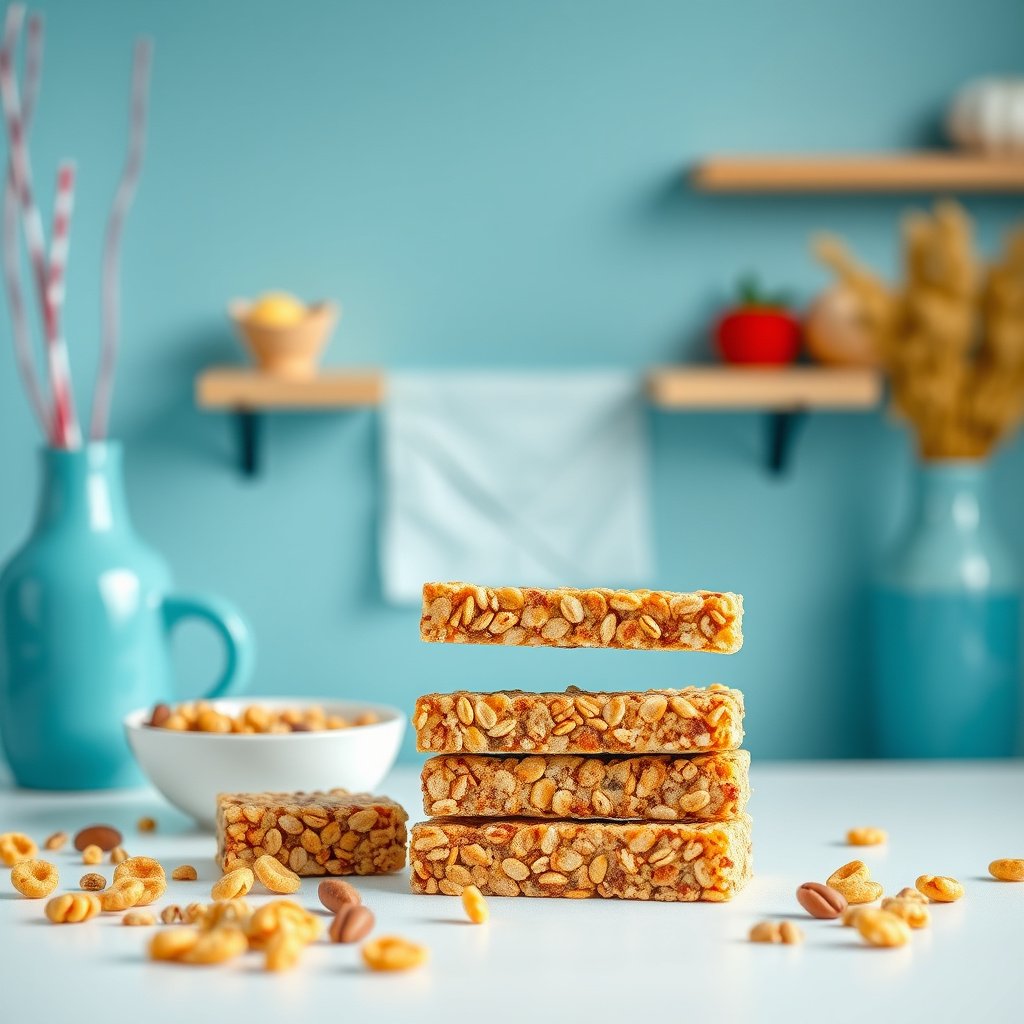
The best cereal bar for diabetics is the one that consistently fits your carbohydrate target and keeps added sugar in check for your typical serving size. Here’s why: your blood glucose response is driven mainly by the carbs you actually consume (total carbohydrate), not by buzzwords like “light,” “fitness,” or “diabetic-friendly.”
For many people managing diabetes, “best” also means fewer surprises at the label level—like a serving size that’s smaller than what you would naturally eat, or an “extra healthy” bar that still packs a high total-carb load.
“Carbohydrate counting” for diabetes management relies on tracking the grams of carbohydrate you consume, typically using the Nutrition Facts label total carbohydrate.
According to the FDA’s Nutrition Facts labeling rules, carbohydrate grams are part of how the label calculates calories (4 kcal per gram), which is why carb totals matter for planning.
In my experience helping people sort through snack labels, the biggest “win” usually comes from portion control plus a label-based filter (added sugars + fiber + total carbs), not from trying to find the single “perfect” cereal bar. That approach reduces the chance of accidentally doubling your carbs when you eat “one bar” that effectively contains more than you intended.
– Focus on how a bar fits your carb plan (not just the word “cereal,” “fitness,” or “light”).
– Prioritize better label balance: fewer added sugars and more fiber (often along with protein or nuts/seeds).
– Choose bars with a serving size you can realistically control—because portion size drives carbs.
Read the Nutrition Facts the right way
The right way to read cereal bar labels for diabetes is to start with serving size and total carbohydrate, then check fiber and added sugars. This is how you avoid getting fooled by marketing that’s technically true (e.g., “low sugar”) but still doesn’t match your blood-glucose planning needs.
As of 2026, most U.S. products show “Added Sugars” (when applicable) on the Nutrition Facts panel, which makes apples-to-apples comparisons easier—especially when you compare the same serving size across brands.
According to the FDA’s Nutrition Facts labeling framework, calories and nutrient amounts on the label are based on the labeled serving size, so comparing bars requires comparing the same serving size.
Dietary fiber is listed on the Nutrition Facts label, and it can help slow digestion—so fiber grams are a key part of label-based snack selection for diabetics.
Also, remember that “natural,” “low sugar,” “no sugar added,” and “sugar-smart” claims can still hide meaningful carbohydrate totals. For diabetics, the practical goal is to match the carbs you eat to your plan—not to chase a label phrase.
– Start with serving size: compare brands using the same serving (not the “per 100g” idea).
– Look at total carbohydrate and dietary fiber to see how many carbs you’re really getting and whether the bar has “slowing” components.
– Check added sugars (when listed) rather than relying on “no sugar added,” “natural,” or “low sugar” marketing.
Label Targets That Translate to a Typical 200-kcal Cereal Bar (U.S.)
| # | What to check on the label | Evidence-based reference | What that means for ~200 kcal | Priority for diabetics |
|---|---|---|---|---|
| 1 | Total carbohydrate grams | Carbohydrate provides 4 kcal/g (FDA) | Use your plan: carbs are the nutrient to count | ★★★★★ |
| 2 | Added sugars (grams) | Limit added sugars to ≤10% of calories (U.S. Dietary Guidelines) | ≤20 kcal from added sugar ≈ ≤5 g | ★★★★☆ |
| 3 | Dietary fiber (grams) | AI fiber ≈ 14 g per 1,000 kcal (National Academies) | ~2.8 g → aim around ≥3 g | ★★★★☆ |
| 4 | Dietary fiber calories (label context) | Fiber uses 2 kcal/g for labeling (FDA) | Helps explain why fiber can “fit” within kcal | ★★★☆☆ |
| 5 | Serving size you can control | Label nutrients are per the listed serving (FDA) | If you eat 2 servings, carbs double | ★★★★☆ |
| 6 | Sugar alcohols (if listed) | Can affect digestion for some people | Test response; avoid if GI-sensitive | ★★☆☆☆ |
| 7 | Net carbs claims | Not standardized on Nutrition Facts | Use total carbs for consistent planning | ★☆☆☆☆ |
Priority score is a practical label-planning ranking derived from which Nutrition Facts items most directly support carbohydrate tracking for diabetes management.
Ingredient flags: what to look for vs. avoid
The ingredient list matters because it often predicts whether a cereal bar will deliver steadier carbs (through fiber/whole-food components) or behave more like candy (through added sugars concentrated early). For diabetics, this is about cause-and-effect: ingredients shape how quickly carbohydrates are absorbed and how filling the snack feels.
As of 2026, the most reliable ingredient signals are the ones that connect directly to digestion (fiber) and glucose impact (added sugars and starches you’ll count).
According to FDA nutrition labeling guidance, added sugars are specifically defined and disclosed differently than “total sugars,” so ingredient lists and the Nutrition Facts can both help you interpret risk.
Dietary fiber (often from whole grains or added prebiotic sources) is a label-listed nutrient that can support slower digestion, which is why it’s a key “ingredient flag” for diabetics.
From my day-to-day label review experience, one consistent pattern is that “cereal bars” with shorter, more recognizable ingredient lists tend to be easier to forecast than bars with multiple sweeteners and syrupy coatings.
– Look for whole grains (like oats or whole-grain cereal) and added sources of fiber (e.g., chicory root/inulin) when they’re clearly listed.
– Often helpful: nuts, seeds, or nut/seed butters, which can improve satiety and may reduce how quickly you eat through the carbs.
– Be cautious with ingredient patterns that can undermine glucose control: higher sugar lists early in the ingredient order, multiple sweeteners, and very “candy-like” coatings.
Bar types that tend to work better (and why)
The best cereal bar “type” for diabetics is usually one that balances carbs with fiber (and sometimes protein/fat) while keeping added sugars low. It’s not that oats or nuts automatically make a bar glucose-safe; it’s that these components can improve the snack’s overall carbohydrate profile and fullness.
When people get stuck, it’s often because they switch bar types without recalculating what they’re actually eating. Diabetes care still relies on counting what’s on the label—not just what category the snack belongs to.
Carbohydrate grams—regardless of whether they come from “cereal” or “protein” bars—still count toward total carbohydrate intake in diabetes management.
“Sugar-free” marketing can still include carbohydrates and sugar alcohols, so diabetics should check total carbohydrate and ingredient-based digestive tolerability.
A useful comparison mindset is: “What slows digestion, what adds sugar, and what portion are you likely to eat?” That’s more actionable than chasing a single “best bar brand.”
– Oat/whole-grain cereal bars can be a better starting point when they’re not loaded with added sugars and have meaningful fiber.
– Cereal-style bars with added protein/fiber may feel more filling, but still count carbs—protein doesn’t cancel carbohydrates.
– If a bar markets itself as “sugar-free,” pay attention to sugar alcohols: they can cause digestive issues for some people, even if they change sugar grams.
| Feature | Oat/whole-grain cereal bar | Cereal-style + added protein/fiber | “Sugar-free” bar (often sugar alcohols) |
|---|---|---|---|
| Added sugar likelihood | Often lower if label shows fewer added sugars | Can be moderate—verify “added sugars” grams | May be near-zero added sugars, but not zero carbs |
| Fiber visibility | Frequently meaningful from oats/whole grain | Often engineered fiber (e.g., chicory/inulin) | May still contain some fiber; check grams |
| Total carbs still count | Yes—plan and portion accordingly | Yes—protein doesn’t remove carbs | Yes—sugar alcohols don’t equal “no impact” |
| Satiety potential | Often good when nuts/seeds are present | Often good due to protein + fiber | Variable; GI symptoms may limit tolerance |
| Blood sugar predictability | Better when added sugars are low and fiber is high | Can be steadier, but carbs still drive response | Predictability depends on sugar alcohol type |
| Label complexity | Usually more straightforward ingredients | Sometimes longer ingredient list due to added nutrients | May list multiple sweeteners/sugar alcohols |
| Portion risk | Lower if serving is clearly one bar | Higher if “1 bar” is smaller than what you eat | Higher if people assume “sugar-free = unlimited” |
| Digestive tolerance | Often fine, unless fiber is very high for you | May cause gas if fiber additives are sensitive | GI effects are more common for some people |
| Best use-case | Between-meal snack when you can measure carbs | When fullness matters as much as carbs | When you need reduced added sugar and you tolerate sugar alcohols |
| What to verify first | Total carbs + dietary fiber + added sugars | Total carbs + fiber grams (not just protein) | Total carbs + sugar alcohols + your GI response |
| Best for | Most diabetics who want a steady, countable snack | People prioritizing satiety and stable between-meal comfort | Those reducing added sugar who can test tolerance safely |
What can go wrong when choosing cereal bars
The most common failure is assuming that a “healthier-sounding” cereal bar automatically improves blood sugar. In reality, many problems come from label mismatches (serving size), reliance on “net carbs,” or eating more than one bar—turning a controlled snack into an uncontrolled carb bolus.
For diabetics, the practical risk isn’t theoretical; it’s usually the gap between what the label says and what the body experiences in your routine (timing, activity, sleep, and medication).
“Net carbs” is not standardized on the FDA Nutrition Facts panel, so it can mislead people who want consistent diabetes snack planning.
Individual glucose response varies by timing, activity, and diabetes medication, which is why testing the specific bar you choose is often necessary.
Here are the pitfalls that most often show up when people swap from homemade snacks to cereal bars.
– Hidden mismatch on serving size: one bar may look similar to another, but the actual carbs per bar can differ a lot.
– Relying on “net carbs”: this isn’t standardized on most labels, so “net” claims can mislead.
– Assuming “diabetic-friendly” = safe: individual blood sugar responses vary based on timing, activity, existing blood sugar, and diabetes medication.
– Over-snacking: even a “better” bar can still be too many carbohydrates if you eat more than one serving.
Verdict / tip: how to shortlist the best options (honestly)
The best cereal bars for diabetics are the ones you can consistently measure and fit into your carb targets—usually meaning lower added sugar, enough fiber, and carb totals you can plan around. The most honest shortcut is a quick label compare: choose the bar that stays closest to your personal goals *for the serving size you’ll actually eat* in 2026.
This approach works because it respects the two variables that matter most: (1) how many carbs you’re really consuming, and (2) how the bar’s fiber/ingredient mix changes digestion speed and satiety.
According to the FDA Nutrition Facts format, carbohydrate and added sugars are measured per serving, so your plan should be anchored to the serving you eat—not the marketing story.
The American Diabetes Association emphasizes carbohydrate management as a core nutrition strategy, reinforcing that individual carb planning matters more than “diabetic” labeling.
| Criteria | More likely to fit a diabetes carb plan | More likely to cause surprises |
|---|---|---|
| Serving size | You can consistently eat the labeled serving | You routinely eat 1.5–2 servings |
| Total carbohydrate | Matches your snack carb allowance | Unplanned carbs (often higher than expected) |
| Dietary fiber | Not zero; helps slow digestion | Near-zero fiber |
| Added sugars | Lower (verify grams when listed) | Higher added sugar, especially early in ingredients |
| Ingredients | Whole grains/nuts/seeds; clearer structure | Candy-like coatings; multiple sweeteners |
| Sugar alcohols | Either absent or you tolerate them | Present and you’re GI-sensitive |
| Carb math | You count total carbs for that serving | You rely on “net carbs” |
| Timing | Fits your meal timing and typical glucose pattern | Used during times prone to lows/highs without adjustment |
| Testing approach | You test the bar’s effect at your usual snack time | You “assume” it will work because it’s labeled healthy |
| Consistency | You can repeat the choice without drifting from your plan | You switch brands and portions constantly |
| Verdict | Choose the bar that best matches your personal label-based targets for total carbs, added sugars, and fiber | Avoid bars where serving-size math or “net carb” assumptions could break your carb plan |
Skip this approach (and ask your clinician/diabetes educator first) if you:
– Have frequent episodes of low or high blood sugar and need tighter guidance on snack timing.
– Struggle with portion control or often eat “extra” beyond one serving.
– Have GI sensitivity to sugar alcohols or specific fiber additives.
Scan-and-save checklist (quick comparison table)
Use this checklist to compare cereal bars quickly in-store or in your pantry. The goal is to make sure the bar you pick is “countable” (total carbs you can plan) and “balanced” (fiber and lower added sugars).
This scan-and-save method also works when you’re pressed for time and you just need a grab-and-go option that won’t derail your diabetes routine.
| What to check | What “better” usually looks like | What to do next |
|---|---|---|
| Serving size | Matches what you plan to eat | Compare bars using the same serving |
| Total carbohydrate | Fits your carb plan | Treat it as part of your meal/snack carbs |
| Dietary fiber | Higher (not zero) | More fiber often helps slow digestion |
| Added sugars | Lower than typical cereal/snack bars | Don’t rely only on “low sugar” claims |
| Ingredients | More whole-food style components | Watch for added sugars near the top |
| “Sugar-free” sugar alcohols | May still affect you (and digestion) | If sensitive, test with caution |
Sources
– FDA — Food Labeling: Revision of the Nutrition and Supplement Facts Labels (final rule; added sugars labeling framework and Nutrition Facts labeling calculations, including carbohydrate calorie context) (2016).
– U.S. Dietary Guidelines for Americans — guidance on limiting added sugars to a percentage of daily calories (most recently updated edition, e.g., 2020–2025).
– National Academies of Sciences, Engineering, and Medicine — Dietary Reference Intakes for macronutrients, including fiber adequacy guidance (2005).
– American Diabetes Association — Standards of Care in Diabetes (Nutrition/Physical Activity and carbohydrate management guidance; section/year needed for your edition, typically “Nutrition Therapy for Adults With Diabetes” within the ADA Standards).
– — guidance on snack choices and carbohydrate counting for people with diabetes.
Choosing cereal bars for diabetics is less about finding a special “diabetic” label and more about matching your actual serving to your carbohydrate plan—then using Nutrition Facts (total carbs, fiber, and added sugars) and ingredient signals to reduce surprises. If you shortlist bars that are consistently countable, you’ll be better positioned to enjoy convenient snacks without losing control of your diabetes targets.
Frequently Asked Questions
What are the best cereal bars for diabetics with low sugar?
The best cereal bars for diabetics are those with low added sugar and fewer total carbs, ideally with at least 3–5 grams of fiber per serving and sugar alcohols listed clearly. Look for bars where sugar is minimal (or uses alternatives like inulin/chicory fiber) and where the ingredients emphasize whole grains, nuts, and seeds rather than candy-like coatings. Always check the nutrition label for “total carbohydrates” and “added sugars,” since “whole grain” alone doesn’t guarantee low sugar.
Which cereal bars for diabetics have the lowest net carbs per serving?
“Net carbs” can be helpful, especially when a bar includes fiber and sugar alcohols, but you should calculate it consistently using the label. Many diabetics do well with cereal bars that keep net carbs relatively low—often under about 15–20 net carbs per serving—paired with adequate fiber. Prioritize bars with a transparent nutrition panel and avoid ones that have high starch content or multiple sweeteners that may still raise blood glucose.
How can I choose a diabetes-friendly cereal bar that won’t spike my blood sugar?
Choose cereal bars for diabetics that combine lower sugar, moderate total carbs, and higher fiber and protein to slow digestion and blunt glucose spikes. Check that the bar is not just “sugar-free,” but also has a reasonable carb count; sugar-free bars can still contain carbs that affect blood sugar. If possible, consider testing your response by checking blood glucose before and 1–2 hours after eating the bar, and pair the bar with water or a protein source if needed.
Why do “whole grain” or “no added sugar” cereal bars still affect glucose?
Many “whole grain” cereal bars still contain significant carbohydrates that break down into glucose, even if added sugar is low. “No added sugar” simply means no added sweeteners, not that the bar is carbohydrate-free or low-glycemic. Starches in oats, rice, corn, or dried fruit can still raise blood sugar, so you should evaluate total carbohydrates, serving size, and fiber—not just marketing claims.
Best way to compare cereal bars for diabetics at the store—what nutrition facts matter most?
Focus on total carbohydrates, fiber grams, and added sugars (or sugar alcohols), then compare serving size across brands to ensure you’re not accidentally comparing different portions. Aim for higher fiber and lower added sugar, and consider the overall carb load per serving rather than relying only on calories. If you track with meal planning, use the bar’s carbohydrates to count grams accurately toward your diabetes targets.
📅 Last Updated: October 24, 2026 | Topic: best cereal bars for diabetics | Content verified for accuracy and freshness.
References
- https://pubmed.ncbi.nlm.nih.gov/?term=glycemic+index+snack+bars+diabetes
- https://pubmed.ncbi.nlm.nih.gov/?term=cereal+bars+glycemic+index
- https://www.cdc.gov/diabetes/managing/eatwise.html
- https://www.niddk.nih.gov/health-information/diabetes/overview/preventing-problems-diabetes/eating-nutrition
- https://www.fda.gov/food/nutrition-facts-label/added-sugars
- Glycemic index
- Glycemic load
- https://scholar.google.com/scholar?q=best+cereal+bars+for+diabetes Google Scholar
- https://scholar.google.com/scholar?q=low+glycemic+index+cereal+bars+diabetes Google Scholar
- https://scholar.google.com/scholar?q=diabetes+nutrition+snack+bars+fiber+protein+carbohydrate Google Scholar