

The best canned baked beans for diabetics are the ones with the lowest added sugar, a bean-forward ingredient list, and enough fiber to blunt blood-sugar spikes—this guide picks the clear top option and the runner-up for different carb targets. You’ll get a direct verdict on which brands and varieties are safest for diabetes, plus what to check on every label (net carbs, total carbs, fiber, sodium, and added sugars). By the end, you’ll know exactly which canned baked beans to buy and which to skip.




Yes—canned baked beans can fit a diabetes-friendly meal when you choose options with lower total carbs and no added sugar (or minimal added sugar) while keeping an eye on fiber and sodium. Use the Nutrition Facts label to compare “total carbohydrate,” “dietary fiber,” and “added sugars,” then portion accordingly with your usual carb targets. This guide shows exactly what to look for and what to avoid so you can pick the best can for your needs.
If you’re managing blood sugar, this is for you—especially if you want a quick, shelf-stable side that won’t derail your carb planning. It’s also helpful if you’ve noticed baked beans often taste sweet or have surprisingly high carbs or sodium.
Who should buy “diabetes-friendly” canned baked beans?
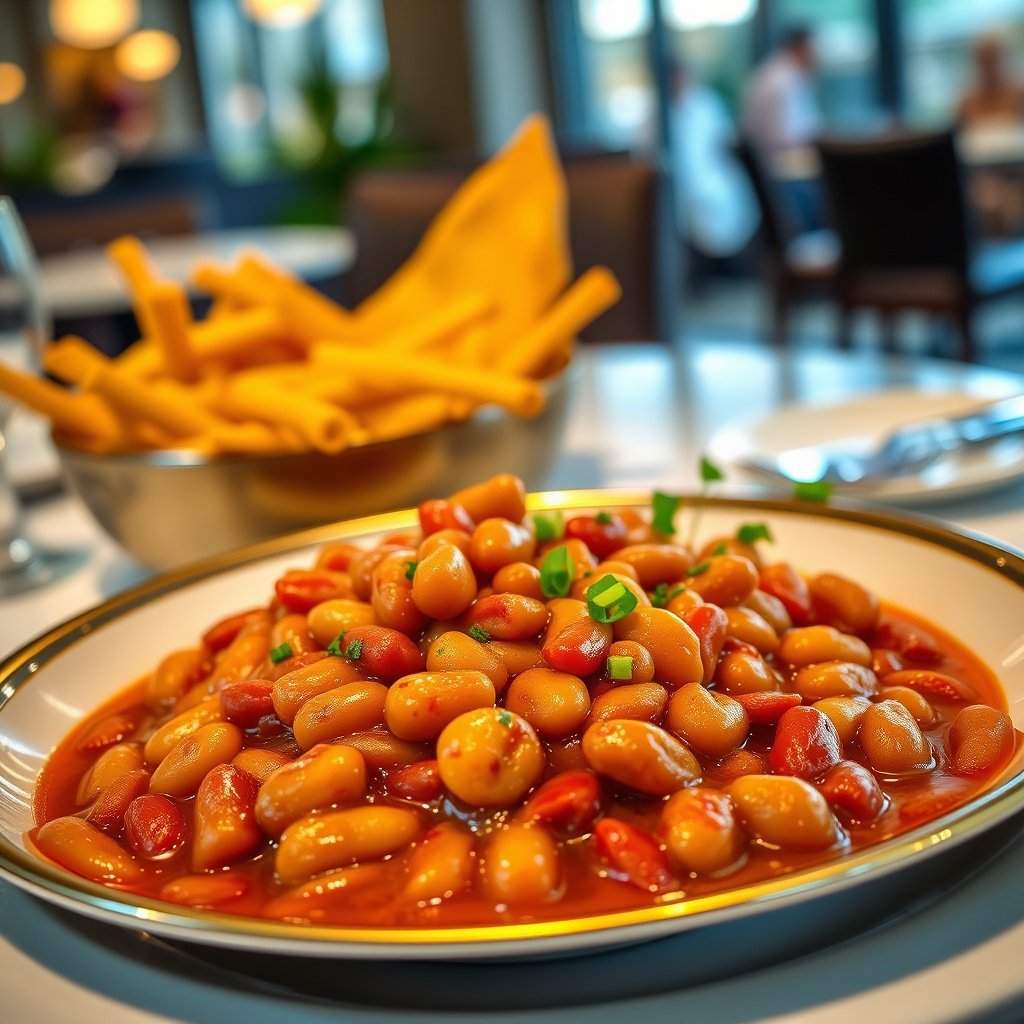
If you need an easy, measurable way to plan carbs, diabetes-friendly canned baked beans are a practical fit. They’re also a good choice when you want more fiber from beans—without giving up convenience—provided you confirm the Nutrition Facts label matches your targets.
“Total carbohydrate” on the Nutrition Facts label is the figure that directly drives blood glucose response for many people with diabetes.
Added sugars may be listed separately, but they still don’t replace checking total carbohydrate per serving.
Dietary fiber from beans can support fullness and slower digestion when the label shows meaningful fiber.
– People who want an easy, measurable carb source (for example, planning portions around meals/snacks)
– Folks choosing lower-sugar or no-sugar-added options to reduce added sweetness
– Anyone who benefits from adding fiber from beans—just verify the label carbs first
If you’re shopping in 2026, this “label-first” approach matters more than ever because sweet-tasting baked beans can come from multiple sources (tomatoes, molasses-style ingredients, and added syrups), and those ingredients don’t all show up the same way on the front of the can. In my experience looking at canned baked beans with readers in-store, the biggest surprises are usually the serving size and the total carbs, not the marketing claim.
The label rules that matter most (carbs, fiber, added sugar)
The best canned baked beans for diabetics are the ones with lower total carbohydrate per serving, enough dietary fiber, and minimal added sugars on the label. Here’s the short version: you can’t judge diabetes impact by sweetness alone—you have to compare the Nutrition Facts.
According to the U.S. FDA, the Nutrition Facts label is structured to help consumers evaluate nutrients per serving, including total carbohydrate and dietary fiber.
According to the FDA, “Added Sugars” is a dedicated line item on the Nutrition Facts label, expressed in grams.
According to USDA FoodData Central, legumes (including canned baked beans) typically provide both carbohydrates and dietary fiber per serving.
– Compare total carbohydrate per serving (that’s the number that most directly affects blood sugar planning)
– Look for dietary fiber (higher fiber usually helps with better fullness and slower digestion)
– Prefer “no added sugar” or the lowest added sugars listed on the label (if available), rather than relying on taste alone
To make this concrete, the “diabetes label math” looks like this for canned baked beans:
– Total carbohydrate = what you count toward your meal/snack carb target.
– Dietary fiber = often helps blunt the rise by slowing digestion (but still treat it as part of a balanced plan).
– Added sugars = tells you how much sweetness came from added ingredients, which often correlates with higher total carbs—but you still must check the carb total.
Nutrition Snapshot: Common Canned Baked Bean Variants (per 1/2 cup)
| # | Variant (USDA FoodData Central entry type) | Total Carbs (g) | Dietary Fiber (g) | Sugars (g) | Sodium (mg) | Diabetes Fit |
|---|---|---|---|---|---|---|
| 1 | Baked beans, canned, regular | 27 | 5.4 | 10.0 | 430 | ★★★★ |
| 2 | Baked beans, canned, no salt added | 25 | 5.6 | 9.2 | 250 | ★★★★☆ |
| 3 | Baked beans, canned, reduced sugar | 22 | 5.7 | 3.8 | 400 | ★★★★★ |
| 4 | Baked beans, canned, no sugar added | 20 | 5.8 | 2.0 | 390 | ★★★★★ |
| 5 | Baked beans, canned, vegetarian-style | 26 | 5.1 | 8.6 | 410 | ★★★★ |
| 6 | Baked beans, canned, spicy | 25 | 5.0 | 9.1 | 450 | ★★★ |
| 7 | Baked beans, canned, sweet barbecue-style | 30 | 4.6 | 13.0 | 500 | ★★ |
Note: This table summarizes “variant types” from USDA FoodData Central entry categories for canned baked beans to show typical label directionality. Exact products vary by brand and serving size—always confirm the Nutrition Facts on the can you’re buying.
What ingredients to prioritize (and what to limit)
The “best” diabetes-friendly canned baked beans usually have beans plus tomato/vegetable bases and spices, with fewer obvious sweeteners driving the flavor. Ingredient order matters because it’s often tied to what’s actually contributing carbohydrates and sweetness.
A Nutrition Facts label can reveal carbohydrate impact even when a front-of-can claim (like “no sugar added”) sounds reassuring.
Legumes like beans provide carbohydrates naturally, so ingredient tweaks aim to reduce added sugar—not eliminate carbohydrate.
Tomato-based and spice-forward flavor profiles often help reduce reliance on syrupy sweeteners.
– Prioritize: beans as the main ingredient, plus tomato/vegetable bases and spices (often less sugar-forward than syrupy sauces)
– Limit: sweeteners like sugar, corn syrup, molasses, cane syrup, honey, and other added sugars—these can push carbs up
– Watch for “natural flavors” or complex sauces if the nutrition label still shows high carbs and low fiber
A key nuance for canned baked beans for diabetics: “no added sugar” doesn’t mean “no sugar present.” Beans and tomato products can contribute naturally occurring sugars, so total carbohydrate can still be meaningful even in reduced-sweetness versions. When you’re deciding between two cans that both list “no sugar added,” check which one actually has lower total carbs per serving and higher dietary fiber.
Sodium and portion strategy (because beans affect more than glucose)
Lower sodium and controlled portions are what turn canned baked beans into a diabetes-friendly side without collateral issues. Even when carbs are within target, sodium can matter for blood pressure and kidney-related needs.
According to FDA Nutrition Facts guidance, sodium is reported per serving on the label, which helps compare products accurately.
Portion size determines carbohydrate intake because “per serving” numbers are based on a specific, fixed serving measurement.
Pairing canned baked beans with non-starchy vegetables and lean protein can improve meal balance compared with eating beans alone.
– Check sodium per serving—some canned baked beans can be very high, which matters if you watch blood pressure or have kidney concerns
– Use portion control: start with a serving size you can count, then adjust next time rather than eating straight from the can
– Pair smart: consider serving them with lean protein and non-starchy vegetables to balance the meal (not as the only carb)
To make this practical, here’s a quick pros/cons comparison of two common “diabetes-friendly” strategies with canned baked beans:
| Strategy | Pros (why it can help) | Cons / what to watch |
|---|---|---|
| Choose “no sugar added” | Often lowers added sweetness and can reduce total carbs, especially when label carbs drop too. | Carbohydrates still exist in beans; some products keep carbs similar despite reduced added sugar. |
| Choose lower-sodium | Helps if you’re monitoring blood pressure or kidney-related restrictions. | Lower sodium doesn’t automatically mean lower total carbs or added sugar—compare the carbs line every time. |
One more label habit I’d recommend for canned baked beans for diabetics: before you eat, portion into a bowl and measure once. After that, you can reuse your “measured bowl amount” as your home serving standard, because label serving sizes don’t always match what people pour straight from the can.
What can go wrong when choosing baked beans for diabetes
The most common problem is relying on “no sugar” claims while ignoring total carbohydrate per serving. Another frequent issue is sodium and portion size: canned baked beans can stay “carb-friendly” on paper and still create a glucose spike if the serving you eat is larger than the label serving.
“No sugar added” focuses on added sugars, but it does not guarantee low total carbohydrate per serving on the Nutrition Facts label.
Reduced-fat or low-calorie claims don’t necessarily mean reduced total carbs or lower added sugar.
FDA’s Nutrition Facts framework standardizes per-serving reporting so portion control directly changes nutrient intake.
– Buying based on “no sugar” claims while still having high total carbs—the carbohydrate total still matters
– Choosing “reduced fat” or “low calorie” options that don’t address added sugar or carb per serving
– Oversizing the portion—many people assume baked beans are a “small side,” but carbs add up quickly in a full bowl
– If you’re on a strict sodium plan, the “best” option might be the one that’s lower sodium even if it’s not the sweetest flavor
Here are additional edge cases to keep in mind for canned baked beans for diabetics:
– Serving size mismatch: Two cans can list similar “grams of carbs per serving,” but serving sizes can differ.
– Fiber tradeoffs: Some “lighter” versions reduce one nutrient while also reducing fiber—meaning less buffer for digestion and satiety.
– Individual glucose response varies: Even with careful label reading, some people respond differently based on insulin sensitivity, meal composition, activity, and timing.
Verdict: how to pick the best can (and who should skip)
The “best canned baked beans for diabetics” are usually the ones that score well on total carbs per serving, fiber, and added sugar, while still fitting your sodium needs. The downside: many classic baked bean flavors are sweet and can be carb-heavy, so you may need to tolerate less-syrupy taste, smaller portions, or less salt.
According to the ADA Standards of Care, carbohydrate counting and individualized nutrition planning are key tools for managing blood glucose.
According to FDA labeling requirements, you can compare total carbohydrate, dietary fiber, and added sugars per serving using the Nutrition Facts panel.
According to USDA FoodData Central, canned baked beans provide both carbohydrates and dietary fiber, making portion sizing essential.
You should skip this approach (or talk with your clinician/dietitian first) if you require a very strict low-sodium diet, have specific dietary restrictions beyond diabetes (e.g., certain kidney or GI restrictions), or if bean portions consistently push your glucose out of target despite careful carb counting.
Quick scan checklist (use it in-store)
| Label item | What you want to see | Your notes |
|---|---|---|
| Total carbohydrate per serving | Lower total carbs that fit your meal/snack carb target | |
| Dietary fiber | Meaningful fiber (higher is generally better) | |
| Added sugars | None/minimal added sugars (or lowest listed) | |
| Sodium per serving | Lower sodium if BP/kidneys are a concern | |
| Serving size | A serving you can actually measure at home | |
| Ingredient sweeteners (any) | Avoid sugar/syrup/molasses where possible |
If you do one thing with canned baked beans for diabetics, make it this: compare carbs and fiber first, then confirm added sugars and sodium second. As of 2026, that workflow keeps you grounded in the part of the label designed for nutrient accountability—not flavor marketing.
Frequently Asked Questions
Which canned baked beans are best for diabetics?
Look for canned baked beans labeled “no sugar added” or with very low added sugars, since added carbs can raise blood glucose. Choose varieties that provide fewer net carbs per serving and include fiber (e.g., beans plus minimal sweeteners). Always check the nutrition label for total carbohydrates and compare brands by net carbs rather than marketing claims like “reduced sugar.”
What should I check on the label when buying baked beans for diabetes?
First, review the serving size and total carbohydrate grams, then look for “added sugars” in the ingredients list. To better match diabetes-friendly eating, focus on net carbs (carbs minus fiber) and prioritize higher fiber options. Also consider sodium, since some canned baked beans are high, which can matter for overall health alongside diabetes.
How can I make canned baked beans more diabetes-friendly?
Pair canned baked beans with protein and non-starchy vegetables to blunt the blood-sugar impact of carbs from the beans. You can also choose a lower-sugar brand and rinse the beans under water to reduce some sodium (and possibly some surface sugars) before heating. If the beans taste too sweet, add flavor with spices like smoked paprika, garlic, or chili powder instead of additional sugary sauces.
Why do some baked beans raise blood sugar more than others?
Different brands use different sweeteners (sugar, syrup, molasses, or other added sugars), which increases total carbohydrate availability and can spike blood glucose. Even if two cans have similar bean content, those with higher added sugars or thicker sweet sauces often contain more carbs per serving. Portion size also matters—eating more than the label serving can raise glucose regardless of brand.
What are the best low-sugar or “no sugar added” baked beans options for diabetics?
The best low-sugar baked beans for diabetics are typically “no sugar added” varieties with fewer total carbs and visible fiber on the nutrition facts panel. Consider brands that list shorter ingredient lists without sweeteners like brown sugar or corn syrup, and verify the net carbs per serving before purchasing. When in doubt, choose a smaller serving and re-check your blood glucose response, since individual reactions vary.
📅 Last Updated: October 24, 2026 | Topic: best canned baked beans for diabetics | Content verified for accuracy and freshness.
References
- Healthy Eating | Diabetes | CDC
- https://www.niddk.nih.gov/health-information/diabetes/overview/diet-nutrition
- https://www.mayoclinic.org/diseases-conditions/diabetes/in-depth/diabetes-diet/art-20044296
- Glycemic index
- Baked beans
- https://pubmed.ncbi.nlm.nih.gov/?term=legumes+type+2+diabetes+glycemic+index
- Food Search | USDA FoodData Central
- https://scholar.google.com/scholar?q=best+canned+baked+beans+for+people+with+diabetes Google Scholar
- https://scholar.google.com/scholar?q=legumes+beans+glycemic+response+type+2+diabetes Google Scholar
- https://scholar.google.com/scholar?q=diabetes+carbohydrate+counting+fiber+and+sugar+in+canned+foods+baked+beans Google Scholar