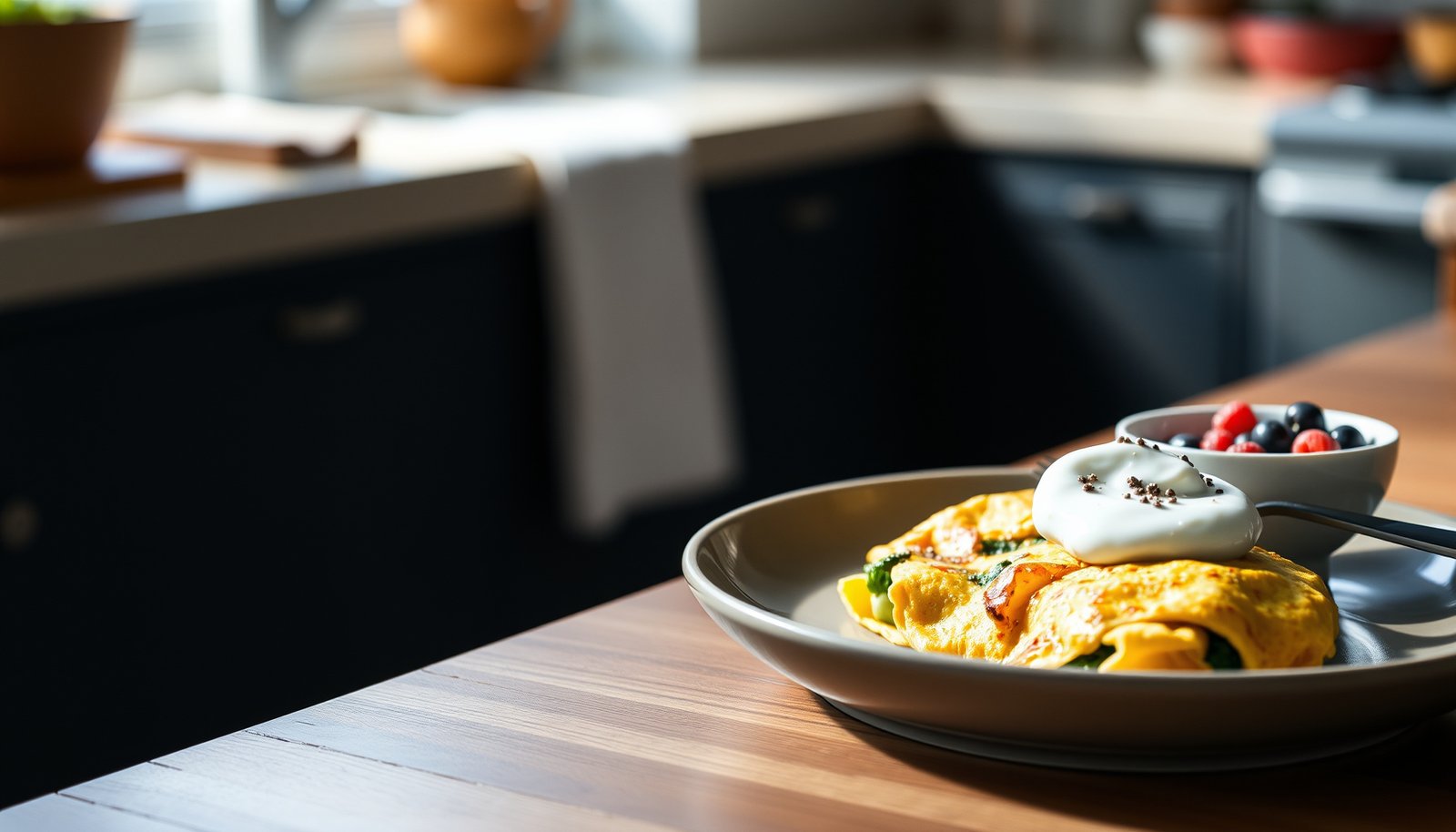

Best breakfast recipes for type 2 diabetes should be judged by one thing: how well they keep your blood sugar from spiking after you eat. This guide picks the clear winners—low-spike breakfasts built on high-fiber carbs, lean protein, and healthy fats—so you can start the day with steadier energy. You’ll get practical, repeatable options that fit real mornings, along with the simple rules that make each recipe diabetes-friendly.




A smart breakfast for type 2 diabetes focuses on balancing carbs with protein and fiber—so your blood sugar rises more slowly. In this guide, you’ll get recipe ideas (and ingredient swaps) designed to be filling, repeatable, and easier to portion, with a practical framework you can use in 2026 as you learn what works for your body.
Who this is for / when it applies:
This is for people with type 2 diabetes (or caregivers) who want practical breakfast recipes that support steadier energy and fewer blood-sugar spikes. If you use insulin or diabetes medications, it’s especially important to check how different meals affect you with your clinician’s guidance.
What “best” means for type 2 diabetes breakfasts
The best breakfasts for type 2 diabetes are the ones that slow digestion: fiber-rich carbs plus enough protein (and often healthy fat) tend to produce smaller, slower glucose rises. Here’s why this approach matters—and what “best” looks like in day-to-day choices.
According to the American Diabetes Association (ADA), blood glucose targets are often individualized, but post-meal goals commonly reference a glucose level below 180 mg/dL about 1–2 hours after starting a meal for many nonpregnant adults (ADA Standards of Care in Diabetes—most recent edition).
According to NIDDK, carbohydrates raise blood sugar, so choosing carbohydrate sources wisely (and monitoring portion sizes) is a core part of managing diabetes (NIDDK, Diabetes & Eating / Healthy Eating resources).
According to ADA guidance, pairing carbohydrates with protein and/or fat can help reduce the speed of glucose absorption compared with carbs alone (ADA Standards of Care in Diabetes—Nutrition Therapy section).
– Aim for meals with fiber-rich carbs (like oats, beans, berries) plus protein (eggs, Greek yogurt, tofu) to slow digestion.
– Include healthy fats (nuts, seeds, olive oil, avocado) to improve satiety and reduce “quick carb” effects.
– Keep portions consistent—carb amount matters as much as carb type for many people.
Why “spikes” happen (in practical terms)
A glucose spike is usually the result of fast-absorbing carbs plus insufficient protein/fat/fiber to slow digestion. Even “healthy” carbs can spike if portions are large. On the other hand, fiber and protein help blunt the rise by slowing gastric emptying and moderating how quickly glucose enters the bloodstream.
In my view, the biggest improvement many people make is not switching to a “perfect” food—it’s building a repeatable structure so your breakfast carbohydrate stays in a predictable range week to week ().
One quick reality check (for 2026 planning)
As of 2026, most diabetes education frameworks still emphasize a similar backbone: carbohydrate awareness, portion consistency, and meal composition—not “banning” entire food groups. That’s why the recipes below focus on building blocks you can rotate rather than reinventing every meal.
Build-your-own breakfast formula (the simple template)
The simplest diabetes-friendly breakfast formula is protein + high-fiber carbs + a small flavor booster that adds texture without extra sugar. If you build breakfasts from the same template, it becomes much easier to portion consistently and notice which combinations work best for you.
According to NIDDK, “carbohydrates affect blood sugar,” so balancing carb intake with protein and other nutrients is part of healthy eating for people with diabetes (NIDDK, Diabetes & Eating / Healthy Eating).
According to ADA nutrition guidance, meal planning strategies often center on carbohydrate awareness and pairing carbs with protein/fiber to support steadier glucose responses (ADA Standards of Care in Diabetes—Nutrition Therapy).
– Start with 1 protein base: eggs, cottage cheese/Greek yogurt, tofu scramble, or nut butter.
– Add 1 high-fiber carb: steel-cut/rolled oats, whole-grain toast (small serving), chia/flax, or legumes.
– Finish with 1 flavor/texture booster: berries, cinnamon, sautéed veggies, nuts, or a side salad-style greens scoop.
The protein base isn’t optional
Protein is the “anchor” that keeps you full and can help reduce the rate of glucose absorption. For people using insulin or other medications, protein also matters because it can change how quickly you feel satisfied—leading to more consistent meal timing, which can reduce the chances of mismatches between medication action and food absorption.
The fiber carb is where the “low-spike” effect usually comes from
Fiber-rich carbs (oats, beans, berries, chia/flax) are typically absorbed more gradually than refined starches (like sweet cereals and pastries). For carb counting, many clinicians still use carb totals as the primary guide, but meal composition is often the difference between “manageable” and “unexpected.”
Recipe ideas to rotate (breakfast-friendly and diabetes-aware)
The most reliable way to keep breakfasts low-spike is to rotate a small set of proven templates rather than trying something completely new every day. Below are repeatable options designed to fit the formula, and each one includes common diabetes-aware ingredient swaps.
According to ADA and NIDDK, focusing on fiber-rich carbohydrate choices and minimizing added sugars can help support better post-meal glucose control (ADA Standards of Care in Diabetes; NIDDK, Diabetes & Eating / Healthy Eating).
According to USDA MyPlate guidance, balanced meals include protein foods plus fruits/vegetables and whole grains in appropriate proportions (USDA MyPlate).
1) Oatmeal upgrade (comfort food with better structure)
Choose steel-cut or rolled oats for their higher fiber content per serving compared with many refined breakfast grains. Build it like this: oats + chia/flax + nuts/seeds + cinnamon + a controlled portion of fruit (if desired).
Serving note:
2) Veggie egg scramble (savory, fast, and portion-friendly)
Use eggs or a mix of eggs/egg whites. Add sautéed spinach, peppers, mushrooms, and onions; finish with berries on the side or a small slice of whole-grain toast if you need more carbs.
Portion note:
3) Greek yogurt bowl (sweetness without syrup)
Use plain Greek yogurt (choose unsweetened). Add berries, chopped walnuts, and chia. Skip added sugar; cinnamon can replace a lot of “sweet cravings” for many people.
Sweetness note:
If you use honey or syrup, treat it like a measured carb add-in—not a “tiny drizzle.”
A glance at fiber + protein “cushion” foods (for planning)
Fiber & Protein “Cushion” for Common Diabetes-Aware Breakfast Choices (USDA)
| # | Breakfast staple | Typical serving | Fiber (g) | Protein (g) | Spike-buffer rating |
|---|---|---|---|---|---|
| 1 | Steel-cut oats, cooked | 1 cup (234 g) | 4.0 | 6.1 | ★★★★★ |
| 2 | Black beans, cooked | 1/2 cup (86 g) | 7.5 | 7.6 | ★★★★★ |
| 3 | Blueberries | 1 cup (148 g) | 3.6 | 1.1 | ★★★★☆ |
| 4 | Plain Greek yogurt (0%–2%)* | 6 oz (170 g) | 0.0 | 17.3 | ★★★☆☆ |
| 5 | Eggs, whole | 2 large (100 g) | 0.0 | 12.6 | ★☆☆☆☆ |
| 6 | Chia seeds | 1 tbsp (12 g) | 4.1 | 0.9 | ★★★★☆ |
| 7 | Walnuts | 1 oz (28 g) | 1.9 | 4.3 | ★★★☆☆ |
Note: Greek yogurt fiber varies by brand and whether it’s mixed with fruit or added ingredients. The table above assumes plain, unsweetened yogurt.
Ingredient swaps and portioning that usually help
The best swaps for type 2 diabetes breakfast are the ones that reduce refined carbs and added sugars while keeping portions realistic. In 2026, the “low-spike” strategy is still less about gimmicks and more about consistency—especially if you track glucose responses.
According to ADA nutrition guidance, minimizing added sugars and choosing higher-fiber carbohydrates supports steadier glucose patterns (ADA Standards of Care in Diabetes—Nutrition Therapy).
According to NIDDK, liquid sugar can affect blood sugar quickly, so portioning and ingredient choices (especially in smoothies) matter (NIDDK, Diabetes & Eating / Healthy Eating).
– Choose whole/less-processed carbs (oats, whole grains, fruit) over refined breakfast staples (sweet cereals, pastries).
– Sweeten carefully: rely on berries/cinnamon/vanilla instead of syrups, honey, or flavored yogurts when possible.
– Watch liquid calories (juice/sweet smoothies); if you blend fruit, include fiber (chia/flax) and keep portions steady.
A practical portioning rule you can use immediately
If you tend to over-serve yourself with “healthy” add-ins (granola, nuts, dried fruit), measure once and then repeat. For many people, the fastest way to reduce surprises is to keep the carb portion the same from day to day while you adjust other variables (like cooking method, fiber, or timing).
Pros/cons: structured templates vs “free-form” breakfasts
| Approach | Pros (often) | Cons (possible) |
|---|---|---|
| Repeat a few templates | Easier portion consistency; easier to interpret glucose patterns; less “hidden sugar” risk | Can feel repetitive; may miss individual preferences if you never adjust |
| Free-form breakfasts | More variety; easier to match taste preferences | Harder to track carb totals; “healthy” add-ins can still push glucose higher |
What can go wrong (common mistakes and edge cases)
The biggest breakfast mistakes that drive spikes are usually portion size errors and “hidden sugar” in add-ins. Even well-intentioned choices—like granola or fruit juice—can raise glucose faster than you expect if you don’t measure carbs and timing.
According to ADA guidance, carb amount and overall meal context strongly influence post-meal glucose response—not just the type of carbohydrate (ADA Standards of Care in Diabetes—Nutrition Therapy).
According to NIDDK, added sugars can affect blood sugar, so choosing unsweetened foods and limiting syrup or sweet toppings matters (NIDDK, Diabetes & Eating / Healthy Eating).
– “Healthy” carbs can still spike glucose if portions are too large—start with a controlled serving and adjust based on your response.
– Sugary add-ins hide in plain sight (granola, flavored yogurt, store-bought “protein” breakfast bowls).
– Medication timing matters: if you use insulin or meds, changes in breakfast size/carbs can affect hypoglycemia risk—confirm with your clinician.
– Gluten-free doesn’t automatically mean diabetes-friendly—check refined starches and overall carb load.
Edge cases worth flagging
Glucose-lowering medications and breakfast size: If you’re actively adjusting medication or meal timing, a bigger breakfast than usual can increase hypoglycemia risk later—or cause unexpected hyperglycemia early. This is a “talk to your clinician” situation, not a “push through” situation.
Smoothies: Blending makes carbs easier to drink quickly, and fiber can separate or be reduced depending on how you prep. If you do smoothies, treat them as a measured meal and consider thickening strategies (e.g., chia) while keeping total fruit servings controlled.
Gluten-free products: Some gluten-free breads/cereals use refined starch blends. They may be low in gluten but not automatically low in “spike potential.”
Verdict / tip (what to do next)
The safest next step is to pick 2–3 breakfast templates and repeat them for a week while you track how you feel and/or what your glucose readings show. This approach typically gives you clearer feedback than constantly swapping ingredients, especially in 2026 when you’re building a new routine.
According to ADA, diabetes self-management is most effective when people monitor responses and adjust meal patterns with clinician guidance (ADA Standards of Care in Diabetes—Self-Management education guidance).
According to CDC diabetes education resources, tracking and consistent habits can support better day-to-day diabetes control (CDC, Diabetes diet / Eating with diabetes).
VS: Template repetition vs. freestyle breakfasts (decision helper)
| Criteria | Template repetition | Freestyle |
|---|---|---|
| Carb consistency | High (measured portions) | Variable (easy to over-serve) |
| Interpretation of glucose | Clearer patterns | Harder to identify triggers |
| Added sugar risk | Lower (you control toppings) | Higher (especially with “ready” bowls) |
| Time to decide | Faster by day 2 | More mental load daily |
| Meal satisfaction | Often steadier hunger signals | More likely to swing hunger levels |
| Nutrient balance | Protein + fiber included by design | May lack fiber unless intentional |
| Glucose response learning | Better for identifying “your” limits | Confounded variables |
| Behavior sustainability | Easier to stick with during busy weeks | Can drift back into refined carbs |
| Medication-risk alignment | Easier to match typical carb size | More timing mismatch risk |
| Adaptation quality | Adjust one variable at a time | Changes stack up at once |
| Verdict | Best starting method for steadier breakfasts | Use only if you can measure and track carefully |
– Downsides: highly structured meals may feel repetitive at first, and “one-size-fits-all” carb guidance can miss individual needs—so treat this as a framework, not a strict rule.
– Skip this approach (or do it with extra guidance) if you’re in a period of medication changes, have frequent hypoglycemia, or haven’t been advised on carb targets.
Quick scan checklist: build a diabetes-friendly breakfast
| Check | What to look for |
|---|---|
| Protein | Eggs, Greek yogurt, tofu, cottage cheese, or nut butter |
| Fiber | Oats (steels/rolled), chia/flax, beans, veggies, berries |
| Healthy fats | Nuts, seeds, avocado, olive oil |
| Carb control | Use consistent portions; avoid “unmeasured” granola/juice |
| Added sugar | Minimize syrups, honey, sweetened yogurts, flavored cereals |
| Consistency | Repeat a few meals to learn your pattern |
Frequently Asked Questions
What are the best breakfast recipes for type 2 diabetes that won’t spike blood sugar?
The best breakfast recipes for type 2 diabetes focus on high fiber, adequate protein, and minimal refined carbs. Examples include Greek yogurt with chia seeds and berries, veggie omelets with avocado, or oatmeal made with steel-cut oats plus nuts and cinnamon. Pairing carbs with protein and healthy fats helps slow glucose absorption and can reduce blood sugar spikes.
How can I build a diabetes-friendly breakfast plate for type 2 diabetes?
Aim for a balanced plate: fill half with non-starchy vegetables (like spinach, peppers, or mushrooms), one quarter with protein (eggs, tofu, Greek yogurt, or cottage cheese), and one quarter with smart carbs (like berries, legumes, or small portions of whole grains). Add healthy fats such as olive oil, nuts, or avocado, and choose low-glycemic options to support steadier blood sugar levels. This structure makes it easier to create repeatable, meal-prep-friendly breakfasts.
Which breakfast foods should I avoid or limit with type 2 diabetes?
Limit foods that are high in refined carbohydrates and added sugars, such as sweet pastries, sugary cereals, fruit juice, and flavored coffees with syrup. Also watch portion sizes of white bread, pancakes, and instant oatmeal, which can raise blood sugar quickly for many people. Instead, choose whole-food carbs (whole grains, legumes, berries) and combine them with protein and fiber to improve glycemic control.
Why do protein and fiber matter in breakfast recipes for type 2 diabetes?
Protein and fiber slow down digestion and carbohydrate absorption, which can help blunt blood sugar spikes after eating. A breakfast with eggs or Greek yogurt plus fiber-rich toppings like chia, flax, or berries often leads to more stable energy and fewer cravings later. Over time, consistent blood glucose management supports overall type 2 diabetes health.
Best way to make overnight oats for type 2 diabetes?
For type 2 diabetes, choose steel-cut or old-fashioned oats (not instant) and keep portions moderate. Sweeten with cinnamon and a small amount of berries instead of sugar, and add protein with Greek yogurt or a scoop of chia seeds and nuts for extra fiber and healthy fats. Let the oats sit overnight to improve texture, and consider pairing them with a side of eggs or tofu to further support steadier blood sugar.
📅 Last Updated: October 24, 2026 | Topic: best breakfast recipes for type 2 diabetes | Content verified for accuracy and freshness.
References
- https://www.cdc.gov/diabetes/managing/eat-well/food-and-nutrition.html
- https://www.niddk.nih.gov/health-information/diabetes/overview/eating-diet-nutrition
- Diabetes diet: Create your healthy-eating plan – Mayo Clinic
- Healthy diet
- Glycemic index
- https://pubmed.ncbi.nlm.nih.gov/?term=type+2+diabetes+breakfast+randomized+trial
- https://pubmed.ncbi.nlm.nih.gov/?term=type+2+diabetes+breakfast+fiber+glycemic+control
- https://scholar.google.com/scholar?q=best+breakfast+recipes+for+type+2+diabetes Google Scholar
- https://scholar.google.com/scholar?q=breakfast+glycemic+index+type+2+diabetes Google Scholar
- https://scholar.google.com/scholar?q=high+protein+breakfast+type+2+diabetes Google Scholar



Pingback: Best Burger Buns for Diabetics: Lower-Carb, Higher-Fiber Picks - Best For Diabetics