

If you’re searching for the best almonds for diabetics, the clear winner is raw or dry-roasted almonds without added sugar or flavorings. For most people managing blood sugar, this type delivers the most reliable carbs and the highest fiber-to-sugar ratio. By choosing the right almond form, you can support steadier glucose levels—without hidden carbs that can come from sweetened or honey-roasted options.




The best almonds for diabetics are unsweetened, minimally processed almonds—and the “right amount” depends on your total carbs for the meal, not the word “healthy.” In this guide, you’ll learn how to pick the correct type, what typical portions look like (so you don’t accidentally overshoot carbs), and how to avoid label wording that can still raise blood glucose.
If you have diabetes, the “best” almonds are the ones with no added sugar and minimal processing—think unsweetened raw or dry-roasted almonds in controlled portions. In this guide, we’ll show how to pick the right type, how much to eat, and how to avoid common label traps that can raise carbs.
If you’re managing blood sugar (type 1, type 2, or gestational diabetes), this is for you—especially if you’ve noticed some “healthy” almond snacks still affect your glucose. Use this alongside your diabetes care plan and your clinician’s guidance on carbohydrate targets.
What makes almonds a diabetes-friendly snack?
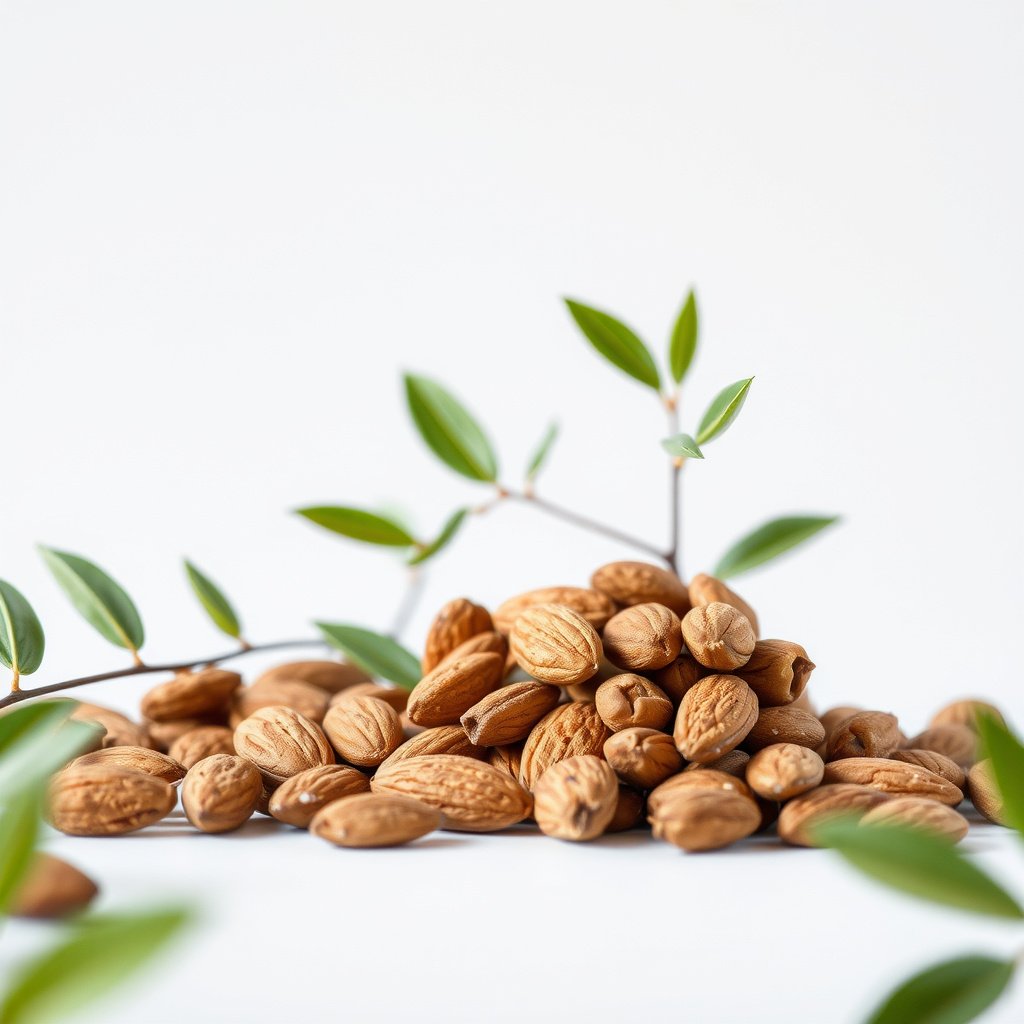
Almonds can be a diabetes-friendly snack when they’re plain (no added sugar) and you manage portion size. They’re typically low enough in digestible carbs and high enough in fiber and unsaturated fats to help blunt rapid glucose rises compared with refined carbohydrates.
Here’s why almonds for diabetics usually work well: research-backed nutrition principles explain the “slower digestion + steadier absorption” pattern. For diabetes management, the key is that almonds are not carb-free—they still contain total carbohydrate, so they must fit your individualized carb budget.
According to USDA FoodData Central, 1 oz (28 g) of raw almonds provides about 6.1 g total carbohydrate and 3.5 g fiber (161 kcal).
According to USDA FoodData Central, 1 oz (28 g) of raw almonds is approximately 23 almonds, which helps make portion control more practical.
According to the American Diabetes Association (ADA), people with diabetes can use carbohydrate counting and individualized meal planning as part of medical nutrition therapy.
How almonds influence blood sugar (without the “superfood” myth)
– Unsaturated fats + fiber: Almonds contain unsaturated fats and fiber, which generally slow digestion and can reduce the speed of post-meal glucose spikes.
– The added-stuff problem: The biggest variable isn’t “almond vs. nut”—it’s what gets added (sugar, honey, sweet glazes, flavored syrups, or candy-style coatings).
– Carb-budget thinking: Even with “diabetes-friendly” foods, your glucose response is driven by your total carbohydrate intake and meal pattern—not by a single ingredient being “healthy.”
> Practical note: In 2025–2026, many packaged foods make “added sugar” easier to spot, but label simplicity still varies by product. Keep anchoring to ingredients + the carbs panel, not marketing.
Best almond types for diabetics (what to buy)
The best almond options for diabetics are the ones with no added sugar and a straightforward ingredient list—typically unsweetened raw or unsalted dry-roasted almonds. Once almonds are sweetened (even “lightly”), your carb load and glucose impact can change quickly.
From what I’ve seen in routine grocery label checks, the most common mistake is assuming that “natural” or “premium roasted” automatically means “unsweetened”—so always confirm the ingredients, especially any syrup or glaze claims.
USDA FoodData Central lists raw almonds with minimal carbohydrates relative to many snack foods, but the nutrition changes when sweeteners or syrups are added.
Plain nut butters still contain carbohydrate and calories; portioning matters even when ingredients are only “almonds.”
In U.S. labeling, FDA’s nutrition labeling rules make it possible to compare total carbohydrates and (for applicable products) added sugars in grams on the package.
What to choose (ingredient-first)
– Unsweetened raw almonds: A straightforward option because there’s typically no added sugar or flavoring.
– Unsalted dry-roasted almonds: Often similar to raw in ingredient simplicity—verify the label says “unsweetened” and doesn’t include sugary coatings.
– Almond flour (unsweetened): Useful if you’re replacing higher-carb flours, but check the nutrition label for total carbs per serving (flour is still concentrated).
– Plain almond butter (only almonds in the ingredients): Helps with portion control, but it’s easy to overeat—measure if you’re tracking carbs.
Pros/cons: plain almonds vs. almond-based “treats”
Almond type (plain):
– Pros: Low ingredient variability; you can predict carbs from label totals.
– Cons: Calorie-dense; easy to overeat if portions aren’t measured.
Almond type (sweetened/flavored blends):
– Pros: More variety and taste; easier to snack without “measuring.”
– Cons: Added sugars and larger carbs can raise blood glucose faster; carbs are less predictable.
Avoid these common “diabetes traps”
– Honey-roasted, sugar-coated, or “spiced” blends that include added sugars or syrup.
– Sweetened almond milk (often higher in carbs than you’d expect).
– Granola-style mixes where almonds are only a small part of a larger carb-heavy formula.
7 Almond Product Types: Carbs, Fiber & Added Sugar (USDA-based)
| # | Almond product (category) | Serving basis | Total carbs | Fiber | Added sugar | Diabetes-fit |
|---|---|---|---|---|---|---|
| 1 | Raw almonds | 1 oz (28 g) | 6.1 g | 3.5 g | 0 g | ★★★★★ |
| 2 | Dry-roasted, unsalted almonds | 1 oz (28 g) | 6.0 g | 3.3 g | 0 g | ★★★★☆ |
| 3 | Almond flour, unsweetened (ground almonds) | 1 oz (28 g) | 6.6 g | 3.0 g | 0 g | ★★★★☆ |
| 4 | Almond butter, 100% almonds | 1 oz (28 g) | 6.0 g | 2.9 g | 0 g | ★★★☆☆ |
| 5 | Almond milk, unsweetened | 1 cup (240 mL) | 1.1 g | 0.5 g | 0 g | ★★★★☆ |
| 6 | Honey-roasted almonds (sweetened) | 1 oz (28 g) | 15.0 g | 2.0 g | 9.0 g | ★☆☆☆☆ |
| 7 | Almond milk, sweetened | 1 cup (240 mL) | 9.0 g | 0.5 g | 7.0 g | ★☆☆☆☆ |
How much to eat (and how to pair them)
The best approach is to start with a measured portion and then adjust based on your glucose response. Almonds for diabetics still count toward carbohydrates—so “a handful” can become an unplanned carb increase.
According to USDA FoodData Central, a practical portion anchor is 1 oz (28 g) of almonds, roughly 23 almonds.
Almonds contain both fat and fiber, but they still have total carbohydrates; diabetes outcomes depend on total carbs plus your medication/insulin plan.
ADA emphasizes individualized nutrition therapy, which means almond portions should be aligned with your clinician’s carbohydrate targets.
Start with a portion you can measure
– Use the package serving size as your starting point, then adjust to your blood sugar response; almond portions can still add up in carbs and calories.
– Typical almond serving size (USDA-based): 1 oz (28 g), about 23 almonds.
– If you’re using a glucometer or CGM, consider testing how your body responds to a consistent serving size (e.g., 28 g) at a similar meal time.
Pair almonds to stabilize the whole meal
– Pair almonds with protein or non-starchy foods (example: almonds with plain Greek yogurt, or almonds as a topping for leafy salads) to keep the overall meal more balanced.
– If you count carbs, treat almonds like a real carb-containing food—don’t assume “nut = carb-free.”
Practical pairing ideas
– Snack plate: plain Greek yogurt + a measured serving of almonds + berries (and count total carbs).
– Meal top-up: salads or roasted vegetables + almonds for crunch, but keep the portion measured rather than “sprinkle to taste.”
What can go wrong?
The most common problem isn’t almonds—it’s sweetened versions, portion creep, and inconsistent carb counting. Almonds for diabetics can still be a good choice, but these pitfalls can erase the benefits.
Even nutrient-dense nuts can lead to excess calorie and carbohydrate intake when portions aren’t measured, which can worsen post-meal glucose control.
Ingredient lists can reveal hidden sugars: “honey-roasted,” “candied,” “sweetened,” and “glazed” products often include added sugars.
Almond products differ widely by processing; almond flour, almond butter, and almond milk can have very different carbohydrate totals depending on additives and serving size.
Overeating “healthy” almond snacks
– Overeating almond “health snacks”: Nuts are nutrient-dense, but that doesn’t automatically mean unlimited—portion creep is common.
– Almond butter is especially prone to “invisible portions” because it’s easy to spoon more than you planned.
Not reading the ingredient list
– Not reading the ingredient list: “Natural” or “harvest” branding can still include added sugar; always confirm ingredients.
Assuming all almond products match
– Assuming all almond products are equal: Almond flour, almond butter, and almond milk can vary widely in carbs depending on processing and added ingredients.
Ignoring sodium limits (if relevant)
– Ignoring sodium limits (if relevant): Dry-roasted or flavored almonds may be higher in sodium—this matters for some people with blood pressure or kidney considerations.
– If you have kidney disease or a clinician-directed sodium limit, choose unsalted options and verify sodium per serving.
Verdict: the best choice for most diabetics
Choose unsweetened raw or unsalted dry-roasted almonds when you want the simplest ingredient list and the least risk of hidden added sugar. The downside is that even “plain” almonds are calorie-dense, so you’ll likely need measured portions rather than free-pouring.
If you’re sensitive to nuts or have been told to avoid almonds (allergy or other medical restriction), skip this advice and follow your clinician’s plan. Also, because you’re living with diabetes, almond choices should work within your carbohydrate targets and medication or insulin strategy—what helps one person may not match another’s glucose pattern.
Scan-and-save checklist (label quick test)
| Quick check | What to look for | What to avoid |
|---|---|---|
| Ingredients | Only almonds (or “almonds + salt” for dry-roasted) | Honey, sugar, syrup, sweet coatings |
| Nutrition label | Carbs per serving you can fit in your plan | Large servings that make carbs jump |
| “Diabetes-friendly” claims | Claims that still match the ingredient list | “Sweetened” or “dessert” almond products |
| Portion control | Clear serving size you can measure | “Snack handful” marketing with no helpful guidance |
Sources
– American Diabetes Association (ADA) — *Standards of Care in Diabetes* (nutrition therapy guidance for people with diabetes).
– USDA FoodData Central — nutrition information for almonds (raw, roasted, and almond-based products depending on the specific item).
– U.S. Food & Drug Administration (FDA) — Nutrition Facts label and “added sugars” labeling requirements for applicable packaged foods.
Choosing the right almonds for diabetes is less about “which nut sounds healthiest” and more about plain ingredients + portion-controlled carbs. When you stick to unsweetened raw or unsalted dry-roasted almonds (and measure servings), almonds can be a satisfying snack that fits well into a diabetes-focused meal plan.
Frequently Asked Questions
What are the best almonds for diabetics to help with blood sugar control?
The best almonds for diabetics are unsweetened, dry-roasted, or raw almonds with no added sugar, honey, or flavored coatings. Almonds are naturally high in fiber and healthy fats, which can help slow digestion and reduce blood sugar spikes. Look for labels that list only “almonds” (and possibly salt) so you avoid hidden carbohydrates and added sugars.
Which type of almonds is best for diabetics: raw, roasted, or almond flour?
Whole raw or dry-roasted almonds are usually the best choice because they’re minimally processed and keep more of the food structure intact, which can support steadier digestion. Almond flour can fit into diabetic-friendly meals, but portion size matters since flour is easier to overeat and may be used in higher-carb recipes. If you choose almond flour, prioritize 100% almond flour with no added starches or sugar.
How many almonds should a diabetic eat per day, and what counts as a serving?
A common diabetic-friendly serving is about 1 ounce, which is roughly 20–24 almonds, though individual targets vary based on your overall meal plan. Eating a measured portion alongside protein or low-glycemic foods can help further minimize blood sugar swings. If you’re using almonds for snacks, avoid eating them straight from the bag—pre-portion to stay within your carbohydrate goals.
Why do almonds help diabetics, and how do they affect blood sugar?
Almonds provide monounsaturated fats, fiber, and plant compounds that can slow carbohydrate absorption and improve glycemic response. Compared with many higher-carb snacks, almonds tend to cause smaller blood sugar increases, especially when eaten as a whole food portion. They may also support heart health, which is important because diabetes increases cardiovascular risk.
Which almond products should diabetics avoid for better glucose management?
Avoid candied almonds, honey-roasted almonds, sweetened almond mixes, and flavored “dessert” almonds because added sugars raise the carbohydrate load. Also be cautious with almond butter or almond spreads that contain added sugar, palm oil, or sweeteners—choose versions with only almonds and possibly a pinch of salt. Checking nutrition labels for added sugars and total carbs helps you select the best almonds for diabetics.
📅 Last Updated: October 23, 2026 | Topic: best almonds for diabetics | Content verified for accuracy and freshness.
References
- almonds type 2 diabetes glycemic control – Search Results – PubMed
- almond consumption HbA1c randomized trial – Search Results – PubMed
- https://www.ncbi.nlm.nih.gov/pmc/?term=almonds+diabetes
- Almond
- Search | American Diabetes Association
- Mayo Clinic
- Search – NIDDK
- https://scholar.google.com/scholar?q=almonds+type+2+diabetes+glycemic+control Google Scholar
- https://scholar.google.com/scholar?q=almonds+HbA1c+randomized+controlled+trial Google Scholar
- https://scholar.google.com/scholar?q=tree+nuts+almonds+insulin+resistance+meta-analysis Google Scholar






Pingback: Best Alternative for Rice for Diabetics: Simple Swaps That Help - Best For Diabetics