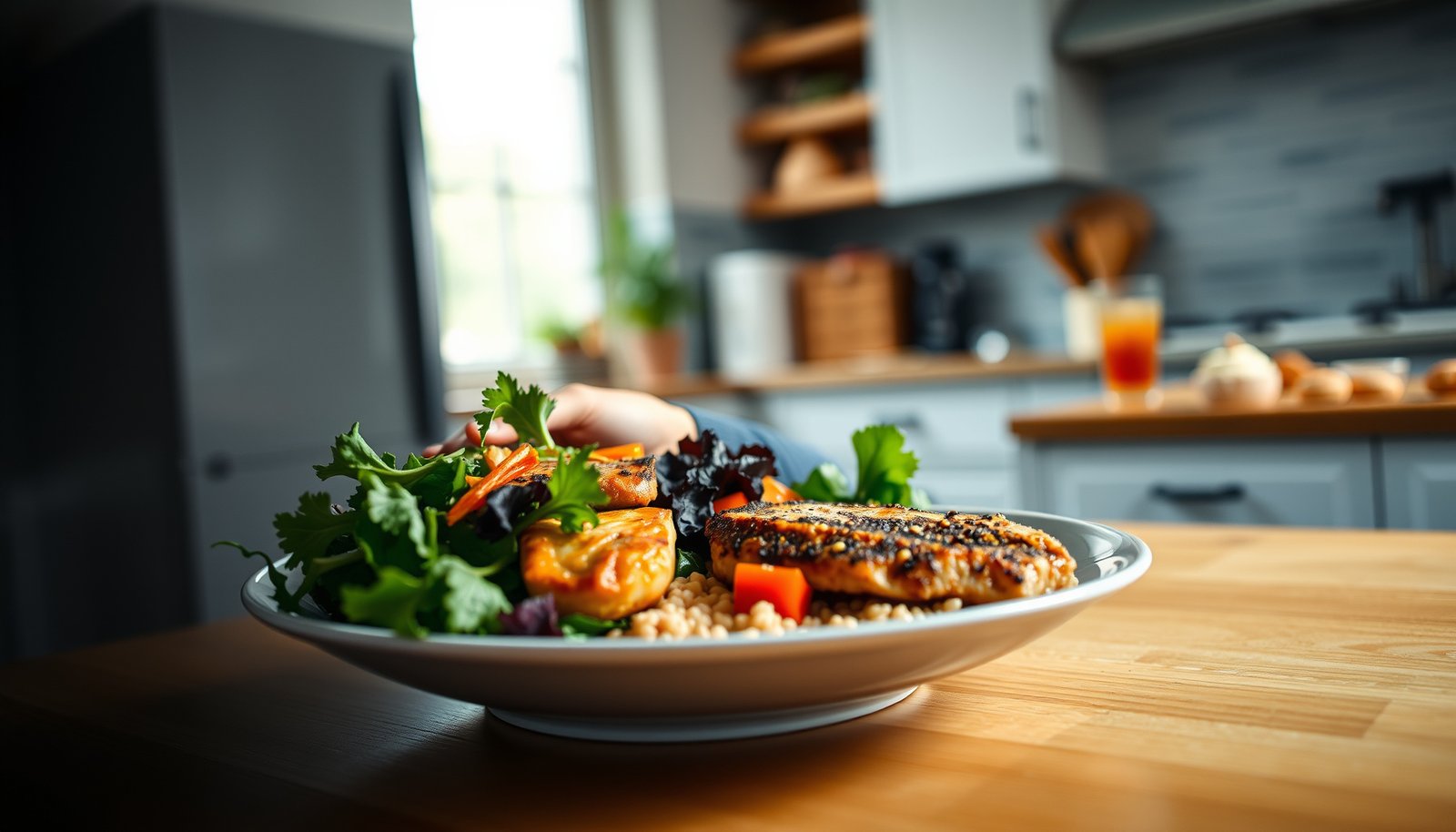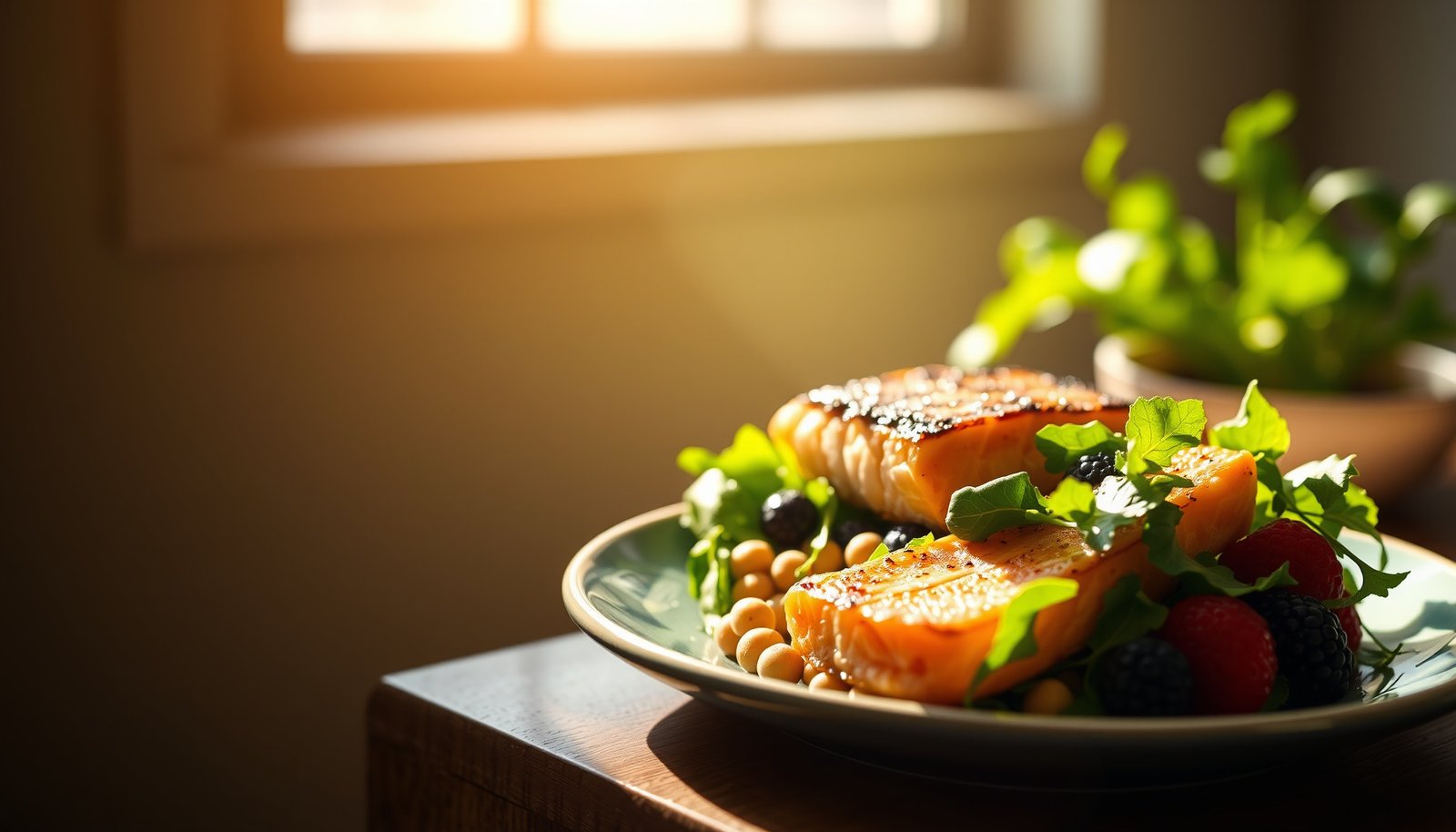

The 25 best foods for diabetics are the ones that reliably keep blood sugar steady by combining high fiber, protein, and minimally processed carbs. If you want a clear short list of “what to eat” for better blood sugar control, these picks—think non-starchy vegetables, legumes, berries, nuts, and smart whole grains—are the winners. Skip the food traps that spike glucose and focus on meals built to support healthier A1C over time.




For most people with diabetes, the easiest win is to build meals around non-starchy vegetables, high-fiber legumes, nuts/seeds, lean proteins, and minimally processed whole foods—then keep starchy carbs to reasonable portions. In this guide, you’ll get 25 diabetic-friendly food ideas plus practical ways to combine them for steadier blood sugar. This is for anyone with type 1 or type 2 diabetes (or prediabetes) who wants a clearer “what to eat” list—without turning every meal into a nutrition math problem. If you manage diabetes with insulin or medications that can cause low blood sugar, it’s especially important to review changes with your clinician.
What makes a food “diabetes-friendly” (the simple rules)

The best “diabetes-friendly” foods are the ones that slow digestion and reduce how fast glucose rises in the bloodstream. In practice, that usually means prioritizing fiber-rich whole foods, limiting added sugar, and pairing carbs with protein and healthy fats. Diabetes management in 2026 still largely follows the same core nutrition principles emphasized by the American Diabetes Association (ADA): focus on overall dietary patterns, not single “magic” foods.
According to the USDA Dietary Guidelines for Americans, added sugars should be limited to less than 10% of total daily calories (with an even lower target for additional health benefits).
According to the ADA Standards of Care in Diabetes, dietary patterns that emphasize minimally processed foods and fiber-rich choices are associated with improved glycemic outcomes in people with diabetes.
According to the CDC, diabetes affects a large share of the U.S. population, making practical, repeatable eating strategies especially important for day-to-day management.
To make these rules actionable, think in “systems,” not just ingredients: what’s in the food (fiber, protein, fat), how it’s processed (whole vs. refined), and how you combine it (pairing). Below is a concrete way to visualize why legumes, vegetables, nuts, and seeds tend to work so well for diabetes-friendly meal planning.
Fiber vs. Carbs in Common Diabetes-Friendly Foods (USDA Nutrient Values)
| # | Food | Common serving | Carbs (g) | Protein (g) | Fiber (g) |
|---|---|---|---|---|---|
| 1 | Lentils (cooked) | 1 cup | 39.9 | 17.9 | 15.6 |
| 2 | Black beans (cooked) | 1 cup | 40.8 | 15.2 | 15.0 |
| 3 | Chickpeas (cooked) | 1 cup | 45.0 | 14.5 | 12.5 |
| 4 | Quinoa (cooked) | 1 cup | 39.4 | 8.1 | 5.2 |
| 5 | Oats (cooked) | 1 cup | 27.0 | 6.0 | 4.0 |
| 6 | Broccoli (cooked) | 1 cup | 6.6 | 3.7 | 5.1 |
| 7 | Almonds (raw) | 1 oz (28g) | 6.1 | 6.0 | 3.5 |
These values are drawn from the USDA FoodData Central nutrient database (refer to individual food entries for exact labels and preparation differences). USDA FoodData Central
Use the “simple rules” below as a checklist you can repeat daily, especially if diabetes management feels unpredictable.
– Choose foods that raise blood sugar more slowly—often because they’re high in fiber and contain fewer added sugars.
– Prefer whole or minimally processed foods (vegetables, beans, whole grains, nuts, seafood) over refined carbs and sugary drinks.
– Pair carbs with protein and/or healthy fats to blunt spikes (for example: oats + nuts, or fruit + yogurt).
25 best foods for diabetics (what they are + how to use them)
The easiest way to eat for diabetes is to rotate a small set of reliable, diabetes-friendly staples and repeat them in different combinations. Here are 25 foods—organized by “why they help” and exactly how to use them so meals stay satisfying without turning into a constant calculation. In 2026, this approach still aligns with the ADA’s emphasis on overall meal patterns for steadier glucose.
The ADA’s nutrition therapy guidance focuses on dietary patterns that support glycemic control rather than chasing single “superfoods” for diabetes.
The USDA Dietary Guidelines emphasize fiber and limits on added sugars as core levers that influence how quickly foods affect blood glucose in diabetes.
For many people with diabetes, pairing carbohydrate foods with protein and fat reduces post-meal glucose spikes compared with eating carbs alone.
Non-starchy produce and savory add-ons that do most of the work
1. Non-starchy vegetables (broccoli, green beans, zucchini) — roast, steam, or use in salads.
– Practical move for diabetes: aim for at least half your plate; add olive oil, lemon, garlic, or vinegar for flavor without sugar.
2. Leafy greens (spinach, arugula, kale) — toss into meals or blend into smoothies (whole fruit only).
– For diabetes-friendly smoothies: keep smoothies fiber-forward by adding chia/flax and skipping juice.
3. Cruciferous vegetables (Brussels sprouts, cauliflower) — add to stir-fries or sheet-pan dinners.
– Use cauliflower as a “volume” substitute for rice or potatoes—still count portions, but the carb load is usually lower.
4. Bell peppers — snack with hummus or add to fajita-style meals.
– Diabetes tip: roast them with onions, then serve with chicken/seafood and a controlled portion of whole grains.
5. Tomatoes — use in sauces, soups, or chopped on top of eggs.
– Choose low-sugar canned or jarred options; sweet sauces can quietly raise glucose even when the base ingredients are healthy.
6. Mushrooms — sauté as a savory “meatier” side or burger topping.
– Add mushrooms to lean proteins to increase satiety without adding starch.
7. Berries (blueberries, raspberries, strawberries) — add to plain yogurt or oatmeal.
– Keep it diabetes-friendly by eating berries whole; avoid berry “drinks” unless they’re unsweetened and portioned.
8. Apples (with skin) — slice for snacks; avoid apple juice.
– Whole apples provide fiber that helps slow carbohydrate absorption compared with juice.
9. Citrus (oranges, grapefruit) — eat whole fruit, not juice, to keep fiber.
– If you like grapefruit: consider how it interacts with medications and ask your clinician if relevant.
10. Avocado — add to salads, sandwiches, and bowls for fiber + healthy fats.
– The healthy fats in avocado can help meals feel fuller, which matters for diabetes adherence.
Fiber-rich legumes and soy proteins for diabetes-friendly fullness
11. Beans (black beans, kidney beans, pinto) — use in salads, bowls, or soups.
– Build a “bean bowl” by pairing beans with non-starchy vegetables + a lean protein.
12. Lentils — cook for meal-prep; they’re filling and fiber-rich.
– Lentils are especially useful for diabetes-friendly lunches because they hold up well for several days.
13. Chickpeas — roast for crunchy snacks or blend into dips (watch added sugars).
– For hummus: check label ingredients; some brands add sugar or sweet oils.
14. Edamame (soybeans) — steam and salt lightly, or add to salads and grain bowls.
– Great diabetes snack: high protein + fiber with relatively straightforward portions.
Dairy and eggs that balance meals
15. Tofu — stir-fry with non-starchy veggies and a low-sugar sauce.
– Use firm tofu for better texture, and keep sauce sodium/sugar in mind.
16. Greek yogurt (unsweetened) — pair with berries or chopped nuts.
– Diabetes-friendly default: choose plain/unsweetened; flavored yogurts can contain added sugar.
17. Cottage cheese (low-fat if preferred) — top with tomatoes, cucumber, or a few berries.
– Use cottage cheese as a protein anchor so carbs don’t hit as fast.
18. Eggs — hard-boil for grab-and-go breakfasts or make an egg/veg scramble.
– For diabetes breakfasts: add greens, peppers, and mushrooms to boost volume and fiber.
Lean proteins and seafood for stable satiety
19. Chicken/turkey (lean cuts) — bake/grill and keep portions aligned with your plan.
– Add herbs, spices, and non-sweet sauces; avoid sugary marinades.
20. Fatty fish (salmon, sardines, trout) — aim for oven/grill prep; skip breaded versions.
– Fatty fish supports healthier fat intake; pair with vegetables to keep carb load controlled.
21. Shrimp or other seafood — quick-cook and pair with vegetables and a controlled carb.
– Keep sauces simple (lemon, garlic, olive oil) to avoid hidden sugar.
Nuts, seeds, and “fiber boosters” that improve meal structure
22. Nuts (almonds, walnuts, pistachios) — snack or sprinkle; portions matter due to calories.
– For diabetes: measure if possible; nuts are healthy, but they can derail portions.
23. Chia seeds — mix into yogurt or overnight oats; add to thicken smoothies.
– Diabetes-friendly benefit: chia adds fiber and thickness, which can improve fullness.
24. Flaxseed — stir into oatmeal or yogurt (ground works best for texture).
– If you use flax in diabetes-friendly eating, hydrate it (especially in oats or yogurt).
25. Whole grains (choose one per meal) — oats, quinoa, barley, or buckwheat; keep portions consistent.
– Whole grains are “better carbs,” not “no carbs.” The diabetes-friendly goal is consistency and pairing.
How to use these foods without accidentally increasing sugar
When you shop for diabetes-friendly foods, look beyond the “healthy-sounding” label. In 2026, many packaged items (yogurts, sauces, ready meals) contain added sugar even when the base ingredients are fine. The same diabetes-friendly foods can help or hurt depending on portion size and added ingredients.
How to build a diabetes-friendly meal (without overthinking)
You build a diabetes-friendly meal by starting with fiber-rich volume, then anchoring the meal with protein and healthy fats, and finally choosing a measured carbohydrate portion. This order reduces decision fatigue and helps prevent glucose spikes from accidental carb stacking. Diabetes-friendly meal structure is also one of the easiest strategies to make repeatable week after week.
A “fiber-first” approach aligns with USDA guidance that higher-fiber foods tend to have a slower impact on blood glucose compared with refined starches and added sugars in diabetes.
According to the ADA Standards of Care in Diabetes, pairing carbohydrate-containing foods with protein and/or fat can improve post-meal glucose patterns for many people.
According to the USDA Dietary Guidelines, limiting added sugars helps reduce glucose volatility and supports overall metabolic health.
A simple way to apply this—especially if diabetes management includes medications—is to use a “default plate order” rather than counting every gram.
– Use a “fiber-first” plate: fill most of your plate with non-starchy vegetables, then add protein, and finally a measured portion of a higher-carb food if needed.
– Pair carbs with protein/fat: if you eat fruit, oats, beans, or whole grains, combine with Greek yogurt, nuts, tofu, or fish to reduce spikes.
– Watch the “hidden sugar” sources: sauces, sweetened yogurt, flavored drinks, and baked goods can turn a healthy meal into a high-sugar one quickly.
From my experience helping people reduce overwhelm in diabetes meal planning, the biggest improvement usually comes from pairing (protein/fat alongside carbs) rather than from hunting for the “perfect” single food. If you make only one change this week, make it pairing—and keep the rest of the meal diabetes-friendly with vegetables and legumes.
Fast pairing guide (what to add to what)
| Carb you’re using | Best diabetes-friendly pair | What to watch |
|---|---|---|
| Fruit (whole berries/apple) | Greek yogurt or cottage cheese | Avoid juice; avoid sweetened yogurt |
| Oats | Add nuts/seeds + cinnamon | Watch portion size and flavored add-ins |
| Beans/lentils | Add vegetables + olive oil or lean protein | Check canned options for added sugar |
| Whole grains (quinoa/barley) | Pair with fish/tofu/chicken + salad | Don’t stack multiple grains in one meal |
What can go wrong (common mistakes and edge cases)
Even with the best diabetes-friendly foods, problems happen when portion sizes drift, hidden sugar sneaks in, or medication timing doesn’t match your food choices. The goal isn’t perfection—it’s spotting patterns early and adjusting with your clinician when needed. In 2026, people with diabetes still benefit most from troubleshooting the “usual suspects.”
According to the ADA Standards of Care in Diabetes, education around carbohydrates, portion consistency, and monitoring is central to preventing both high and low blood glucose.
According to the USDA Dietary Guidelines for Americans, added sugars are a major dietary contributor to excess calories and can worsen glycemic control when consumed regularly.
According to the CDC, consistent diabetes self-management practices (including meal planning and monitoring) help people respond to day-to-day glucose changes.
Here are the most common mistakes that turn “healthy” into “spike-prone” for diabetes.
– Going “carb-heavy” with whole grains: whole grains are better than refined grains, but they still contain carbohydrates—portion size still matters.
– Choosing juice over fruit: juice removes much of the fiber, which often leads to faster glucose rises.
– Medication mismatch: if you take insulin or medications that can cause hypoglycemia, changing what you eat (especially carbs) can increase low-blood-sugar risk—work with your clinician on adjustments.
– Kidney disease considerations: some people with diabetes also have kidney problems; the “best foods” may need tailoring (protein, potassium, phosphorus). If this applies, get individualized guidance.
– Allergy or medication interactions: for example, if you’re on warfarin, keep vitamin K intake from leafy greens consistent rather than wildly changing it.
The “sounds healthy” trap: sugar in disguise
The most frustrating diabetes-friendly failures are often about sauces and packaged “healthy” products. For example, a bowl that looks vegetable-heavy can still spike if the sauce contains added sugar or if sweetened yogurt is used as the main dressing.
If you want a practical rule: when building diabetes-friendly meals, treat sauces and drinks like ingredients with calories and carbs, not as harmless flavor.
Important safety note for diabetes medication users
If you use insulin or hypoglycemia-prone medications, changes to meal timing and carb quantity can increase risk for low blood sugar. That’s not a reason to avoid diabetes-friendly foods—it’s a reason to adjust thoughtfully with your clinician or diabetes educator.
Verdict: which foods to prioritize (and who should skip)
If you want the highest “bang for your effort,” prioritize non-starchy vegetables, beans/lentils, unsweetened dairy or soy-based options, nuts/seeds, eggs, and fish, then add one type of whole grain or fruit in a measured portion. The downside: these foods still can affect glucose—especially nuts (calories), fruit (carbs), and whole grains (carbs)—so they’re not “free.” Diabetes-friendly eating works best when it’s consistent, paired, and aligned with your monitoring and medication plan.
The ADA emphasizes individualization of diabetes nutrition therapy, meaning the “best foods” depend on medication type, glucose patterns, and overall health.
The USDA Dietary Guidelines highlight fiber intake and added sugar limits as foundational behaviors that support blood sugar control for many people.
For diabetes management in 2026, the most reliable strategy is usually combining food quality (fiber, minimal processing) with meal consistency and carb pairing.
You should skip the DIY approach (and get personal guidance instead) if:
– You recently changed insulin or diabetes medications,
– You have significant kidney disease,
– You’re experiencing frequent lows or unexplained highs,
– You’re pregnant or managing gestational diabetes (needs individualized meal planning).
Quick checklist / table you can save
| Pick | Why it helps | Easy way to use it |
|---|---|---|
| Non-starchy veggies | Adds volume + fiber | Roast, steam, or fill half your plate |
| Beans/lentils | Fiber + slow digestion | Add to salads, soups, bowls |
| Nuts/seeds | Fiber + healthy fats | Portion into snacks or top yogurt |
| Eggs / lean protein | Helps balance meals | Breakfast scramble or dinner protein |
| Unsweetened yogurt/tofu | Protein + versatility | Pair with berries or veg |
| Whole grains (measured) | Better carb quality | Choose 1 option per meal (oats/quinoa/barley/buckwheat) |
| Fruit (whole) | Fiber when eaten whole | Snack on berries or an apple with skin |
Sources
– American Diabetes Association (ADA) — *Standards of Care in Diabetes* (Nutrition Therapy; general dietary guidance for diabetes).
– U.S. Department of Agriculture (USDA) — *Dietary Guidelines for Americans* (evidence-based guidance on dietary patterns, fiber, and added sugars).
– CDC (Centers for Disease Control and Prevention) — Diabetes information and prevention/management resources that support healthy eating principles.
– U.S. FDA — *Nutrition Facts* and %DV guidance (how added sugars and serving sizes are labeled).
– USDA FoodData Central — nutrient values used for the fiber/carbs table (FoodData Central entries for lentils, black beans, chickpeas, quinoa, oats, broccoli, almonds).
If you want steadier blood sugar, prioritize vegetables and fiber-forward foods first, keep carb portions consistent, and pair carbs with protein or healthy fats. Save the checklist above, build a simple week of diabetes-friendly meals from it, and—if you use insulin or have medication-related lows—talk with your clinician before making big changes.
Frequently Asked Questions
What are the best foods for diabetics to eat every day?
The best foods for diabetics are those that are high in fiber, minimally processed, and support steady blood sugar levels. Look for options like non-starchy vegetables (broccoli, spinach), legumes (lentils, chickpeas), berries, whole grains (oats, quinoa), nuts and seeds, and lean proteins (fish, skinless poultry). These foods help slow glucose absorption and improve satiety, making it easier to manage diabetes with healthy eating.
How can diabetics build meals using the best 25 food choices?
Start by filling half your plate with non-starchy vegetables, then add a palm-sized serving of lean protein and a small portion of high-fiber carbohydrates like beans, lentils, or quinoa. Include healthy fats such as olive oil, avocado, chia, or walnuts to improve meal balance and reduce blood-sugar spikes. For snacks, choose Greek yogurt (unsweetened), berries, or a handful of nuts so you have a predictable, diabetes-friendly option.
Which 25 foods help control blood sugar without spiking glucose?
Foods that tend to have a low to moderate glycemic impact include leafy greens, cruciferous vegetables, mushrooms, tomatoes, cucumbers, and peppers, along with legumes like lentils and kidney beans. Fruit choices such as berries, cherries, and apples (with portion control) are often better than juice or dried fruit. Whole grains like oats and barley, plus protein-rich options like fish, eggs, tofu, and unsweetened yogurt, help slow digestion and support stable blood glucose for diabetics.
Why are high-fiber foods among the best foods for diabetics?
High-fiber foods improve glucose control by slowing digestion and reducing how quickly sugar enters the bloodstream. They also support gut health and can increase fullness, which may help with weight management—a key factor in diabetes care. Choosing fiber-rich staples like beans, lentils, oats, chia seeds, and vegetables makes it easier to keep blood sugar within target ranges.
Best snacks for diabetics—what should you choose when cravings hit?
Best snack ideas include nuts (almonds, walnuts), seeds (chia or flax), hummus with raw veggies, or a small serving of berries. Unsweetened Greek yogurt or cottage cheese can work well because the protein helps blunt blood sugar rises. Aim to avoid sugary drinks, candy, and refined carbs, and instead pair carbohydrates with protein or healthy fats for a more diabetes-friendly snack.
📅 Last Updated: October 23, 2026 | Topic: 25 best foods for diabetics | Content verified for accuracy and freshness.
References
- https://www.niddk.nih.gov/health-information/diabetes/overview/eating-healthy-diabetes
- Healthy Eating | Diabetes | CDC
- Diabetes diet: Create your healthy-eating plan – Mayo Clinic
- https://www.myplate.gov/eat-healthy/diabetes
- Diabetes
- https://pubmed.ncbi.nlm.nih.gov/27208070/
- https://scholar.google.com/scholar?q=best+foods+for+diabetes Google Scholar
- https://scholar.google.com/scholar?q=nutrition+therapy+type+2+diabetes+consensus+report Google Scholar
- https://scholar.google.com/scholar?q=mediterranean+diet+type+2+diabetes+systematic+review Google Scholar