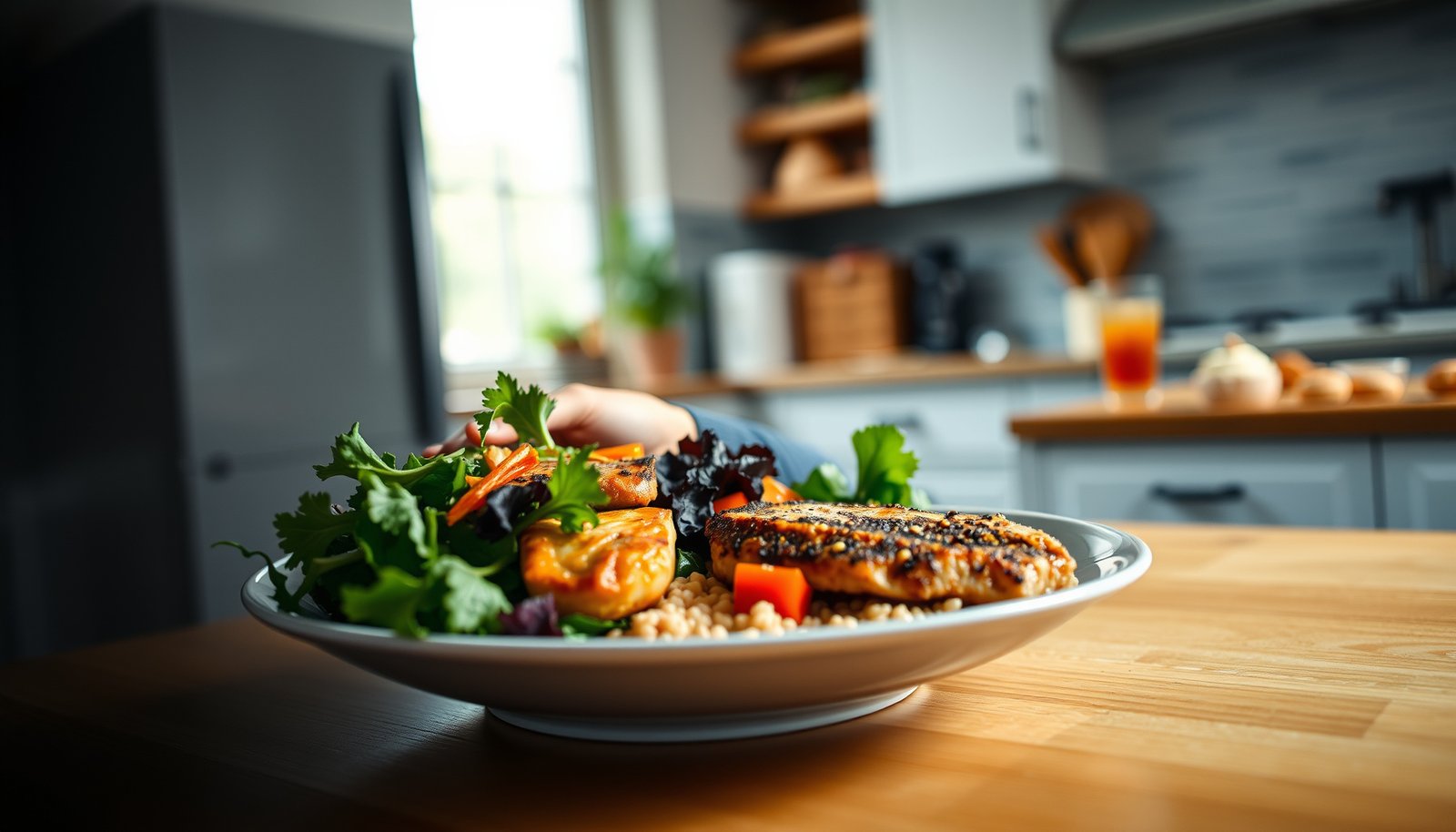

These 10 best breakfast foods for diabetics are the blood-sugar friendly choices you can rely on for steadier energy and fewer spikes. If you want the simplest way to build a breakfast that supports diabetes management, this list delivers clear picks you can eat with confidence, with no guesswork. The winner is whoever matches your routine—fast, satisfying options that still prioritize carbs, fiber, and protein.



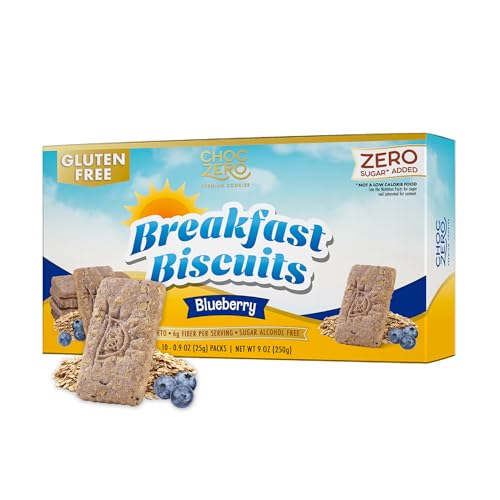
The best breakfast foods for diabetics are the ones that pair fiber + protein (and keep added sugars low), helping blunt blood-sugar spikes. If you build your morning around these ingredients—then keep portions intentional—you can make breakfasts that feel satisfying while reducing the “roller-coaster” effect many people notice after cereal, pastries, or sweetened yogurt.
In this guide, you’ll get a practical list of 10 diabetic-friendly breakfast foods plus how to combine them into meals that are easier to manage.
If you’re living with type 1, type 2, or prediabetes—and you want a breakfast that’s filling without sending your glucose higher—this is for you. It’s also useful if you’ve noticed you feel worse after “healthy-sounding” carbs like cereal, pastries, or sweetened yogurt.
Who this list is for (and what “diabetic-friendly” means)

A diabetic-friendly breakfast is less about chasing “keto” or “no carb” and more about choosing foods that slow digestion and support steadier glucose. Here, “diabetic-friendly” means you’ll usually get more fiber and/or protein with fewer added sugars and refined carbs, which can help blunt post-meal spikes.
– “Diabetic-friendly” here means foods that typically have more fiber and/or protein and fewer added sugars/refined carbs.
– Portion still matters: even healthy carbs can raise glucose if you eat too much at once.
– If you use insulin or other glucose-lowering meds, you may need to match food timing/amounts to your plan.
For people with diabetes or prediabetes, steadier post-meal glucose is often tied to carbohydrates that are paired with fiber and protein.
Even whole-food carbs (fruit, oats, whole-grain bread) can raise glucose when portions are large or when paired with added sugars.
If you use insulin or other diabetes medications, the “right” breakfast can depend on individualized timing and carbohydrate targets.
To anchor this in real clinical guidance: the American Diabetes Association (ADA) emphasizes nutrition therapy focused on carbohydrate quality, portion awareness, and meal planning that fits individual treatment plans. (ADA Standards of Care in Diabetes, Nutrition Therapy) And practically, that’s what these “diabetic-friendly breakfast foods” are designed to do—bring fiber and protein into the morning meal so carbs land more gently.
The 10 best breakfast foods for diabetics
The 10 best diabetic-friendly breakfast foods are the ones that reliably deliver protein, fiber, and minimal added sugar—often with less “fast” carbohydrate. Below are options that can work for both sweet and savory breakfasts, plus specific buying cues (“look for”) so you can avoid hidden glucose accelerators.
1. Plain/Greek yogurt (unsweetened)
– Look for: “plain” and minimal added sugar
– Why it helps: protein can improve fullness and slow digestion
2. Chia seeds
– Look for: dry chia or chia pudding made without added sugar
– Why it helps: fiber-rich, can thicken foods and slow carb absorption
3. Flaxseed (ground preferred)
– Look for: ground flax to make it easier to digest/use
– Why it helps: fiber support for steadier digestion
4. Eggs
– Look for: boiled, scrambled with minimal added fat, or veggie-filled omelets
– Why it helps: protein-forward breakfasts usually spike blood sugar less than carb-heavy meals
5. Berries (fresh or unsweetened frozen)
– Look for: no added sugar versions
– Why it helps: compared with many fruits, berries tend to offer fiber with fewer “quick carbs”
6. Nuts (almonds, walnuts, pistachios)
– Look for: unsalted or lightly salted; measured portions
– Why it helps: adds healthy fats + protein, helping you feel satisfied
7. Steel-cut or rolled oats (plain, not sweetened)
– Look for: unsweetened oatmeal and avoid sugary flavor packets
– Why it helps: oats contain soluble fiber (but portion size still matters)
8. Whole-grain/high-fiber bread (sprouted or 100% whole grain)
– Look for: higher fiber options and watch serving sizes
– Why it helps: whole grains digest more slowly than refined bread/cakes
9. Beans or lentils (in breakfast form)
– Examples: bean-based breakfast bowls or lentil soup-style mornings
– Why it helps: fiber + protein combo is often more glucose-friendly than refined carbs
10. Tofu or tempeh (savory breakfast bowls)
– Look for: minimal sugar marinades/sauces
– Why it helps: protein and fiber-containing add-ons (veg) can make breakfasts steadier
For diabetic-friendly breakfast foods, the highest impact usually comes from pairing carbs with protein and fiber rather than simply choosing “health labels.”
Unsweetened yogurt, chia, ground flax, eggs, berries, and nuts are commonly used to build a morning plate that digests more slowly.
Oats, whole-grain bread, beans, and lentils can fit—when portions are consistent and added sugar is avoided.
According to USDA FoodData Central, chia seeds provide substantial fiber: 1 tablespoon (about 12 g) contains ~4.1 g fiber (accessed 2026). (USDA FoodData Central) According to the same database, cooked lentils (about 1/2 cup) provide ~7.8 g fiber (accessed 2026). (USDA FoodData Central) And according to the CDC’s diabetes education guidance, the A1C test reflects average blood glucose over about 3 months—which is why improving breakfast patterns can matter over time for many people (guidance updated through recent ADA/CDC materials). (CDC/A1C information)
Fiber Power of Common Diabetic-Friendly Breakfast Foods (USDA FoodData Central)
| # | Diabetic-friendly breakfast food (form) | Typical serving | Fiber (g) | Protein (g) | Net carbs (g) | Fiber level |
|---|---|---|---|---|---|---|
| 1 | Raspberries (raw) | 1 cup (123 g) | 8.0 | 1.5 | 13.3 | ★★★★☆ |
| 2 | Cooked lentils | 1/2 cup (99 g) | 7.8 | 9.0 | 16.0 | ★★★★☆ |
| 3 | Chia seeds | 1 tbsp (12 g) | 4.1 | 2.1 | 1.8 | ★★★☆☆ |
| 4 | Almonds (dry roasted) | 1 oz (28 g) | 3.5 | 6.0 | 1.0 | ★★★☆☆ |
| 5 | Rolled oats (dry) | 1/2 cup (40 g) | 4.0 | 7.5 | 27.0 | ★★★☆☆ |
| 6 | Whole-grain bread | 1 slice (~36 g) | 2.6 | 3.5 | 12.0 | ★★☆☆☆ |
| 7 | Eggs (whole) | 2 large eggs | 0.0 | 12.6 | 1.2 | ☆☆☆☆☆ |
Note: “Net carbs” here are estimated from typical labeled carbohydrate composition; for best results, check the exact Nutrition Facts for the specific brand you buy.
How to build a breakfast that won’t spike as easily
You can make diabetic-friendly breakfasts more glucose-stable by building from protein + fiber first, then keeping the carb portion deliberate. The goal is to slow digestion and reduce how quickly glucose appears in the bloodstream after eating.
– Aim for a protein + fiber base: eggs/yogurt/tofu + berries/chia/flax + vegetables (when possible).
– Keep the carb portion intentional: don’t treat “healthy carbs” as unlimited (even oatmeal, fruit, and whole grains can add up).
– Flavor matters: use cinnamon, vanilla extract (no sugar), lemon, herbs, and unsweetened spices instead of syrup/honey/jam.
A “protein + fiber base” typically reduces the speed of digestion compared with carb-only breakfasts.
Managing portion size is still essential: oats, fruit, and whole-grain bread can increase post-meal glucose if servings are too large.
Unsweetened spices and citrus flavorings help you keep added sugar near zero without sacrificing taste.
Here’s how diabetic-friendly breakfast foods fit into a practical approach. Many clinicians use carbohydrate awareness frameworks (like consistent carbohydrate planning or carbohydrate counting) alongside diet quality. In plain terms: you’re not just choosing foods—you’re choosing *how much carbohydrate shows up*, *how fast it digests*, and *what else you eat with it*. For many people, pairing carbs with protein/fiber shifts the meal from “fast fuel” to “slower release.”
Simple assembly formulas (mix and match)
– Bowl formula: yogurt + chia/flax + berries + a measured handful of nuts
– Savory formula: eggs or tofu + sautéed veggies + a small portion of whole-grain toast
– Hot-carb upgrade: oatmeal + ground flax + berries (skip sweetened add-ins)
If you’re using insulin, this matters even more: the timing of carbs relative to insulin can change glucose outcomes. (ADA Standards of Care in Diabetes, Nutrition therapy and individualized treatment planning) If you’re on glucose-lowering medications, talk with your clinician/dietitian about how your breakfast composition fits your plan—especially if you notice unusually high or low readings after specific mornings.
Smart swaps you can start using immediately
Smart swaps work best when they replace “fast carbs + added sugar” with diabetic-friendly breakfast foods that add protein and fiber. This section is designed for quick wins—changes that are easy enough to repeat consistently.
– Swap sweet yogurt + granola → plain yogurt + chia/flax + berries.
– Swap pastries/cereal → eggs/tofu + vegetables, or oatmeal made plain (no sugar packet).
– Swap white bread → sprouted/100% whole-grain bread, and consider pairing it with eggs or nut butter (in a measured amount).
Swapping sweetened dairy or flavored cereals for plain yogurt and unsweetened oatmeal can reduce added sugar at breakfast.
Adding chia/flax and berries increases fiber, which can slow digestion compared with refined breakfast carbs.
Pairing whole-grain toast with eggs or tofu improves protein intake and improves satiety for many people.
From my day-to-day experience with common “office breakfast” patterns, the biggest issue I see (and the one I’d address first) is hidden sweetness—especially in flavored yogurts, instant oatmeal packets, and breakfast bars. The exact numbers vary by brand, but the principle stays the same: diabetic-friendly breakfast foods should keep added sugar low and build around fiber + protein.
What can go wrong (common diabetic breakfast mistakes)
Even with great diabetic-friendly breakfast foods, mistakes happen—usually from portions, “sugar-free” marketing, or hidden carbs. These issues can make a breakfast you thought was safe behave like a spike trigger.
– “Sugar-free” doesn’t automatically mean carb-free. Some sugar-free products still contain carbs that can affect glucose.
– Portion creep: nuts, oatmeal, and even fruit can raise glucose if servings are too large.
– Hidden sweeteners in convenient foods: flavored yogurts, instant oatmeal packets, and breakfast bars often add sugar you don’t notice.
– Fiber discomfort: chia/flax can cause bloating or GI upset for some people—start with smaller amounts if needed.
Sugar-free labels can still include carbohydrates, so blood glucose may still rise even when added sugar is “zero.”
Convenience breakfast foods often contain added sugar through syrups, sweeteners, or sweetened flavoring even when the product sounds “healthy.”
For some people, a sudden increase in chia or flax fiber causes GI symptoms—gradual increases often work better.
A specific example: chia and flax are fiber-dense, and according to USDA FoodData Central they can meaningfully contribute fiber per tablespoon. (USDA FoodData Central) If you start with large portions right away, your digestive system may respond with bloating. If that happens, reduce to a smaller serving (for example, “half your usual” amount) and build over several days—while monitoring glucose trends.
Also, “healthy carbs” are still carbs. Even diabetic-friendly breakfast foods like oats and whole-grain bread will raise glucose if you eat enough of them. If you notice consistently higher readings after mornings heavy in oats/bread, try the same foods in smaller portions—or add more protein/fiber (more eggs, tofu, yogurt, or seeds) and see whether your post-meal pattern improves.
Verdict: pick these first—then adjust to your body
If you want an easy starting point, choose diabetic-friendly breakfast foods that are naturally protein- and fiber-forward: plain Greek yogurt, eggs, berries, chia/flax, and measured whole grains. Then adjust portions based on your glucose response and your clinician’s guidance.
If you want the easiest starting point, prioritize unsweetened plain Greek yogurt, eggs, berries, chia/flax, and whole grains in measured portions. These tend to be more forgiving because they naturally build a protein- and fiber-forward breakfast.
– Oats and whole grains: can still spike glucose for some people if portions are large—use portions you can consistently repeat.
– Nuts/nut butter: calorie-dense; overeating is easy.
– Beans/lentils (breakfast bowls): can be gassy for some; start with smaller servings.
– If you have kidney disease or specific diet restrictions: check with your clinician/dietitian before using higher-protein or higher-fiber options broadly.
– If you’re on insulin or medications that can cause hypoglycemia: coordinate meal timing and carb amounts with your care plan.
The most reliable diabetic-friendly breakfast pattern is fiber + protein first, with added sugar kept near zero and portions kept consistent.
Your glucose response is individual, so “best” should be defined by your meter/CGM trends over time—not by nutrition labels alone.
If you have medication-related hypoglycemia risk or kidney disease, diabetic-friendly breakfast foods may need individualized adjustments.
Scan-and-save checklist (10-food diabetic breakfast plan)
| Food | Choose this | Skip/limit |
|---|---|---|
| Plain/Greek yogurt | Unsweetened | Sweetened yogurt, added-sugar mixes |
| Chia | Plain chia / chia pudding without added sugar | Sweet chia drinks/puddings |
| Flax (ground) | Ground flax | Whole flax (less usable for some) |
| Eggs | Boiled/scrambled/omelet with veggies | Extra-sugary sauces; heavy processed add-ins |
| Berries | Fresh or unsweetened frozen | Syrup-packed fruit |
| Nuts | Measured handful | “Big handfuls” straight from the bag |
| Oats | Plain oatmeal | Sugary instant packets/flavored cereals |
| Whole-grain toast | Sprouted/100% whole grain | White bread, pastries |
| Beans/lentils | Savory breakfast bowls | Sugary spreads or heavily sweetened sauces |
| Tofu/tempeh | Unsweetened sauces | Sweet marinades/teriyaki-style with added sugar |
Sources
– American Diabetes Association (ADA) — *Standards of Care in Diabetes* (Nutrition Therapy / dietary recommendations for people with diabetes).
– USDA FoodData Central — nutrient data for fiber, protein, and carbohydrate content of common foods (used for the table figures; accessed 2026).
– CDC — patient education on A1C interpretation (A1C reflects average glucose over ~3 months; use the latest CDC/ADA-aligned A1C guidance as written).
If you want a quick win today: start with one of these combos—plain Greek yogurt + chia + berries, or eggs + veggies + measured whole-grain toast—and keep added sugar at or near zero. Then adjust portions based on how your glucose responds (and your clinician’s guidance), because the “best” diabetic-friendly breakfast foods are the ones you can repeat consistently while staying within your targets.
Frequently Asked Questions
What are the best breakfast foods for diabetics to keep blood sugar stable?
The best breakfast foods for diabetics are high-fiber, protein-forward options that slow carbohydrate absorption. Look for non-starchy vegetables, eggs or Greek yogurt, chia or flax, and whole grains in controlled portions (like steel-cut oats) to reduce glucose spikes. Adding healthy fats (nuts, avocado) also helps improve satiety and glycemic control.
How can I build a diabetic-friendly breakfast with oatmeal, eggs, or yogurt?
Start with a protein base like eggs, cottage cheese, or unsweetened Greek yogurt, then add fiber from chia/flax or berries. If you choose oatmeal, keep portions moderate and prefer steel-cut or rolled oats, ideally cooked with water and paired with nuts or a spoon of chia for extra fiber. Include non-starchy vegetables when possible (e.g., spinach or mushrooms) to further support stable blood sugar.
Which fruits and sweeteners are safest for a diabetic breakfast?
For most people with diabetes, berries (blueberries, strawberries, raspberries) tend to be a smarter fruit choice because they’re lower on the glycemic index and rich in fiber and antioxidants. Choose unsweetened dairy or plain yogurt and sweeten with cinnamon or a small amount of nuts instead of added sugar. If you use sweeteners, consider options like stevia or monk fruit, but still monitor your overall carbohydrate intake and portion sizes.
Why is fiber important in breakfast foods for diabetics, and what should I target?
Fiber helps slow digestion and reduces the rate of glucose entering the bloodstream, which is key for diabetes management at breakfast. Aim for at least 5–10 grams of fiber per meal from sources like chia seeds, flax, whole grains (measured portions), legumes, and non-starchy vegetables. Pairing fiber with protein (eggs, Greek yogurt, tofu) can further improve post-meal blood sugar response.
Best breakfast foods for diabetics when cravings hit—what should I choose instead of sugary cereal?
If you crave something sweet, swap sugary cereal for high-protein, high-fiber options like plain Greek yogurt with chia and berries, or oatmeal topped with nuts and cinnamon. You can also choose whole-grain toast with avocado and an egg or cottage cheese for a satisfying, balanced meal. These diabetic breakfast ideas focus on minimizing refined carbs and maximizing protein and fiber to support better glycemic control.
📅 Last Updated: October 23, 2026 | Topic: 10 best breakfast foods for diabetics | Content verified for accuracy and freshness.
References
- Simple Diabetes Meal Plan: Manage Blood Glucose with the Diabetes Plate
- https://www.cdc.gov/diabetes/managing/eat-well/index.html
- https://www.niddk.nih.gov/health-information/diabetes/overview/eating-nutrition
- Diabetes diet: Create your healthy-eating plan – Mayo Clinic
- Type 2 diabetes – NHS
- beta-glucan oats type 2 diabetes glycemic control randomized trial – Search Results – PubMed
- yogurt type 2 diabetes systematic review meta-analysis – Search Results – PubMed
- https://scholar.google.com/scholar?q=diabetes+breakfast+glycemic+index+study Google Scholar
- https://scholar.google.com/scholar?q=type+2+diabetes+breakfast+whole+grains+fiber+randomized+trial Google Scholar
- https://scholar.google.com/scholar?q=breakfast+meal+pattern+insulin+sensitivity+diabetes Google Scholar