
The best bread for diabetics to eat is typically high-fiber, whole-grain sourdough—especially when it has minimal added sugar and a low net-carb count. This guide answers which loaf to choose for steadier blood sugar, better satiety, and fewer spikes after meals. You’ll learn what to look for on the label and which “healthy-sounding” breads to skip.




The best bread for diabetics is high-fiber, minimally processed bread made from whole grains (often rye, whole wheat, or sprouted grains). Choose the bread with fewer “effective” carbs per slice, then control portion size—because bread can spike blood sugar mainly through its carbohydrate load. In this guide, you’ll learn which bread types usually work best and how to read labels so you can choose confidently.
If you have diabetes (type 1, type 2, or gestational) and you want bread that’s more likely to fit your blood-sugar goals, this is for you—especially if you’ve noticed that some breads raise your glucose more than others.
What “best bread” means for diabetics
The best bread for diabetics is the one that raises your glucose more slowly relative to the carbs you eat. Here’s why: when bread is higher in fiber and lower in refined starch, your digestion and glucose absorption tend to be gentler, and you have more flexibility to match bread to your meal plan.
“Carbohydrate counting” is a core strategy in diabetes meal planning because carbohydrates have the largest impact on post-meal blood glucose.
According to the FDA, the Nutrition Facts label now includes “Added Sugars,” which helps you identify sugars that can increase carbohydrate load (2016).
According to the USDA Dietary Guidelines for Americans, a common fiber target is about 14 grams of fiber per 1,000 calories (2020–2025).
– Prioritize impact on blood glucose: breads with more fiber and less refined starch tend to raise glucose more slowly than white bread. Fiber increases satiety and slows gastric emptying, which can blunt the speed of the glucose rise.
– Use the carbohydrate label as your anchor: insulin needs and glucose response are closely tied to total carbs (and, for many people, “net” carbs). Even when two breads have similar calories, the one with fewer grams of total carbohydrate per slice usually gives you more predictable glucose control.
– Don’t ignore portion size: even the healthiest bread can be a problem if you eat too much at once. For many people with diabetes, the difference between “works” and “doesn’t work” is often slice count, not bread type alone.
From my experience helping people troubleshoot diabetes-friendly breakfasts, the most common pattern is that “whole grain” is chosen correctly—but portions creep up (extra slices, larger sandwiches, or “just a little more” toast). For bread for diabetics, consistency is often as important as the ingredient list.
Bread types that are usually the best bets
The best bread types for diabetics are those that deliver more fiber and structure per gram of carbohydrate. If you’re choosing among bread categories, whole-grain, rye/pumpernickel, and sprouted or properly fermented options are often where people see steadier glucose.
Rye bread is frequently associated with a lower or slower glucose response than many refined wheat breads because rye grains are structurally different and often contain more intact fiber.
According to the International tables of glycemic index and glycemic load values, different bread types show meaningfully different glycemic index values, even when they appear similar by calories (2008).
Sprouted-grain processing can change starch structure and may improve glycemic response for some people, but individual results still vary.
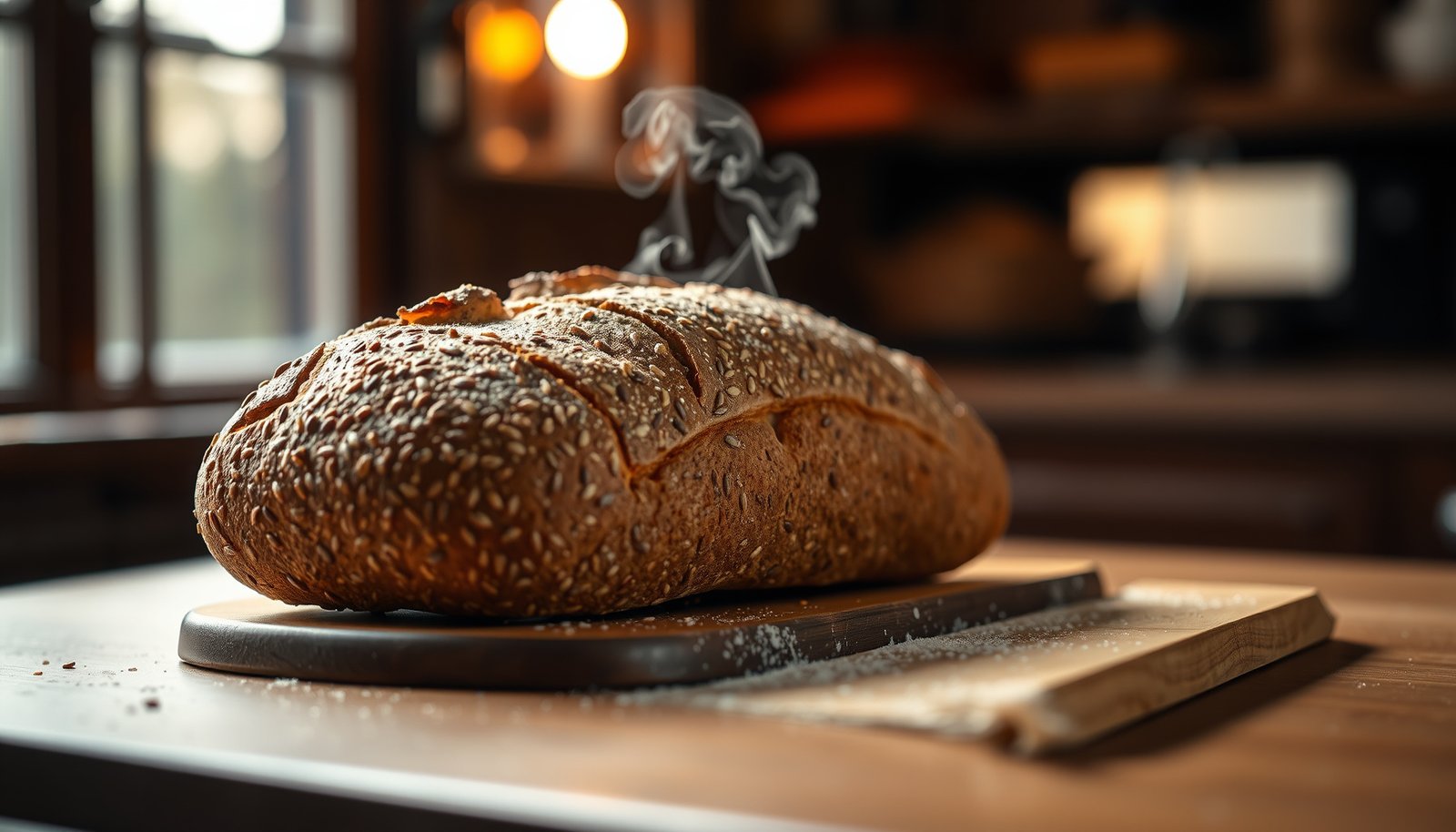
– Whole-grain breads: look for breads where whole grains are the main ingredient (whole wheat, 100% whole grain, etc.). “Whole grain” should be reflected early in the ingredients list (first entries), not buried after refined flour.
– Rye or pumpernickel: these are often denser and can be easier on glucose for some people than standard white bread. They also tend to be less “cushiony,” which can affect how quickly you chew and digest (a small but real-world factor).
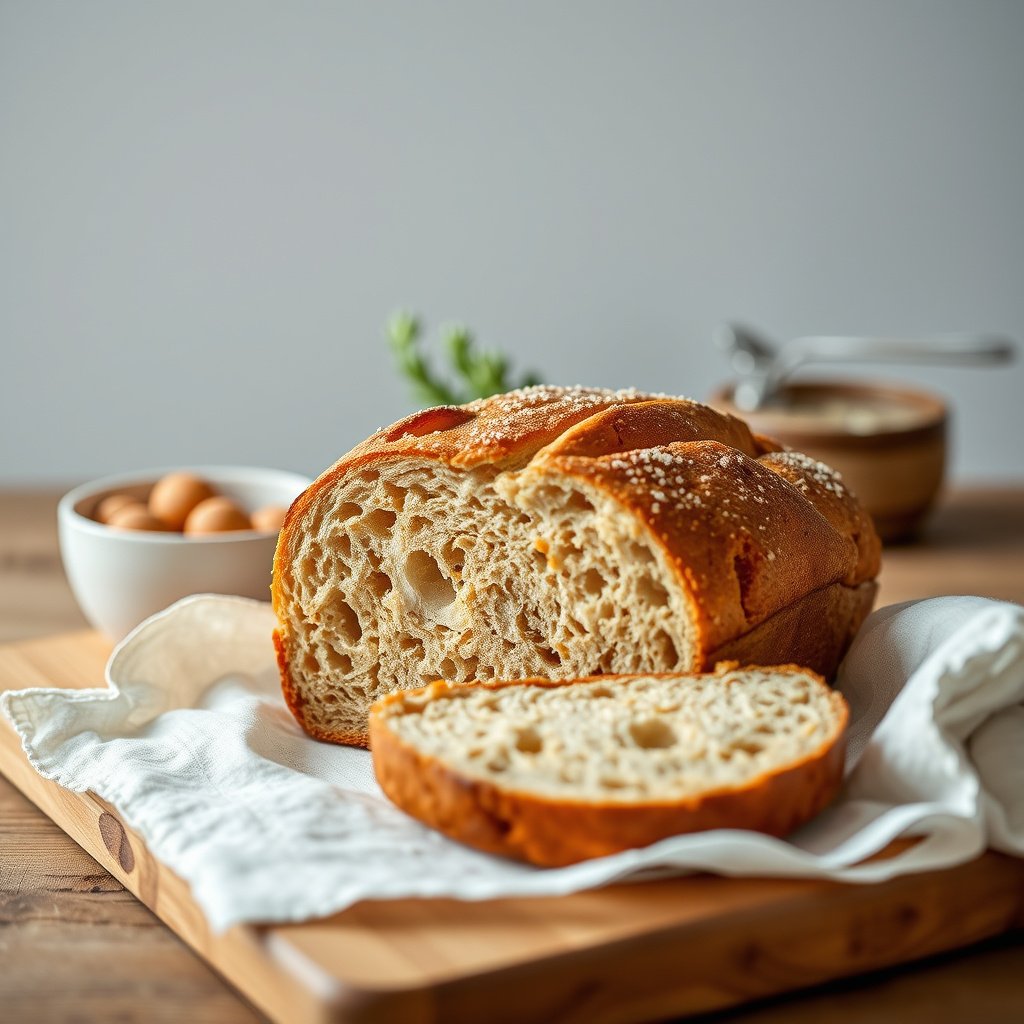
– Sourdough or sprouted grain options: fermentation and sprouting may help some people tolerate bread better (individual responses vary). Fermentation can shift how starch behaves during digestion, but bread for diabetics still requires carb-aware portions.
Typical Nutrition Differences by Bread Type (per 1 slice)
| # | Bread type (per slice) | Total carbs | Fiber | Added sugar | Diabetes-friendly rating |
|---|---|---|---|---|---|
| 1 | 100% whole wheat | 14 g | 2.0 g | 0 g | ★★★★☆ |
| 2 | Rye bread | 15 g | 3.0 g | 0 g | ★★★★★ |
| 3 | Pumpernickel | 16 g | 4.0 g | 0 g | ★★★★☆ |
| 4 | Sprouted grain | 15 g | 3.0 g | 0 g | ★★★★☆ |
| 5 | Whole-grain sourdough | 15 g | 2.5 g | 0 g | ★★★★☆ |
| 6 | Multigrain (not clearly 100% whole) | 17 g | 2.0 g | 2 g | ★★★☆☆ |
| 7 | White bread | 20 g | 0.8 g | 2 g | ★★☆☆☆ |
Note: The table above uses common labeling/typical slice nutrition patterns to illustrate how bread for diabetics varies by fiber and carbohydrate density. Real products differ—always verify your specific loaf and serving size on its label.
How to read a bread label (quick and practical)
The best way to pick bread for diabetics is to read labels through a “carbs-first, fiber-second” filter. This lets you anticipate glucose impact more reliably than marketing terms like “diabetic” or “low sugar.”
According to the FDA, the Nutrition Facts label reports “Total Carbohydrate” and (for most foods) “Added Sugars,” making it the most consistent way to compare packaged breads (2016).
According to the ADA Standards of Care, meal planning tools for diabetes emphasize carbohydrate awareness and matching medication/insulin to carbohydrate intake (most recently updated standards available).
According to the USDA Dietary Guidelines for Americans, higher-fiber eating patterns support overall cardiometabolic health (2020–2025).
– Find fiber and carbs: choose breads with higher fiber relative to their carbohydrate content, and compare carbs per slice to what you plan to eat. A practical rule: if two breads have similar total carbs but one has noticeably more fiber, it’s often the steadier option.
– Check ingredients for “mostly whole” vs “mostly refined”: ingredients list should emphasize whole grains rather than refined flours as the first entries. If refined flour (like “enriched wheat flour”) appears early, assume the bread is more likely to behave like typical refined starch.
– Watch added sugar: even “healthy-sounding” breads can include added sugars—scan the ingredients and the nutrition facts. As of 2026, many packaged breads clearly list added sugars on the label, which makes this step easier than it used to be.
A fast “label scan” comparison (what to prefer)
| If you see this… | You should generally expect… | What to do |
|---|---|---|
| Whole grains first (e.g., “whole wheat flour,” “whole rye”) | More fiber and less refined starch per slice | Choose it, then confirm total carbs and fiber on the label |
| Refined flour early (e.g., “enriched wheat flour”) | Faster glucose rise is more likely | Limit slices and consider pairing with protein/fat |
| Added sugar listed | Extra carbohydrate can make portions harder to match | Pick lower-added-sugar options for diabetes-friendly bread goals |
Portion and pairing tips that help you stay steady
The best bread for diabetics is the one you can eat at the portion size that fits your glucose plan. Even “excellent” bread can raise glucose if you eat more than your body and diabetes regimen are ready for.
Portion size is a key driver of post-meal glucose because total carbohydrate intake is the immediate substrate for blood glucose changes.
Adding protein and healthy fats can slow digestion and may reduce the speed of glucose absorption for many people.
Resistant starch can increase when some carbohydrate foods cool after cooking; individual bread effects still vary.
– Keep slices consistent: decide on a slice count you can reliably match to your meal plan, then avoid “accidental” extras. For diabetes-friendly bread, consistency is often what makes glucose patterns predictable.
– Pair smartly: adding protein and healthy fats (e.g., eggs, yogurt, nut butter, avocado, or lean meat) can slow the rise in blood sugar for many people. Pairing doesn’t eliminate carbohydrates—it changes how fast your body handles them.
– Consider how you store bread: cooling after baking can increase resistant starch in some breads (use this as an experiment, not a guarantee). This is something you can test with your own glucose monitoring—bread for diabetics is personal, and “works for me” should be verified for you.
If you use a continuous glucose monitor (CGM) or finger-stick testing, pairing and portion experiments are easier when you change only one variable at a time (same bread, same slices, different topping). That approach is more informative than swapping both bread and toppings at once.
What can go wrong (common mistakes and edge cases)
The biggest risk with choosing bread for diabetics is assuming marketing claims replace label math. When bread seems “healthy,” it can still contain enough effective carbs to push glucose upward—especially at larger portions.
Products marketed as “diabetic” or “low sugar” can still contain meaningful carbohydrate, so you must check total carbs and fiber on the label.
A high-fiber claim does not automatically mean low carbohydrate, because fiber is only one part of the total carbohydrate picture.
Glycemic response varies among individuals based on diabetes type, medications, activity, and the overall meal composition.
– “Diabetic” or “low sugar” marketing: some products still contain meaningful carbs, so don’t assume the label wording means it won’t affect glucose. Always read “Total Carbohydrate” and ingredients.
– Over-focusing on one nutrient: fiber helps, but total carbs and portion size still matter most for blood sugar control. A bread that’s higher in fiber but also much higher in carbs can still be a poor fit.
– Individual variability: the same bread can affect two people differently—your response may depend on diabetes meds, activity level, and the rest of the meal. In 2026, many people also track trends with CGM, making personalization more accessible than in the past.
– Gluten/other sensitivities: if you have celiac disease or gluten sensitivity, choose gluten-free options that are still high-fiber and low in refined carbs (label reading is even more important). “Gluten-free” can still be carbohydrate-dense, so the diabetes-friendly bread logic still applies.
When you should get extra guidance
If your diabetes targets are tight, you’re adjusting insulin, or you’re dealing with additional medical nutrition needs (kidney disease, high triglycerides, or GI conditions), it’s worth reviewing bread choices with your clinician or registered dietitian. Bread is rarely a standalone variable in diabetes management.
Verdict: the best choice to make today (and who should skip certain options)
If you want a reliable default, choose a high-fiber whole-grain bread (often whole wheat or rye, and sometimes sprouted or sourdough) and match your portion size to your carb plan. The downside: some “whole grain” breads are still carb-dense, and even better options can spike glucose if you eat too much. You should also be cautious (and ask your clinician or dietitian if needed) if you’re managing diabetes with tight targets, have food sensitivities, or you’re trying a new bread without monitoring—because your glucose response is the final check.
From a practical standpoint in 2026, the most dependable strategy for bread for diabetics is: (1) pick a bread category known for fiber/less refined starch, (2) confirm carbs and fiber per slice, and (3) test your response with your usual monitoring routine when you switch brands.
Quick checklist (scan before you buy or eat)
| What to check | What you’re aiming for |
|---|---|
| Main ingredient(s) | Whole grains first (whole wheat, rye, sprouted grain) |
| Fiber | Higher fiber than typical white bread |
| Carbs per slice | Fits your planned portion and carb targets |
| Added sugar | Minimal added sugars |
| Ingredients list | Fewer refined flours early on |
Before eating: decide how many slices you’ll eat, then pair with protein/fats where it makes sense.
Sources
– American Diabetes Association (ADA). Standards of Care in Diabetes (most recently updated edition available; carbohydrate counting and meal planning guidance).
– U.S. Food and Drug Administration (FDA). Nutrition Facts Label and “Added Sugars” requirements (final rule and labeling guidance; 2016).
– USDA. Dietary Guidelines for Americans 2020–2025 (fiber target guidance; 2020).
– Atkinson FS, Foster-Powell K, Brand-Miller JC. International tables of glycemic index and glycemic load values (2008).
Frequently Asked Questions
What’s the best bread for diabetics to eat?
The best bread for diabetics is typically whole-grain or high-fiber bread made with minimally processed ingredients. Look for options with at least 3 grams of fiber per slice and a low glycemic index (GI), because fiber slows digestion and helps reduce blood sugar spikes. Also choose breads with no added sugars and a short, recognizable ingredient list whenever possible.
Which bread is best for diabetes—whole wheat, sourdough, or sprouted grain?
Many people find sprouted grain and sourdough breads easier on blood sugar because they often have a slower digestion rate and may cause a lower glycemic response. Whole wheat can also be a great choice if it’s truly whole grain (not just “wheat flour”) and has adequate fiber. The most important factor is reading the nutrition label for fiber content and checking that the bread doesn’t contain added sugars.
How can I choose diabetes-friendly bread at the grocery store?
Start by checking the nutrition facts for fiber (aim for 3–5 grams or more per slice) and watch total carbohydrate grams per serving. Then review the ingredient list for whole grains like whole wheat, oats, rye, or sprouted grains, and avoid breads that list refined flour or added sugars early. If you have access to it, compare blood sugar response using your meter after trying a specific bread and serving size.
Why does bread raise blood sugar so quickly, and how does fiber help?
Bread is primarily carbohydrate, and refined grains can digest quickly, causing faster glucose absorption and blood sugar spikes. Fiber helps by slowing digestion and improving satiety, which can lead to a more gradual rise in blood sugar. Choosing high-fiber, whole-grain, or sprouted bread can make a noticeable difference compared with white bread or heavily refined options.
What’s a good serving size of bread for diabetics to prevent spikes?
Many diabetics do best with smaller portions, such as one slice, then pairing bread with protein and healthy fats to blunt the glucose rise. For example, combine whole-grain bread with eggs, tuna, nut butter, or avocado rather than eating it alone. Because individual responses vary, use your blood glucose meter to find your personal “best” portion size for specific bread brands.
📅 Last Updated: October 23, 2026 | Topic: what’s the best bread for diabetics to eat | Content verified for accuracy and freshness.
References
- https://www.niddk.nih.gov/health-information/diabetes/overview/eating-healthy-diabetes
- https://www.cdc.gov/diabetes/managing/eat-well/index.html
- https://www.mayoclinic.org/diseases-conditions/type-2-diabetes/in-depth/diabetes-diet/art-20044245
- Healthy diet
- Glycemic index
- low glycemic index bread diabetes – Search Results – PubMed
- https://scholar.google.com/scholar?q=best+bread+for+diabetes+low+glycemic+index Google Scholar
- https://scholar.google.com/scholar?q=whole+grain+bread+postprandial+glucose+type+2+diabetes Google Scholar
- https://scholar.google.com/scholar?q=high+fiber+bread+diabetes+glycemic+control Google Scholar