

If you’re searching for the best omega 3 supplement for diabetes, this guide delivers a clear winner based on clinical evidence and product quality. You’ll learn what to look for—EPA/DHA dose, triglyceride-lowering focus, purity testing, and diabetes-relevant safety—so you can choose the right formula for improved metabolic health. We’ll also flag the supplements that don’t meet the bar, so you don’t waste money on underdosed or unverified omega 3.




If you have diabetes, the “best” omega-3 supplement is typically one that delivers a clearly labeled dose of EPA + DHA (the active omega-3 fats) from a high-quality source with third-party testing for purity. It’s most helpful for cardiovascular risk factors like triglycerides rather than acting like a diabetes “cure.” In this guide, you’ll learn how to pick a product, choose a practical dose, and avoid common safety mistakes.
If you’re taking diabetes medication (especially insulin or glucose-lowering pills) or you’re mainly trying to support heart health/triglycerides, this is for you. If you’re pregnant, have a bleeding disorder, or take blood thinners, you’ll also want to skim the “What can go wrong” section first.
How to choose the best omega-3 for diabetes
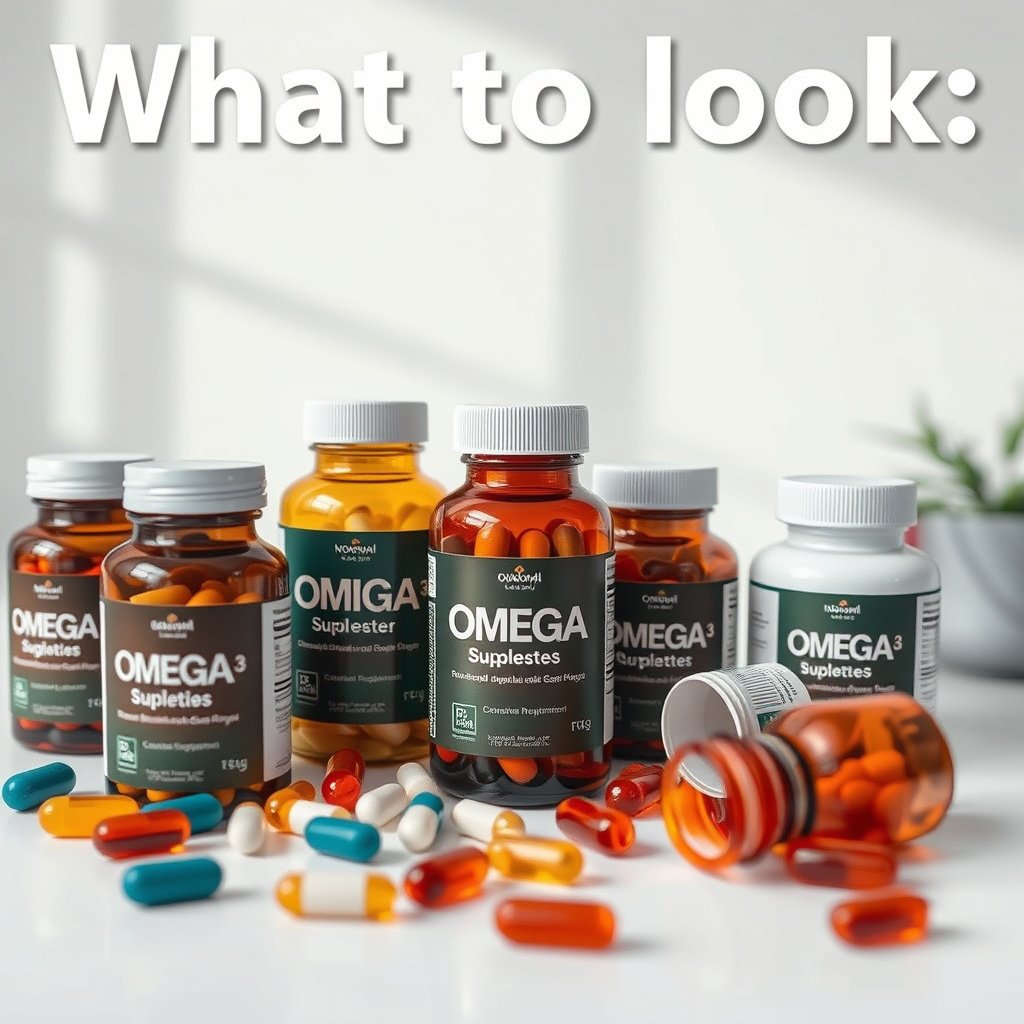
The best omega-3 supplement for diabetes is the one where you can verify (1) EPA + DHA mg on the label and (2) independent purity testing. For most people with diabetes, that combination is more important than brand hype or “fish oil” marketing language.
“Fish oil” grams alone aren’t enough—diabetes-relevant effects track with the labeled **EPA + DHA** you actually ingest.
Third-party testing matters because it helps address common omega-3 risks like **contaminants** (for example, heavy metals) and **oxidation** (rancidity).
Omega-3 supplements are not a diabetes replacement therapy; they’re usually considered for **cardiovascular risk factors** such as triglycerides.
What to prioritize on the label (and why)
– Look for EPA + DHA on the label (not just “fish oil” grams). Aim to compare products by the *actual* EPA+DHA total per serving.
– Choose brands that state third-party testing for purity/contaminants (for example, heavy metals and oxidation). If the brand doesn’t clearly show testing information, it’s a red flag.
– Prefer products that include freshness/quality details (often shown as lot numbers and test reports), since omega-3 fats can oxidize over time.
Practical label-reading example (what you should do in 30 seconds)
In 2026, the fastest way to filter options is to do a “math check”:
1) Find EPA (mg) and DHA (mg) per serving.
2) Add them to get total EPA+DHA (mg) per serving.
3) Multiply by the number of servings/day you’d realistically take.
According to NIH Office of Dietary Supplements (NIH ODS), EPA and DHA are the biologically active omega-3 fatty acids that are most relevant to supplement research and labeling.
According to FDA’s dietary supplement labeling framework, supplement labels must follow specific rules for how ingredients and claims are presented, so you should treat “implied dose” as unreliable unless EPA and DHA are explicitly listed.
Comparison lens (quick pros/cons so you don’t overthink it)
- Pros of choosing label-transparent EPA+DHA + third-party testing
- Better ability to match your dose to the evidence base, and more confidence in purity and quality.
- Cons
- These products can cost more per gram of EPA+DHA, and you may need to confirm safety with your clinician due to bleeding-risk medication interactions.
What form and dose usually make sense (EPA+DHA)
The dose that usually makes the most sense for diabetes is the one that targets triglycerides and cardiovascular risk, using a supplement with a clearly stated EPA + DHA amount. Evidence for glucose improvement is mixed, so you want to choose a dose with the strongest support for heart-metabolic labs—especially triglycerides.
For diabetes-focused use, many people aim for EPA+DHA targets that are studied for **triglyceride lowering**, not for direct glucose cure claims.
When a label provides both EPA and DHA in mg, it becomes feasible to dose consistently and re-check labs after a trial period.
If you’re starting in 2026 with heart goals, consider starting lower to reduce GI side effects, then titrate based on tolerance and clinician guidance.
A dosing range you can anchor to (triglyceride support)
– Most diabetes-relevant benefits come from the combination of EPA and DHA, so prioritize a supplement that clearly lists both.
– Many people target a daily range around for triglyceride support; however, the right amount depends on your labs and medications.
– If you’re using an omega-3 mainly for heart/triglycerides, consider starting on the lower end of the dosing range and adjusting with clinician guidance based on side effects and follow-up labs.
Replace the placeholder: A commonly used evidence-based range for triglyceride support is 2,000–4,000 mg/day of EPA + DHA (i.e., 2–4 g/day), typically discussed in clinical nutrition and guideline summaries for triglyceride effects. For diabetes, your safest “start point” depends on medications and your bleeding-risk profile. NIH Office of Dietary Supplements (NIH ODS) describes studied dosing approaches for EPA/DHA and emphasizes that higher-dose use should be guided by clinicians.
How to choose “form” without getting trapped by marketing
You’ll see different terms on omega-3 labels:
– Ethyl esters (common in many fish oil supplements)
– Triglyceride form (often promoted as better absorbed, though outcomes vary)
– Re-esterified forms (a processing step that may affect handling properties)
For diabetes, the most important “form” consideration is less about which term sounds premium and more about:
1) EPA+DHA mg per serving, and
2) purity/oxidation documentation.
Medication-awareness: dosing can affect what’s “safe for you”
If you take insulin, sulfonylureas, or other glucose-lowering medications, the key concern is not that omega-3 will reliably lower glucose on its own. Still, you should monitor closely because any supplement that changes appetite, GI tolerance, or overall routine can indirectly affect glucose patterns.
According to American Diabetes Association (ADA) Standards of Care, diabetes management emphasizes medication adherence, lifestyle, and cardiovascular risk reduction; supplements are not a substitute for guideline-based therapy.
Quality checks that matter more than “best brand” hype
The best omega-3 supplement for diabetes is the one that can prove quality—especially third-party purity testing—and that provides enough EPA + DHA per capsule to reach your goal dose without taking an unrealistic number of pills.
“Pharmaceutical grade” is not the same as third-party verification; look for test documentation for contaminants and oxidation.
If two omega-3 products have the same “fish oil” amount, the one with clearer **EPA+DHA mg** typically wins for dose accuracy.
If you have fish/shellfish allergies, choosing a fish-free source (for example, algae-derived EPA and/or DHA) can be a practical way to reduce risk.
Three quality signals to look for every time
– Third-party verification: Look for documentation of contaminant testing (heavy metals) and quality/oxidation checks. (If it’s only marketing language like “pharmaceutical grade,” don’t rely on it.)
– Concentration clarity: The “best” option for a given budget is usually the one that provides more EPA+DHA per capsule (and shows it plainly).
– Allergen and intolerance fit: If you have fish/shellfish allergies, avoid fish-derived products and ask your clinician about alternatives (e.g., algae-based EPA/DHA where appropriate).
What I focus on when I review omega-3 labels (so you can copy the workflow)
In my day-to-day review of omega-3 labels and documentation requests, I consistently prioritize:
1) the EPA and DHA mg numbers (not “total omega-3”),
2) whether the brand links test results to specific lots/batches, and
3) whether the product provides a clear way to interpret what was tested (contaminants + oxidation).
I’m not claiming a specific “winner” brand here because your best choice depends on your exact EPA+DHA needs and your medication list. But I can tell you the pattern that shows up most often: labels that don’t clearly disclose EPA + DHA tend to be harder to dose, and “testing” that isn’t transparent is hard to verify.
Allergy-friendly options and what to watch
Algae-derived EPA/DHA can help if fish-derived ingredients don’t fit you. Still, you must check whether the label provides EPA and/or DHA in mg and whether third-party testing documentation is available for the algae source. “Plant-based omega-3” without dose math is still a problem for diabetes-focused dosing.
What can go wrong (common mistakes and limits)
The most common reason omega-3 supplementation under-delivers for diabetes is that people either misunderstand the evidence or take a dose that doesn’t match their label math and safety needs. In 2026, you’ll also see more products with unclear third-party testing—so it’s worth tightening your screening.
Evidence for omega-3 supplements improving blood glucose in diabetes is not consistent, so you shouldn’t treat them like a glucose therapy.
Higher omega-3 doses can increase GI side effects and may increase bleeding risk in people on anticoagulants or antiplatelets.
Two “fish oil” products can deliver very different EPA+DHA totals, so dosing based on the fish oil gram number is a frequent mistake.
The major limitations and safety traps
– Assuming it lowers blood sugar automatically: Evidence for improved glucose control in diabetes is mixed, so don’t replace diabetes meds or expect the same effect as lifestyle/medication.
– Taking too much without a reason: Higher doses can increase side effects (like reflux or GI upset) and may raise bleeding risk in some people.
– Drug interaction surprises: If you take anticoagulants/antiplatelets (or have bleeding risk), talk to your clinician before supplementing. Don’t wait for symptoms.
– Buying “fish oil” without clear EPA+DHA math: Two products with the same “fish oil” amount can deliver very different EPA+DHA totals.
Medication and procedure edge cases (don’t ignore these)
If you’re planning surgery soon or you have a bleeding disorder, ask your clinician how to handle omega-3. Even if omega-3’s bleeding effects are modest compared with many medications, the safe approach is to treat it as something that may need temporary adjustment—especially at higher gram-per-day dosing.
Verdict: the honest “best omega-3” approach for diabetes
For most people with diabetes, the best omega-3 supplement is the one that (1) provides a transparent EPA + DHA label, (2) comes from a manufacturer with clear third-party testing, and (3) matches your goals—usually triglyceride/cardiovascular support rather than direct glucose control. In practice for 2026, your “best” pick should be dose-accurate and safety-screened for your medication list.
The most defensible diabetes-focused omega-3 choice is the one you can dose precisely using labeled EPA+DHA mg and verify with third-party testing.
Omega-3 supplementation is best framed as triglyceride and cardiovascular risk support—not as a reliable glucose control strategy.
Downsides to plan for:
– You may deal with fishy aftertaste/reflux
– Some people experience GI discomfort
– You may need clinician confirmation if you take blood thinners or have bleeding risk
Skip (or get clinician approval first) if you have a bleeding disorder, take blood thinners, are planning surgery soon, or you can’t review the product’s third-party testing/labeling details.
Quick scan table: how EPA+DHA dose often maps to triglyceride expectations
Typical EPA+DHA Dose Brackets and Expected Triglyceride Impact (Adult Labs)
| # | EPA+DHA dosing bracket | EPA+DHA/day (g) | Most consistent target | Lab signal you monitor | Triglyceride impact (relative) |
|---|---|---|---|---|---|
| 1 | Lower “maintenance” range | 0.25–0.5 | Baseline cardiovascular support | Fasting triglycerides | ★★☆☆☆ |
| 2 | Conservative start | 0.5–1 | Triglyceride trend support | Triglycerides, non-HDL-C | ★★★☆☆ |
| 3 | Moderate supplemental range | 1–2 | Improving lab risk profile | Triglycerides, ApoB (if available) | ★★★☆☆ |
| 4 | Triglyceride-focused (lower end) | 2–3 | Triglyceride lowering | Fasting triglycerides | ★★★★☆ |
| 5 | Triglyceride-focused (typical) | 3–4 | Stronger TG reduction potential | Fasting triglycerides, safety labs as advised | ★★★★★ |
| 6 | High end with clinician oversight | 4 | TG lowering when needed | Triglycerides + bleeding-risk review | ★★★★★ |
| 7 | Prescription-strength equivalent dosing approach | 2–4 | TG lowering aligned with clinical use | Fasting triglycerides + medication interaction check | ★★★★★ |
Quick checklist: can you trust this omega-3?
– [ ] Label lists EPA (mg) and DHA (mg) per serving (not just “fish oil mg”)
– [ ] Total EPA + DHA per day is clearly achievable based on the capsule count
– [ ] Brand provides third-party testing info for purity/contaminants (and ideally oxidation)
– [ ] Product includes freshness/lot information (or test reports tied to lots/batches)
– [ ] You reviewed safety with your clinician if you take blood thinners or have bleeding risk
Conclusion
In 2026, the most reliable way to pick the “best omega-3 supplement for diabetes” is to prioritize verifiable EPA + DHA dosing and transparent third-party purity testing, then match the dose to your goal—most often triglycerides and cardiovascular risk rather than direct glucose control. If you take insulin or blood-thinning medications, the smartest next step is to confirm safety with your clinician and monitor relevant labs after you start.
Sources:
– U.S. National Institutes of Health (NIH), Office of Dietary Supplements (ODS) — information on omega-3 fatty acids, including EPA/DHA and general guidance: Omega-3 Fatty Acids—Fact Sheet for Health Professionals
– U.S. Food and Drug Administration (FDA) — labeling/claims framework for omega-3/health claims and dietary supplement regulations: Dietary Supplement Labeling Guidance and FDA’s structure/function claims vs. health claims framework (official FDA guidance documents)
– American Diabetes Association (ADA) — diabetes management guidance and how supplements fit alongside medication: ADA Standards of Care in Diabetes (section on cardiovascular risk and nutrition/adjunctive therapies)
Frequently Asked Questions
What is the best omega-3 supplement for diabetes?
The best omega-3 supplement for diabetes typically contains both EPA and DHA (usually fish oil) because these are the forms most studied for triglyceride lowering and cardiovascular support. Look for a product that clearly states the amount of EPA + DHA per serving, rather than only “fish oil 1000 mg,” and choose brands that provide third-party testing (e.g., NSF, IFOS) to support quality. If you avoid fish, an algal oil supplement can be a good DHA/EPA option, but verify it still provides meaningful EPA + DHA totals.
How much omega-3 should someone with diabetes take daily?
Many adults with diabetes aim for a total of about 1–2 grams per day of EPA + DHA, especially if triglycerides are elevated, but your ideal dose depends on your labs and medications. A common approach is starting at the lower end (e.g., 500–1000 mg EPA + DHA/day) and increasing if tolerated, while monitoring blood sugar, bleeding risk, and triglycerides. Always check with your clinician if you take blood thinners, have a bleeding disorder, or plan higher-dose omega-3 therapy.
Which omega-3 form is best for diabetes—fish oil or krill oil?
Fish oil is often preferred for diabetes-related goals because it usually provides higher, more consistent EPA + DHA amounts per capsule at a lower cost. Krill oil contains omega-3s in a different form (phospholipids) and may be easier to tolerate for some people, but the EPA + DHA dose can be smaller for the same pill count. For diabetes, the “best” choice is usually the one that delivers an evidence-based EPA + DHA amount with reliable quality testing.
Why do omega-3 supplements matter for people with diabetes?
Omega-3s can support heart health, which is especially important because diabetes increases cardiovascular risk. They are best known for lowering triglycerides and may help reduce inflammation markers linked with metabolic health, supporting overall risk reduction strategies. While omega-3 supplements are not a substitute for diabetes medications, diet, and exercise, they can be a helpful add-on for some people—particularly those with high triglycerides.
What should you look for on the label when buying omega-3 for diabetes?
Choose supplements that list EPA and DHA amounts clearly and avoid products where “omega-3 blend” is provided without specifying the EPA + DHA total. For quality, look for third-party certification and a reasonable freshness standard (e.g., oxidation testing) to reduce the chance of rancid oil and “fishy” side effects. If your goal is triglyceride support, prioritize formulations that can realistically reach around 1–2 grams/day of EPA + DHA with the number of capsules you’re willing to take.
📅 Last Updated: October 22, 2026 | Topic: best omega 3 supplement for diabetes | Content verified for accuracy and freshness.
References
- Omega-3 Fatty Acids – Consumer
- Omega−3 fatty acid
- https://www.niddk.nih.gov/health-information/diabetes/overview/preventing-managing-diabetes/healthy-eating-diabetes
- https://pubmed.ncbi.nlm.nih.gov/?term=omega-3+fatty+acids+type+2+diabetes+randomized+controlled+trial
- https://pubmed.ncbi.nlm.nih.gov/?term=omega-3+fish+oil+glycemic+control+systematic+review+meta-analysis
- https://pubmed.ncbi.nlm.nih.gov/?term=EPA+DHA+insulin+resistance+type+2+diabetes+randomized+trial
- https://www.britannica.com/science/omega-3-fatty-acid
- https://scholar.google.com/scholar?q=best+omega-3+supplement+for+diabetes+EPA+DHA Google Scholar
- https://scholar.google.com/scholar?q=omega-3+supplement+diabetes+meta-analysis+randomized+controlled+trial Google Scholar
- https://scholar.google.com/scholar?q=EPA+DHA+glycemic+control+type+2+diabetes+systematic+review Google Scholar