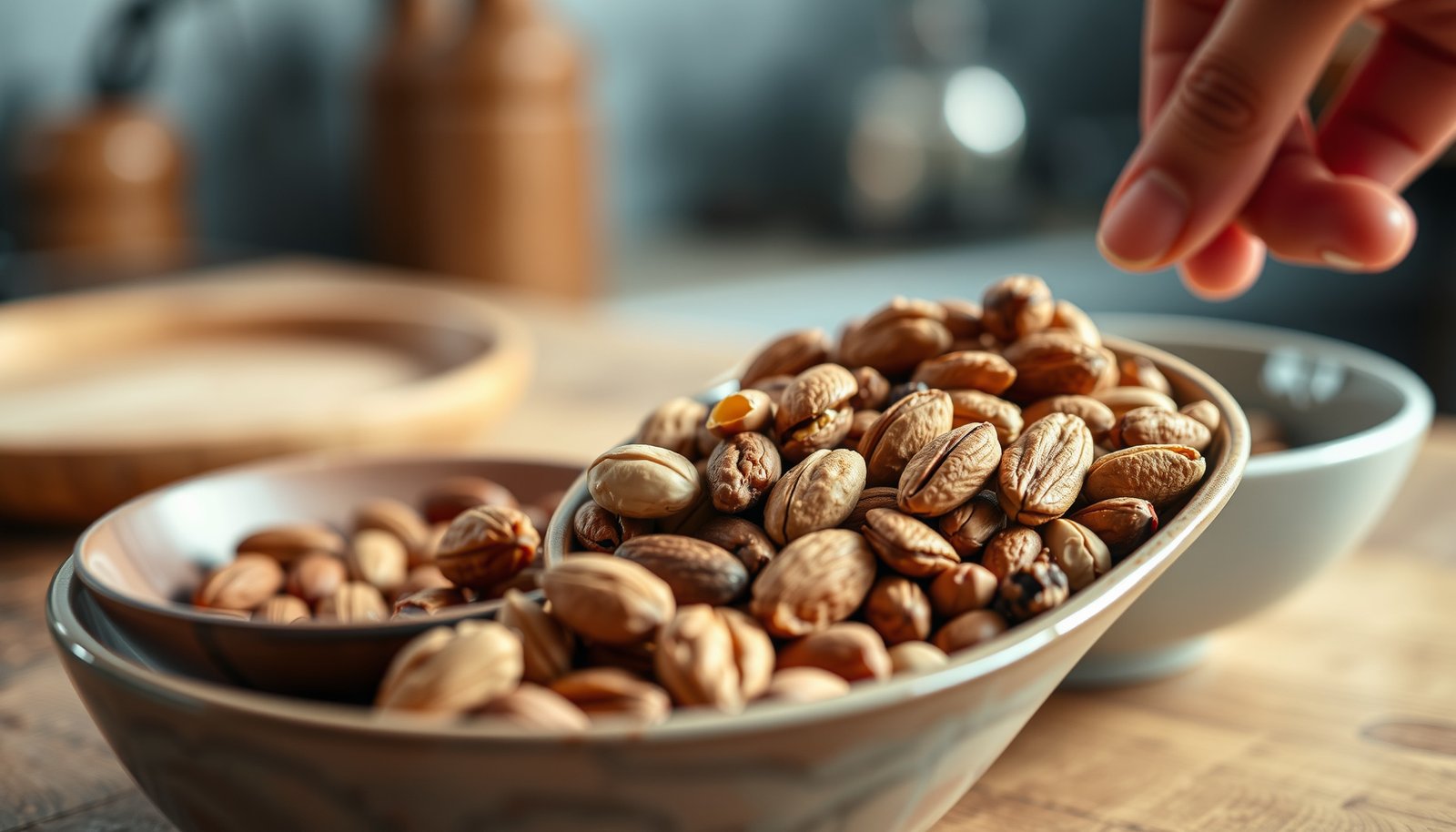

Looking for the best nuts to eat for diabetes? For most people managing blood sugar, walnuts and pistachios are the top picks because they’re rich in fiber and healthy fats that blunt glucose spikes. If you need the clearest “what to choose and why” answer, this guide breaks down which nuts help and which to limit, plus how much to eat for steadier readings.



Diabetes-friendly nuts are mostly unsalted, unsweetened nuts—especially walnuts, almonds, pistachios, and plain peanuts—because they provide fiber, protein, and unsaturated fats without delivering the same quick carbohydrate hit as candy, chips, or sugary snack mixes. In this guide, you’ll learn which nuts to prioritize, how much to eat, and what to avoid so nuts can fit safely into a diabetes meal plan.
If you have diabetes (type 1, type 2, or gestational) and want a practical snack that supports steadier blood sugar, this article is for you—particularly if you’re deciding between “healthy nuts” and flavored/sugary mixes.
Best nuts to eat for diabetes (start here)
The best nuts for diabetes are the ones you can eat plain and portion-controlled, because that’s where the blood-sugar benefits come from (fiber + fats + protein, without added sugar). Here are the most reliable options when you’re building a diabetes-friendly snack.
– Walnuts: often a go-to because they bring healthy fats (including omega-3 fats) and fiber alongside protein.
– Almonds and pistachios: generally good choices due to their combination of unsaturated fats, protein, and fiber—helpful for hunger control between meals.
– Peanuts (if you tolerate them): can work similarly to tree nuts when they’re plain and portion-controlled.
“Most diabetes meal plans can include nuts when they’re unsalted and unsweetened, because they contribute fiber and unsaturated fats rather than added sugars.” American Diabetes Association (ADA), Standards of Care in Diabetes
“A standard nut serving is typically 1 ounce (about 28 g), which helps make carbohydrate and calorie amounts predictable for blood-sugar planning.” USDA FoodData Central (serving-size conventions for nuts)
“Walnuts are notable for having a higher share of omega-3 fats compared with many other common nuts.” USDA FoodData Central (fatty-acid composition across nuts)
Fiber per 1 oz (28 g) for Diabetes-Friendly Nuts (USDA FoodData Central)
| # | Nut (plain/unsalted) | Calories per 28 g | Protein (g) | Total Carbs (g) | Fiber (g) |
|---|---|---|---|---|---|
| 1 | Almonds | 164 | 6.0 | 6.1 | 3.5 |
| 2 | Walnuts | 185 | 4.3 | 3.9 | 2.7 |
| 3 | Pistachios | 159 | 6.0 | 7.0 | 2.9 |
| 4 | Peanuts | 166 | 7.0 | 6.2 | 2.4 |
| 5 | Hazelnuts | 178 | 4.2 | 4.9 | 2.4 |
| 6 | Brazil nuts | 184 | 4.1 | 3.4 | 2.1 |
| 7 | Cashews | 155 | 5.2 | 9.2 | 0.9 |
*Note: Nutrition values shown are for plain/unsalted nuts and a 1 oz (28 g) serving as reflected in USDA FoodData Central.*
How nuts affect blood sugar (the simple reasoning)
Nuts can be a solid diabetes snack because their fat and fiber slow digestion, which generally reduces rapid post-meal glucose spikes compared with refined, sugar-heavy snacks. The key isn’t that nuts “never raise blood sugar”—it’s that nuts usually deliver a slower, steadier metabolic response when portions are controlled.
– Healthy fats + fiber slow digestion, which can help prevent faster glucose spikes compared with refined snacks.
– Protein adds staying power, so you’re less likely to over-snack soon after eating.
– Portion matters more than the nut “brand”: even the best nuts can raise calories quickly, which can indirectly affect glucose control for some people.
“Fiber slows carbohydrate absorption, which can blunt the speed of the post-meal glucose rise when carbs are part of the same snack.” American Diabetes Association (ADA), Standards of Care in Diabetes
“Compared with sweets or refined starch snacks, nuts typically provide less rapidly absorbed carbohydrate per serving because they contain more fat and fiber.” USDA FoodData Central (macronutrient profiles for nuts)
“Even foods with healthy ingredients can worsen glucose outcomes if portions drive excess calories or carbohydrates.” American Diabetes Association (ADA), Nutrition therapy guidance
The “carb load” reality check
From an operations standpoint (and your body’s standpoint), diabetes-friendly nuts are still food, not a “free pass.” In 2026 practice, people often track blood sugar trends and discover that the *same nut* behaves differently depending on:
– how much they eat (serving size),
– what they eat it with (balanced snack vs. empty stomach),
– and whether the nuts are plain or coated.
A practical rule is to treat nuts like carbohydrate-containing foods you budget into your meal plan—especially if you use insulin or other glucose-lowering medications.
Where cashews can be a “special case”
Cashews can fit into many diabetes plans, but compared with almonds, walnuts, or pistachios, cashews often provide more total carbohydrate and less fiber per common serving (see table). If you’re aiming to minimize glucose variability, you may do better prioritizing higher-fiber nuts first.
Portion guide and easy ways to eat nuts
The safest way to eat nuts with diabetes is to keep it simple, portion-controlled, and label-based—especially when you’re matching your snack to your glucose pattern. A good starting point is 1 ounce (about 28 g) per serving, because that’s a standard nut portion used in nutrition labeling and meal planning.
– Use a small, consistent serving (for example, a handful) rather than eating straight from the bag; .
– Choose minimally processed options: “dry roasted” is fine, but avoid candied, honey-roasted, sugar-coated, or chocolate-covered nuts.
– Try simple pairings: nuts with plain Greek yogurt, cottage cheese, or alongside non-starchy veggies—aiming for balanced meals/snacks.
“A common nutrition label serving for nuts is 1 oz (28 g), which is a practical anchor for portion consistency.” USDA FoodData Central
“Added sugars can be identified on ingredient lists and nutrition facts labels, and they are a primary reason flavored nut mixes are less suitable for diabetes goals.” U.S. FDA nutrition labeling framework (mandatory disclosure of added sugars)
Quick portion method that actually works
If you want steadier outcomes, the most reliable method is to portion before you eat:
1. Start with 1 small bowl (not the bag).
2. Measure a single serving once (about 1 oz / 28 g), then repeat.
3. Add only one “extra” at a time (e.g., yogurt, fruit portion, or veggies) so you can learn your response.
Plain vs. flavored nuts: what changes nutritionally?
A diabetes-friendly swap isn’t only about “healthy vs. unhealthy”—it’s about what gets added (sugar, syrup, honey, candy coatings, or extra sodium). Here’s a scan-friendly comparison.
| Nut choice | What’s typically better for diabetes | What to watch for |
|---|---|---|
| Plain, unsalted | Lower sodium; no added sugars from coatings | Still calorie-dense—portion control matters |
| Dry roasted | Often similar macros to raw/unsalted; generally no sugar coating | May have added salt—check sodium |
| Candied / honey-roasted | Typically not ideal as a primary diabetes snack | Added sugars can drive bigger post-meal glucose rises |
| Chocolate-covered | May still provide fat/fiber from nuts, depending on product | Carb + sugar from chocolate can be substantial; portion creep is common |
Pairing ideas that support steadier glucose
If you want the biggest payoff, pair nuts with a protein and/or non-starchy volume:
– Nuts + plain Greek yogurt (no added sugar)
– Nuts + cottage cheese
– Nuts + non-starchy veggies (carrots, cucumber, peppers) plus a dip
– Nuts + a planned snack carb if your plan requires it
What can go go wrong (common mistakes)
Even diabetes-friendly nuts can become a problem when the snack shifts from “whole-food, portion-controlled” to “flavored, high-sodium, easy to overeat.” The goal is to avoid the predictable failure points.
– Salted or flavored nuts: some mixes are high in sodium or added sugars; this can work against heart health and diabetes goals.
– Eating too much: nuts are calorie-dense, so larger portions may hinder weight goals that support blood sugar management.
– Allergies and cross-reactions: if you have a nut allergy, don’t treat this as “generally safe”—use your allergist’s plan.
– Kidney disease limits (if applicable): people with advanced kidney issues may need customized guidance on nutrients in nuts; ask your clinician/dietitian.
“Portion size is a major determinant of total calories and carbohydrate intake from nuts, which can influence post-meal glucose trends.” American Diabetes Association (ADA), nutrition therapy principles
“People with nut allergies need individualized plans; cross-contact and individual sensitivities mean ‘generally safe’ is not a valid substitute for medical guidance.” American Academy of Allergy, Asthma & Immunology (AAAAI), food allergy guidance
Common “label-reading” pitfalls
1. “Sugar-free” flavored nuts: not always sweetened with non-impacting ingredients; check total carbs and ingredient list.
2. “No sugar added”: could still contain syrups or naturally occurring sugars; still check total carbs.
3. “Sea salt”: usually fine for many people, but if you’re managing blood pressure or fluid balance, ask your clinician and compare sodium values.
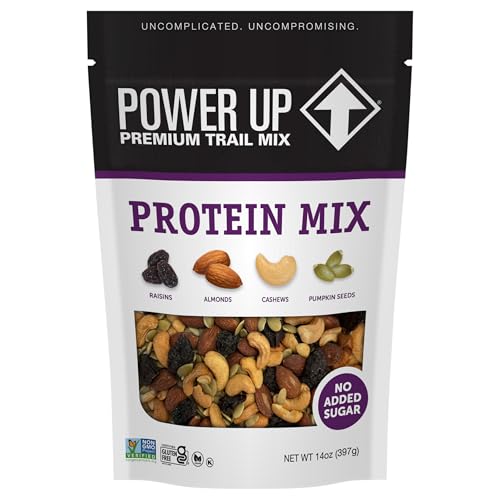
4. Snack mixes: even if one ingredient is a nut, the mix may include candy, raisins, or sugar-coated pieces that drive glucose variability.
Kidney disease note (important edge case)
If you have advanced kidney disease or have been told to limit potassium, phosphorus, or protein, nuts may need adjustments. This isn’t about “nuts are bad”—it’s about individual nutrient targets.
Verdict: the best pick, downsides, and who should skip
If you want one straightforward answer: choose plain walnuts, almonds, pistachios, or peanuts in a consistent 1 oz (28 g) portion. That’s the sweet spot for most people aiming for steadier blood sugar—provided you avoid added sugar coatings and you don’t oversnack.
– Best overall starting point: plain walnuts, almonds, pistachios, or peanuts in controlled portions (unsalted, unsweetened).
– Downsides to be honest about: calorie density (easy to overdo), sodium/sugar in “snack mixes,” and allergy risk.
– Skip or get individualized advice if: you’re allergic to nuts/peanuts, you’re managing advanced kidney disease, or your care team has set a specific snack plan that doesn’t include nuts.
– If you’re taking diabetes meds, it’s still smart to monitor how your usual portion affects you—especially when you’re changing snacks.
“For many people with diabetes, nutrient-dense foods like nuts can be included as part of an overall meal pattern when portions and added sugars are managed.” American Diabetes Association (ADA), nutrition therapy guidance
“When you change snack foods, monitoring your glucose response helps you match portions to your medication and insulin plan.” ADA, Standards of Care in Diabetes (monitoring concepts within individualized care)
My practical recommendation (no hype, just workflow)
In 2026, the most repeatable approach I recommend is to treat nuts like a planned component:
– Pick plain nuts first (walnuts/almonds/pistachios/peanuts).
– Portion them once (measure → then “one bowl” habit).
– Pair them to slow digestion (yogurt or non-starchy veggies).
– Only then experiment with alternatives like hazelnuts or Brazil nuts.
Quick checklist: nut choices for diabetes
| Nut choice | Look for | Avoid |
|---|---|---|
| Walnuts | Plain, unsalted | Candied/honey-roasted |
| Almonds | Dry roasted or raw, unsalted | Flavored “dessert” almonds |
| Pistachios | In-shell or shelled, plain | Sugar-coated/seasoned mixes |
| Peanuts | Plain, unsalted | Sweet or heavily flavored peanut products |
Scan-and-use checklist
– ✅ Unsalted / unsweetened
– ✅ Portion-controlled (one serving at a time)
– ✅ Pair with protein/fiber for balance
– ❌ No sugar/candy coatings
– ❌ No relying on nuts as a “free” food
Sources:
– American Diabetes Association (ADA) — Standards of Care in Diabetes (Nutrition therapy and general guidance on plant-based foods and dietary patterns).
– USDA FoodData Central — nutrient composition references for nuts (fiber, fat, protein).
– Peer-reviewed nutrition research (general principle) on how dietary fiber and unsaturated fats can affect post-meal glucose response compared with refined carbs.
Nuts can be a practical, diabetes-friendly snack when you choose plain, unsalted, unsweetened options and stick to a consistent serving size. Prioritize walnuts, almonds, pistachios, and plain peanuts, pair them with protein or non-starchy foods, and watch labels for added sugar and extra salt—then use your glucose response to fine-tune portions with your care team.
Frequently Asked Questions
What are the best nuts to eat for diabetes?
The best nuts for diabetes are typically unsalted almonds, walnuts, pistachios, and peanuts (especially in minimally processed forms). These nuts provide healthy unsaturated fats, fiber, and magnesium, which can help support steadier blood sugar responses. Choose nuts without added sugar and keep portions controlled, since nuts are calorie-dense even when they’re nutritious.
Which nuts have the lowest impact on blood sugar?
Nuts generally have a low glycemic impact because they contain fiber and healthy fats that slow digestion. Almonds and walnuts are often a strong choice for diabetes-friendly snacks, while pistachios can also be helpful when portion sizes are kept moderate. To minimize blood sugar spikes, opt for whole nuts or nut butters without added sugar and pair them with protein or non-starchy foods when possible.
How many nuts should someone with diabetes eat per day?
A common diabetes-friendly portion is about one small handful—roughly 1 ounce (28 grams) of nuts per day. If you’re watching calories, you may need a smaller portion, such as 2 tablespoons of nut butter or a quarter-cup of nuts. It’s also wise to spread nuts across the day and avoid eating large amounts in one sitting to maintain stable blood sugar.
Why are almonds, walnuts, and pistachios good for people with diabetes?
These nuts contain unsaturated fats and fiber, which can improve satiety and help reduce the speed at which glucose enters the bloodstream. Walnuts add omega-3 fats (ALA), while almonds and pistachios provide helpful minerals like magnesium that play a role in insulin function. Including these nuts as part of a balanced diet can support long-term metabolic health when combined with healthy carbs and regular activity.
How should you choose nuts for diabetes—raw, roasted, or nut butter?
Choose dry-roasted or raw nuts that are unsalted or only lightly salted, and avoid varieties with added sugar or honey coatings. Nut butter can be convenient, but look for labels that list only the nut and possibly a small amount of salt—avoid brands with added oils or added sugar. Start with controlled portions (about 1 ounce whole nuts or 2 tablespoons nut butter) and monitor your blood sugar response, since individual reactions can vary.
📅 Last Updated: October 22, 2026 | Topic: best nuts to eat for diabetes | Content verified for accuracy and freshness.
References
- https://www.cdc.gov/diabetes/managing/healthy-eating.html
- https://www.niddk.nih.gov/health-information/diabetes/overview/preventing-problems/eating-nutrition
- Diabetes diet: Create your healthy-eating plan – Mayo Clinic
- https://pubmed.ncbi.nlm.nih.gov/?term=tree+nuts+type+2+diabetes+randomized+trial
- https://pubmed.ncbi.nlm.nih.gov/?term=walnuts+insulin+sensitivity+type+2+diabetes
- https://pubmed.ncbi.nlm.nih.gov/?term=almonds+glycemic+control+type+2+diabetes
- https://pubmed.ncbi.nlm.nih.gov/?term=peanuts+type+2+diabetes+metabolic+syndrome
- https://scholar.google.com/scholar?q=best+nuts+for+diabetes Google Scholar
- https://scholar.google.com/scholar?q=tree+nuts+peanuts+glycemic+control+type+2+diabetes Google Scholar
- https://scholar.google.com/scholar?q=systematic+review+nuts+type+2+diabetes Google Scholar