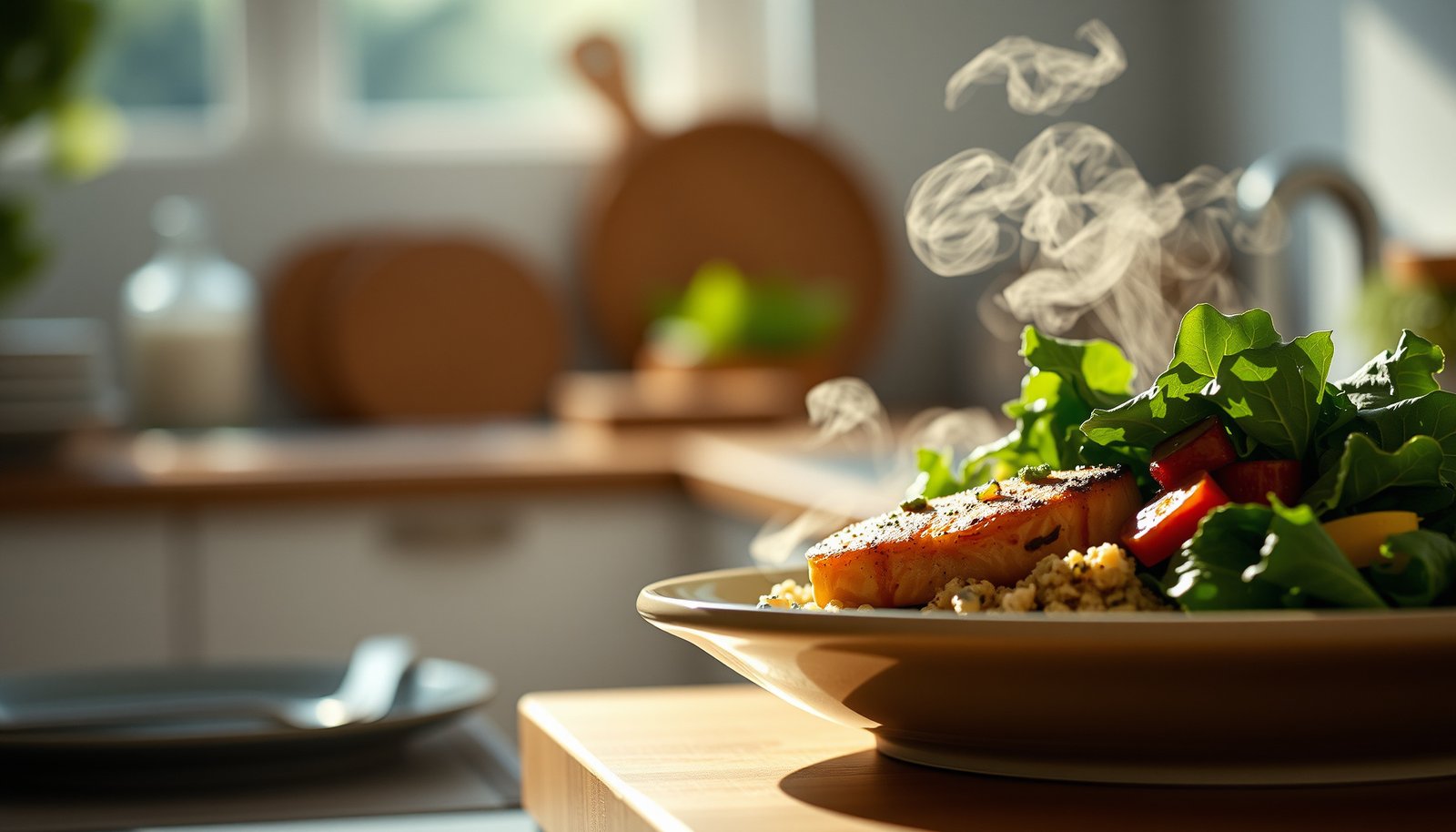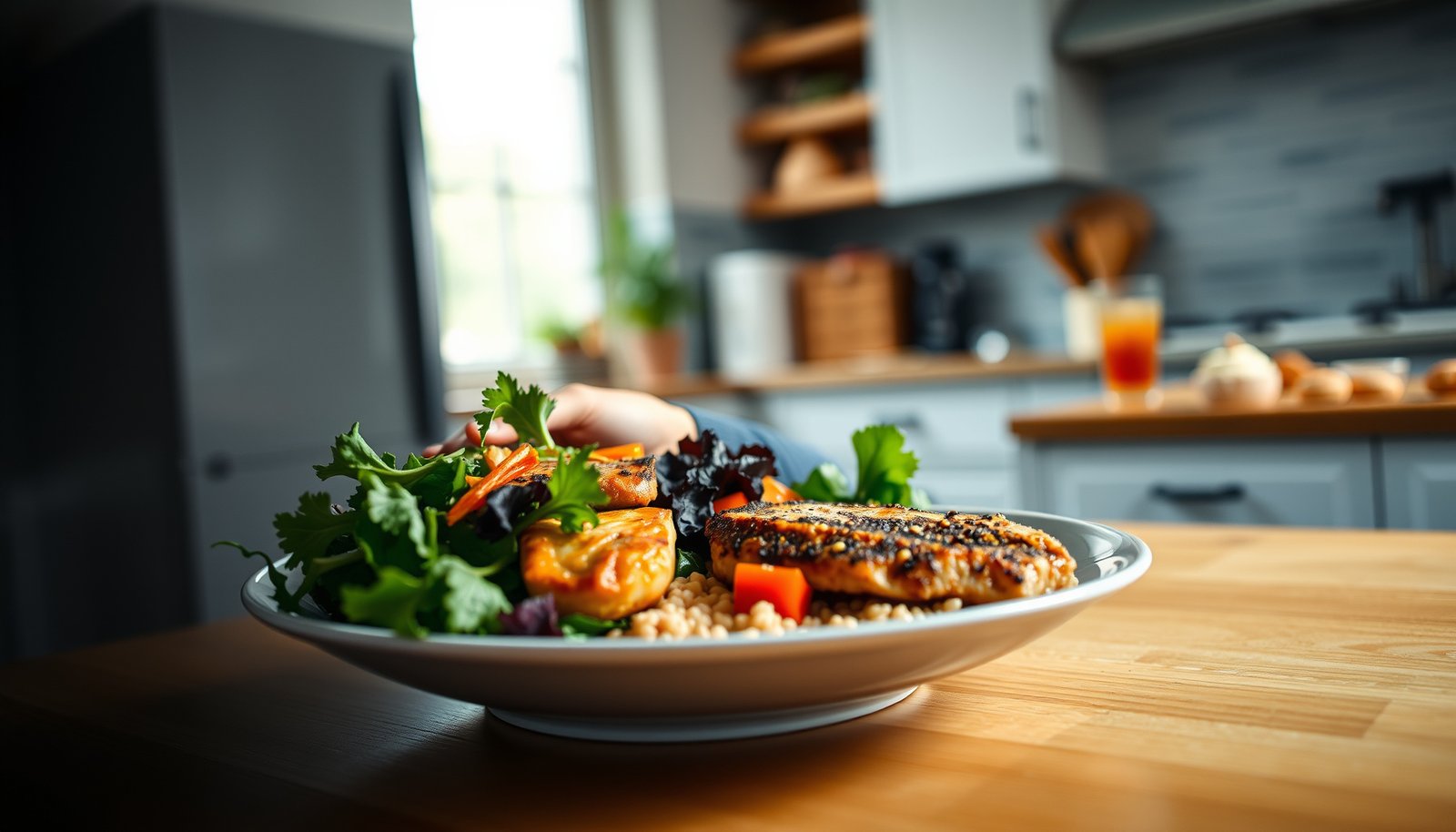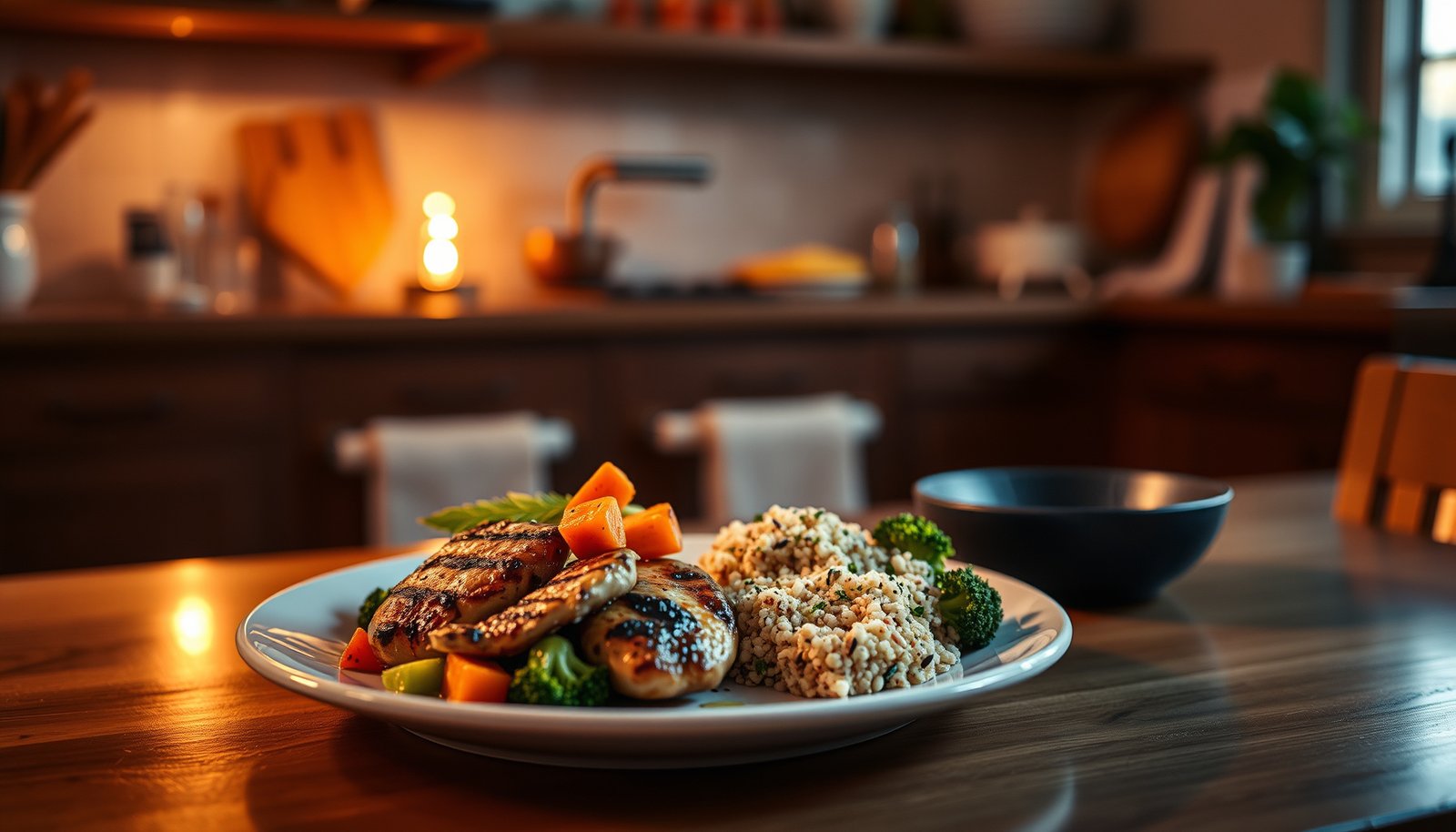

Searching for the best Lean Cuisine for diabetics? This guide names the top Lean Cuisine picks that fit low-carb, blood-sugar-friendly portions without sacrificing flavor. If your goal is steadier glucose control, you’ll get a clear winner by meal type—breakfast, lunch, or dinner—and the exact label details to verify first.



The best “lean cuisine” for diabetics is a repeatable plate built around lean protein + non-starchy vegetables, paired with measured, high-fiber carbohydrates and minimal added sugar. That combination tends to blunt post-meal glucose spikes because fiber slows digestion and protein/vegetables improve fullness. In other words: you don’t need to guess every meal—you need a dependable structure.
Who this is for (and when it applies)
If you want lower-carb meal options that still feel filling and realistic, this approach is a strong fit for most people managing diabetes. It applies whether you’re working with type 2 diabetes or type 1 diabetes, but you should confirm your personal carb targets with your clinician—especially if you use insulin or other glucose-lowering medications.
A diabetes-friendly nutrition strategy emphasizes carbohydrate quality and portion consistency—because the type of carb (especially fiber content) and how much you eat both influence blood glucose response. American Diabetes Association (ADA), Standards of Care in Diabetes (Nutrition Therapy / Carbohydrate Management)
For many adults with diabetes, the goal is not “zero carbs,” but a plan that supports steady glucose by pairing carbs with protein and non-starchy vegetables. American Diabetes Association (ADA), Standards of Care in Diabetes (Nutrition Therapy / Carbohydrate Management)
If your current pattern is either (a) constantly searching for new diabetic-friendly recipes or (b) skipping carbs altogether and then struggling with energy or overeating later, “lean cuisine” templates are designed to reduce decision fatigue. You’ll get repeatable meal patterns you can rotate—breakfast, lunch/dinner, and snacks—while still customizing flavors and food choices.
What “lean cuisine” should mean for diabetics
The best definition of “lean cuisine” for diabetics is not just low fat—it’s lean protein + non-starchy vegetables + measured, high-fiber carbs with little to no added sugar. That’s what makes it more supportive for blood-sugar control than typical “diet meals” that quietly swap one problem (fat or calories) for another (refined carbs or sugar).
The ADA recommends aiming for adequate dietary fiber; a commonly cited target is at least 14 grams of fiber per 1,000 kcal consumed per day. American Diabetes Association (ADA), Standards of Care in Diabetes (Nutrition Therapy)
Fiber-rich carbohydrate choices generally produce steadier glucose responses than refined, low-fiber options because they slow digestion and improve meal satiety. American Diabetes Association (ADA), Standards of Care in Diabetes (Nutrition Therapy / Carbohydrate Quality)
Prioritize the right “lean”
Lean protein should be a default ingredient—not an afterthought. For diabetes-friendly lean cuisine, “lean protein” usually means options such as:
– Chicken or turkey breast (often roasted/seasoned rather than breaded)
– Fish (baked, broiled, or grilled)
– Tofu or tempeh
– Legumes (beans, lentils, chickpeas)
– Eggs (in moderation depending on your broader lipid goals)
When you build around protein, you tend to reduce the urge to “top up” later with quick carbs. Vegetables—especially non-starchy vegetables—then add volume with relatively modest carbohydrate impact.
Choose carbs by fiber first
If there’s one shift that makes diabetes-friendly lean cuisine work, it’s this: carbohydrate quality matters at least as much as carbohydrate “amount.” High-fiber options include:
– Beans and lentils
– Quinoa
– Oats (especially steel-cut or rolled)
– Whole fruit (not juice)
– Whole grains when the portion is measured
Also, treat liquid sugar as a separate category. Sweet drinks (soda, sweet tea, fruit juice, sweetened coffee drinks) are absorbed faster and tend to spike blood glucose more readily than the same “sugar” consumed inside a whole-food meal.
Balance beats extremes: a quick comparison
Here’s how diabetes-friendly lean cuisine can compare when people try extremes:
| Approach | What it often does well | Where it can fail |
|---|---|---|
| “No carbs” | Removes refined sugars/refined starches | Can lead to inconsistent meals; fiber drops; some people feel unstable or overeat later |
| “Low carbs only” | Reduces total glucose impact | Too-restrictive can backfire; you may still spike if the remaining carbs are low-fiber or served with sugar-heavy sauces |
| “Measured carbs + high fiber” | Supports steadier glucose and satiety | Requires portion awareness and consistent carb choices |
| “Lean protein + non-starchy vegetables + measured high-fiber carbs” | Combines fullness + slower carb absorption | Must still match your personal targets (especially with insulin) |
Best lean meal patterns by time of day
The best diabetes-friendly lean cuisine plan is a set of meal templates that match the way many people eat throughout the day: protein-forward breakfast, balanced lunch/dinner, and fiber/protein snacks only when needed. This prevents the most common failure mode—random meals without consistent carb structure.
For blood-sugar stability, many evidence-based meal plans emphasize consistent carbohydrate servings rather than eliminating carbohydrates entirely. American Diabetes Association (ADA), Standards of Care in Diabetes (Nutrition Therapy / Carbohydrate Management)
Pairing carbohydrate sources with protein and non-starchy vegetables can help reduce post-meal glucose surges by slowing gastric emptying and digestion. American Diabetes Association (ADA), Standards of Care in Diabetes (Nutrition Therapy)
Breakfast pattern: protein + vegetables or high-fiber carbs
A diabetes-friendly lean cuisine breakfast often includes:
– Greek yogurt + berries + a measured handful of nuts (watch portion size)
– A veggie omelet (spinach, mushrooms, peppers) with a small portion of whole-grain toast
– Tofu scramble + sautéed non-starchy vegetables
Practical tip: if you use fruit at breakfast, keep it whole (not juice) and consider pairing it with protein (yogurt, eggs, tofu) to reduce the “fast rise” effect.
Lunch/dinner pattern: “half plate” vegetables, measured carbs, lean protein
For most people, lunch and dinner are easiest with a plate method:
– At least half the plate = non-starchy vegetables
– One quarter = lean protein
– One quarter (or a measured serving) = high-fiber carbs
Think salad bowls with extra protein, stir-fries with vegetable volume, or sheet-pan meals where carbs are measured and sauces are sugar-light.
Snack pattern (only if needed)
If you need a snack to prevent overeating at the next meal, choose:
– Cottage cheese
– Hummus with vegetables
– Nuts in a measured portion (they’re nutrient-dense but calorie-dense)
– A small protein-forward snack plus fiber, not just “carb convenience”
From my day-to-day label-reading habits, the biggest snack pitfall is “healthy-ish” packaging: snack bars and flavored yogurts often hide added sugar and refined carbs. That’s why I focus on fiber grams and added sugar grams on the label before I decide.
Diabetes-friendlier carb choices to pair with lean cuisine
To make the “measured high-fiber carb” part easier, here are common high-fiber carbohydrate options and what they typically look like per cooked serving (values compiled from USDA FoodData Central entries).
High-Fiber Carb Pairings for Diabetes-Friendly Lean Cuisine (USDA typical values)
| # | Carb choice (cooked) | Serving | Total carbs (g) | Fiber (g) | Protein (g) | Lean-cuisine fit |
|---|---|---|---|---|---|---|
| 1 | Lentils | 1 cup | 40.8 | 15.6 | 17.9 | ★★★★★ |
| 2 | Chickpeas | 1 cup | 45.0 | 12.5 | 14.5 | ★★★★☆ |
| 3 | Beans (kidney) | 1 cup | 40.6 | 13.6 | 15.2 | ★★★★★ |
| 4 | Quinoa | 1 cup | 39.4 | 5.2 | 8.1 | ★★★☆☆ |
| 5 | Oatmeal (rolled) | 1 cup | 27.0 | 4.0 | 5.1 | ★★★☆☆ |
| 6 | Brown rice | 1 cup | 45.0 | 3.5 | 5.0 | ★★☆☆☆ |
| 7 | Whole-wheat pasta | 1 cup | 37.0 | 6.0 | 14.0 | ★★★★☆ |
These values illustrate why the diabetes-friendly lean cuisine approach leans into legumes and other high-fiber choices: they deliver more fiber per carbohydrate serving. For example, legumes like lentils often provide markedly higher fiber than many refined grains, which can make a measurable difference in how your body handles carbs. U.S. Department of Agriculture (USDA) FoodData Central (nutrient data used for fiber/carbs estimates)
Ingredient list to keep blood sugar steadier
The best ingredient “rules” for diabetes-friendly lean cuisine are straightforward: lean protein for structure, non-starchy vegetables for volume, high-fiber carbs for digestion support, and no sugar-heavy flavor shortcuts. If you get these four categories right, most meals become easier to control.
FDA labeling defines “added sugars” on the Nutrition Facts panel, enabling shoppers to compare whether a product contains sugar added during processing or preparation. U.S. Food & Drug Administration (FDA), Nutrition Facts and Supplement Facts labeling
The FDA Daily Value for added sugars is 50 grams per day (based on a 2,000-calorie diet framework), which helps interpret whether a serving has “high” added sugar. U.S. Food & Drug Administration (FDA), Nutrition Facts and Supplement Facts labeling
Carbs: high-fiber and minimally processed
– Prefer beans, lentils, quinoa, oats, and whole fruit.
– If you use bread, rice, or pasta, measure the portion and favor whole-grain varieties where fiber is meaningful.
– Avoid “accidental carbs” from sauces that are sweetened or made with refined starch thickening.
Fats: use them for satiety, not for extra portions
Healthy fats (olive oil, avocado, nuts, seeds) can improve meal satisfaction, which can indirectly support better portioning. The catch: fat is calorie-dense, so it can quietly widen your energy intake even if carbs stay controlled.A simple steering method: use fat as a seasoning, not a side dish—aim for “adds flavor and fullness” rather than “adds volume to the plate.”
Flavor without sugar
Instead of glazing with sweet sauces, build flavor with:
– Herbs and spices (cumin, paprika, garlic, chili, oregano)
– Vinegar, lemon, and citrus zest
– Garlic, onion, and salt in moderation
This is especially important when you’re choosing packaged “lean cuisine” meals or ready-to-heat options, because flavor systems in processed foods often involve added sugar even when the meal looks savory.
What can go wrong (common mistakes)
The biggest issues with diabetes-friendly lean cuisine usually aren’t the food labels you can see—they’re the hidden patterns that drive glucose swings: refined carbs, liquid sugar, inconsistent portions, and sauce sugar. Avoiding these pitfalls makes the approach far more reliable.
Many “low-fat” or “light” packaged meals still contain refined carbohydrates and added sugars, so reading both fiber grams and added sugar grams matters. U.S. Food & Drug Administration (FDA), Nutrition Facts and Supplement Facts labeling
Diabetes meal plans commonly work best when carbohydrate amounts are consistent and matched to your medication regimen rather than changed on impulse. American Diabetes Association (ADA), Standards of Care in Diabetes (Nutrition Therapy / Carbohydrate Management)
Common mistakes to watch
– Assuming “low-fat” = diabetes-friendly. Some low-fat meals still have high refined carbs or added sugar.
– Skipping carbs entirely. For many people, a steadier outcome comes from consistent, measured carb servings—not removal.
– Overdoing nuts and whole grains. They’re healthy, but portions can creep upward fast. This can raise total carbs and calories sooner than you expect.
– Hidden sugar in sauces. Marinades, teriyaki-style glazes, sweet chili, and creamy “sugar-free” sauces can still contain sugar. Always check *added sugar* on labels.
Edge cases: when extra caution is needed
– If you’re on insulin, rapid glucose-lowering therapy, or you’ve had recent hypoglycemia, you should not change carb patterns without your clinician. Even a “healthy” switch can change insulin needs.
– If you have kidney disease, dietary potassium/phosphorus restrictions may apply, changing which “lean cuisine” carb choices are best.
Verdict / tip (what to do next)
The most effective next step for diabetes-friendly lean cuisine is to start with one repeatable formula—lean protein + non-starchy vegetables + a measured, high-fiber carb—and then adjust portions based on your glucose response. Keep added sugar low and standardize your meal structure long enough to see a pattern, not just one-off results.
For people with diabetes, consistent carbohydrate intake and carbohydrate quality are core concepts in nutrition therapy for supporting glucose control. American Diabetes Association (ADA), Standards of Care in Diabetes (Nutrition Therapy / Carbohydrate Management)
FDA’s Nutrition Facts labeling includes added sugars so you can evaluate whether a product aligns with a lower added-sugar pattern. U.S. Food & Drug Administration (FDA), Nutrition Facts and Supplement Facts labeling
What to do today
1. Pick your carb anchor for the week (e.g., lentils, chickpeas, oats, quinoa).
2. Choose a lean protein you can cook in minutes.
3. Add non-starchy vegetables as the volume driver.
4. Measure the carb portion for at least several meals so your body can “learn” the pattern.
5. If you use CGM or finger-stick data, review how your glucose responds after 1–2 weeks—then fine-tune.
Downsides to respect
– This approach still requires portion awareness; “healthy” foods can add up.
– Carbs are not one-size-fits-all—especially for those using insulin—so your clinician may need to adjust medication based on your target carbohydrate range.
Who should skip or pause
– If you have complex nutrition needs (kidney disease with specific restrictions, recurrent hypoglycemia, or a recent medication change), coordinate any meaningful carb changes with your clinician first.
Diabetes-friendly lean cuisine scan checklist
| Step | Quick check |
|---|---|
| Protein | Included at every meal (fish, poultry, tofu/tempeh, beans, eggs)? |
| Vegetables | At least half the plate is non-starchy vegetables? |
| Carbs | Carb choice is high-fiber, and portions are “measured,” not free-poured? |
| Sweetness | No sugar-sweetened drinks; sauces/glazes are sugar-light or homemade with minimal sweetener? |
| Fiber | Aim for fiber-rich carbs (beans/lentils/whole grains/fruit) rather than refined grains? |
Frequently Asked Questions
What is the best Lean Cuisine option for diabetics?
The best Lean Cuisine for diabetics is typically one with lower carbohydrates, higher fiber, and moderate sodium. Look for “balanced” meals that include non-starchy vegetables and provide clear nutrition facts so you can match the carb count to your target. If you’re choosing between similar meals, prioritize those with more fiber and less sugar in the ingredient list.
How can diabetics choose Lean Cuisine meals with fewer carbs?
Start by checking the nutrition label for total carbohydrates and fiber, then aim for meals with fewer carbs per serving and at least a few grams of fiber. Compare similar products (like frozen dinners vs. bowls) because portion size can change the carb impact. If you’re insulin-dependent, you may also need to account for carbs accurately using your meal-planning method.
Why are some Lean Cuisine frozen dinners not ideal for diabetes?
Some Lean Cuisine meals can be challenging for diabetes because they may be higher in net carbs, contain added sugars, or have refined starches that raise blood glucose faster. Even if a meal sounds “light” or “smart,” the carb amount per serving still matters most for glucose control. Sodium can also be higher in frozen dinners, which may matter if you have other health concerns.
Which Lean Cuisine products are best for a low-glycemic-style meal plan?
A low-glycemic-style approach focuses on reducing refined carbs and increasing fiber, protein, and non-starchy vegetables. In Lean Cuisine, look for options with clearly stated whole-food ingredients, higher fiber content, and fewer carbohydrate grams per serving. Pairing a balanced Lean Cuisine entrée with extra non-starchy vegetables (like broccoli, salad greens, or peppers) can further support steadier blood sugar.
Best way to eat Lean Cuisine if you have diabetes—what serving size should you use?
For many people with diabetes, using the serving size on the label is a good starting point, but portion adjustments can improve blood sugar outcomes. If a meal has higher carbs than you want, consider splitting it—eat half and save the rest—then add extra non-starchy vegetables to feel satisfied. Always track how your glucose responds and work with your healthcare provider or dietitian for personalized targets.
📅 Last Updated: October 22, 2026 | Topic: best lean cuisine for diabetics | Content verified for accuracy and freshness.
References
- Healthy Eating | Diabetes | CDC
- https://www.niddk.nih.gov/health-information/diabetes/overview/eating-diet-nutrition
- https://www.mayoclinic.org/diseases-conditions/diabetes/in-depth/diabetes-diet/art-20044266
- Healthy diet
- https://www.fda.gov/food/nutrition-facts-label/nutrition-facts-label
- Diet in diabetes
- https://pubmed.ncbi.nlm.nih.gov/?term=type+2+diabetes+dietary+pattern+carbohydrate+quality+fiber
- https://scholar.google.com/scholar?q=carbohydrate+counting+diabetes+nutrition+guidelines Google Scholar
- https://scholar.google.com/scholar?q=diabetes+healthy+meal+planning+plate+method+randomized+trial Google Scholar