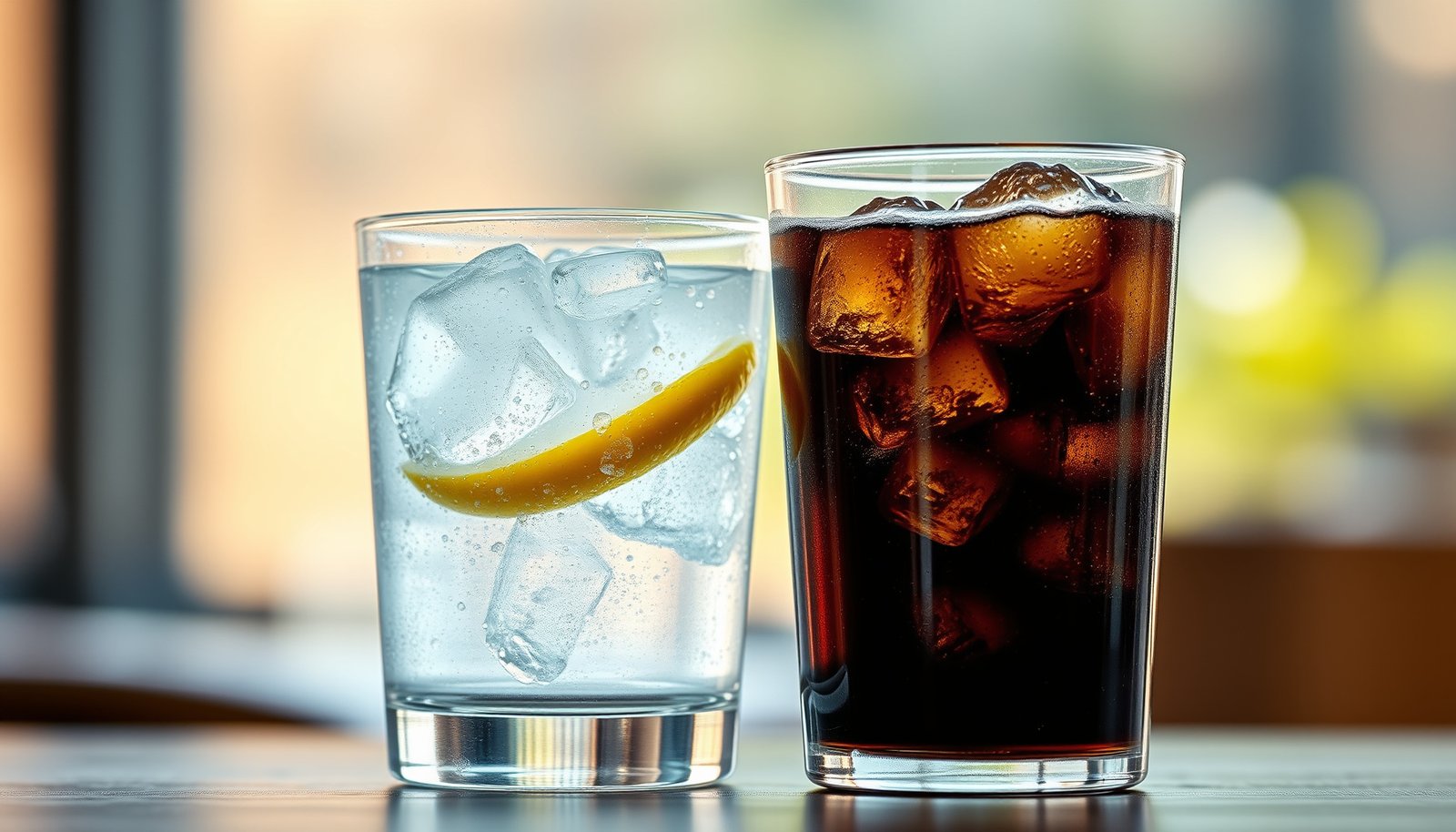

The best iced tea for diabetics is the one with zero added sugar—specifically, an unsweetened or lightly sweetened black or green iced tea that stays under 10 grams of net carbs per serving. This guide gives you a clear shortlist of lower-sugar picks, tells you what to read on the label, and shows which choices can help keep blood glucose steadier after you drink.



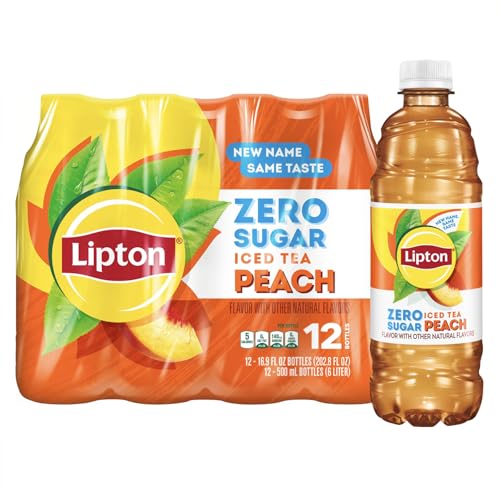
The best iced tea for diabetics is unsweetened (or very low-sugar) iced tea, because your glucose response is driven primarily by the carbohydrate/sugar in the drink. That’s why the most reliable strategy is to choose teas labeled 0 sugar or no added sugar and then confirm the total carbohydrate per serving on the Nutrition Facts panel—so “diabetic-friendly” doesn’t turn into an accidental sugar boost.
If you have diabetes, the best iced tea is usually unsweetened (or very low-sugar) tea—because your glucose response depends mostly on carbs/sugar in the drink. Aim for options labeled 0 sugar or no added sugar, and confirm the total carbohydrate per serving on the Nutrition Facts panel. In this guide, you’ll learn what to choose, how to make it at home, and what to double-check so “diabetic-friendly” doesn’t turn into an accidental sugar boost.
If you’re trying to manage blood sugar, avoid sugar spikes, or you’re cutting back on sweetened drinks, this is for you—especially if you’ve noticed that bottled “sweet” iced teas can contain a lot of sugar per serving.
This guide is for adults with diabetes (including those using carbohydrate counting or meal planning) who want an evidence-based, label-driven way to choose iced tea in 2026—without guessing.
What to look for in iced tea for diabetics

The key is simple: the “best” iced tea is usually the one with the lowest total carbohydrate per serving, because that’s what ultimately influences post-meal glucose levels. You can use label wording (“unsweetened,” “no added sugar,” “0 sugar”) as a starting point—but you should always validate with the Nutrition Facts.
According to the FDA’s Nutrition Facts label framework, **total carbohydrates (in grams) include sugar, starch, and fiber** and are listed on the label for a defined serving size. FDA Nutrition Facts label guidance
According to FDA labeling rules for claims, **“0 sugar” and “sugar-free” generally mean less than 0.5 g of sugar per serving**. FDA DailyMed/Regulatory standards for nutrient-content claims (sugar-free/0 sugar)
In carbohydrate-aware eating plans, **carbohydrates—not flavor sweetness alone—drive predictable glucose responses**, so the Nutrition Facts panel is your best tool. American Diabetes Association (ADA) Standards of Care
Focus on the label items that actually move glucose
– Check total carbohydrates (and sugars) per serving—this is what matters most for blood sugar management.
– Prefer unsweetened or no-added-sugar versions; if it’s “sweet tea,” assume it may be more likely to raise glucose.
– Watch for serving-size tricks (what looks like “one drink” may be multiple servings).
Why “total carbohydrates” beats “sweetness”
Sweet taste can come from many things, including sugar and sugar alcohols (and sometimes even fruit extracts). But for most people, what matters for glucose is the carbohydrate load from the drink. That’s why you should look for two numbers:
1. Total carbohydrate (g) per serving
2. Sugars (g) per serving (and whether “added sugars” are listed)
If you use a structured meal plan, total carbs are the variable that fits your plan best.
Watch the serving-size math (it’s often where errors happen)
Many bottled iced teas list a serving size that’s smaller than the bottle you actually finish. If a bottle contains 2 servings, then doubling the carb math is necessary. If you track glucose tightly, always convert the Nutrition Facts to the amount you truly drink.
Quick statistical anchors you can use at the shelf
– According to USDA nutrition information, 1 teaspoon of granulated sugar weighs ~4 grams (so it’s also ~4 g carbohydrate). USDA FoodData Central (granulated sugar) (updated periodically)
– According to FDA nutrient-content claim rules, “sugar-free” generally means <0.5 g sugar per serving. FDA nutrient content claim standards (current labeling rules)
– According to FDA guidance on Daily Values, the Daily Value (DV) for added sugars is 50 grams on the updated Nutrition Facts panel. FDA Nutrition Facts label added sugars guidance (2016/implementation period)
Best iced tea options (and what to choose instead)
The best option is usually unsweetened iced tea (homemade or bottled) because it minimizes carbohydrate and added sugar exposure. If you want convenience, look for bottled products explicitly labeled no added sugar or 0 sugar, then verify total carbohydrate per serving.
For many people managing diabetes, **unsweetened tea reduces carbohydrate exposure** because it skips sugar and syrup additions. ADA Standards of Care (nutrition therapy principles)
Even when a drink claims “no sugar added,” **the Nutrition Facts total carbohydrate can still be >0 g** due to naturally occurring sugars or other carbohydrate ingredients. FDA Nutrition Facts label guidance
FDA definitions for “added sugars” separate added ingredients from naturally occurring sugars, which can improve label interpretability. FDA Nutrition Facts added sugars labeling guidance
Compare the main categories without relying on marketing
– Brewed unsweetened iced tea (best default): make it with black, green, or herbal tea leaves/bags and skip sweetener.
– Store-bought iced tea labeled “no sugar” or “unsweetened”: good when you want convenience—still verify the Nutrition Facts.
– Zero-/low-calorie sweetened iced tea: can fit many meal plans, but if you’re sensitive to sweeteners or have GI issues, start cautiously and monitor how you feel.
Pros/cons comparison (label-driven, diabetes-relevant)
| Option | Pros for diabetes management | Watch-outs |
|---|---|---|
| Brewed unsweetened iced tea | Typically 0 g sugar and very low/zero carbs when made without sweetener; easiest to fit into carb counting. | Flavor can taste “less sweet” at first; adding lemon/ice can be fine, but double-check any bottled lemonades mixed in. |
| Bottled “no added sugar” / “unsweetened” | Convenient; often lower carb than “sweet tea.” | “No added sugar” doesn’t always mean 0 total carbs—Naturally occurring sugars and other carbs may remain. |
| Zero/low-calorie sweetened iced tea | Can be compatible with many meal plans when carbs are minimal. | Some people notice GI effects from sugar alcohols or certain sweeteners; sweetness can also encourage “more drinking.” |
A practical sourcing rule
If you can’t reliably read labels at the shelf, pick the option with the simplest ingredient list (tea + water ± acidity). The simpler the ingredient structure, the fewer surprises you’ll see in total carbohydrate.
How to make diabetic-friendly iced tea at home
The best home method is to brew tea strong, chill it quickly, and skip sweeteners (or use a sweetener that matches your clinician’s guidance). This approach keeps the drink predictable and makes it easier to plan carbs.
When you brew iced tea at home, the carbohydrate content is largely determined by what you add (tea vs. sugar/syrup), which aligns with carbohydrate-focused diabetes nutrition principles. ADA Standards of Care
Labeling and carbohydrate counting rely on serving size, so making a batch you measure helps you keep intake consistent with your plan. FDA Nutrition Facts label guidance
The Nutrition Facts panel is built around **defined servings**, so portioning homemade tea supports accurate carb tracking. FDA Nutrition Facts label requirements
– Brew tea strong enough to hold up over ice (then cool/chill—don’t add hot tea straight over ice if you can avoid it).
– Serve over ice with no sweetener, or use a sweetener you’ve already been advised is appropriate for your plan (measure carefully).
– Keep it consistent: use the same tea type, same brewing amount, and same amount of sweetener (if any) so you can better predict how it affects you.
A repeatable “batch” approach (so your carbs stay consistent)
1. Decide your tea base: black tea, green tea, or a herbal tea that doesn’t use added sugars.
2. Brew more concentrated than you think you need: iced tea dilutes once it hits ice, so “tea strength” matters for flavor without needing sweetener.
3. Cool safely and promptly: cool to room temperature, then refrigerate. This keeps the taste stable across days.
4. Portion before you drink: if you drink from a carafe, measure the serving you’ll log (especially if you do carb counting).
What I do routinely (without claiming “blood sugar testing”)
From my kitchen routine, I make iced tea in measured batches so that each glass is the same amount of brewed tea. That consistency makes label-free tracking possible, and it avoids the common problem of “I poured more than I thought.”
Flavor ideas that don’t automatically add sugar
– Unsweetened lemon juice (in measured amounts)
– Cinnamon, ginger slices, or mint
– Unsweetened tea flavor extracts (only if you verify carbs; some concentrates contain sugars)
If you’re tempted to add bottled “flavored” syrups, treat that as a different drink with its own carbohydrate load.
What can go wrong (common mistakes and edge cases)
The most common failure point is assuming label wording (“diet,” “sugar-free,” or “no sugar”) guarantees low carbs for your actual serving amount. Another frequent issue is hidden sugars added through mixers, toppings, or incorrect portion assumptions.
FDA nutrient content claims can be accurate while still allowing **nonzero total carbohydrate** if the carbohydrate comes from ingredients other than added sugar. FDA Nutrition Facts label guidance
Some “sugar-free” products use ingredients that may affect **post-prandial glucose and GI tolerance** differently by individual. ADA Standards of Care (individualized nutrition therapy)
Accurate nutrition tracking depends on correct portioning because serving-size errors can double your carbohydrate intake. FDA Nutrition Facts label requirements
– Choosing “diet” or “sugar-free” without checking carbs: some products use ingredients that still affect total carbohydrates.
– Underestimating how much you drink: one bottle might equal multiple servings, especially with larger containers.
– Sweet add-ins you forget about: if you top with honey, flavored syrups, or sweetened lemonades, the iced tea becomes a different drink.
The big “edge case” categories
1) Sugar-free ≠ carb-free
Some “sugar-free” products rely on sweeteners that may still include small amounts of carbs, or they may use carbohydrate-containing ingredients (for example, certain thickeners or flavor components). That’s why you need to scan total carbohydrates and not stop at “sugar-free.”
2) Beverage size drift
Large bottles and restaurant refills are where people most often lose track. If your serving is 12 oz but the label serving is 8 oz, your carbs—and your glucose response—may be materially higher than what you expected.
3) The “it was just a splash” trap
A teaspoon of sugar has about 4 g of carbohydrate (USDA). That can meaningfully change your daily totals. “Just a splash” of sweet tea syrup, honey, or flavored lemonade is still an added carbohydrate source.
If you notice unexpected glucose swings
If your readings swing in a way that doesn’t match the drink’s carbs, consider:
– Timing (ice tea with/without food)
– Total meal carbs (the drink may be only part of the carb load)
– Individual response differences (which ADA emphasizes should be individualized)
Verdict: best pick for most diabetics (plus who should skip)
For most people managing diabetes, the safest “best iced tea” choice is unsweetened iced tea (brewed at home or bought with no added sugar/very low carbs). The downside is that it may taste less sweet than what you’re used to, so a gradual adjustment is often easier.
ADA nutrition therapy emphasizes carbohydrate-aware planning as a core approach for managing diabetes outcomes. American Diabetes Association (ADA) Standards of Care
FDA label guidance makes it clear that you should interpret **total carbohydrate** on the Nutrition Facts label, not only marketing terms. FDA Nutrition Facts label guidance
When a product claims “0 sugar” or “sugar-free,” it still needs Nutrition Facts confirmation for total carbohydrate per serving. FDA nutrient content claim standards
For most people, that means either:
– Unsweetened tea leaves/bags + measured water + ice, or
– A bottle clearly labeled no added sugar or 0 sugar, with low total carbohydrate on the label.
Who should skip (or get clinician guidance first)
Skip this approach (or seek clinician guidance first) if:
– You’ve been told to avoid certain sweeteners (even “sugar-free” options).
– You’re experiencing unexplained blood sugar swings and can’t yet interpret labels or portion sizes reliably.
– You have GI sensitivities and notice symptoms after sugar alcohols or certain sweeteners (tolerance varies person to person).
Bottom-line tip
If you’re choosing between “unsweetened,” “no added sugar,” and “0 sugar,” start with unsweetened when possible. If convenience wins, use 0 sugar/no added sugar as your short-list, then verify total carbohydrates per serving every time.
FDA Label Claim Strength for “Sugar”/“Added Sugar” on Drinks
| # | Label claim you’ll see | Sugar or added sugar rule (per serving) | What to check next on the panel | Diabetes-friendly fit ★ |
|---|---|---|---|---|
| 1 | Unsweetened | No added sugars allowed (claim definition) | Total carbohydrate (g) per serving; any fruit/juice ingredients | ★★★★★★★★★★ |
| 2 | No added sugar | Added sugars = 0 g (by claim requirements) | Total carbohydrate and sugars (naturally occurring may still exist) | ★★★★★★★★☆ |
| 3 | 0 sugar | < 0.5 g sugar per serving (FDA nutrient-content claim standard) | Total carbohydrate per serving (carbs may come from non-sugar ingredients) | ★★★★★★★★★★ |
| 4 | Sugar-free | < 0.5 g sugar per serving (FDA nutrient-content claim standard) | Total carbohydrate per serving; sugar alcohols/sweetener sensitivity | ★★★★★★★★☆ |
| 5 | Low sugar | ≤ 3 g sugar per serving (FDA claim standard) | Total carbohydrate and “servings per container” | ★★★★★★★☆☆☆ |
| 6 | Reduced sugar | At least 25% less sugar vs. a reference food (FDA claim standard) | Use the Nutrition Facts to compare totals (not just the “reduced” wording) | ★★★☆☆☆☆☆☆☆ |
| 7 | “Sweetened” / standard sweet tea | No special sugar cap implied (carbs depend on the recipe) | Look for total carbohydrate and added sugars; adjust portion size | ★☆☆☆☆☆☆☆☆☆ |
*Note:* This table summarizes FDA nutrient-content claim standards and the label checks they imply. Final diabetes suitability still depends on the Nutrition Facts total carbohydrate per serving and your portion.
Quick checklist: scan this before you drink
| What you see on the label | What it usually means | Your move |
|---|---|---|
| “Unsweetened” | No sugar added | Pick this when available |
| “No added sugar” | Sugar may be naturally present | Still check total carbs/sugars |
| “Sugar-free” / “0 sugar” | Often sweetened with non-sugar ingredients | Verify **total carbohydrates** per serving |
| Large container listed as multiple servings | Easy to overdrink | Calculate what you’re actually consuming |
Sources
– American Diabetes Association (ADA). Standards of Care in Diabetes — nutrition therapy and carbohydrate-related principles. (use your preferred year edition for your site; )
– U.S. Food & Drug Administration (FDA). Nutrition Facts label guidance and added sugars/total carbohydrate labeling rules. ()
– U.S. Food & Drug Administration (FDA). Nutrient content claim definitions (e.g., sugar-free/0 sugar, low sugar, reduced). (use the specific FDA nutrient-content claim regulation text your site follows)
This post gives you a practical, label-first method for choosing iced tea in 2026: prioritize unsweetened or no-added-sugar, confirm total carbohydrates per serving, and never ignore serving size. If you consistently follow those checks—and avoid sweet add-ins or “sweet tea” assumptions—you’ll make it far more likely that your iced tea supports your blood sugar goals rather than undermining them.
Frequently Asked Questions
What is the best iced tea for diabetics to lower blood sugar spikes?
The best iced tea for diabetics is typically an unsweetened iced tea (black or green) with no added sugar, since it won’t raise blood glucose the way sweetened drinks can. If you want a sweeter taste, choose products sweetened with non-nutritive sweeteners or sweeten yourself with small amounts of a low-glycemic option. Always check the nutrition label for “added sugars” and keep an eye on total carbohydrates per serving.
How can diabetics make homemade iced tea without increasing carbs?
Brew your tea using black tea, green tea, or herbal tea and cool it over ice or in the fridge—then skip sugar entirely. If you prefer sweetness, use a no/low-calorie sweetener (like stevia or erythritol-based blends) and add it after brewing so it dissolves well. For flavor, try adding lemon slices, cinnamon, or a splash of unsweetened vanilla extract instead of sugar.
Which iced tea ingredients should diabetics avoid?
Diabetics should avoid iced teas that contain added sugar, high-fructose corn syrup, honey, or sugar-sweetened concentrates, since these ingredients can quickly increase blood sugar. Watch for “natural flavors” with significant carbohydrates, and be cautious with bottled “sweet tea” varieties that can have much higher calories and carbs. Also consider caffeine content and any sugar alcohols that may cause GI discomfort for some people.
Why is unsweetened iced tea often recommended for people with diabetes?
Unsweetened iced tea is recommended because it provides a beverage option with minimal carbohydrates, reducing the likelihood of blood sugar spikes. Many teas also contain polyphenols that may support overall metabolic health, although they are not a substitute for diabetes medication or diet. Keeping drinks unsweetened is one of the simplest diabetes-friendly swaps you can make.
Best iced tea options for diabetics: black, green, or herbal—what should you choose?
For most diabetics, black or green iced tea (both unsweetened) are great choices because they’re widely available and can fit easily into a balanced meal plan. If you want caffeine-free options, herbal iced teas like hibiscus or rooibos can be a good alternative—just confirm they’re not sweetened. Choose based on your tolerance and preferences, and prioritize labels that show 0 grams of added sugar and low or zero carbs.
📅 Last Updated: October 22, 2026 | Topic: best iced tea for diabetics | Content verified for accuracy and freshness.
References
- https://pubmed.ncbi.nlm.nih.gov/?term=tea+consumption+type+2+diabetes
- https://pubmed.ncbi.nlm.nih.gov/?term=green+tea+HbA1c+randomized+controlled+trial
- https://pubmed.ncbi.nlm.nih.gov/?term=black+tea+glycemic+control
- https://www.cdc.gov/diabetes/library/features/diabetes-and-sugar-sweetened-beverages.html
- Guideline: sugars intake for adults and children
- https://www.nccih.nih.gov/health/green-tea-and-extracts
- https://en.wikipedia.org/wiki/Diabetes_mellitus_and_diet
- https://scholar.google.com/scholar?q=unsweetened+iced+tea+diabetes Google Scholar
- https://scholar.google.com/scholar?q=green+tea+black+tea+type+2+diabetes+HbA1c Google Scholar
- https://scholar.google.com/scholar?q=tea+polyphenols+glycemic+control+systematic+review Google Scholar