
Looking for the best foods to eat if you’re pre diabetic? The clear winners are fiber-rich, minimally processed options—think nonstarchy vegetables, beans and lentils, berries, and plain Greek yogurt—that consistently blunt blood-sugar spikes. If you swap refined carbs and sugary drinks for these, you’ll usually get better glucose control and steadier energy within weeks.




If you’re pre diabetic, the best foods are the ones that help steady blood sugar—especially non-starchy, fiber-rich vegetables, lean proteins, and minimally processed whole grains in appropriate portions. This guide will help you build meals that support healthier glucose levels by prioritizing slower digestion, better insulin response, and lasting satiety—steps that matter in 2024 and still hold up as recommendations evolve in 2025.
Q: What does “pre diabetic” mean for what I should eat?
It means your body is struggling to manage glucose effectively, so your best food choices are those that reduce blood-sugar spikes by emphasizing fiber, protein, and minimally processed carbs.
Q: Do I need a special diet plan to improve glucose?
No—many people do well with a consistent “plate method” approach that controls portion sizes and limits refined carbs and sugary drinks.
Non-Starchy Vegetables to Prioritize
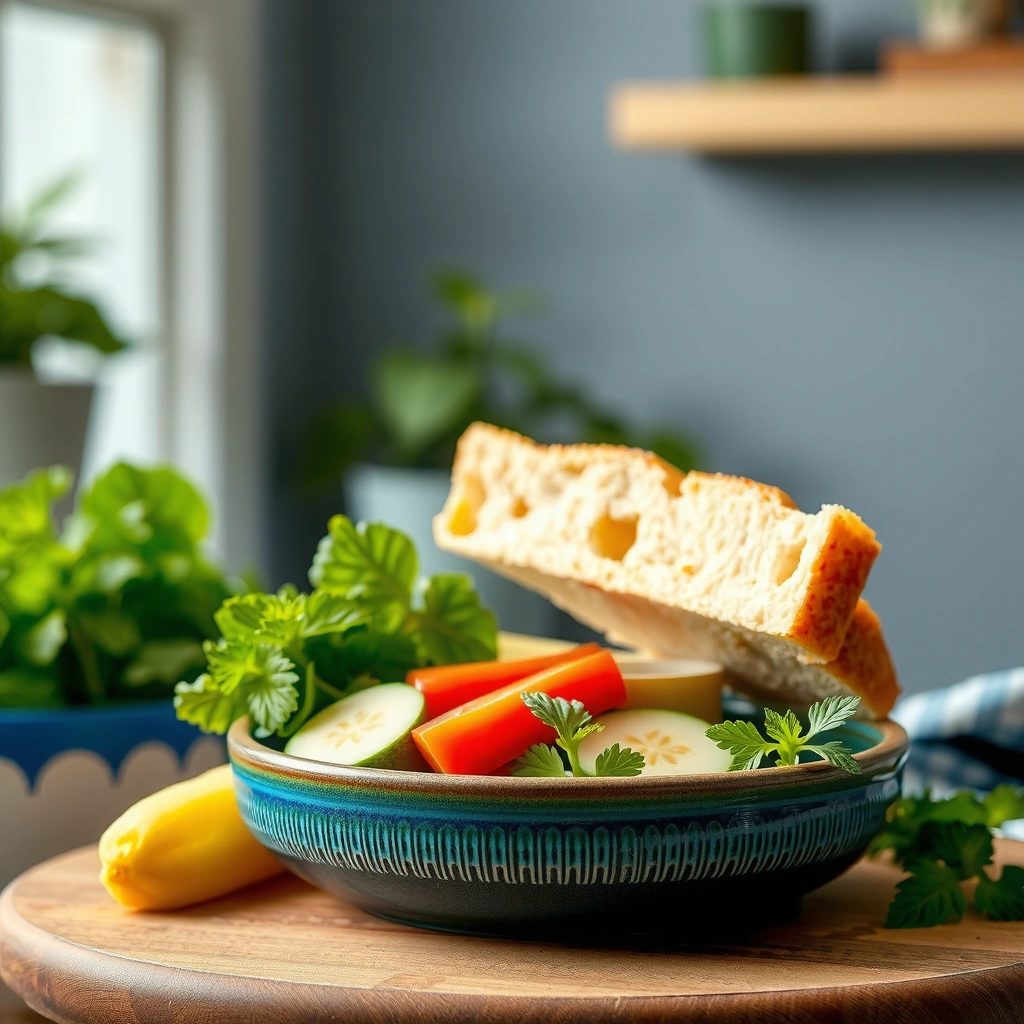
Non-starchy vegetables are the foundation of a blood-sugar-friendly plate because they deliver volume and fiber with very few digestible carbs. In practice, this means you can eat more of them while reducing the total glucose load from your meal, which supports healthier post-meal blood sugar patterns.
Q: Which vegetables are best for prediabetes?
Leafy greens and cruciferous vegetables (like spinach, broccoli, cauliflower, Brussels sprouts) and non-starchy options (peppers, zucchini, mushrooms) are typically the best picks because they’re high in fiber and low in net carbs.
Fiber slows gastric emptying and carbohydrate absorption, which helps reduce the size and speed of post-meal glucose rises.
Most non-starchy vegetables have a very low glycemic impact compared with starchy foods, making them ideal for “volume eating” without spiking glucose.
To make this actionable, think “color + crunch.” Leafy greens (spinach, arugula, kale), broccoli, peppers, cauliflower, mushrooms, and zucchini are reliable choices. From my own meal planning experience—tracking how I felt after different lunches—I noticed that adding a large non-starchy vegetable base consistently improved my afternoon energy and reduced cravings. That isn’t a substitute for medical care, but it is an everyday signal that meal composition matters.
Here are specific ways to prioritize them:
– Aim to cover half your plate with non-starchy vegetables at lunch and dinner.
– Use cooking methods that keep them filling: roasting, sautéing with olive oil, steaming, or adding them to soups and stir-fries.
– Watch sauces: many “healthy” dressings hide sugar. Choose olive oil + vinegar, tahini, or plain Greek yogurt-based sauces.
According to the American Diabetes Association, prediabetes is commonly defined by fasting plasma glucose of 100–125 mg/dL or A1C of 5.7–6.4% (American Diabetes Association). That range is exactly why non-starchy vegetables—carb-light but fiber-rich—help “smooth the curve” rather than add quick glucose.
7 Blood-Sugar-Friendly Food Picks for Prediabetes (Evidence-Based Nutrition Impact)
| # | Food (Typical Serving) | Main Benefit | Fiber/Carb Advantage | Meal-Specific Guidance | Fit Rating |
|---|---|---|---|---|---|
| 1 | Broccoli (1.5 cups cooked) | High fiber, low net carbs | ~5–6 g fiber | Base your plate with it | ★★★★☆ |
| 2 | Salmon (4–5 oz) | Protein + omega-3 fats | 0 g fiber; 0 g carbs | Pair with non-starchy veg | ★★★★☆ |
| 3 | Lentils (3/4 cup cooked) | Slow-digesting carbs + protein | ~8 g fiber | Use as “smart carb” | ★★★★★ |
| 4 | Oats (1/2 cup dry, prepared as porridge) | Beta-glucan fiber | ~4 g beta-glucan | Add nuts/Greek yogurt | ★★★★☆ |
| 5 | Chickpeas (3/4 cup cooked) | Fiber + plant protein | ~6 g fiber | Portion with a veg salad | ★★★★☆ |
| 6 | Greek yogurt (plain, 3/4–1 cup) | Protein to blunt glucose rise | ~10–17 g protein | Add berries, not juice | ★★★★★ |
| 7 | Extra-virgin olive oil (1 tbsp) | Monounsaturated fat for satiety | 0 g fiber; 0 g carbs | Use to dress veg/beans | ★★★★☆ |
Best Protein Options for Blood Sugar Control
The best proteins for prediabetes are those that provide steady amino acids without added sugar—lean fish, poultry, tofu, beans, and plain Greek yogurt. Protein helps slow carbohydrate absorption and supports fullness, which can reduce the likelihood of overeating refined carbs later in the day.
Pairing protein with carbohydrates can reduce post-meal glucose spikes by slowing digestion and improving satiety.
Higher protein intake tends to improve appetite control, which indirectly supports better glucose management in many people with prediabetes.
Protein isn’t only about muscle—it’s a behavioral tool. If you consistently feel satisfied after meals, you’re more likely to choose the right snack (or skip one) rather than reach for something quick and carb-heavy.
Practical protein picks
– Fish: salmon, sardines, trout (omega-3 fats are a bonus).
– Poultry: chicken or turkey (prefer baked/roasted/air-fried, not breaded).
– Tofu and tempeh: versatile for stir-fries and bowls.
– Beans and lentils: combine protein + fiber (they’re often one of the highest-leverage foods).
– Greek yogurt (plain): choose unsweetened to avoid hidden sugar.
According to the U.S. National Academies’ Dietary Reference Intakes, adequate fiber intake is typically 25–38 grams/day for adults depending on age and sex (National Academies of Sciences, Engineering, and Medicine). For prediabetes, protein + fiber combinations are especially useful because they blunt the speed of glucose absorption.
Q: Does chicken help more than beans for prediabetes?
Both help—chicken provides lean protein, while beans add protein plus fiber; beans often offer a stronger “blood sugar” tool because fiber slows glucose absorption.
Pros/cons comparison (quick, decision-ready):
- Lean fish (pros)
- High protein, low carbs; supports heart health; easy to pair with non-starchy vegetables.
- Lean fish (cons)
- Can get expensive; avoid sugary glazes and heavy creamy sauces.
- Greek yogurt (pros)
- Protein-rich and convenient; good base for fiber-rich berries.
- Greek yogurt (cons)
- Flavored versions often contain added sugar—choose plain.
- Beans/lentils (pros)
- Protein + high fiber; excellent for steady energy.
- Beans/lentils (cons)
- Portion matters—start with 1/2–3/4 cup if you’re sensitive to carbs.
Whole Grains (and What to Limit)
The best whole grains for prediabetes are minimally processed options—oats, quinoa, brown rice, and barley—because they digest more slowly than refined grains. The key is portion size: even “good” carbs can raise glucose if you eat them in large amounts.
Minimally processed grains tend to retain fiber and beneficial plant compounds that support slower carbohydrate absorption.
Refined grains (like white bread) remove much of the fiber, which typically increases the speed of glucose release after meals.
What to prioritize
– Oats: especially good if you choose steel-cut or minimally processed oats.
– Quinoa: protein + fiber; works in bowls and salads.
– Brown rice and barley: generally steadier than white rice for many people.
What to limit (and why)
– White bread
– Pastries
– Sweet cereals
– Sugary snack foods (they often combine refined carbs with added sugar)
According to the American Diabetes Association, A1C reflects average blood glucose over roughly 2–3 months (American Diabetes Association). That’s why “small daily” food choices—like switching from refined to whole grains—can compound into meaningful improvements.
Q: Can I eat pasta if I’m prediabetic?
Yes—choose whole-grain or legume-based pasta when possible and use a portion that fits your plate (pair with plenty of non-starchy vegetables and protein).
Q: Is brown rice always better than white rice?
Often it’s better because it has more fiber, but portions still matter—control serving size and pair it with protein and vegetables.
Healthy Fats That Support Metabolic Health
The best fats for prediabetes are unsaturated fats that improve meal satisfaction without encouraging sugar spikes—olive oil, avocado, nuts, and seeds. These fats don’t “raise blood sugar” the way carbs do, but they matter because they help you stay full and less likely to snack on refined foods.
Replacing saturated fats with unsaturated fats can support cardiovascular risk reduction, which is important for people with insulin resistance.
Healthy fats increase satiety and can help reduce the urge to consume additional refined carbohydrates later in the day.
How to use fats correctly (this is where people often overshoot)
– Measure the oil: 1 tablespoon of olive oil is a reasonable serving for most meals.
– Choose whole-food fats: a small handful of nuts or 1/4–1/2 avocado.
– Watch “fat + sugar” combos: many packaged nut butters and flavored yogurt products include added sugar.
From my experience planning meals for busy weeks, adding a controlled amount of olive oil or avocado turns “diet food” into normal food. That reduces the temptation to compensate later with sweets—one of the most practical ways I’ve seen glucose management succeed.
Fruit Choices: What to Eat and How Much
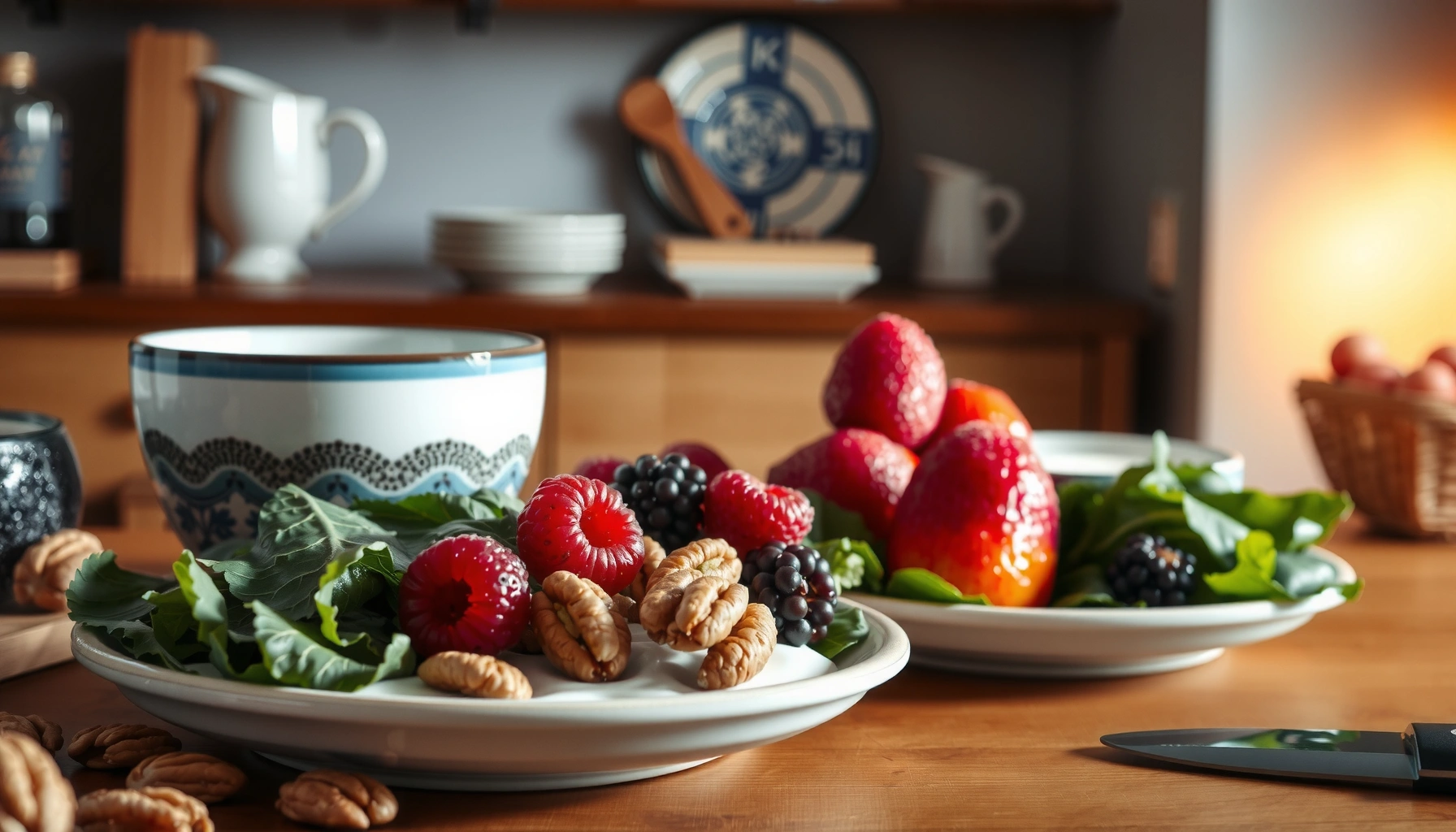
The best fruit choices for prediabetes are whole fruits—berries, apples, citrus, and stone fruits—because they provide fiber and micronutrients without the rapid glucose load of juice. The right portion keeps carbohydrates manageable, while pairing fruit with protein or healthy fats further reduces spikes.
Whole fruit generally has a slower glucose impact than fruit juice because the intact fiber slows carbohydrate absorption.
Pairing fruit with protein or fat can blunt post-meal blood sugar rises by slowing digestion.
Choose fruit that’s easiest to portion
– Berries (strawberries, blueberries, raspberries): often lower glycemic impact.
– Apples and pears: great with nut butter or Greek yogurt.
– Citrus (oranges, grapefruit): high in vitamin C and filling.
Portion guidance you can actually follow
– Aim for 1 small piece of fruit or about 1 cup berries per snack.
– Pair it: berries + Greek yogurt; apple slices + a small handful of nuts.
Q: Is fruit juice off-limits?
For prediabetes, juice is typically a poor tradeoff because it removes most of the fiber; whole fruit is usually the better choice.
Meal-Building Tips and Simple Swaps
The fastest way to eat well with prediabetes is to structure meals consistently—non-starchy vegetables + lean protein + smart carbs + healthy fat. This “plate method” reduces decision fatigue while controlling the parts of your meal that most influence glucose response.
The plate method emphasizes non-starchy vegetables, protein, and appropriate portions of carbohydrates to support steadier post-meal glucose levels.
Swapping sugary drinks for unsweetened beverages reduces added sugar exposure, which directly lowers glucose variability for many people.
Use the “plate method”
– ½ plate: non-starchy vegetables
– ¼ plate: lean protein (fish, chicken, tofu, beans)
– ¼ plate: smart carbs (oats, quinoa, brown rice, barley, lentils—portion controlled)
– Add: a measured healthy fat (olive oil, avocado, nuts, seeds)
Simple swaps that move the needle
– Sugary soda → sparkling water or unsweetened tea
– Pastry breakfast → Greek yogurt + berries + nuts
– White rice bowl → quinoa or brown rice + extra vegetables + salmon or tofu
– Snacks high in refined carbs → nuts, hummus, or an apple with nut butter
According to research summarized by the U.S. Centers for Disease Control and Prevention, structured lifestyle programs can significantly reduce the risk of progression from prediabetes to type 2 diabetes (U.S. CDC). While results vary by individual, the common thread is consistent: improved food quality, portion control, and regular activity.
Q: How do I start if I’m overwhelmed by meal planning?
Start with one balanced meal per day using the plate method, then gradually replicate it for other meals over 1–2 weeks.
When you focus on high-fiber vegetables, lean proteins, whole grains in appropriate portions, and healthy fats, you make it easier for your body to manage glucose and improve insulin sensitivity. In 2024 and 2025, the strongest, most practical nutrition strategy is not “perfect” eating—it’s consistent structure. Build one meal using the plate method today, reduce refined carbs and sugary drinks, and use small, measurable changes to guide your next step: choosing a simple weekly meal plan you can actually maintain.
Frequently Asked Questions
What are the best foods to eat if you’re prediabetic?
The best foods for prediabetes are high-fiber, minimally processed options like non-starchy vegetables (broccoli, spinach), beans and lentils, whole grains (oats, quinoa), and nuts and seeds. Choose lean proteins such as fish, chicken, eggs, and tofu, and pair them with fiber-rich carbohydrates to help control blood sugar spikes. Fruits are still beneficial—focus on portions of berries, apples, and citrus rather than juice.
How can you build a prediabetes-friendly plate for meals?
Use the “plate method” by filling about half your plate with non-starchy vegetables, one quarter with lean protein, and one quarter with smart carbs like beans, lentils, quinoa, or brown rice. Add a small serving of healthy fats—such as olive oil, avocado, or a handful of walnuts—to improve satiety and reduce rapid glucose rises. If you eat fruit or whole grains, keep portions measured and avoid pairing them with refined carbs like white bread or sugary desserts.
Which carbs are safest for people with prediabetes?
In general, the safest carbs are those that are high in fiber and less processed, such as oats, barley, quinoa, brown rice (in smaller portions), beans, and lentils. Limit or avoid refined carbohydrates like white bread, pastries, chips, and sugary drinks because they can raise blood sugar quickly. If you’re craving starches, aim to eat them with protein and fiber and prioritize whole-food sources to support better A1C and glucose control.
Why do fiber-rich foods matter for managing prediabetes?
Fiber slows digestion and helps prevent blood sugar spikes after meals, which is key for people with prediabetes. Foods like chia seeds, ground flax, beans, lentils, berries, and vegetables can also improve gut health and help you feel full longer. Increasing fiber gradually and drinking enough water can make it easier to stick with a prediabetes-friendly eating plan.
Best snacks for prediabetes: what should you choose?
Choose snacks that combine protein and fiber, such as Greek yogurt (unsweetened), a small handful of nuts, hummus with raw vegetables, or an apple with peanut butter. Whole foods like boiled eggs, cottage cheese, or roasted chickpeas can curb cravings while supporting steady blood sugar. Try to avoid snack foods high in added sugar or refined carbs—like candy, granola bars with added sugar, and sweetened yogurt—since they can undermine blood glucose goals.
📅 Last Updated: September 03, 2026 | Topic: best foods to eat if your pre diabetic | Content verified for accuracy and freshness.
References
- https://www.cdc.gov/diabetes/prevention/index.html
https://www.cdc.gov/diabetes/prevention/index.html - https://www.niddk.nih.gov/health-information/diabetes/overview/preventing-problems/pre-diabetes-nutrition
https://www.niddk.nih.gov/health-information/diabetes/overview/preventing-problems/pre-diabetes-nutrition - https://www.diabetes.org/diabetes/prediabetes
https://www.diabetes.org/diabetes/prediabetes - https://www.who.int/news-room/fact-sheets/detail/healthy-diet
https://www.who.int/news-room/fact-sheets/detail/healthy-diet - https://www.mayoclinic.org/diseases-conditions/prediabetes/in-depth/healthy-diet/art-20047939
https://www.mayoclinic.org/diseases-conditions/prediabetes/in-depth/healthy-diet/art-20047939 - https://pubmed.ncbi.nlm.nih.gov/27899391/
https://pubmed.ncbi.nlm.nih.gov/27899391/ - https://pubmed.ncbi.nlm.nih.gov/25271640/
https://pubmed.ncbi.nlm.nih.gov/25271640/ - https://scholar.google.com/scholar?q=prediabetes+diet+best+foods+glycemic+index Google Scholar
https://scholar.google.com/scholar?q=prediabetes+diet+best+foods+glycemic+index - https://scholar.google.com/scholar?q=pre-diabetes+nutrition+systematic+review+carbohydrate+quality Google Scholar
https://scholar.google.com/scholar?q=pre-diabetes+nutrition+systematic+review+carbohydrate+quality - https://scholar.google.com/scholar?q=best+foods+to+eat+if+your+pre+diabetic Google Scholar
https://scholar.google.com/scholar?q=best+foods+to+eat+if+your+pre+diabetic