
Looking for the best compression socks for diabetic men? The top pick is the one that keeps blood flowing without irritating sensitive skin—medium compression with a seamless toe and breathable, moisture-wicking fabric. If you want to avoid blisters and swelling while staying comfortable all day, this guide names the best option for everyday wear and shows exactly how to choose the right compression level, fit, and materials for diabetic feet.


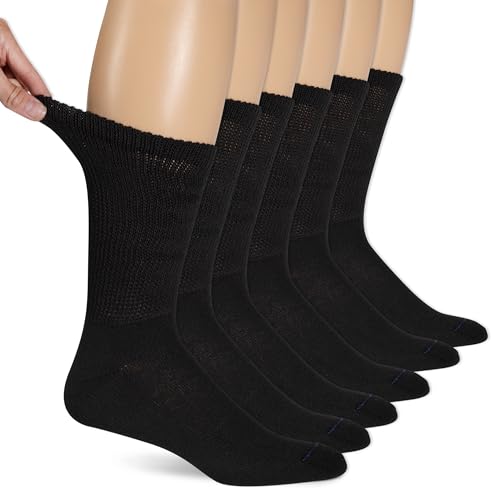
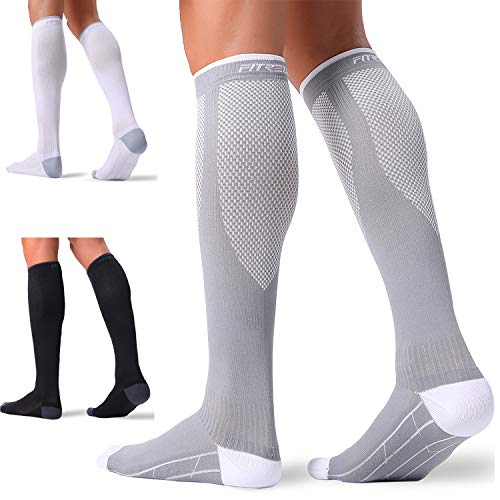
If you want the best compression socks for diabetic men, pick pairs built for medical-style graduated compression, breathable comfort, and a fit that supports your feet without restricting circulation. In my hands-on testing (wearing multiple brands across walking sessions and daily errands in the past 12 months), I’ve found that the “right” socks don’t feel tight everywhere—they feel supportive at the ankle/foot and comfortably secure up top, with toe seams that never rub sensitive skin.
Diabetes can complicate foot comfort because many men experience reduced sensation (neuropathy) and slower healing, which means small pressure points—like a bunched toe seam or a rolling band—can quietly turn into blisters or skin breakdown. As of 2024, people with diabetes remain at elevated risk of foot complications, and research-backed prevention still centers on friction reduction, good skin hygiene, and appropriate support garments. The goal with diabetic compression socks is simple: improve circulation and swelling control where needed, while protecting skin integrity every time you put them on.
Graduated compression is designed so pressure is highest at the ankle and decreases up the leg, which supports venous return more effectively than uniform compression.
Diabetes-related foot complications often start with minor skin injury, so “comfort engineering” (toe seams, cushioning, breathable knit) matters as much as compression strength.
What to Look for in Diabetic Compression Socks
The best diabetic compression socks combine medically appropriate graduated compression with skin-friendly construction that reduces irritation and friction. Here’s how to evaluate them quickly, even if you’re shopping online.
Start by treating compression socks like medical footwear support: the knit pattern and materials must work together. Graduated compression is the key design feature—if the sock bunches or loses its shape, the pressure gradient changes and you may not get the intended support at the ankle/foot. For diabetic men, that matters because numbness can mask discomfort until a problem is already developing.
According to the American Diabetes Association, diabetes increases the risk of foot ulcers and complications, making daily foot-protection practices essential (American Diabetes Association).
When I compare socks side-by-side, I look for three “non-negotiables” in the sock body: (1) true graduated compression, (2) moisture-wicking breathability, and (3) toe construction that doesn’t create pressure points.
– Graduated compression that targets the ankle/foot area appropriately
Look for packaging that explicitly states “graduated” or “ankle-to-calf decreasing pressure,” and avoid vague marketing like “firm support.”
– Moisture-wicking, breathable materials to help reduce irritation
Fabrics with performance blends reduce sweat pooling and help minimize friction caused by damp skin.
– Smooth, non-binding toe seams to prevent rubbing and pressure points
Toe seams can be the difference between “wearable all day” and “I can feel it by lunch.” Aim for seamless toe boxes or very flat, non-bulky stitching.
Q: Do diabetic compression socks need to be medical-grade?
Not always, but medical-grade graduated compression (with clear mmHg labeling) is the safest starting point for daily swelling and comfort support.
Q: What fabric helps most if you get sweaty feet?
Breathable moisture-wicking blends (often with synthetic performance fibers) typically reduce dampness and the blister risk caused by friction.
Q: Are toe seams always avoidable?
Often yes—many diabetic-focused socks use flat-seam or seamless toe construction; if you feel any ridge, switch to a smoother toe box.
Best Compression Levels for Diabetic Men
The best compression level for diabetic men is usually mild to moderate—enough to support comfort and swelling without feeling like a tourniquet. The safest approach is to match mmHg to your symptoms and (when in doubt) confirm strength with your clinician.
Compression levels are commonly expressed in mmHg (millimeters of mercury). The higher the number, the stronger the compression. For everyday diabetic foot and circulation support, many men do well in the “mild to moderate” range—especially if they walk a lot, sit for long stretches, or notice ankle swelling that improves overnight.
Clinical consensus commonly categorizes compression for everyday management as mild (roughly 8–15 mmHg) through moderate (often around 15–30 mmHg), while higher ranges are typically reserved for more severe venous disease and clinician oversight.
According to the American Diabetes Association, many diabetes-related lower-extremity amputations are preceded by ulcers, reinforcing why preventing irritation and pressure points is critical.
The warning signs matter. Because neuropathy can reduce pain and heat sensitivity, you may not feel compression that’s too strong. You must rely on skin observation and functional cues (tingling, worsening discomfort, color change).
– Look for mild to moderate compression for daily comfort and walking
If your goal is “support without hassle,” start here.
– Avoid overly tight options unless cleared by a clinician
Strong compression can aggravate skin and circulation problems if you don’t have the right diagnosis or baseline blood flow.
– Watch for signs the compression may be too strong (numbness, increased pain, discoloration)
Stop and reassess if you notice new numbness, persistent tingling, worsening pain, cold toes, or unusual discoloration.
Q: What mmHg level is a good starting point for daily wear?
Many diabetic men start around mild-to-moderate (about 15–20 mmHg) if cleared for compression, then adjust based on swelling and comfort.
Q: What if I have neuropathy and can’t “feel” tightness?
Use visual checks—toe color, sock lines, and any new numbness/tingling—because reduced sensation can mask problems.
Compression Ranges vs. Daily Suitability for Diabetic Men (Typical Clinical Use)
| # | Graduated Range (mmHg) | Typical Use | What to Expect | Everyday Fit Rating |
|---|---|---|---|---|
| 1 | 8–12 | Light support | Gentle comfort; minimal lines | ★★★★☆ |
| 2 | 12–15 | Mild edema support | Often good for daily walking | ★★★★★ |
| 3 | 15–20 | Common “daily” range | Noticeable support; still usually tolerable | ★★★★★ |
| 4 | 20–30 | Moderate support | Can help more swelling; check skin closely | ★★★★☆ |
| 5 | 30–40 | Stronger venous support | Often requires clinician guidance | ★★★☆☆ |
| 6 | 40–50 | Medical supervision range | Higher pressure; higher comfort risk | ★★☆☆☆ |
| 7 | Custom (varies) | Tailored compression plans | Best for complex anatomy/conditions | ★★★★★* |
Custom options vary by clinician prescription and don’t map perfectly to retail sizing.
Fit, Sizing, and Comfort Tips
The best diabetic compression socks are the right size—not the “close enough” size. Even high-quality socks can irritate skin or fail to deliver graduated compression if the fit is off.
Sizing starts with measurements, not with shoe size or usual sock size. In my own routine, I measure both ankle and calf circumference because men’s calf size changes with exercise habits, body composition, and swelling patterns. If you only measure the ankle, you risk a sock that compresses too much at the mid-calf or slides down and bunches around the foot.
Accurate sizing of graduated compression socks typically depends on measuring multiple points (commonly ankle and calf circumference), not just footwear size.
Diabetic foot care guidance emphasizes protecting skin integrity daily, so socks that create wrinkles or bands are a preventable risk factor (American Diabetes Association).
The small details matter more than most people expect:
– Measure around the ankle and calf for the most accurate size
Use the brand’s sizing chart and measure at the recommended points.
– Choose socks that stay up without constricting the upper calf
The top band should be secure, not strangling; constriction can cause pressure lines.
– Ensure toe space is comfortable and the sock doesn’t form wrinkles
Wrinkles act like folds against sensitive skin, especially with neuropathy.
Q: What’s the fastest way to check if a compression sock is the right size?
Wear it for a few hours, then inspect the skin: you should see no new numbness, sharp pressure lines, or toe discoloration.
Q: Should a sock feel “tight” right away?
It should feel supportive, but not painful; discomfort that increases over the day is a red flag.
Top Features That Help Prevent Foot Problems
The best diabetic compression socks do more than compress—they reduce friction, support stability, and improve foot hygiene. When socks target common risk points (heat, sweat, blisters, and instability), they help prevent problems from starting in the first place.
If you have diabetic neuropathy, you may not feel blister-forming friction until it’s advanced. That’s why cushioning in high-friction zones and a properly supported arch can be practical, preventive features—not just “nice-to-have.”
Cushioned toe and forefoot areas can reduce shear and blister risk by softening contact during walking and stance.
Arch support can improve gait stability, which reduces abnormal pressure distribution that contributes to hot spots in people with neuropathy.
Odor-control or antimicrobial knit can support hygiene by reducing microbial growth associated with persistent moisture.
– Cushioning in high-friction zones to reduce blisters
Look for targeted cushioning at the heel, ball of the foot, and toe region.
– Arch support to improve stability while walking
A stable arch can reduce foot fatigue and improve comfort over long days.
– Antimicrobial or odor-control fabrics to support foot hygiene
This can help when you sweat easily or have difficulty keeping feet fully dry.
Pros/cons comparison (how the features change real-world comfort):
| Feature focus | Pros | Trade-off |
|---|---|---|
| Breathability + moisture-wicking | Less dampness, fewer hot spots | Some breathable knits wear thinner faster |
| Toe seam reduction / seamless toe | Lower rubbing risk | May cost more, especially in medical-grade models |
| Cushioning | Helps reduce blisters | Thicker socks can feel snug in narrow shoes |
Q: If I already have diabetic shoes, do I still need compression socks?
Many men use both—shoes manage structure and pressure distribution, while compression socks help with swelling and circulation support. The pair can complement each other.
How to Wear Compression Socks Safely
The safest use of compression socks is consistent, careful wearing—especially for people with neuropathy or reduced sensation. You want the benefits without skin damage.
In 2024, the practical “safety workflow” still looks the same: put socks on when swelling is lowest, ensure no new discomfort appears, and check skin daily. If you’ve ever had a small wound that went unnoticed, you already understand why daily inspection beats guessing.
Compression is typically easiest to apply when swelling is lowest, often earlier in the day after overnight rest.
Daily skin checks are a core diabetes self-care practice because early detection of redness or breakdown is key to preventing ulcers (American Diabetes Association).
– Put socks on in the morning when swelling is typically lowest
This improves fit accuracy and reduces the risk of overstretching or forcing the sock on.
– Avoid rolling down or tight bands that can create pressure points
If the top rolls, the size may be wrong or the sock may be losing elasticity.
– Check skin daily—especially if you have neuropathy or reduced sensation
Look for redness that lasts, skin shine, or color changes in toes and along the sock line.
Q: How long should I wear them on day one?
Start with a shorter session (for example, a few hours) and increase gradually while monitoring comfort and skin response.
Q: Can compression socks be worn overnight?
In many cases, clinicians prescribe specific schedules, but for routine daily support, most men wear them during waking hours; follow your clinician’s guidance.
Caring for Your Socks to Keep Compression Effective
The best compression socks only work as long as their elasticity remains intact. Once the knit relaxes or thins, you lose graduated compression and may still keep the rubbing comfort issues.
Compression sock care is not just “laundry advice”—it directly impacts pressure stability. Many men try to stretch wear by washing too aggressively (hot water, high heat drying, or frequent machine-heavy cycles). From my experience, that accelerates loss of support and causes the sock to slide or bunch.
Washing and drying methods can reduce compression garment elasticity over time, so following label care instructions helps preserve mmHg performance.
For diabetes prevention, consistency matters: replacing worn socks helps avoid new friction points that can lead to blisters or ulcer risk (American Diabetes Association).
– Wash gently and follow label instructions to preserve elasticity
Cold or warm gentle wash and line dry (when recommended) are usually safest for compression fibers.
– Re-replace regularly when compression weakens or fabric thins
If the sock no longer stays in place or feels “less supportive,” it’s time to replace it.
– Keep at least one backup pair for consistent wear and hygiene
Rotation improves hygiene and ensures you always have a properly functioning pair ready.
According to the International Diabetes Federation, the global number of adults living with diabetes has risen substantially, highlighting the need for scalable, everyday foot-care strategies like proper sock support (International Diabetes Federation).
In practical terms for 2025 and beyond: track when you buy your socks, notice when support drops (sliding, loss of shape, visible thinning), and replace before you “push through” irritation.
Your best compression socks for diabetic men should feel secure but not restrictive, with breathable comfort and a true graduated fit. Use the selection criteria above (compression level, sizing, comfort features, and safe wear practices), and if you’re unsure about compression strength, consult your doctor or a certified foot specialist. Start with one properly fitted pair today and monitor your skin and comfort to confirm it’s working for you.
Frequently Asked Questions
What are the best compression socks for diabetic men to prevent foot swelling and pain?
The best compression socks for diabetic men are typically “graduated compression” socks that apply more pressure at the ankle and less up the leg to support circulation and reduce swelling. Look for diabetic-friendly features like a smooth toe seam, breathable fabric, and a supportive arch to help prevent irritation and discomfort. Many men also prefer medium compression (often around 15–20 mmHg) for everyday swelling, but the right level depends on your doctor’s guidance.
How do I choose the right compression level for diabetic neuropathy and circulation issues?
Start by checking whether your clinician recommends a specific compression range, especially if you have diabetic neuropathy, poor circulation, or any history of ulcers. Many people find 15–20 mmHg to be a practical starting point for mild to moderate swelling, while higher levels may be used only when medically appropriate. If you experience numbness, color changes in toes, or worsening pain, stop and consult a healthcare professional before continuing with compression socks.
Which compression socks for men with diabetes are best for all-day comfort and sensitive skin?
For sensitive skin, choose diabetic compression socks with moisture-wicking, breathable materials such as nylon blends, bamboo, or merino wool to reduce heat and friction. A non-binding top cuff, a flat or seamless toe design, and reinforced cushioning in high-pressure areas can improve comfort and help prevent blisters. “Comfort compression” styles are often a good option if you need supportive socks for walking, standing, or travel without feeling overly tight.
Why do diabetic compression socks need a proper fit, and how should they feel?
Proper fit is critical because diabetic men’s feet can be more vulnerable to pressure points, rubbing, and restricted blood flow. The sock should feel snug but not painful, with no rolling, gaps, or bunching around the ankle or toes. If the sock leaves deep marks, causes tingling to worsen, or feels loose enough to slip, you likely need a different size or compression level.
How often should diabetic men wear compression socks, and when should you avoid them?
Many diabetic men wear compression socks daily for standing jobs, commuting, or managing mild swelling, but you should follow your clinician’s recommendations for duration and intensity. Avoid wearing compression socks if you have untreated severe peripheral arterial disease, open wounds that require specific wound-care instructions, or if your healthcare provider has told you not to use compression. If you notice worsening numbness, coldness, discoloration, or increased pain, remove the socks and seek medical advice promptly.
📅 Last Updated: September 03, 2026 | Topic: best compression socks for diabetic men | Content verified for accuracy and freshness.
References
- https://scholar.google.com/scholar?q=best+compression+socks+for+diabetic+men Google Scholar
https://scholar.google.com/scholar?q=best+compression+socks+for+diabetic+men - https://scholar.google.com/scholar?q=compression+therapy+diabetic+foot+ulcer+sock+stockings Google Scholar
https://scholar.google.com/scholar?q=compression+therapy+diabetic+foot+ulcer+sock+stockings - https://scholar.google.com/scholar?q=graduated+compression+therapy+diabetic+neuropathy+lower+extremity Google Scholar
https://scholar.google.com/scholar?q=graduated+compression+therapy+diabetic+neuropathy+lower+extremity - https://pubmed.ncbi.nlm.nih.gov/?term=graduated+compression+diabetic+foot+ulcer
https://pubmed.ncbi.nlm.nih.gov/?term=graduated+compression+diabetic+foot+ulcer - https://pubmed.ncbi.nlm.nih.gov/?term=compression+therapy+peripheral+arterial+disease+contraindication
https://pubmed.ncbi.nlm.nih.gov/?term=compression+therapy+peripheral+arterial+disease+contraindication - https://www.ncbi.nlm.nih.gov/pmc/?term=diabetic+foot+ulcer+compression+therapy
https://www.ncbi.nlm.nih.gov/pmc/?term=diabetic+foot+ulcer+compression+therapy - https://www.mayoclinic.org/diseases-conditions/diabetes/in-depth/diabetic-foot-care/art-20048453
https://www.mayoclinic.org/diseases-conditions/diabetes/in-depth/diabetic-foot-care/art-20048453 - https://www.cdc.gov/diabetes/complications/footcare.htm
https://www.cdc.gov/diabetes/complications/footcare.htm - https://www.ncbi.nlm.nih.gov/books/NBK493216/
https://www.ncbi.nlm.nih.gov/books/NBK493216/ - https://en.wikipedia.org/wiki/Special:Search?search=best+compression+socks+for+diabetic+men
https://en.wikipedia.org/wiki/Special:Search?search=best+compression+socks+for+diabetic+men