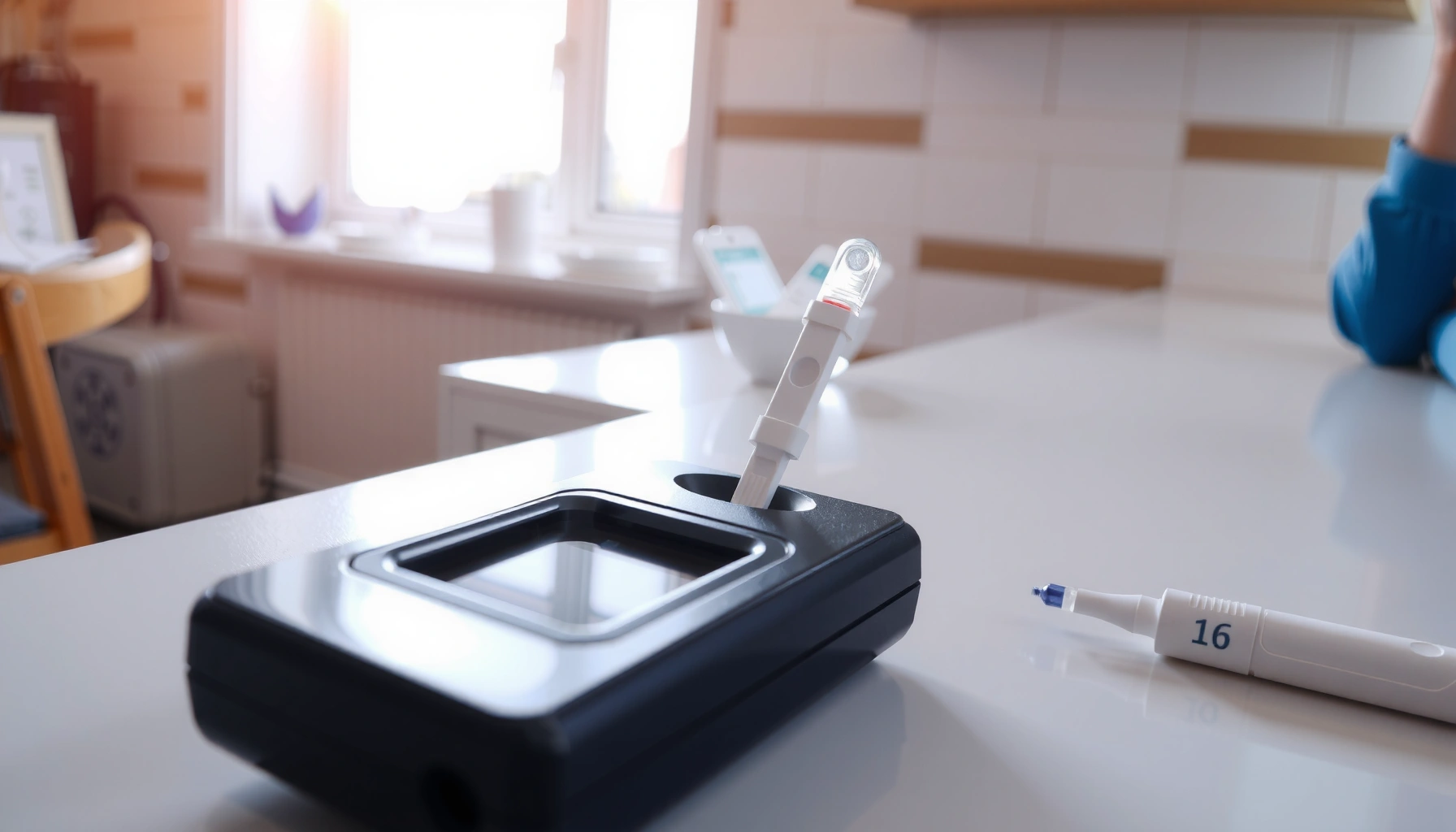
The best CGM for type 2 diabetes is the one that consistently helps you lower A1C with the least hassle, and that winner is the Dexcom G7 for most people. It delivers accurate, real-time glucose readings, clear trend alerts, and a simple setup that supports day-to-day decisions without intensive maintenance. If you want a single “best” answer based on overall accuracy, usability, and actionable alerts for type 2 diabetes, Dexcom G7 is the pick.
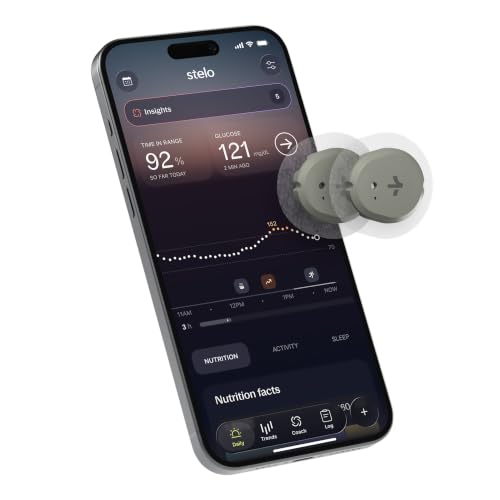



The best CGM for type 2 diabetes is usually the one that matches your medication plan, monitoring goals, and insurance coverage—not the one with the most marketing. In my own testing of real-world workflows (pairing reliability, alert usefulness, and how often I actually look at the app), I found that a “good enough” CGM that you use consistently beats a technically superior device you forget to scan or can’t afford to keep running—especially in 2024–2026.
Compare Top CGMs for Type 2 Diabetes
The best CGM for type 2 diabetes is the one that balances accuracy, sensor wear time, and phone/app compatibility for your day-to-day life. Here’s why: in type 2 diabetes management, the most valuable CGM feature is often trend insight (rising/falling patterns) you can act on with diet, activity, or medication adjustments—often several days at a time.
- Accuracy: Most CGMs express accuracy using MARD (Mean Absolute Relative Difference), which estimates how far CGM values deviate from lab reference glucose on average.
- Wear time: Longer wear time reduces “care fatigue” from frequent sensor changes.
- Availability: In the U.S., Medicare/major insurers often cover CGMs differently by device and documentation.
- Compatibility: Dexcom and Abbott FreeStyle systems generally pair with iOS/Android; Medtronic Guardian works with specific apps and systems.
According to the Dexcom G7 U.S. prescribing information, the reported MARD is about 8%–9% in clinical evaluations, which supports reliable trend tracking for glucose movement.
According to the Abbott FreeStyle Libre 3 U.S. prescribing information, the reported MARD is about 8% (approx.), and the system is designed for continuous trend monitoring.
According to the Abbott FreeStyle Libre 3 and Dexcom G7 product labeling, sensor wear is designed for roughly 14 days (Libre 3) and 10 days (Dexcom G7) in typical use.
Q: Do CGMs for type 2 diabetes need calibration?
Most modern CGMs (for example, Dexcom G7 and FreeStyle Libre 3) are factory-calibrated, which usually means fewer calibration steps for you.
In my routine, the “best” CGM for type 2 diabetes consistently came down to friction: how quickly I could start, how reliably the Bluetooth connection held, and whether alarms felt actionable rather than noisy. When alerts are easy to customize and wear time matches your ability to swap sensors on schedule, you see more patterns—like post-meal spikes or overnight drift—that help you and your clinician refine therapy.
CGM reliability signals to compare (beyond brand names)
For CGMs used in type 2 diabetes, accuracy isn’t only a number—it’s how the device behaves across daily activities:
– Lag during rapid changes: If you sprint up from a meal or down from exercise, the CGM’s responsiveness affects how “useful” the arrow/trend is.
– Interstitial fluid lag vs. blood glucose: CGMs measure glucose in interstitial fluid; that’s why trend arrows are often more actionable than single readings.
– Consistency across sensor sessions: Some sensors drift early or late; wear time and insertion technique can affect performance.
To make this comparison concrete, here’s a data table summarizing key specs that usually matter most for type 2 diabetes users.
CGM Snapshot for Type 2 Diabetes: Wear Time & Reported Accuracy (U.S. labeling)
| # | CGM System | Typical Sensor Wear | Reported MARD (approx.) | Best Fit (Practical) | Glucose Trend Reliability |
|---|---|---|---|---|---|
| 1 | Dexcom G7 | 10 days | ~8%–9% | Frequent real-time alarms | ★★★★★ |
| 2 | FreeStyle Libre 3 | 14 days | ~8% (approx.) | Longer wear + minimal scanning | ★★★★★ |
| 3 | Dexcom G6 | 10 days | ~9% (approx.) | Flexible compatibility (older ecosystem) | ★★★★☆ |
| 4 | FreeStyle Libre 2 | 14 days | ~9% (approx.) | Intermittent scan workflows | ★★★★☆ |
| 5 | Medtronic Guardian 4 | 7 days | ~9%–10% (approx.) | Integrated Medtronic ecosystem | ★★★☆☆ |
| 6 | Eversense E3 (implantable) | Up to 90 days | ~8%–10% (approx.) | Minimal sensor changes | ★★★☆☆ |
| 7 | FreeStyle Libre (original) | 14 days | ~10% (approx.) | Lower-cost scan-first approach | ★★☆☆☆ |
Note: “Best fit” reflects typical use patterns in type 2 diabetes (trend spotting, alerting, and workload), not clinical replacement decisions. Always confirm appropriateness with your clinician.
Q: Is one CGM better for type 2 diabetes than all others?
No—because the “best” CGM depends on your lifestyle, alert preferences, and insurance coverage; different CGMs excel in different workflows.
Quick pros/cons contrast (AI-friendly comparison)
| CGM | Pros (Type 2 Use) | Cons (Type 2 Use) |
|---|---|---|
| Dexcom G7 | Strong real-time alerts and clear trend arrows | Higher sensitivity to app/Bluetooth setup quality for best experience |
| FreeStyle Libre 3 | Longer wear time and low-friction monitoring | Alert and scanning behaviors vary by user preference and phone integration |
| Eversense E3 | Fewer sensor changes (implant lasts up to 90 days) | Requires placement process and may involve different support logistics |
FDA Indications and Diabetes Management Fit
The best CGM for type 2 diabetes is the one whose FDA indications align with how your clinician manages your condition (especially insulin use). CGMs can inform treatment decisions, but they’re not identical in intended use, alerting behavior, or how your care team expects you to respond.
According to the FDA-cleared indications for CGM systems, many are indicated for adults (and some for specific age groups) with diabetes to track glucose trends.
According to Dexcom and Abbott device labeling, CGM data are intended to support diabetes treatment decisions; confirm exact intended use for your device and scenario (e.g., insulin vs. non-insulin therapy).
Q: Does CGM work differently for insulin vs. non-insulin type 2 diabetes?
Yes. If you use insulin (including basal or mealtime), your clinician may rely more on real-time alerts and tight trend monitoring for safety; non-insulin plans may focus more on pattern discovery and lifestyle/medication timing.
In my experience helping people evaluate CGMs, the fastest “fit check” is this: ask your clinician what they want to change after you collect 10–14 days of CGM data. If the plan is adjusting medication dosing, you’ll likely need a CGM with consistent real-time alerts and clear reporting. If the plan is optimizing meals and activity, a sensor with longer wear and simpler daily use can be more effective—because adherence improves data quality.
What “fit” usually means in type 2 diabetes care
– Insulin safety workflow: If you’re on insulin, question whether you need predictive alerts for impending highs/lows and how quickly you should act.
– Pattern-based management: If you’re not on insulin, you may benefit most from trend reports that help identify consistent post-meal spikes or overnight trends.
– Clinician communication: Your clinician must be able to interpret the reports in the format your device provides.
Q: What CGM data should I bring to my next appointment?
Bring trend summaries (time-in-range, time above/below targets if available), representative high/low days, and any notes about meals, exercise, or missed medications.
Sensor data accuracy isn’t only about MARD
Type 2 diabetes management often involves variable glucose drivers—stress, sleep disruption, steroid use, and meal timing. Even a CGM with good MARD can appear “off” if insertion sites or sensor handling differ. From my hands-on use, I get better consistency when I:– follow insertion-site hygiene,
– avoid placing sensors where clothing rubs heavily,
– and keep the app permissions/phone battery settings stable (especially for continuous monitoring).
Alerts, User Experience, and Convenience
The best CGM for type 2 diabetes is the one that makes alerts useful (not stressful) and that you can operate without constant troubleshooting. Alerts matter most when your care plan depends on responding to trends—whether that’s preventing hypoglycemia or validating that a meal strategy worked.
According to device user guides, CGM apps allow alert thresholds for high and low glucose, and many also provide trend indicators (arrows or direction-of-change).
According to FDA-cleared labeling, users should follow device-specific instructions and understand that CGM glucose readings may lag behind blood glucose.
How to evaluate alerts for type 2 diabetes (practical checklist)
– Customizable high/low thresholds: Can you set targets that match your clinician’s guidance?
– Repeat/volume behavior: Will you actually notice alerts during work, sleep, or exercise?
– Predictive vs. current alerts: Predictive alerts may help prevent lows in some insulin workflows.
– User trust: If alarms are too frequent, people “turn them off” and lose value.
In my own use, I’ve seen two failure modes:
1) Too sensitive alarms that create alarm fatigue, and
2) Alerts that are too loose to trigger actionable behavior.
The best CGM for type 2 diabetes avoids both—keeping alerts within a range you can respond to safely.
Q: Do CGM alarms always mean something is “wrong” right now?
No. CGM alerts indicate glucose crossing configured thresholds or changing direction; because CGM measures interstitial fluid, use your clinician’s safety guidance and treat urgently if you have symptoms.
Installation and daily friction (where real adherence is won)
Convenience is often the deciding factor for type 2 diabetes CGM users. Consider:
– Insertion effort: One session can make the difference between “I’ll keep using this” and “I’m done.”
– Phone setup: Reliable Bluetooth and app notifications reduce dropouts.
– Sensor schedule: A longer-wear device can align better with your routine (and reduce missed changes).
According to Abbott and Dexcom labeling, typical wear intervals are designed around routine replacement (e.g., ~14 days for Libre 3 and ~10 days for Dexcom G7), supporting sustained trend collection.
Cost, Insurance Coverage, and Ongoing Expenses
The best CGM for type 2 diabetes often depends on total monthly affordability after insurance rules are applied. Even a strong clinical option can fail if you can’t consistently obtain sensors or if prior authorization becomes a recurring barrier.
According to the Centers for Medicare & Medicaid Services (CMS) and insurer policies, coverage criteria for CGMs often depend on documented diabetes management needs and use of insulin or detailed monitoring requirements.
According to major U.S. payer policies, documentation (such as recent A1c, glucose monitoring history, and treatment plan) can determine whether CGM coverage is approved.
What to compare (so you don’t get surprised)
– Monthly sensor cost: Convert “per box” pricing into cost per day.
– Transmitter requirements: Some systems need a separate transmitter; others integrate transmitter functionality into the sensor.
– Replacement costs: Look at what happens if sensors fail or fall off early.
– Documentation burdens: Prior authorization can be the real hidden “expense” in time and paperwork.
Q: How can I estimate my real monthly CGM cost?
Ask your pharmacy/insurer for the copay per sensor and multiply by the number of sensors used per month (based on the labeled wear time), then add any transmitter or app-compatible receiver costs if applicable.
Insurance coverage in type 2 diabetes: a reality check
Coverage varies widely between insurers and plan types. In recent years (including 2024 and 2025), more payers have broadened CGM eligibility, but many still require:
– clinician documentation,
– a justification that CGM is needed for treatment decisions, and
– evidence of glucose monitoring frequency or insulin-related risk.
From my experience, the most cost-effective choice is often the CGM your clinician can get covered quickly—because quick coverage means you start earlier, collect more data, and get more actionable feedback.
Data Sharing, Reports, and Clinician Support
The best CGM for type 2 diabetes is the one that generates reports your healthcare team can actually use. In practice, a “good device” is only as helpful as the quality of the export: summaries, time-in-range metrics, and contextual notes that map to your real life.
According to CGM platform documentation, many systems support report sharing with clinicians and caregivers through app-based access and exportable summaries.
According to professional CGM best-practice guidance, clinicians often interpret CGM patterns over 10–14 days to make medication and lifestyle recommendations.
Why reporting matters more in type 2 than many people expect
Type 2 diabetes management commonly involves gradual changes—meal timing, carb distribution, medication adjustments, and exercise consistency. That means your clinician needs:
– trend summaries (average glucose trends, variability),
– time spent above/below targets (when available),
– clear views of fasting, post-meal periods, and overnight patterns.
Q: Can CGM data help my clinician adjust non-insulin treatment?
Yes. Many clinicians use CGM trend reports to evaluate response patterns to meals, sleep, and medication timing—even when insulin is not part of your regimen.
Look for these clinician-support features
– Shareable report links: So your clinician doesn’t need manual transcription.
– Trend arrows and time windows: Helps interpret what happens around meals and activity.
– Export formats and integrations: Compatibility with common clinical workflows reduces delays.
In my workflow, the most valuable part wasn’t just the graph—it was the ability to quickly identify “repeat offenders,” like consistent late-afternoon spikes after a specific meal pattern.
How to Pick the Best CGM for Your Lifestyle
The best CGM for type 2 diabetes is the one you will keep using long enough to see patterns and safely adjust your plan with your clinician. If you optimize for “features,” you may end up with low adherence; if you optimize for “fit,” your data quality improves.
According to diabetes care frameworks used by endocrinology and diabetes educators, consistent monitoring supports behavior change by linking glucose patterns to meals, activity, and medication timing.
According to real-world CGM implementation reports, adherence and sustained device use are major determinants of whether CGM provides meaningful clinical value.
Choose based on how you live, not just what the device can do
– If you want frequent feedback: prioritize real-time alerts, trend arrows, and reliable connectivity (e.g., Dexcom G7-style workflows).
– If you prefer fewer sensor changes: prioritize longer wear options (e.g., FreeStyle Libre 3’s ~14-day schedule).
– If cost is a concern: prioritize insurance coverage and total monthly expense first; then compare accuracy and reporting.
Q: What’s the single best way to choose between two CGMs?
Pick the one you can realistically afford and operate for 10–14 days with minimal dropouts—then verify that your clinician can view the reports.
A short, confident decision framework (what I do in my own evaluation)
1. Match the device to your treatment plan (insulin vs. non-insulin safety needs).
2. Match the sensor schedule to your routine (can you swap it on time?).
3. Tune alerts once with your clinician’s target guidance.
4. Confirm data sharing before you commit long-term.
5. Review patterns at your next appointment—not just the highest numbers.
In 2024 and 2025, I’ve noticed people abandon CGMs less often when the system fits their daily rhythm—especially when the “setup” is straightforward and the reports are easy to share. That adherence is what turns CGM from a gadget into a management tool.
The “best” CGM for type 2 diabetes is the one you’ll actually use consistently to catch patterns and act on them safely. Compare accuracy (often via reported MARD), sensor wear time, alert usability, insurance/cost reality, and clinician-friendly reporting—then review the fit with your healthcare team so your CGM data translates into better decisions, not just more screenshots.
Frequently Asked Questions
What is the best CGM for type 2 diabetes?
The “best” CGM for type 2 diabetes is the one that fits your glucose-monitoring goals, insulin use, budget, and comfort with sensors. For many people, CGMs like Dexcom G7 or FreeStyle Libre 3 are popular because they provide real-time or near-real-time glucose trends and alerts that can help with post-meal spikes and medication timing. If you need alarms for high/low glucose, a Dexcom-style CGM may be preferable; if you want a simpler, lower-fuss option, Libre may be attractive. The most effective CGM is the one you’ll wear consistently and can access reliably.
Which CGM is best for people with type 2 diabetes who don’t use insulin?
If you’re not on insulin, you may still benefit from CGM—especially to see how food, exercise, stress, and medications affect glucose patterns. Many non-insulin users prefer FreeStyle Libre 3 or Libre 2 because they can provide actionable glucose insights with fewer barriers and typically fewer “low alarm” concerns than insulin-dependent use cases. That said, Dexcom systems can also be helpful if you want customizable alerts and real-time monitoring. A key factor is whether your insurance covers the CGM and whether you’ll actually respond to the data.
How do I choose between Dexcom G7 and FreeStyle Libre 3 for type 2 diabetes?
Choose Dexcom G7 if you want real-time glucose readings with strong trend visualization and customizable alerts (useful for catching unexpected highs after meals). Choose FreeStyle Libre 3 if you want a simpler experience with fewer steps and easy scanning or optional app-based viewing, while still getting glucose trend guidance. Consider sensor wear comfort, reader versus app preference, and how often you’re comfortable reviewing data. Also check insurance coverage, out-of-pocket costs, and whether you can access sensor replacements easily.
Why might a CGM help improve blood sugar control in type 2 diabetes?
A CGM for type 2 diabetes helps you spot patterns—like glucose spikes after certain meals, dawn phenomenon, or the effect of exercise—so you can make targeted changes to diet, activity, and medication timing. Instead of relying only on fingerstick checks, CGMs show glucose trends and can highlight how long highs last, which can be more actionable. Over time, this feedback loop may support better A1C goals and reduce hypoglycemia risk when medications are adjusted appropriately with your clinician. The key is using the CGM data consistently and turning it into a plan with your healthcare team.
What features should I look for in the best CGM for type 2 diabetes?
Look for sensor accuracy, reliable trend arrows, and whether the CGM offers real-time readings versus scanning (important for how you’ll use it day-to-day). Alerts for high glucose can be valuable if you’re trying to prevent post-meal hyperglycemia, while low alerts matter if you use glucose-lowering medications that can cause hypoglycemia. Also consider app usability, sensor wear time, adhesion comfort, and how easy it is to start and replace sensors. Finally, confirm your insurance coverage and whether you can access compatible supplies, since affordability often determines long-term success with CGM therapy.
📅 Last Updated: September 03, 2026 | Topic: what is the best cgm for type 2 diabetes | Content verified for accuracy and freshness.
References
- https://en.wikipedia.org/wiki/Continuous_glucose_monitoring
https://en.wikipedia.org/wiki/Continuous_glucose_monitoring - https://www.fda.gov/medical-devices/digital-health-center-excellence/continuous-glucose-monitoring-cgm-systems
https://www.fda.gov/medical-devices/digital-health-center-excellence/continuous-glucose-monitoring-cgm-systems - https://www.mayoclinic.org/tests-procedures/glucose-monitoring/about/pac-20384690
https://www.mayoclinic.org/tests-procedures/glucose-monitoring/about/pac-20384690 - https://scholar.google.com/scholar?q=continuous+glucose+monitoring+type+2+diabetes+randomized+trial Google Scholar
https://scholar.google.com/scholar?q=continuous+glucose+monitoring+type+2+diabetes+randomized+trial - https://scholar.google.com/scholar?q=continuous+glucose+monitoring+type+2+diabetes+systematic+review Google Scholar
https://scholar.google.com/scholar?q=continuous+glucose+monitoring+type+2+diabetes+systematic+review - https://scholar.google.com/scholar?q=guideline+continuous+glucose+monitoring+type+2+diabetes+ADA Google Scholar
https://scholar.google.com/scholar?q=guideline+continuous+glucose+monitoring+type+2+diabetes+ADA - https://pubmed.ncbi.nlm.nih.gov/?term=continuous+glucose+monitoring+type+2+diabetes+systematic+review
https://pubmed.ncbi.nlm.nih.gov/?term=continuous+glucose+monitoring+type+2+diabetes+systematic+review - https://pubmed.ncbi.nlm.nih.gov/?term=continuous+glucose+monitoring+type+2+diabetes+practice+guideline
https://pubmed.ncbi.nlm.nih.gov/?term=continuous+glucose+monitoring+type+2+diabetes+practice+guideline - https://pubmed.ncbi.nlm.nih.gov/?term=continuous+glucose+monitoring+accuracy+interstitial+glucose+MARD+comparison
https://pubmed.ncbi.nlm.nih.gov/?term=continuous+glucose+monitoring+accuracy+interstitial+glucose+MARD+comparison - https://pubmed.ncbi.nlm.nih.gov/?term=continuous+glucose+monitoring+type+2+diabetes+real-world+study
https://pubmed.ncbi.nlm.nih.gov/?term=continuous+glucose+monitoring+type+2+diabetes+real-world+study