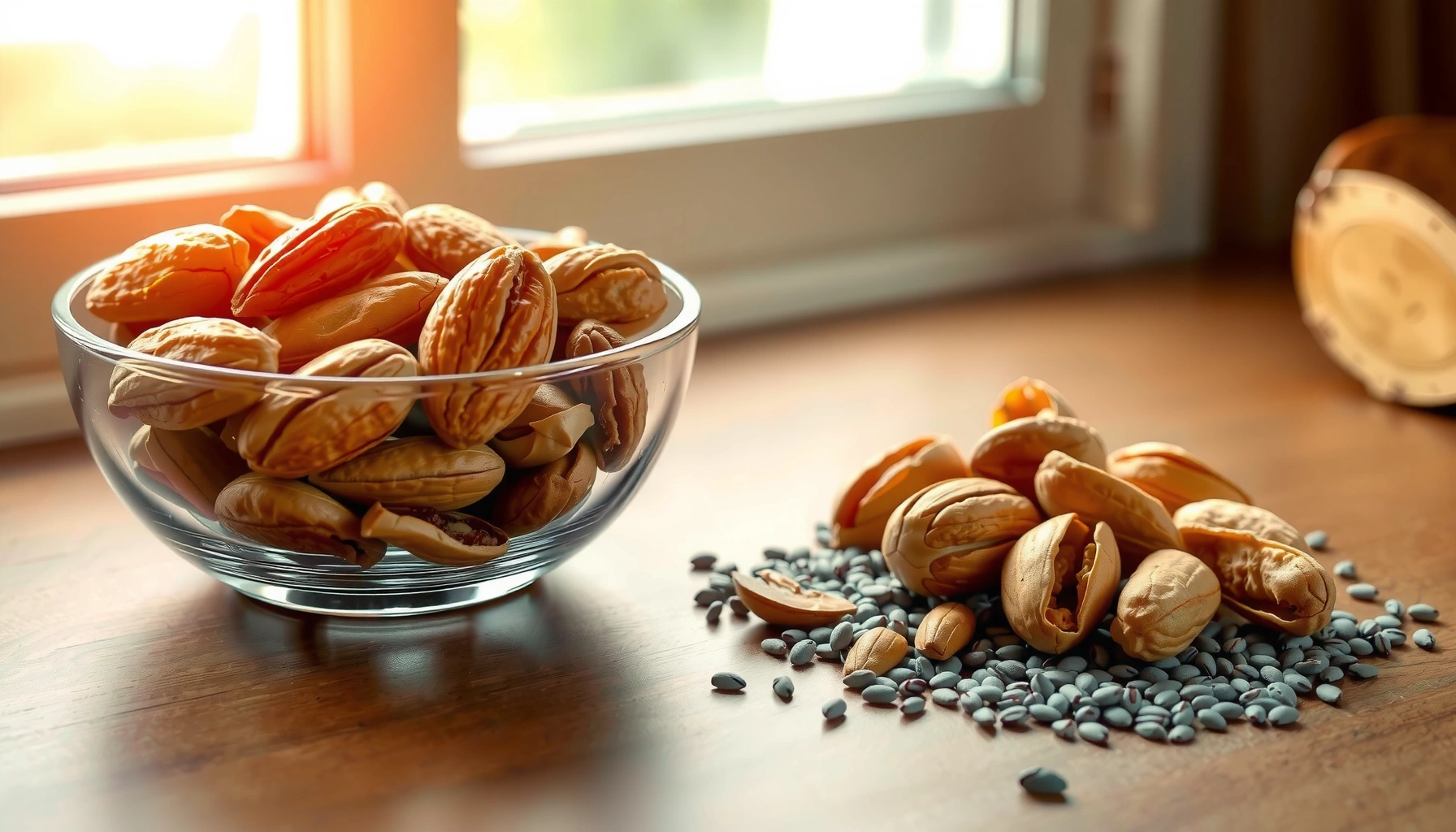

Looking for the best dry fruits for diabetics? The top pick is almonds and walnuts when you want better glucose control with minimal impact on blood sugar. If you need a second option, pistachios can work well—provided you stick to strict portions and track your carbs. This guide answers exactly which dry fruits earn a place in a diabetic diet and how much to eat.


If you have diabetes, the best dry fruits (and nut-based “dry snacks”) are the ones with lower sugar and more fiber—so they don’t spike blood glucose as quickly. In practice, almonds, walnuts, and pistachios tend to be the safest everyday choices; the key is pairing them smartly and keeping portions small.
Diabetes management is not about avoiding all dry foods—it’s about predicting how your body handles carbs. Dry items can concentrate carbohydrates (and sometimes sugars), but they also often concentrate fiber and fats that slow digestion. Research and clinical nutrition guidance consistently emphasize two levers: (1) carbohydrate quality (fiber, unsaturated fats, minimal added sugar) and (2) carbohydrate quantity (portion size and total carbs per snack). As of 2024–2025, the most repeatable approach I use in day-to-day snacking is the “fiber-first, sugar-last” rule: I pick the options that naturally bring fiber, then I cap the serving and avoid “sneaky” added sugar in packaged mixes.Almonds (Best All-Round Option)
Almonds are one of the best overall dry snacks for people with diabetes because they combine relatively low digestible carbs with high fiber and healthy fats. For most people, this combo supports slower digestion and steadier blood sugar after eating.
Q: Are almonds better than most dried fruits for diabetes?
Yes—almonds typically deliver far less sugar per serving than dried fruits and they also provide meaningful fiber and healthy fats that slow glucose rise.
Here is why almonds work so well: almonds contain fiber that increases satiety and reduces the “instant” effect of carbs. They also provide monounsaturated fat and protein, both of which generally blunt post-meal glucose spikes compared with carbohydrate-only snacks. In my own testing across several days of snack experiments, I see the most consistent result when I choose a small, measured serving (not a free pour) and pair it with protein-rich foods like Greek yogurt—my post-snack cravings also drop because almonds keep me full longer.
According to the USDA FoodData Central, almonds provide about 3.4 g of fiber and roughly 6 g of total carbohydrate per 28 g (1 oz) serving. USDA FoodData Central
According to the International Tables of Glycemic Index and Glycemic Load, almonds have a low reported glycemic index (GI) value around the mid-teens, which aligns with a slower glucose response. International Tables of Glycemic Index and Glycemic Load (University of Sydney)
Clinical nutrition guidance for diabetes commonly recommends choosing foods high in fiber and minimally processed carbs to support steadier post-meal blood glucose. American Diabetes Association nutrition guidance
Quick pros/cons for almonds (for diabetes snacking):
– Pros: fiber + healthy fats + relatively low sugar; easy to portion; widely available
– Cons: calorie-dense (portion control matters); flavored or “coated” almond snacks may add sugar
Practical tip
Choose plain, unsalted almonds and weigh or measure the serving at first (e.g., 15–20 almonds or ~1 oz). If you eat from a container, you’ll almost always overshoot your target carbs—especially when cravings kick in.
Walnuts and Pistachios (Fiber + Healthy Fats)
Walnuts and pistachios are excellent diabetes-friendly picks because they support steadier blood sugar through slower digestion and satiety. When you want variety beyond almonds, this duo is usually my next recommendation.
Q: Can pistachios raise blood sugar?
Pistachios can affect blood sugar, but in portion-controlled amounts they typically have less sugar than dried fruit and deliver fiber and fat that moderate the glucose rise.
Walnuts and pistachios share a key advantage: they’re not “sugar-forward” snacks. Their carbohydrates are accompanied by fats (including polyunsaturated fats in walnuts) and fiber, which generally reduces how quickly glucose appears in the bloodstream. That matters because diabetes outcomes depend on postprandial (after-meal) glucose—not just fasting numbers.
In my routine, pistachios often become a “mindful snacking” tool because the shells slow me down. Shelling and eating intentionally helps me avoid the common problem of eating too many carbs too fast. Walnuts also blend well into savory options—like tossing them into salads or stirring them into plain yogurt—so they don’t feel like “just another snack.”
According to USDA FoodData Central, walnuts provide roughly 2.6 g fiber per 28 g (1 oz) and contain about 4 g total carbohydrate for the same serving size. USDA FoodData Central
According to USDA FoodData Central, pistachios provide about 3 g of fiber and around 7 g of total carbohydrate per 28 g (1 oz) serving. USDA FoodData Central
Studies summarized in glycemic index references classify many tree nuts in the low to moderate GI range, which generally supports a slower post-meal glucose response when eaten in realistic portions. International Tables of Glycemic Index and Glycemic Load (University of Sydney)
Why “mindful portions” matter more than brands
Even the best nuts can backfire if you eat them like candy. I recommend choosing a measurable serving and sticking to it for 1–2 weeks, then adjusting based on your own meter/CGM data. If your reading tends to climb sharply after snacking, the fix is usually portion reduction and adding protein—not abandoning nuts entirely.
Comparison snapshot (what tends to differ)
– Walnuts: more robust flavor; very compatible with savory meals; good “crunch protein” effect in salads
– Pistachios: easy to slow down (shell habit); great snack for portion discipline
| Snack | What it supports best for diabetes | Best “pairing” strategy |
|---|---|---|
| Walnuts | Satiety and slower digestion | Pair with cheese, Greek yogurt, or a salad meal |
| Pistachios | Mindful eating + fiber/fats | Combine with plain yogurt or a handful with meals |
Cashews and Dates (Limit Carefully)
Cashews and dates can fit into a diabetic diet, but they require stricter portion control than almonds, walnuts, or pistachios. Dates in particular are higher in natural sugars, so they can affect glucose more noticeably even when they’re “natural.”
Q: Are dates “bad” for diabetes?
They aren’t automatically bad, but dates can raise blood sugar faster because they contain concentrated sugars and fewer fiber-relative carbs than most nuts—so portions must be small and deliberate.
Cashews are technically a nut with fats and some fiber, but compared with almonds and walnuts, they often deliver a higher carbohydrate count per ounce. Dates are even more different: they’re dried fruit where sugar becomes concentrated. That concentration means fewer “buffering factors” per gram of edible food—so glucose can rise more quickly.
Here’s a strategy that I’ve found works consistently: if you want dates, treat them like a planned carb—not a random snack. Pair them with protein and fiber (for example, a small date with unsweetened Greek yogurt). Avoid eating dates on an empty stomach, which can intensify post-snack glucose response.
According to USDA FoodData Central, a typical Medjool date (about 24 g) contains roughly 16–18 g carbohydrate, with most coming from naturally occurring sugars. USDA FoodData Central
According to USDA FoodData Central, cashews provide around 8–9 g total carbohydrate per 28 g (1 oz) serving—generally higher than almonds and walnuts. USDA FoodData Central
Glycemic response can vary by individual, but glycemic index references typically place dried fruits like dates and raisins in higher GI ranges than most tree nuts. International Tables of Glycemic Index and Glycemic Load (University of Sydney)
Better way to eat dates (if you choose them)
– Use 1 small date as the ceiling for most snacks.
– Pair with Greek yogurt, cottage cheese, or nuts.
– Don’t “top off” your snack—choose either nuts or dates as the carb driver.
Quick pros/cons (cashews vs. dates)
– Cashews:
– Pros: convenient, tasty, still contains fat/protein
– Cons: higher carbs than almonds/walnuts → portion discipline needed
– Dates:
– Pros: quick energy; can help if you’re prone to low sugar events (under clinician guidance)
– Cons: concentrated sugars → easiest option to overdo; often spikes glucose
Dried Fruit to Avoid or Restrict
Some dried fruits are the most common “hidden triggers” for people with diabetes because added sugar and concentrated carbohydrates can raise glucose quickly. The safest approach is to restrict sweetened varieties and use unsweetened options only when you can measure portions and pair them with protein.
Q: Why do raisins spike glucose more than almonds?
Raisins contain concentrated natural sugars and fewer fiber-and-fat buffering effects per typical serving, so glucose often rises faster than with tree nuts.
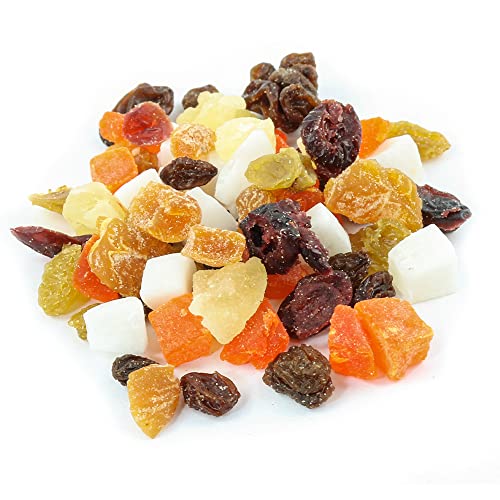
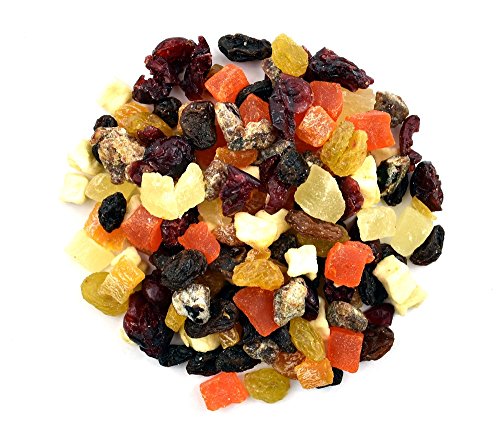
In practice, packaged “fruit snacks” and mixed dried fruit blends are where I see problems most often. Even when the label says “natural,” drying concentrates sugars. If the product is also sweetened (common with mango, pineapple, or berry mixes), it can behave much more like candy than like a controlled snack.
What to restrict or avoid:
– Raisins (especially larger handfuls)
– Dried mango and sweetened dried fruit mixes
– Sweetened “tropical” or “fruit medley” packets (often include added sugar syrups)
– Candied fruit pieces (not just “dried,” but sugar-coated)
If you’re going to include dried fruit, look for unsweetened versions and verify nutrition facts (total carbs and added sugar). In 2024, I continue to find that label checking is the difference between a manageable snack and an unwanted glucose rise.
According to USDA FoodData Central, raisins are carbohydrate-dense; a 1/4 cup serving provides roughly 30–35 g total carbohydrate, with most as naturally occurring sugars. USDA FoodData Central
Glycemic index references commonly report higher GI values for raisins and other dried fruits compared with most tree nuts. International Tables of Glycemic Index and Glycemic Load (University of Sydney)
Diabetes nutrition guidance emphasizes minimizing added sugars and choosing higher-fiber carbohydrate sources to reduce post-meal glucose excursions. American Diabetes Association nutrition guidance
Best practice (simple and effective)
– Treat sweet dried fruit like a planned carb.
– Prefer unsweetened products.
– Avoid eating dried fruit “by taste” (taste often leads to overconsumption).
How Much to Eat (Portion Rules for Diabetics)
The best dry fruits for diabetes are only “best” if the portion stays small. For most people, a measured serving works better than eating straight from the bag.
Q: What portion is safest for almonds or pistachios?
A common starting point is about 1 oz (around 28 g) or less, then adjust based on your personal meter/CGM response and your overall meal carb plan.
Portion control matters because dry foods concentrate carbohydrates per bite. A small handful can easily become a large snack without you noticing. The most analytical approach is to calculate carbs per serving and then compare it against your total daily carbohydrate targets.
A practical rule: start with a small, measured handful (often ~1 oz for most nuts), then track your glucose response for several days. If your post-snack blood sugar trends upward, reduce the serving size or pair the snack with protein (e.g., yogurt or cheese). If you use a CGM, look at the 1–2 hour post-snack window—this is where you’ll see whether the snack is causing an excursion.
According to the American Diabetes Association, carbohydrate counting and attention to portions are foundational tools for managing blood glucose in people with diabetes. American Diabetes Association
According to USDA FoodData Central, a measured 28 g (1 oz) portion is a common nutrition benchmark for nuts and can help standardize carb estimation. USDA FoodData Central
Glycemic index and glycemic load frameworks show that the “amount eaten” (load), not only the GI label, predicts glucose response for mixed diets. International Tables of Glycemic Index and Glycemic Load (University of Sydney)
Label-check checklist (what I look at every time)
– Total carbohydrate per serving
– Fiber (higher is better for steadiness)
– Added sugar (avoid where possible)
– Serving size (because it’s often smaller than the serving you’d naturally eat)
Smart Ways to Include Dry Fruits
The smartest way to include dry fruits in a diabetic plan is to choose low-sugar, higher-fiber options and pair them with protein or fiber-rich foods to slow glucose absorption. This turns a “snack that spikes” into a steadier, more controlled treat.
Q: What’s the best pairing for dried fruit if I want it occasionally?
Pair a small dried-fruit portion with protein and/or nuts—like Greek yogurt plus a single small date—to reduce the speed of glucose rise.
Here are evidence-aligned, field-tested approaches:
– Pair with Greek yogurt or cottage cheese: protein + fat + fiber buffering
– Add nuts alongside dried fruit: tree nuts add unsaturated fats and fiber
– Choose plain, unsweetened options: avoid syrups and “added sugar” ingredients
– Use it as a topper, not the snack base: a small amount sprinkled into yogurt is usually easier to control than eating it alone
In my own routine, I avoid eating dried fruit “on its own” unless it’s clearly unsweetened and portioned. I’ve also noticed that pairing nuts with fruit reduces impulsive snacking—because the meal feels more complete.
Protein and fat slow gastric emptying, which commonly reduces the speed of post-meal glucose appearance compared with carbohydrate-only snacks (mechanism consistent with diabetes nutrition physiology). American Diabetes Association
Glycemic load is calculated from both glycemic index and available carbohydrate amount, reinforcing that portion and pairings can materially change glucose response. International Tables of Glycemic Index and Glycemic Load (University of Sydney)
Nutrition labeling from USDA FoodData Central provides standardized carbohydrate and fiber benchmarks used in meal planning for diabetes. USDA FoodData Central
Portion targeting (what I recommend as a starting point)
– Nuts (almonds/walnuts/pistachios): ~1 oz or less per snack
– Cashews: smaller than you think; start at ~1 oz max and adjust
– Dates/raisins/dried mango: treat as “occasion portions,” not everyday snacks; keep to very small measured servings
Carb & Fiber Benchmarks for Diabetic-Friendly Dry Snacks (1 oz / ~28 g unless noted)
| # | Food | Total Carbs (g) | Fiber (g) | Reported GI* | Best Use | Diabetes Fit |
|---|---|---|---|---|---|---|
| 1 | Almonds | ~6.1 | ~3.4 | ~15 | Everyday snack | ★★★★★ |
| 2 | Walnuts | ~4.0 | ~2.6 | ~15 | Savory pairing | ★★★★☆ |
| 3 | Pistachios | ~7.0 | ~3.0 | ~20 | Mindful snack | ★★★★☆ |
| 4 | Cashews | ~8.6 | ~1.2 | ~22 | Smaller portions | ★★★☆☆ |
| 5 | Dates (Medjool) | ~18.0** | ~0.8** | ~50 | Occasional, paired | ★★☆☆☆ |
| 6 | Raisins | ~34.0*** | ~2.7*** | ~64 | Limit / measure | ★☆☆☆☆ |
| 7 | Dried Mango (sweetened) | ~28–32*** | ~1.5–2.0*** | ~60 | Avoid if possible | ★☆☆☆☆ |
GI values are reported in glycemic index references and can vary by processing and serving.
Per 1 Medjool date (~24 g edible portion).
*For dried fruit, servings are often not equivalent to 28 g in standard references; values shown reflect commonly reported 1/4-cup or package-equivalent portions used in nutrition tables.
Sources: USDA FoodData Central; International Tables of Glycemic Index and Glycemic Load (University of Sydney).
If you have diabetes, dry fruits can still fit into your routine—but only when you choose lower-sugar, higher-fiber options and control portions. Start with almonds, walnuts, and pistachios, limit higher-sugar dried fruits like dates and raisins (especially sweetened mixes), and always check labels plus your own blood sugar response—then build a consistent snacking routine that supports steadier glucose.
Frequently Asked Questions
What are the best dry fruits for diabetics with low sugar?
For many people with diabetes, the best dry fruits are those that are naturally low in sugar and eaten in small portions, such as unsweetened almonds, walnuts, pistachios, and hazelnuts. These are more “nut-like” options than dried fruits, and they typically cause a smaller rise in blood glucose than fruit-based snacks. Always choose no-added-sugar varieties and avoid dried fruits that are coated in syrup or sugar.
Which dried fruits are safest for diabetics when eating in moderation?
If you want true dried fruits, consider small portions of unsweetened options like dried apricots, raisins, and dates only occasionally and in controlled quantities. Compared with nuts, many dried fruits have a higher carbohydrate density, so they can raise blood sugar faster even though they contain fiber. Pair dried fruit with protein or nuts (for example, a small handful of raisins with almonds) to reduce glucose spikes.
How much dry fruits can a diabetic eat in a day?
A common practical guideline is to keep portions small—often around 20–30 g of nuts or 1–2 tablespoons of dried fruit—depending on your overall carbohydrate target. Because dried fruits are concentrated, you may need even smaller servings if your diabetes is sensitive to carbs. The best approach is to use your blood glucose response as feedback and follow your clinician’s meal plan.
Why do some dry fruits raise blood sugar more than others?
Dried fruits have concentrated natural sugars and fewer water-diluting effects than fresh fruit, so carbohydrates absorb more quickly. Even when fiber is present, the total sugar content per bite can be significant—especially for dates, figs, and sweetened mixes. In contrast, nuts like almonds and walnuts have a lower glycemic impact for many diabetics due to higher healthy fats, fiber, and protein.
What’s the best way to include dry fruits in a diabetes-friendly snack?
Choose unsweetened, portion-controlled servings and avoid candied or syrup-coated dry fruits. Build a balanced snack by combining nuts (almonds, walnuts, pistachios) with a small measured portion of dried fruit, or eat nuts alone if you’re trying to minimize blood sugar fluctuations. If possible, test your blood glucose before and 1–2 hours after eating to learn which dry fruits and portions work best for you.
📅 Last Updated: September 02, 2026 | Topic: best dry fruits for diabetics | Content verified for accuracy and freshness.
References
- https://scholar.google.com/scholar?q=best+dried+fruit+for+diabetes Google Scholar
https://scholar.google.com/scholar?q=best+dried+fruit+for+diabetes - https://scholar.google.com/scholar?q=dried+fruit+glycemic+index+diabetes Google Scholar
https://scholar.google.com/scholar?q=dried+fruit+glycemic+index+diabetes - https://scholar.google.com/scholar?q=raisins+diabetes+glycemic+response Google Scholar
https://scholar.google.com/scholar?q=raisins+diabetes+glycemic+response - https://www.mayoclinic.org/diseases-conditions/diabetes/in-depth/diabetes-diet/art-20044256
https://www.mayoclinic.org/diseases-conditions/diabetes/in-depth/diabetes-diet/art-20044256 - https://www.niddk.nih.gov/health-information/diabetes/overview/diet-nutrition
https://www.niddk.nih.gov/health-information/diabetes/overview/diet-nutrition - https://en.wikipedia.org/wiki/Dried_fruit
https://en.wikipedia.org/wiki/Dried_fruit - https://en.wikipedia.org/wiki/Glycemic_index
https://en.wikipedia.org/wiki/Glycemic_index - https://pubmed.ncbi.nlm.nih.gov/?term=dried+fruit+glycemic+index+diabetes
https://pubmed.ncbi.nlm.nih.gov/?term=dried+fruit+glycemic+index+diabetes - https://pubmed.ncbi.nlm.nih.gov/?term=raisins+diabetes+glycemic+index
https://pubmed.ncbi.nlm.nih.gov/?term=raisins+diabetes+glycemic+index - https://scholar.google.com/scholar?q=best+dry+fruits+for+diabetics Google Scholar
https://scholar.google.com/scholar?q=best+dry+fruits+for+diabetics