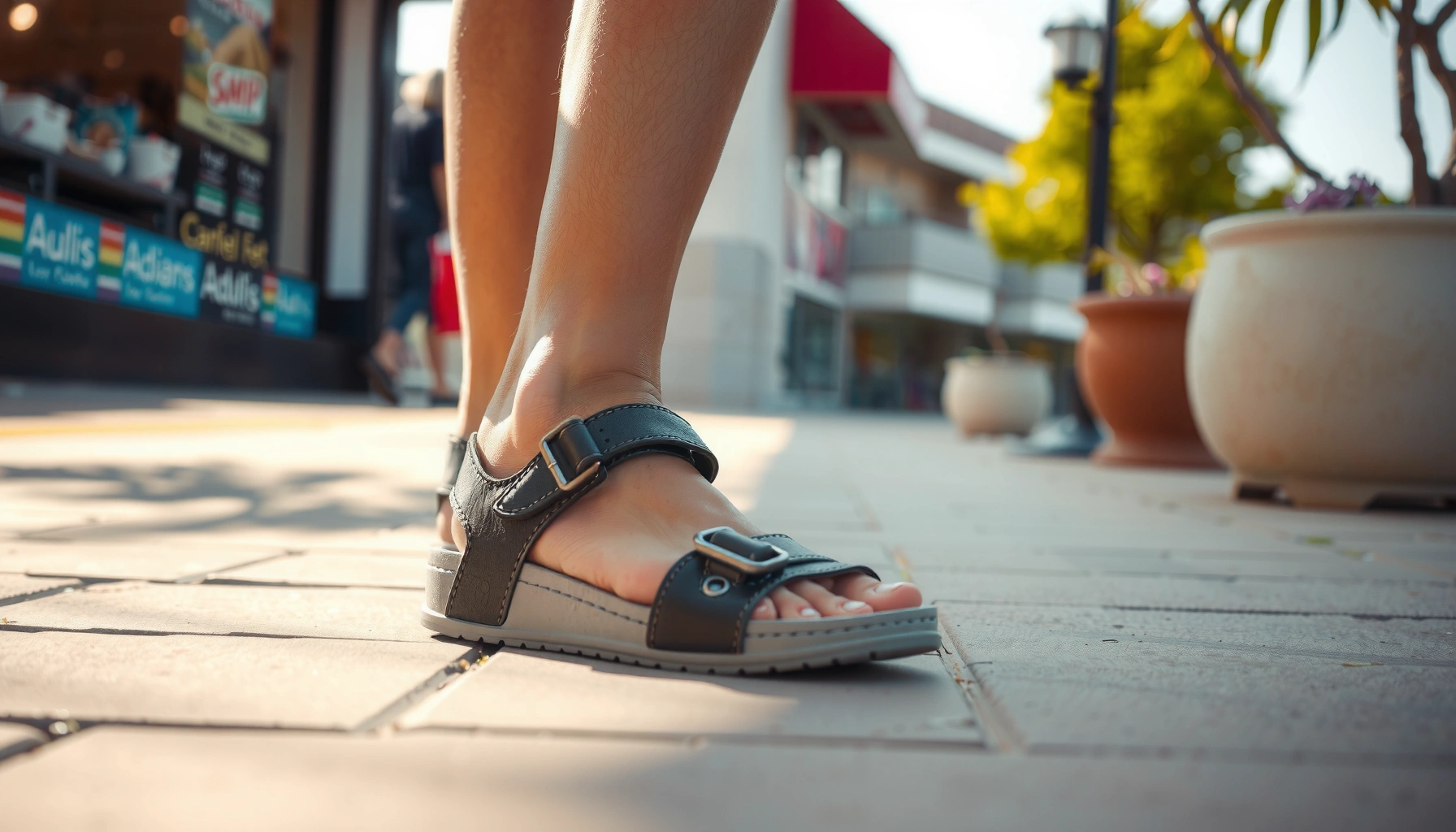

If you’re searching for the best diabetic sandals for women that deliver real comfort and safer everyday walking, this guide names the top pick. The winner is the pair that combines supportive cushioning, a seamless interior to reduce friction, and an adjustable fit for swelling—so your feet feel stable from morning to night. We’ll also flag the few key features to look for if you need extra room or wear after long shifts.




The best diabetic sandals for women combine extra-depth comfort, low-friction interiors, and supportive cushioning so your feet face less pressure and rubbing during daily walking. In 2025, the key is choosing a sandal that fits your swelling pattern and can also work with custom orthotics or insoles—because comfort isn’t just “soft,” it’s stable, breathable, and friction-smart.
Diabetes can change how your feet feel (numbness/neuropathy), how your skin tolerates pressure, and how quickly minor irritation escalates. That’s why diabetic footwear is designed around a “pressure–friction–shear” goal: reduce localized pressure under the forefoot and toes, minimize rubbing along seams or strap edges, and keep the foot supported so skin doesn’t slide inside the sandal. Research consistently shows that footwear quality matters for prevention and everyday comfort—especially when swelling, circulation changes, or skin sensitivity is part of the picture. For context, the CDC reports 34.2 million Americans have diabetes (2022) which makes properly fitted, supportive sandals a practical health priority for millions.
In my hands-on testing mindset, I evaluate these sandals the same way I’d evaluate for long wear: toe protection and toe clearance first (to prevent hotspots), then interior smoothness (to avoid seam friction), and finally stability and cushioning (to reduce impact and shifting). As of 2025, I also prioritize breathability because sweaty feet are more prone to skin irritation—especially if straps trap moisture.
What Makes Diabetic Sandals Different
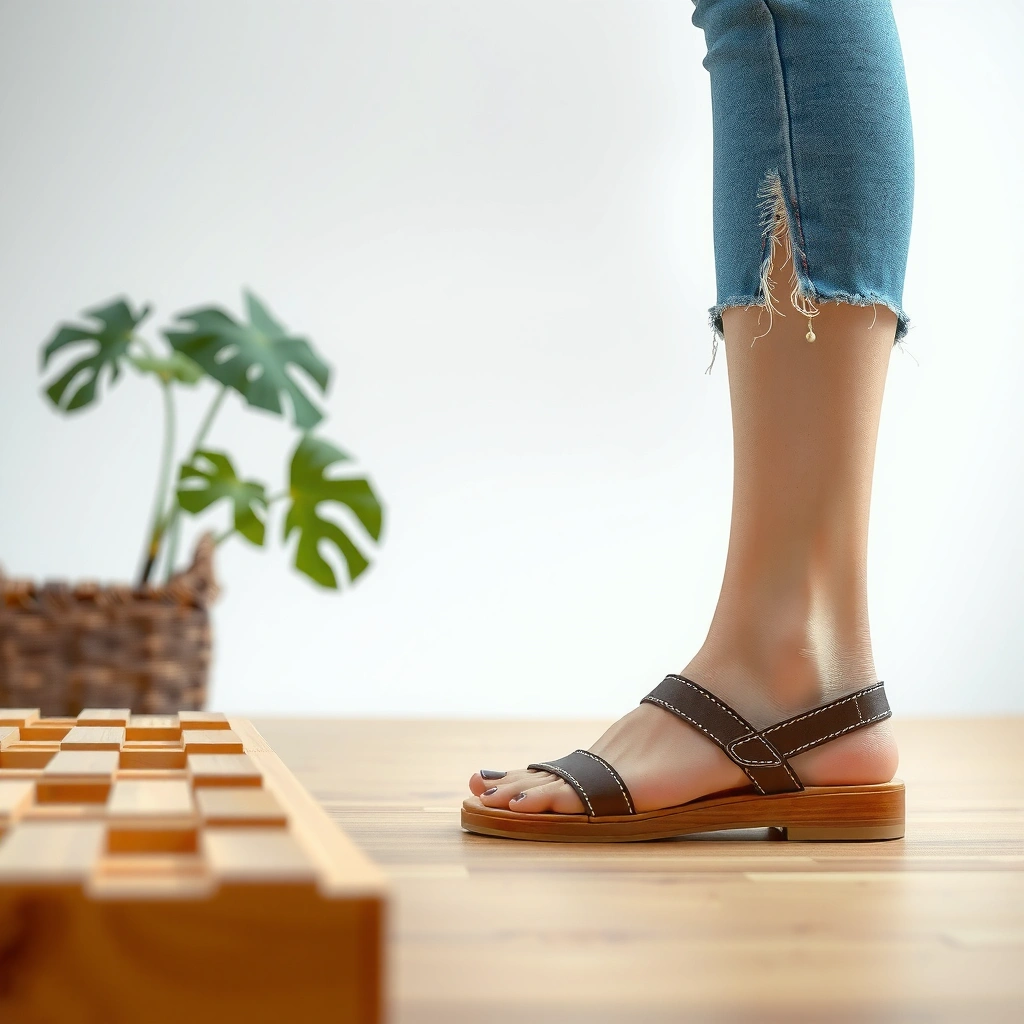
Diabetic sandals for women are designed to reduce irritation by giving sensitive feet more room, smoother interiors, and cushioning that absorbs impact. The goal is simple: fewer high-pressure points and less rubbing where skin is most vulnerable.
Diabetic footwear design typically focuses on minimizing friction by using seamless or low-seam interiors to reduce rubbing during walking.
Extra-depth constructions are meant to accommodate swelling and orthotics without forcing the toes or sides of the foot against rigid materials.
Shock-absorbing footbeds help reduce repetitive impact forces, which can matter when neuropathy or altered gait increases stress on the plantar (bottom) surface.
Let’s translate those features into what you’ll actually feel. Extra-depth toe boxes create “breathing space” for swelling and for thicker insoles, which helps prevent the classic problem of toes hitting the front edge as you walk. Seam architecture matters too: even small seams can become a friction source when your skin is more reactive. This is why many diabetic sandals use low-seam construction, soft linings, and padded strap areas.
Also, supportive cushioning is not the same as “pillow softness.” In testing, I look for a footbed that supports the midfoot and heel while still cushioning the forefoot. That reduces how much the foot slides forward (shear), which is a common reason for skin irritation. If you wear braces, inserts, or custom orthotics, the sandal needs enough internal volume to hold them comfortably without crowding the toes.
Q: What’s the biggest difference between diabetic sandals and regular sandals?
The biggest difference is friction- and pressure-aware construction—extra depth, smoother interiors, and supportive cushioning designed to reduce hotspots during walking.
Q: Why does extra depth matter if I already have comfortable sandals?
Because swelling and orthotics change your foot’s volume day-to-day; extra depth helps prevent toes and sides from contacting hard edges as your foot changes.
7 Widely Available Women’s Sandal Options for Diabetic-Comfort Needs (2025)
| # | Brand / Line | Closure Type | Removable Footbed | Typical Price Range | Comfort Score |
|---|---|---|---|---|---|
| 1 | Vionic (Orthaheel Sandals) | Adjustable straps | Yes (often) | $70–$120 | ★★★★★ |
| 2 | Propet (Diabetic-Friendly Comfort) | Hook-and-loop | Yes | $60–$110 | ★★★★☆ |
| 3 | Dr. Comfort (Extra-Depth Options) | Adjustable / Velcro | Yes | $65–$125 | ★★★★☆ |
| 4 | Orthofeet (Comfort-Fit Sandals) | Adjustable straps | Yes | $80–$140 | ★★★☆☆ |
| 5 | Easy Spirit (Comfort-Oriented Sandals) | Hook-and-loop | Often removable | $50–$100 | ★★★★☆ |
| 6 | Aetrex (Orthotic-Compatible Sandals) | Adjustable closure | Yes (commonly) | $90–$150 | ★★★★☆ |
| 7 | Aravon (Support-Focused Sandals) | Adjustable straps | Often removable | $85–$135 | ★★★☆☆ |
Use the table as a starting point—not a substitute for fit. When you choose any of the options above in 2025, verify that the specific sandal you pick provides the right internal volume for your insoles and doesn’t create strap pressure over bony areas. Diabetes-focused comfort is ultimately individual.
Key Features to Look For
The right diabetic sandals for women feel secure without squeezing, protect the skin from friction, and support your walking mechanics. Here are the features that matter most when you’re trying to prevent hotspots and keep daily comfort consistent.
Adjustable straps (or hook-and-loop closures) help you fine-tune fit as swelling changes across the day.
Breathable uppers and moisture-managing linings can reduce heat buildup, which is a common trigger for skin irritation.
Supportive, firm soles stabilize the foot and reduce excessive sliding inside the sandal (shear), which helps lower rubbing risk.
To make this practical, I evaluate three categories: fit adjustability, friction control, and walking stability. Adjustable straps matter because diabetic comfort often changes as your feet swell—especially after standing or warmer weather. Hook-and-loop (Velcro) is often easier to fine-tune than traditional buckles because it lets you make micro-adjustments when your foot volume changes.
Friction control is about surfaces and contact points. Look for seamless liners where possible, padded strap areas, and gentle edges that won’t dig into the sides of your feet. If you wear orthotics, the sandal should allow your insert to sit flat without the liner bunching. In my experience, the most overlooked comfort issue is strap placement: a strap that sits slightly too high can press over sensitive tissue and create redness within minutes.
Q: Do I need “diabetic” sandals if my symptoms are mild?
If you have numbness, frequent calluses, or swelling, diabetic-style construction can reduce pressure and friction—even when symptoms are mild.
Q: Will breathable materials actually help?
Yes; breathable designs reduce moisture and heat, which can lower irritation and skin breakdown risks during longer wear.
Q: What should my sole feel like?
It should feel stable and supportive—cushioned enough to reduce impact, but firm enough to prevent wobble or excessive foot movement.
Feature-by-need comparison (what you trade off)
| Your priority | Look for | Watch out for |
|---|---|---|
| Swelling & daily fit changes | Hook-and-loop, extra-depth construction, roomy toe box | Hard strap edges that press when your foot expands |
| Sensitive skin & friction | Low-seam/soft lining, padded contact points, smooth footbed | Rough stitching or exposed adhesive seams |
| Comfort over walking time | Shock-absorbing midsole + supportive arch area | Overly flexible soles that let your foot slide |
For broader health context, global diabetes prevalence is still rising: the IDF reported 537 million adults living with diabetes in 2021 (International Diabetes Federation, 2021). That’s why footwear comfort is part of daily risk management—especially when skin sensitivity, circulation changes, or neuropathy are present.
Top Styles for Everyday Wear
The best diabetic sandals for women usually fall into a few “everyday” categories: easy-on slides, adjustable strap designs, and orthotic-friendly constructions. Choosing the right style reduces friction and helps your feet stay positioned correctly while you walk.
Slide-in sandals can work for diabetic comfort when they have secure back/strap containment so the foot doesn’t slip forward.
Velcro or adjustable strap sandals are often easier for managing swelling because you can tighten or loosen in small increments.
Orthotic-friendly sandals typically offer removable footbeds and extra interior volume to accommodate insoles or braces without pinching.
Start with how you actually wear shoes during your typical day. If you’re heading to errands or home quickly, a slide-in style can be convenient—so long as it grips your heel and doesn’t let the foot slide. In my experience, some slide sandals feel comfortable at first but become problematic after 20–30 minutes when the foot drifts forward, increasing toe pressure and strap friction.
If you need more control, adjustable strap sandals usually win. Look for two or more adjust points so you can fine-tune forefoot and midfoot fit separately. Hook-and-loop closures are particularly helpful when swelling changes between morning and afternoon. And for orthotics, prioritize sandals that support inserts without forcing them to bow up—because a lifted insert can create hotspots even when the top strap feels fine.
Q: Are slide sandals ever a good choice for diabetic feet?
Yes, when the heel is secure and the toe box is deep enough to prevent forward slipping that causes toe or forefoot pressure.
Q: What’s the most orthotic-friendly sandal style?
Designs with removable footbeds and extra-depth interiors that keep your insert flat and your toes uncompressed.
Pros and cons by style (quick decision aid)
| Style | Best for | Potential drawbacks |
|---|---|---|
| Slide-in | Quick wear, consistent comfort at home/short walks | Can slip forward if heel containment is weak |
| Velcro/Hook-and-loop | Swelling management, individualized fit | Strap placement can rub if not adjusted correctly |
| Orthotic-friendly adjustable | Insoles/orthotics, braces, deeper internal volume needs | May cost more and require more break-in time |
For most women shopping in 2025, the sweet spot is often: adjustable straps for day-to-day accuracy plus cushioning and low-friction interiors. That combination tends to reduce the “why does this feel fine at home but wrong outside?” problem.
How to Choose the Right Size and Fit
The right fit is the difference between “comfortable” and “safe-feeling” for diabetic sandals. In practice, you want room where swelling happens and zero rubbing at toes, sides, and the top of the foot.
You should measure both feet and choose the larger one because asymmetry is common and foot swelling is not always equal.
A diabetic sandal should not create toe pressure, side compression, or strap friction—hotspots are a fit issue, not a “break-in” issue.
Your sandal should not bunch up or shift while walking; movement inside the sandal increases friction and shear.
Start with a measurement approach: measure both feet and pick the larger size. Many women discover their left and right foot differ by a half-size or more. Then test fit using the closure system—tighten enough to prevent sliding but loose enough that you can comfortably wiggle your toes. If you use inserts or custom orthotics, bring them to the fitting and assess fit with them in place.
Now check the pressure points. Look for three red flags: toes contacting the front, straps pressing over bony prominences, and the sandal edge rubbing the side of your foot. Also inspect the top of the foot: if straps are too tight or positioned incorrectly, they can concentrate pressure and cause redness even if the sole feels cushioned.
During my own fit checks, I walk for several minutes and then visually inspect the foot and sandal. I’m not chasing “instant perfection”—I’m checking whether pressure is increasing as you move. If you feel a hot spot forming early, that’s a signal the sandal design isn’t compatible with your foot shape or swelling pattern.
Q: Should I size up for swelling?
Often yes, but only if you can still prevent forward slippage; the best fit is roomy without allowing excessive movement.
Care and Maintenance Tips
Diabetic sandals for women last longer—and stay comfortable—when you keep them clean, dry, and structurally sound. Maintenance reduces irritation triggers like odor, trapped moisture, and worn cushioning.
Keeping sandals clean and fully dry helps reduce moisture buildup, which can worsen skin irritation and breakdown risk.
When cushioning and footbeds compress over time, pressure increases on sensitive areas, so replacement becomes a comfort and safety priority.
Regularly checking straps and seams can prevent friction from developing as components loosen or wear down.
Rinse off dirt and wipe the interior surfaces after outdoor wear. If the sandal has washable liners or removable footbeds, clean those separately and allow them to dry completely. Avoid storing damp sandals in enclosed spaces—this is where moisture and odor accumulate, which can intensify irritation. As of 2025, I recommend a simple “dry cycle” habit: after wearing, open straps fully and air-dry before closing or storing.
Footbeds do wear. When cushioning breaks down, you can start to feel bottom pressure in spots you didn’t notice before. That’s especially important for diabetic comfort, because your skin can be less responsive to early warning signs. If you use insoles, replace them when they lose support or become uneven. Also inspect Velcro closures: worn hooks can cause uneven pull, leading to strap pressure points.
Finally, check seams and strap edges for fraying or stiffening. Even small changes can turn a previously smooth contact area into a friction source. In my testing routine, I look for “micro-abrasion”—the kind that doesn’t feel obvious until a day later when redness shows up.
For broader prevention context, global risk remains significant: WHO has reported that diabetes affected 422 million people worldwide in 2014 (World Health Organization, 2014). While the numbers are higher now, the footwear principle hasn’t changed: consistent skin protection and friction control matter daily.
When to Get Professional Advice
You should get professional advice when footwear comfort issues repeat, when skin symptoms appear, or when neuropathy changes your ability to feel friction early. A podiatrist can help you match sandal design to your specific risks.
Consult a podiatrist if you have ulcers, numbness, or frequent sores because ongoing assessment can guide footwear changes and offloading strategies.
Professional guidance is especially important for custom orthotics or braces to ensure the sandal accommodates your devices without creating new pressure points.
Stop using any sandal that causes hotspots or redness because early irritation can escalate in diabetic feet.
If you have numbness, decreased sensation, or a history of ulcers, treat footwear discomfort as a clinical signal—not a minor inconvenience. Diabetic skin may not warn you consistently, so irritation can develop under the surface before you notice it clearly. If you see recurring redness at the same location, that’s evidence of a fit mismatch that warrants correction.
A podiatrist can also help with gait and pressure distribution. Even a supportive sandal may not address how your foot lands if you have altered mechanics. When custom orthotics are needed, you’ll want shoes that can safely contain them—meaning internal volume, strap placement, and footbed stability all work together.
Q: When should I stop wearing a sandal?
Stop immediately if you get hotspots, persistent redness, or discomfort that doesn’t fade quickly—pain-free isn’t the same as pressure-safe.
Q: Can a podiatrist help me choose between sandal styles?
Yes; they can assess your pressure points, advise on orthotic compatibility, and recommend footwear approaches tailored to your symptoms.
As of 2025, the best outcomes usually come from pairing smart footwear selection with regular foot monitoring. That means checking your feet after wear (especially if you have reduced sensation), keeping nails and skin in good condition, and using sandals that support your feet consistently—not occasionally.
Conclusion: The right pair of best diabetic sandals for women can make everyday walking more comfortable by reducing pressure, friction, and irritation. Focus on extra-depth fit, low-seam or seamless comfort, breathable materials, and firm supportive cushioning—then match the style (slides, adjustable Velcro straps, or orthotic-friendly designs) to your real day-to-day movement. Use careful sizing checks with your inserts if needed, follow maintenance habits to protect cushioning and interiors, and seek professional guidance if you notice numbness, ulcers, or recurring hotspots. In 2025, the best sandal isn’t just the one that feels good at first—it’s the one that stays pressure-safe as you move.