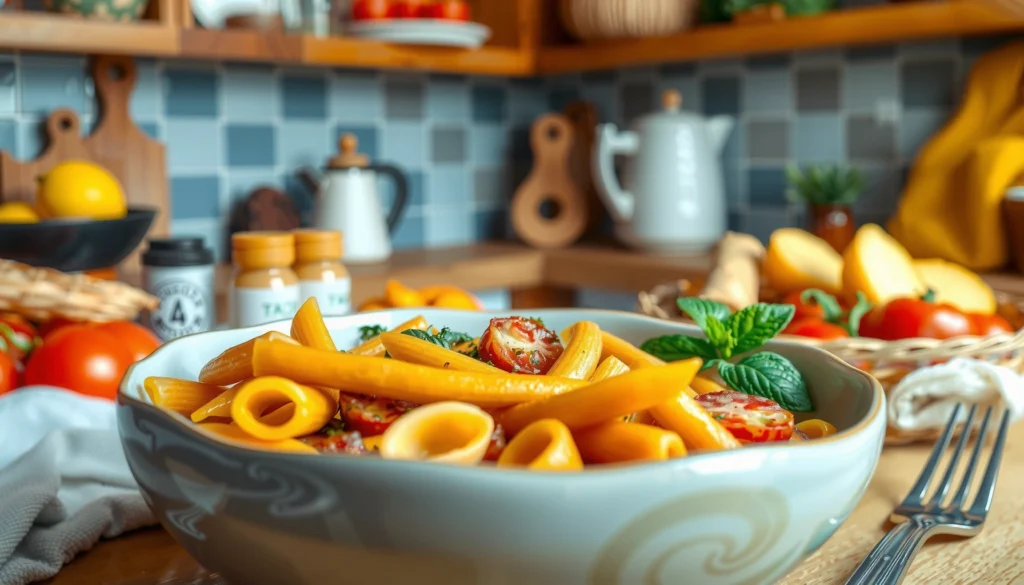

For individuals managing diabetes, choosing the “best” pasta means prioritizing varieties that help stabilize blood sugar levels. Opt for whole wheat, chickpea, lentil, or other fiber-rich alternative grain pastas, as their higher fiber and protein content leads to a slower, more controlled rise in blood glucose compared to traditional white pasta. This guide will help you navigate your options and enjoy pasta safely as part of your meal plan.



Understanding Pasta and Blood Sugar
The carbohydrates in pasta are a primary source of glucose, which directly impacts blood sugar levels. When pasta is consumed, the digestive system breaks down its complex carbohydrate chains into simpler sugars, primarily glucose, which then enters the bloodstream. The rate at which this process occurs determines how quickly and dramatically blood glucose levels rise. This glycemic response is a critical factor for individuals managing diabetes, as rapid spikes can be detrimental to long-term health and short-term blood sugar control.
To quantify this impact, nutritionists and dietitians often refer to the Glycemic Index (GI) and Glycemic Load (GL). The GI measures how quickly a carbohydrate-containing food raises blood glucose levels compared to a standard food (like pure glucose or white bread). Foods with a high GI cause a rapid and significant increase in blood sugar, while those with a low GI lead to a slower, more gradual rise. The Glycemic Load further refines this by considering both the GI of a food and the actual amount of carbohydrates in a typical serving. For instance, traditional refined white pasta typically has a high GI and can contribute to a high GL, indicating a significant impact on blood sugar. In contrast, whole-grain or legume-based pastas often have a lower GI and GL due to their higher fiber and protein content, making them more favorable choices.
Traditional refined white pasta, made from highly processed wheat flour, has had its bran and germ removed, stripping away much of its fiber, vitamins, and minerals. This lack of fiber means the carbohydrates are digested very quickly. Without the slowing effect of fiber, the glucose is rapidly absorbed into the bloodstream, leading to a swift and often substantial spike in blood sugar levels. This rapid influx of glucose requires a quick and robust insulin response, which can be challenging for individuals with insulin resistance or impaired insulin production, characteristic of type 2 diabetes. Consistent exposure to these spikes can also contribute to various diabetes-related complications over time.
Top Pasta Choices for Diabetes Management
When selecting pasta for diabetes management, the focus shifts to varieties that offer superior nutritional profiles, particularly higher fiber and protein content, to mitigate rapid blood sugar increases.
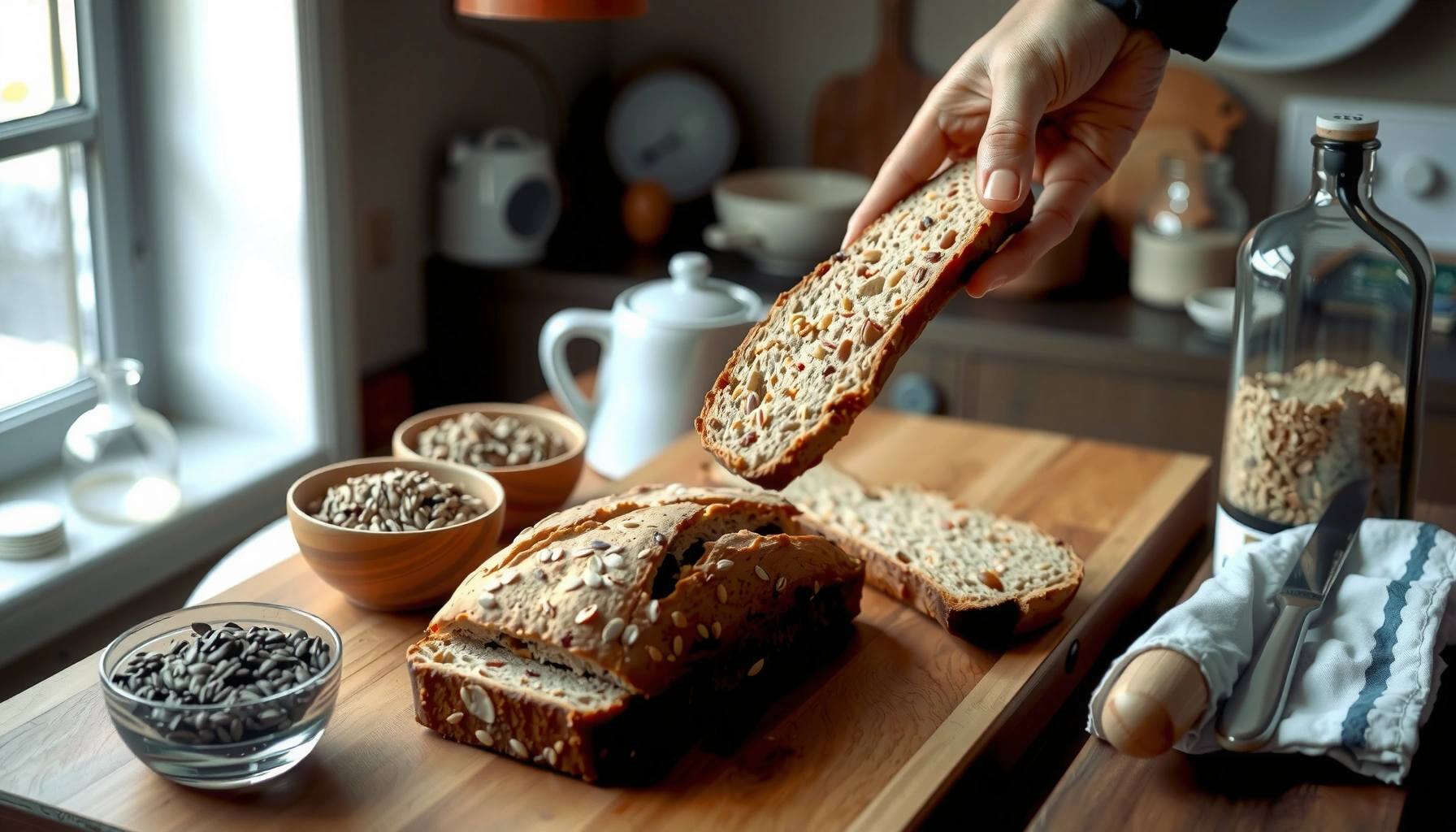
* Whole Wheat Pasta: This is often the first and most accessible recommendation for a healthier pasta choice. Unlike its refined counterpart, whole wheat pasta retains the entire wheat kernel – the bran, germ, and endosperm. This inclusion significantly boosts its fiber content, with most brands providing 3-6 grams of fiber per serving, compared to 1-2 grams in white pasta. The fiber slows down the digestion and absorption of carbohydrates, leading to a more gradual rise in blood glucose levels. Additionally, whole wheat pasta provides a richer array of B vitamins, iron, magnesium, and zinc, contributing to overall nutritional intake. Its GI is generally lower than white pasta, typically ranging from 40-50, making it a better option for blood sugar stability.
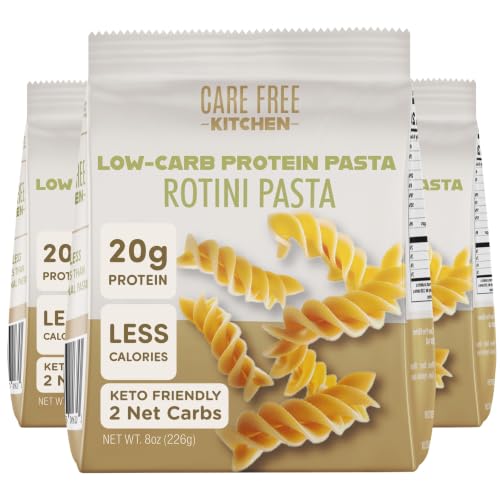
* Legume-Based Pastas (Chickpea, Lentil, Edamame): These alternative pastas have surged in popularity due and are exceptionally beneficial for diabetes management. Made from flours derived from chickpeas, red lentils, green lentils, or edamame (soybeans), they are powerhouses of both protein and fiber. A single serving can often deliver 8-15 grams of protein and 5-8 grams of fiber, a combination that significantly slows digestion, promotes satiety, and stabilizes blood sugar. The protein content helps to mitigate the glycemic response by delaying gastric emptying and stimulating insulin-independent glucose uptake. Furthermore, these pastas often boast an even lower GI than whole wheat pasta, sometimes in the 30s. They also offer a complete protein profile in many cases and are rich in micronutrients like iron, folate, and potassium. Their slightly different texture and flavor profile can also add variety to meals.
* Shirataki Noodles: For those seeking an ultra-low-carbohydrate option, shirataki noodles are an excellent choice. Originating from Japan, these translucent, gelatinous noodles are made from glucomannan, a soluble fiber derived from the konjac yam. They are remarkably low in calories and carbohydrates, often containing less than 1 gram of net carbohydrates per serving, and virtually no impact on blood sugar. The high glucomannan content provides a substantial feeling of fullness, which can aid in weight management, a key aspect of diabetes control. While their texture is quite distinct from traditional pasta, often described as slightly rubbery or slippery, they readily absorb the flavors of sauces and seasonings, making them versatile for various culinary applications, from stir-fries to mock pasta dishes.
Smart Portion Control and Cooking Methods
Even with the healthiest pasta choices, portion control remains paramount for effective diabetes management. Carbohydrates, regardless of their source, contribute to blood glucose levels, and consuming excessive amounts can undermine the benefits of choosing lower-GI options. Emphasizing appropriate serving sizes is crucial to staying within your carbohydrate budget for each meal and for the day. For most individuals with diabetes, a single serving of cooked pasta typically ranges from 1/2 to 1 cup, depending on individual carbohydrate allowances determined by a healthcare provider or dietitian.
Beyond type and portion, the way pasta is cooked also significantly impacts its glycemic response. Cooking pasta al dente, meaning “to the tooth” or firm to the bite, results in a lower glycemic index response compared to overcooked, mushy pasta. When pasta is cooked al dente, the starch structure remains more intact and less gelatinized. This makes it more resistant to rapid enzymatic breakdown in the digestive tract, leading to slower glucose release and a more gradual rise in blood sugar. Conversely, overcooking pasta breaks down the starch more extensively, making it easier and faster for the body to digest and absorb, thus increasing its GI.
To practice smart portion control, strategies for accurately measuring and visualizing a single serving of pasta are essential.
* Measuring Cups: Always use a standard measuring cup for cooked pasta. A typical serving is often 1/2 cup or 1 cup, depending on your dietary plan.
* Visual Cues: For quick estimation, a serving of cooked pasta (about 1/2 cup) is roughly the size of a tennis ball or a cupped hand. For dry pasta, a serving (e.g., 2 oz or 56g) might be equivalent to a bundle about the diameter of a quarter for long pastas like spaghetti, or about 1/2 cup dry for smaller shapes.
* Plate Method: Incorporate pasta as only one-quarter of your plate, filling another quarter with lean protein and the remaining half with non-starchy vegetables. This visual guide naturally limits pasta portions.
By consistently applying these methods, you can enjoy pasta without inadvertently exceeding your carbohydrate targets.
Pairing Pasta with Diabetes-Friendly Sauces & Ingredients
The sauce and accompanying ingredients are just as critical as the pasta itself in creating a diabetes-friendly meal. The goal is to build a balanced plate that supports blood sugar control and provides sustained energy.
Prioritize vegetable-rich, lean protein sauces. Tomato-based sauces are an excellent foundation, especially when loaded with plenty of non-starchy vegetables such as spinach, zucchini, mushrooms, bell peppers, and onions. These vegetables add significant fiber, vitamins, and minerals without substantially increasing the carbohydrate count. Look for sauces with no added sugar or make your own from scratch using fresh tomatoes and herbs. Pesto, made with healthy fats from olive oil, pine nuts, and basil, can also be a good option in moderation, as the fats help slow digestion and contribute to satiety. Ensure your pesto is made with quality ingredients and used as a flavor enhancer rather than a thick, heavy coating.
Conversely, it is crucial to avoid creamy, high-fat, or sugary sauces that can negate the benefits of choosing healthy pasta options. Alfredo, carbonara, and other cream-based sauces are often laden with saturated fats and calories, which can impair insulin sensitivity and contribute to weight gain. Many store-bought tomato sauces and BBQ sauces can also contain surprising amounts of added sugars, which will directly impact blood glucose levels. Always read labels carefully to identify hidden sugars and unhealthy fats. When in doubt, making your own sauce from scratch allows for complete control over ingredients.
To create a truly balanced meal, incorporate lean protein and a generous amount of non-starchy vegetables. Lean protein sources like grilled chicken breast, baked fish (salmon, cod), lean ground turkey, tofu, or lentils not only contribute to satiety but also help slow down the absorption of carbohydrates, reducing post-meal blood sugar spikes. Protein has a minimal impact on blood glucose and can help stabilize it. Pairing pasta with a large portion of non-starchy vegetables, such as a side salad or steamed broccoli, significantly boosts fiber content, adds essential nutrients, and helps fill you up without adding many calories or carbohydrates. This combination ensures a nutrient-dense meal that supports sustained energy and optimal blood sugar management.
Reading Food Labels: What to Look For
Becoming adept at reading food labels is an indispensable skill for individuals managing diabetes, particularly when selecting pasta. The label provides a wealth of information crucial for making informed choices.
First and foremost, when purchasing whole grain pasta, identify “Whole Grain” or “100% Whole Wheat” as the primary ingredient. The ingredient list is ordered by quantity, so the first item listed is the most prevalent. If the label simply says “wheat flour” or “enriched wheat flour,” it is primarily refined white flour, even if it has a brownish appearance. True whole grain products will explicitly state “whole wheat flour,” “whole grain durum wheat,” or the specific whole grain used (e.g., “chickpea flour,” “lentil flour”). This ensures you are getting the full nutritional benefits, including fiber and micronutrients, that are essential for blood sugar control.
Next, check the fiber content per serving, aiming for at least 3 grams or more. Fiber is a non-digestible carbohydrate that plays a pivotal role in managing diabetes. It slows gastric emptying, delays glucose absorption, and helps stabilize blood sugar levels. A higher fiber content also contributes to greater satiety, which can assist with portion control and weight management. Look for pastas that are a significant source of dietary fiber to maximize these benefits. For legume-based pastas, you might even find 5-8 grams of fiber per serving, which is ideal.
Finally, monitor total carbohydrate count, added sugars, and protein per serving.
* Total Carbohydrates: This is crucial for carbohydrate counting. While healthy pastas still contain carbohydrates, knowing the total allows you to fit them into your daily carbohydrate budget. Pay attention to “net carbs” (total carbs minus fiber) if you are following a lower-carb approach, though focusing on total carbs and fiber is usually sufficient.
* Added Sugars: Be vigilant for added sugars, particularly in flavored pastas or those with sauces included. Added sugars contribute directly to blood glucose spikes without offering significant nutritional value. A good rule of thumb is to choose pastas with 0 grams of added sugar.
* Protein per serving: A higher protein content (typically 7-15 grams per serving for legume pastas) is highly beneficial. Protein helps slow down digestion, promotes satiety, and has a minimal impact on blood sugar, contributing to a more balanced glycemic response.
By systematically reviewing these key elements on food labels, you can confidently select pastas that align with your diabetes management goals.
Integrating Pasta into a Balanced Diabetic Diet
Successfully integrating pasta into a balanced diabetic diet requires a strategic approach that considers your overall nutritional needs and carbohydrate management plan. The goal is to enjoy pasta without compromising your blood sugar control.
One of the foundational steps is understanding how to fit pasta into your overall carbohydrate budget for the day. Each individual with diabetes has a unique carbohydrate allowance, which is typically determined with the guidance of a doctor or registered dietitian. This budget is influenced by factors such as medication, activity level, weight goals, and individual blood glucose responses. Once you know your target carbohydrate intake per meal, you can allocate a portion of that to your chosen healthy pasta. For example, if your meal budget is 45 grams of carbohydrates, and your whole wheat pasta serving provides 30 grams, you know exactly how much room you have for other carb-containing ingredients like vegetables or a small piece of fruit. This precise approach allows for flexibility and enjoyment while maintaining control.
The importance of combining pasta with protein and healthy fats for sustained energy and blood sugar control cannot be overstated. Pasta alone, even whole-grain varieties, primarily provides carbohydrates. When consumed in isolation, it can still lead to a quicker rise in blood sugar. However, pairing it with sources of protein and healthy fats creates a synergistic effect. Protein and fats slow down the digestive process, delaying the absorption of glucose into the bloodstream. This results in a gentler, more prolonged release of energy, preventing sharp blood sugar spikes and subsequent crashes. Examples include adding grilled chicken or fish to your pasta dish, incorporating nuts or seeds (like in a pesto sauce), or drizzling with olive oil. These additions also increase satiety, helping you feel fuller for longer and reducing the likelihood of overeating.
Finally, there are effective strategies for enjoying pasta without compromising your diabetes management goals.
* Mindful Eating: Pay attention to your body’s hunger and fullness cues. Eat slowly and savor your meal.
* Timing: Consider when you eat pasta. For some, consuming it earlier in the day when activity levels might be higher can be beneficial.
* Post-Meal Monitoring: Regularly checking your blood glucose levels after a pasta meal can provide invaluable feedback on how different types, portions, and pairings affect *your* unique body. This personal data allows for continuous adjustment and fine-tuning of your diet.
* Meal Composition: Always aim for the “plate method” – half your plate non-starchy vegetables, one-quarter lean protein, and one-quarter healthy carbohydrate like whole wheat or legume pasta.
By implementing these strategies, pasta can become a regular, enjoyable, and healthy component of your diabetic meal plan.
By making informed choices about the type of pasta, practicing mindful portion control, and pairing it with nutritious ingredients, individuals with diabetes can absolutely enjoy pasta as part of a healthy diet. Always prioritize whole-grain or legume-based options and remember to consult with your doctor or a registered dietitian to tailor these recommendations to your specific health needs and ensure proper blood sugar management.
Frequently Asked Questions
Can people with diabetes eat pasta?
Yes, individuals with diabetes can enjoy pasta as part of a balanced meal plan, provided they make smart choices and practice portion control. The key is understanding how different types of pasta affect blood sugar and opting for varieties that offer better nutritional profiles to help manage glucose levels effectively. Careful preparation and pairing with other foods can significantly mitigate its impact.
What is the best type of pasta for diabetics?
The best type of pasta for diabetics is generally whole wheat pasta or legume-based pasta, such as those made from chickpeas, lentils, or edamame. These options are significantly higher in fiber and often protein compared to traditional refined white pasta, which helps slow down glucose absorption and prevents rapid blood sugar spikes. Always check nutrition labels to compare carbohydrate, fiber, and protein content per serving.
How does whole wheat pasta compare to regular pasta for blood sugar management?
Whole wheat pasta is a superior choice for blood sugar management compared to regular refined pasta because it retains the entire grain kernel, providing more dietary fiber. This increased fiber content slows down the digestion of carbohydrates, leading to a more gradual and sustained rise in blood sugar, rather than the sharp spike typically associated with lower-fiber refined white pasta. Its lower glycemic index makes it a more diabetes-friendly option.
Are there any low-carb pasta alternatives suitable for a diabetic diet?
Absolutely, several excellent low-carb pasta alternatives are suitable for a diabetic diet to help manage carbohydrate intake. Popular choices include spiralized zucchini noodles (zoodles), spaghetti squash, konjac noodles (shirataki), and hearts of palm pasta, all of which offer significantly fewer carbohydrates and calories than traditional wheat pasta. These alternatives allow individuals to enjoy pasta-like meals without a major impact on blood glucose levels.
What are practical tips for preparing and eating pasta in a diabetes-friendly way?
To eat pasta in a diabetes-friendly way, focus on portion control (typically ½ cup cooked), choose high-fiber pasta, and pair it with abundant non-starchy vegetables and lean protein. Cooking pasta al dente (firm to the bite) can also slightly lower its glycemic impact compared to overcooked pasta. Opt for light, vegetable-rich sauces made with olive oil or pureed tomatoes instead of creamy, high-fat options, which can add unnecessary calories and saturated fat.
References
- https://www.diabetes.org/food-nutrition/eating-well/whole-grains
- Diabetes diet: Create your healthy-eating plan – Mayo Clinic
- Carbohydrates • The Nutrition Source
- Healthy Living with Diabetes – NIDDK
- https://health.clevelandclinic.org/best-and-worst-carbs-for-diabetes/
- https://www.medicalnewstoday.com/articles/food-for-diabetes
- https://www.cdc.gov/diabetes/managing/eat-well/index.html
- https://www.bhf.org.uk/informationsupport/heart-matters-magazine/nutrition/diabetes/eating-well-with-type-2-diabetes