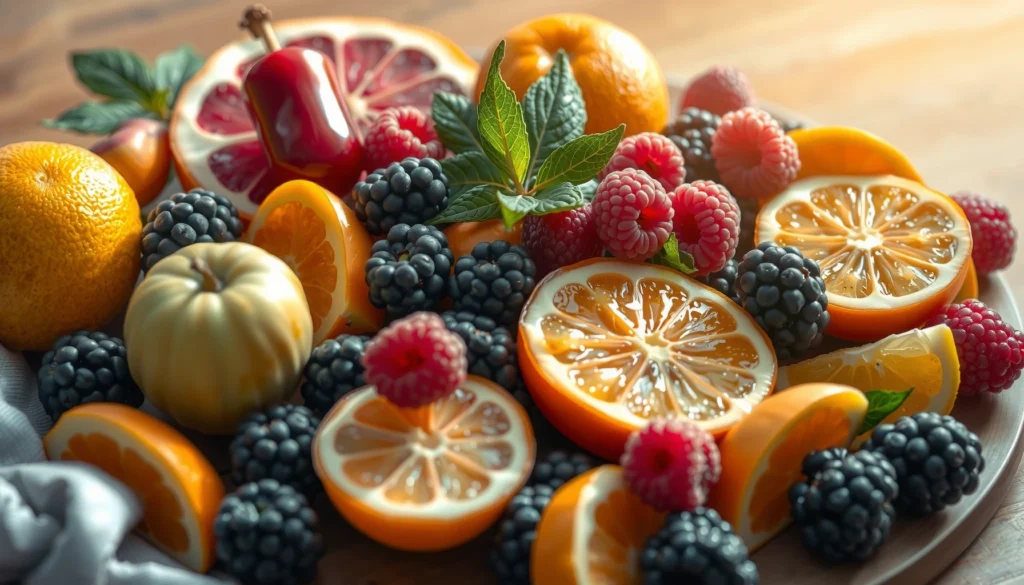

Navigating fruit choices with diabetes doesn’t mean giving up these nutritious treats. The best fresh fruits for diabetics are generally those high in fiber and with a lower glycemic index, which help manage blood sugar levels effectively. Excellent choices include a variety of berries, citrus fruits like oranges and grapefruits, as well as everyday staples such as apples and pears, providing essential vitamins, minerals, and antioxidants without causing sharp blood sugar spikes. These selections offer a wealth of health benefits, supporting overall wellness while seamlessly integrating into a blood sugar-conscious dietary plan.




Key Factors When Choosing Fruit
When selecting fruits as part of a diabetes management plan, a nuanced understanding of their nutritional impact is crucial. The natural sugars in fruit, while part of a healthy diet, need to be considered in the context of blood glucose regulation.
* Glycemic Index (GI) and Load (GL): The Glycemic Index measures how quickly a carbohydrate-containing food raises blood glucose levels after consumption. Foods with a high GI are rapidly digested and absorbed, leading to a quick and significant rise in blood sugar, while low GI foods cause a slower, more gradual increase. The Glycemic Load (GL) takes this a step further by accounting for both the GI and the actual carbohydrate content in a typical serving. For individuals with diabetes, prioritizing fruits with a lower GI and GL is paramount. This strategy helps prevent the sudden spikes in blood sugar that can be detrimental to long-term health and glucose control. Examples of low GI fruits often include berries, apples, and oranges, whereas fruits like watermelon have a higher GI but a moderate GL due to their high water content. Understanding these metrics empowers more informed food choices.
* Fiber Content: Fiber is a non-digestible carbohydrate that plays a pivotal role in blood sugar management. Fruits high in fiber, particularly soluble fiber, significantly slow down the digestion and absorption of sugars into the bloodstream. This physiological mechanism results in a more gradual rise in blood glucose levels, helping to maintain stability and prevent rapid post-meal spikes. Beyond blood sugar benefits, adequate fiber intake also promotes digestive health, contributes to feelings of satiety (fullness), and can assist with weight management – all beneficial aspects for individuals managing diabetes. When consuming fruits, opting for those with skins on, such as apples and pears, maximizes fiber intake.
* Portion Control: Even the healthiest, low-GI fruits contain natural sugars (fructose). While these sugars are accompanied by beneficial fiber and nutrients, consuming excessive amounts can still impact blood glucose levels. Therefore, mindful portion control is an indispensable component of incorporating fruit into a diabetic diet. Adhering to recommended serving sizes, typically about ½ to 1 cup of fresh fruit per meal or snack, helps ensure that the carbohydrate intake remains within an acceptable range. Monitoring personal blood sugar responses to different portion sizes further refines this strategy, allowing for personalized dietary adjustments. It’s not about avoiding fruit, but about enjoying it in moderation and understanding how it fits into your daily carbohydrate budget.
Berries: Your Sweet & Safe Bet
Berries are consistently lauded as a top fruit choice for individuals with diabetes due to their exceptional nutritional profile and favorable impact on blood sugar.
* Strawberries, Blueberries, Raspberries, Blackberries: These vibrant fruits are true nutritional powerhouses. They are notably low in calories and carbohydrates compared to many other fruits, making them an excellent choice for managing energy intake and blood sugar. Beyond their macronutrient composition, berries are exceptionally rich in fiber, which is crucial for glycemic control. They also boast an impressive array of antioxidants, including anthocyanins, flavonoids, and ellagic acid, which contribute to their distinctive colors and offer significant anti-inflammatory and protective cellular benefits. Regular consumption of these berries has been linked to improved insulin sensitivity and reduced markers of oxidative stress, offering a dual advantage for diabetes management.
* Blood Sugar Management: The high fiber content inherent in berries is their secret weapon for effective blood sugar management. This dietary fiber slows down the rate at which sugars are absorbed into the bloodstream, preventing the sharp, undesirable spikes that can occur with high-sugar, low-fiber foods. Instead, glucose enters the system more gradually, leading to a smoother and more sustained energy release. This steady state helps individuals maintain more consistent blood glucose levels throughout the day, reducing the metabolic stress associated with frequent fluctuations. Furthermore, the compounds found in berries may also help to modulate glucose metabolism at a cellular level, further enhancing their benefits for diabetic health.
* Versatile & Nutritious: The versatility of berries makes them incredibly easy to incorporate into a diabetes-friendly diet. They can be enjoyed fresh as a simple, refreshing snack, providing natural sweetness without guilt. For breakfast, mixing a handful of berries into plain Greek yogurt or oatmeal enhances both flavor and nutritional value. They are also excellent additions to smoothies, offering a boost of antioxidants and fiber, or can be folded into salads for a burst of color and unique taste. Even a small portion of frozen berries can be a great way to add them to your diet year-round. Their delightful taste and myriad health benefits make them an indispensable component of a balanced, diabetes-conscious eating plan.
Citrus Fruits: Zesty & Beneficial
Citrus fruits offer a refreshing and nutrient-dense option for individuals managing diabetes, thanks to their unique composition.
* Oranges, Grapefruits, Lemons, Limes: These zesty fruits are renowned for being excellent sources of Vitamin C, a powerful antioxidant that supports immune function and cellular health. Beyond Vitamin C, citrus fruits also provide dietary fiber, particularly pectin, which contributes to their relatively low glycemic index. This combination means they deliver vital nutrients while having a moderate impact on blood sugar levels. They also contain various beneficial plant compounds like flavonoids, which have anti-inflammatory properties and may contribute to improved cardiovascular health, a significant consideration for individuals with diabetes who often face an increased risk of heart disease. The high water content in citrus fruits also aids in hydration, an often-overlooked aspect of overall health.
* Whole Fruit vs. Juice: For optimal diabetes management, always prioritize consuming the whole fruit rather than fruit juice. When fruit is juiced, the beneficial dietary fiber is largely removed, leaving behind concentrated natural sugars. This lack of fiber means that the sugars are absorbed much more rapidly into the bloodstream, leading to a quicker and more pronounced rise in blood glucose levels, similar to consuming a sugary beverage. The whole fruit, conversely, retains all its fiber, which acts as a natural buffer, slowing sugar absorption and promoting a more stable glycemic response. Additionally, the act of eating whole fruit provides greater satiety, reducing the likelihood of overconsumption compared to easily consumed fruit juice.
* Grapefruit Precaution: While grapefruit is a highly nutritious fruit with a low glycemic index, it carries a crucial precaution for individuals on certain medications. Grapefruit and grapefruit juice contain compounds (primarily furanocoumarins) that can interact with specific enzymes in the gut, particularly CYP3A4, which are involved in metabolizing a wide range of prescription drugs. This interaction can lead to higher-than-intended concentrations of these medications in the bloodstream, potentially increasing side effects or toxicity. Medications commonly affected include statins (for cholesterol), some blood pressure medications, immunosuppressants, and certain anti-anxiety drugs. It is imperative to consult with your doctor or pharmacist about potential grapefruit interactions if you are on any prescription medication, ensuring your fruit choices do not compromise your treatment plan.
Apples & Pears: Everyday Fiber Heroes
Apples and pears are ubiquitous fruits that offer substantial benefits for individuals managing blood sugar, especially due to their impressive fiber content.
* High in Soluble Fiber: Both apples and pears are exceptionally rich in soluble fiber, a type of dietary fiber that dissolves in water to form a gel-like substance. This gel plays a critical role in slowing down digestion and the absorption of glucose from the digestive tract into the bloodstream. The result is a more gradual and sustained rise in blood sugar, rather than sharp, undesirable spikes. Pectin, a specific type of soluble fiber abundant in apples and pears, is particularly beneficial in this regard, contributing to improved glycemic control and aiding in the feeling of fullness. To maximize this fiber intake, it is highly recommended to consume apples and pears with their skins on, as a significant portion of their fiber, antioxidants, and nutrients resides just beneath the peel.
* Nutrient-Dense: Beyond their fiber content, apples and pears are nutrient-dense fruits that contribute significantly to overall health. They provide a range of essential vitamins, including Vitamin C, which acts as an antioxidant and supports immune function. They also contain various phytonutrients and antioxidants, such as quercetin in apples and various phenolic compounds in pears, which combat oxidative stress and inflammation within the body. These compounds are particularly valuable for individuals with diabetes, as chronic inflammation and oxidative stress are often linked to disease progression and complications. Regular consumption of these fruits can support cardiovascular health, another critical area for diabetes management, by helping to manage cholesterol levels and blood pressure.
* Snack Smart: Apples and pears make incredibly convenient and satisfying snacks. Their natural sweetness and substantial fiber content contribute to a feeling of satiety, helping to curb hunger between meals and reduce the likelihood of reaching for less healthy, high-sugar alternatives. This can be particularly beneficial for weight management, a key factor in diabetes control. Their portability and minimal preparation make them ideal for on-the-go consumption. For an enhanced blood sugar control benefit, pair a slice of apple or pear with a small serving of protein, such as a few almonds or a tablespoon of peanut butter. This combination further slows down carbohydrate absorption and provides sustained energy, making them an exemplary choice for a smart, diabetes-friendly snack.
Other Smart Fruit Choices
While berries, citrus, apples, and pears are top-tier choices, several other fruits can be incorporated into a diabetic diet with proper consideration.
* Kiwi, Cherries, Peaches, Apricots: These fruits offer good nutritional value and can be enjoyed in controlled portions due to their moderate glycemic index levels. Kiwi is a fantastic source of Vitamin C, Vitamin K, and fiber, and its unique enzymes can also aid digestion. Cherries, particularly tart cherries, are rich in anthocyanins, potent antioxidants that may help reduce inflammation and improve insulin sensitivity. Peaches and apricots, with their delicate sweetness, provide Vitamin A (beta-carotene), Vitamin C, and fiber. When choosing these, opt for fresh whole fruits rather than canned versions with added syrups, and be mindful of serving sizes to keep carbohydrate intake in check. A single kiwi or a small handful of cherries (around 10-12) can be a satisfying and healthy addition.
* Avocado (Yes, It’s a Fruit!): Often mistaken for a vegetable, avocado is botanically a fruit, and an exceptional one for individuals with diabetes. Unlike most fruits, avocados are remarkably low in carbohydrates and natural sugars. Instead, they are rich in healthy monounsaturated fats, which are known to improve heart health and can enhance insulin sensitivity. They also contain a significant amount of dietary fiber and potassium. Due to its minimal impact on blood sugar levels, avocado can be enjoyed liberally within a diabetes-friendly diet. It adds creaminess and satiety to meals, making it an excellent addition to salads, smoothies, or as a spread on whole-grain toast, providing nutrient density without the glycemic load.
* Melons (in Moderation): Watermelon, cantaloupe, and honeydew melons are hydrating and delicious, particularly in warmer months. However, they generally have a higher glycemic index compared to berries or citrus fruits. This means they can raise blood sugar more quickly if consumed in large quantities. Despite this, they still offer valuable nutrients like Vitamin A (cantaloupe), Vitamin C, and electrolytes. The key to enjoying melons for individuals with diabetes is strict portion control. A small serving, typically about ½ to 1 cup, can be incorporated into a meal plan without significantly impacting blood sugar, especially when paired with a source of protein or healthy fat to further slow absorption. Monitoring blood glucose after consumption can help determine individual tolerance and appropriate portion sizes.
Smart Fruit Consumption Tips
Integrating fruit effectively into a diabetes management plan requires strategic choices and mindful consumption habits.
* Prioritize Fresh & Whole: The cornerstone of healthy fruit consumption for individuals with diabetes is to consistently choose fresh, whole fruits. These forms retain all their natural fiber, which is crucial for moderating blood sugar responses. In contrast, dried fruits, while convenient, are highly concentrated in natural sugars with water removed, making their carbohydrate content per serving much higher and often leading to quicker blood sugar spikes. Similarly, canned fruits often come packed in sugary syrups, adding unnecessary carbohydrates. Fruit juices, as previously discussed, are devoid of the beneficial fiber and can be just as problematic as soda due to their rapid impact on blood glucose. Always opt for the fruit in its most natural, unprocessed state to maximize its health benefits and minimize glycemic impact.
* Pair with Protein/Fat: A highly effective strategy for further stabilizing blood sugar when consuming fruit is to pair it with a source of protein or healthy fats. Protein and fat both slow down the rate of gastric emptying, which in turn slows the digestion and absorption of carbohydrates, including the natural sugars from fruit. This physiological synergy helps to blunt the post-meal glucose response, leading to a more gradual and controlled rise in blood sugar levels. For example, enjoying an apple slice with a tablespoon of almond butter, or adding berries to Greek yogurt, not only enhances the nutritional profile of the snack but also optimizes its glycemic impact. This pairing strategy contributes to greater satiety and sustained energy, making it an excellent practice for effective diabetes management.
* Monitor Your Levels: Personalization is paramount in diabetes management, and fruit consumption is no exception. How different fruits affect an individual’s blood sugar can vary based on factors such as their level of insulin sensitivity, medication regimen, physical activity, and overall meal composition. Therefore, actively monitoring your blood glucose levels before and after consuming various fruits is an invaluable practice. This real-time feedback allows you to understand your unique physiological response to different types and portion sizes of fruit, enabling you to personalize your dietary choices for optimal blood sugar control. Keeping a food and blood sugar log can help identify patterns and make informed adjustments, ensuring that fruit remains a beneficial and enjoyable part of your diabetes-friendly diet. Consulting with a healthcare provider or a registered dietitian can provide tailored guidance based on your monitoring data and specific health needs.
Embracing fresh fruits as part of a diabetic-friendly diet is entirely possible and beneficial. By focusing on high-fiber, lower-GI options like berries, citrus, apples, and pears, and practicing mindful portion control, you can enjoy the natural sweetness and nutritional power of fruit without compromising your blood sugar goals. Remember to incorporate variety, listen to your body, and continually monitor your blood glucose levels to understand your personal responses. Always consult with your healthcare provider or a registered dietitian for personalized dietary advice to ensure your choices align with your specific health requirements and management plan.
Frequently Asked Questions
What are the best fresh fruits for diabetics to help manage blood sugar levels?
The best fresh fruits for diabetics are generally those with a low glycemic index (GI) and high fiber content, which help prevent rapid blood sugar spikes. Excellent choices include berries (strawberries, blueberries, raspberries), cherries, grapefruit, oranges, kiwis, and apples. These fruits offer essential vitamins and antioxidants while contributing to stable glucose management when consumed in appropriate portions.
How should a diabetic choose fresh fruit to minimize its impact on blood sugar?
Diabetics should choose fresh fruit primarily based on its glycemic index (GI) and fiber content. Opt for whole, unprocessed fruits over juices or canned versions with added sugar. Focus on fruits with lower GI values, and remember that fiber slows down sugar absorption, so high-fiber options are always a good choice for better blood sugar control. Always consider portion sizes to fit within your carbohydrate budget for each meal or snack.
Why is fiber content in fresh fruit particularly beneficial for individuals with diabetes?
Fiber content in fresh fruit is incredibly beneficial for individuals with diabetes because it helps slow the absorption of sugar into the bloodstream, preventing sharp blood glucose spikes. Soluble fiber, in particular, can also improve insulin sensitivity and help lower cholesterol levels. Consuming high-fiber fresh fruit contributes to a feeling of fullness, aiding in weight management, which is crucial for diabetes control.
Which fresh fruits should diabetics consume in moderation due to their higher natural sugar content?
While all fresh fruits contain natural sugars, some have a higher concentration and a higher glycemic index, meaning they can impact blood sugar more significantly if not portioned correctly. Diabetics should consume fruits like bananas, mangoes, grapes, pineapples, and watermelon in moderation. These fruits can still be part of a healthy diabetic diet, but mindful portion control is key to fitting them into your meal plan without raising blood glucose too much.
Can diabetics enjoy a variety of fresh fruits, or are there specific ones they should completely avoid?
Diabetics can enjoy a wide variety of fresh fruits as part of a healthy, balanced diet; no fresh fruit needs to be completely avoided. The key is understanding portion sizes, monitoring the glycemic index, and considering the overall carbohydrate content. While some fruits are better choices due to lower sugar and higher fiber, nearly all fresh fruits offer valuable nutrients and can be safely incorporated with careful planning and blood sugar monitoring.
References
- https://diabetes.org/healthy-living/foods-nutrition/what-can-i-eat/fruit
- https://www.cdc.gov/diabetes/managing/eat-well/what-to-eat.html
- Detox foot pads: Do they really work? – Mayo Clinic
- https://www.health.harvard.edu/diseases-and-conditions/best-fruits-for-diabetesand-which-to-avoid
- Healthy Living with Diabetes – NIDDK
- https://en.wikipedia.org/wiki/Diabetic_diet
- Alzheimer’s disease: Symptoms, stages, causes, and treatments
- Fruit, vegetables and diabetes | Eating with diabetes | Diabetes UK