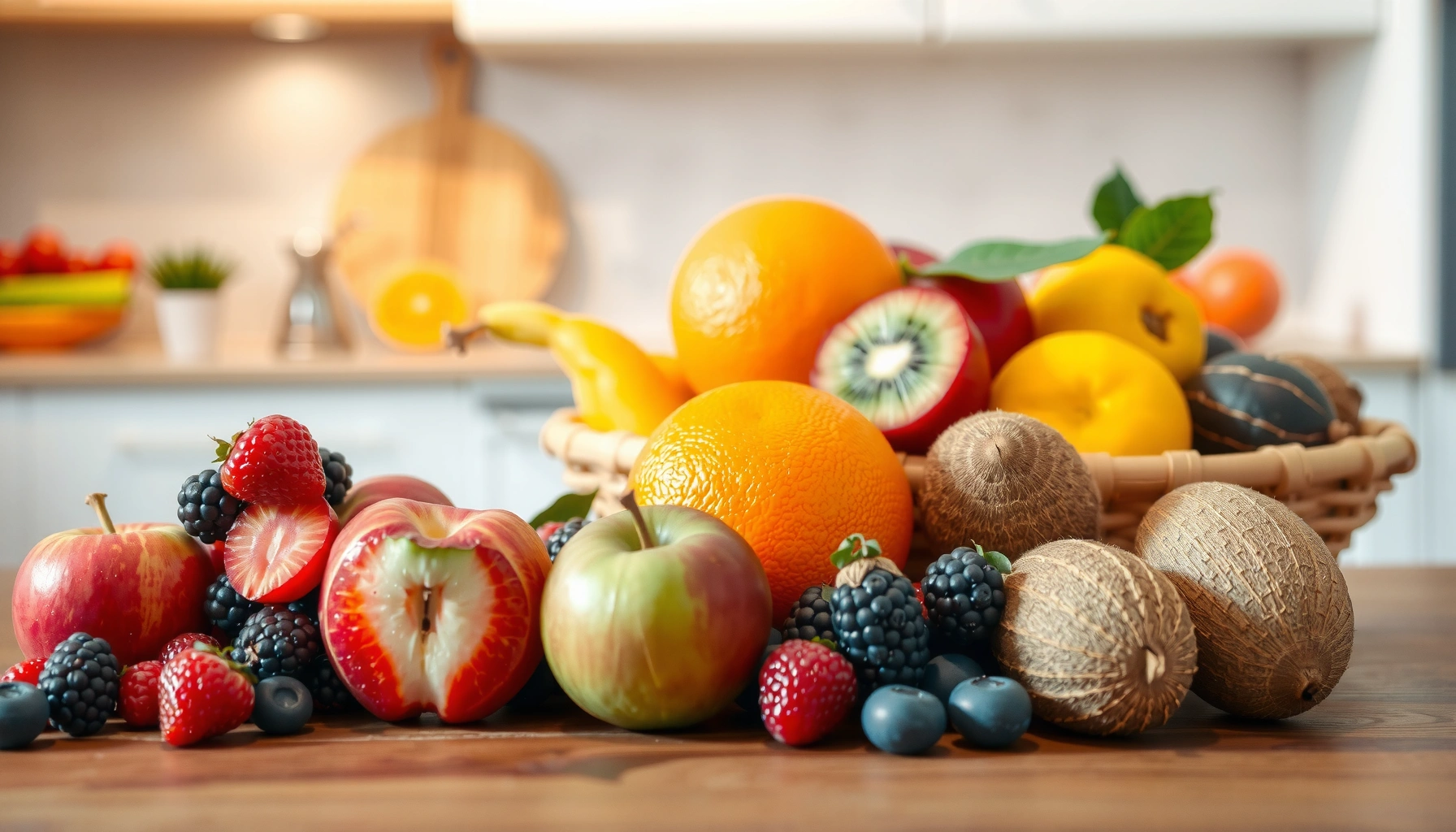

For individuals managing diabetes, incorporating fruits into your diet is not only possible but highly beneficial. The best fruits for diabetics are typically those rich in fiber and with a lower glycemic index (GI), as they help stabilize blood sugar levels while providing essential nutrients. Berries, apples, citrus fruits, and pears stand out as top choices, offering a wealth of vitamins, antioxidants, and a natural sweetness without causing sharp blood sugar spikes. Making informed decisions about fruit consumption can significantly contribute to better glycemic control and overall well-being, transforming them from a dietary concern into a powerful ally in diabetes management.




Understanding Fruit and Diabetes Management
Effective diabetes management hinges on a nuanced understanding of how different foods impact blood glucose levels. Fruits, while natural and nutrient-dense, contain carbohydrates primarily in the form of natural sugars. The key lies in selecting fruits that offer the most benefit with the least impact on blood sugar stability.
* Glycemic Index (GI): Learn why fruits with a lower GI are preferred, as they cause a slower rise in blood sugar.
The Glycemic Index (GI) is a numerical scale that ranks carbohydrates based on their immediate effect on blood glucose levels. Foods with a high GI are rapidly digested and absorbed, leading to a quick and significant rise in blood sugar. Conversely, foods with a low GI are digested and absorbed more slowly, resulting in a gradual and sustained rise in blood glucose, which is ideal for individuals with diabetes. For fruits, a GI score of 55 or less is considered low, 56-69 is moderate, and 70 or higher is high. Selecting low-GI fruits helps prevent the sharp blood sugar spikes that can complicate diabetes management, promoting better long-term control. This slower release of glucose is crucial for optimizing insulin response and maintaining energy levels throughout the day.
* Fiber Content: Understand the crucial role of dietary fiber in slowing sugar absorption and improving blood sugar control.
Dietary fiber is a non-digestible carbohydrate found abundantly in fruits, vegetables, and whole grains. Its importance in diabetes management cannot be overstated. Fiber, particularly soluble fiber, forms a gel-like substance in the digestive tract, which slows down the digestion and absorption of sugars. This decelerated absorption means glucose enters the bloodstream more gradually, preventing rapid blood sugar increases. Furthermore, fiber contributes to satiety, helping to manage appetite and reduce overall calorie intake, which is beneficial for weight management—a critical factor in diabetes. Insoluble fiber adds bulk to stool, promoting digestive regularity and overall gut health. Consuming fiber-rich fruits can also improve insulin sensitivity, making the body’s cells more responsive to insulin.
* Nutrient Density: Fruits provide essential vitamins, minerals, and antioxidants important for overall health, beyond just blood sugar.
Beyond their impact on blood sugar, fruits are powerhouses of essential nutrients vital for overall health, particularly for individuals managing a chronic condition like diabetes. They are packed with vitamins (such as Vitamin C, Vitamin A, folate), minerals (like potassium, magnesium), and a vast array of antioxidants and phytochemicals. These nutrients play critical roles in various bodily functions, including immune support, nerve function, bone health, and cellular repair. Antioxidants, in particular, are crucial for diabetics, as they help combat oxidative stress and inflammation, which are often heightened in individuals with diabetes and can contribute to long-term complications affecting the eyes, kidneys, and nerves. Choosing nutrient-dense fruits ensures you’re getting comprehensive health benefits, not just carbohydrate management.
Top Diabetic-Friendly Fruits
Prioritizing certain fruits can make a significant difference in a diabetic meal plan, offering maximum nutritional value with minimal blood sugar impact.
* Berries (Strawberries, Blueberries, Raspberries): High in fiber and antioxidants, low in sugar, and versatile for snacks or meals.
Berries are often hailed as superfoods, and for good reason, especially for individuals with diabetes. Strawberries, blueberries, and raspberries are exceptionally rich in dietary fiber, which slows carbohydrate absorption and aids in blood sugar regulation. A single cup of raspberries, for instance, can provide up to 8 grams of fiber. They are also remarkably low in natural sugars compared to many other fruits. What truly sets berries apart is their extraordinary antioxidant content, particularly anthocyanins, which give them their vibrant colors. These powerful antioxidants combat oxidative stress and inflammation, common concerns in diabetes, and have been linked to improved insulin sensitivity and cardiovascular health. Their versatility makes them easy to incorporate into a diabetic diet – enjoy them fresh, frozen, in smoothies, yogurt, or as a topping for oatmeal.
* Apples: A good source of fiber, easy to carry, and contribute to satiety.
An apple a day might indeed keep the doctor away, especially when it comes to diabetes management. Apples are an excellent source of soluble and insoluble fiber, with much of the beneficial fiber concentrated in the skin. Pectin, a type of soluble fiber found in apples, helps slow digestion and the release of glucose into the bloodstream. Apples also contain quercetin, a flavonoid with anti-inflammatory properties, and Vitamin C. Their crisp texture and natural sweetness make them a satisfying and convenient snack, perfect for on-the-go consumption. When choosing apples, consider varieties like Granny Smith, which tend to have a slightly lower sugar content than sweeter options. Always aim to eat the skin for maximum fiber benefits, and remember to wash thoroughly.
* Citrus Fruits (Oranges, Grapefruit, Lemons): Rich in Vitamin C and fiber, with a low glycemic load.
Citrus fruits are another fantastic choice for diabetics due to their high Vitamin C content, ample fiber, and generally low glycemic load. Vitamin C is a potent antioxidant that supports immune function and may help reduce inflammation. The soluble fiber in citrus fruits, like pectin, aids in cholesterol reduction and helps stabilize blood glucose. Grapefruit, in particular, has a very low GI and is known for its potential benefits in improving insulin sensitivity, though it’s crucial to consult a healthcare provider as grapefruit can interact with certain medications. Oranges offer a significant amount of Vitamin C and fiber, while lemons and limes, often used for flavoring, add nutritional value without significant sugar. Enjoying a whole orange provides more fiber and a slower sugar release than orange juice.
More Smart Fruit Choices
Expanding your fruit repertoire allows for diverse nutrient intake and culinary enjoyment without compromising blood sugar control.
* Pears: Excellent source of fiber, particularly when eaten with the skin, helping with blood sugar regulation.
Pears are a delightful and often overlooked fruit that offers substantial benefits for diabetics. Like apples, pears are an excellent source of dietary fiber, especially when consumed with their skin intact. A medium pear can provide around 6 grams of fiber, contributing significantly to daily fiber goals. This high fiber content helps regulate blood sugar levels by slowing carbohydrate absorption, promoting a more gradual rise in glucose. Pears also contain vitamins C and K, as well as antioxidants like procyanidins and quercetin. Their sweet, juicy flesh and satisfying texture make them a great addition to meals or as a standalone snack. Opt for fresh, firm pears and enjoy them unpeeled.
* Kiwi: Packed with Vitamin C, E, and K, along with fiber, supporting digestive and metabolic health.
Kiwi is a small but mighty fruit, boasting an impressive nutrient profile beneficial for individuals with diabetes. It’s exceptionally rich in Vitamin C, exceeding the daily recommended intake in a single serving, and also provides good amounts of Vitamin E and K, as well as potassium and folate. The fuzzy green fruit is also a good source of fiber, both soluble and insoluble, which aids in digestion and helps regulate blood sugar. Studies suggest that kiwi fruit’s unique enzyme, actinidin, and high fiber content may improve metabolic health by contributing to better glucose management and lipid profiles. Its refreshing taste and vibrant color make it an appealing addition to salads, yogurt, or enjoyed on its own.
* Peaches: A sweet, juicy option that provides fiber, Vitamin A, and C in moderation.
Peaches offer a wonderful burst of summer flavor and can be enjoyed by diabetics in moderation. A medium peach contains about 2 grams of fiber, along with a good dose of Vitamins A and C, and various antioxidants. They have a moderate glycemic index, making portion control particularly important. When choosing peaches, opt for fresh, firm varieties rather than canned peaches, which often come in sugary syrup. Enjoy them sliced into oatmeal, added to a salad, or as a refreshing snack. The key is to be mindful of serving size to prevent exceeding carbohydrate limits and to pair them with protein or healthy fats to further mitigate any potential blood sugar spikes.
Fruits to Enjoy in Moderation
While the focus is on low-GI, high-fiber fruits, other fruits can still be part of a diabetic diet if consumed mindfully and in controlled portions. The distinction lies in their higher natural sugar or carbohydrate content.
* Bananas: Higher in natural sugars and carbohydrates; opt for slightly unripe bananas and watch portion sizes.
Bananas are a popular fruit, but they require careful consideration for diabetics due to their higher carbohydrate and sugar content. A medium banana can contain around 27 grams of carbohydrates. The ripeness of a banana also plays a crucial role: as bananas ripen, their starch converts into sugar, increasing their GI. Therefore, slightly unripe bananas, which are greener and firmer, have a lower GI than fully ripe, soft ones. Portion control is paramount; instead of a whole large banana, consider half of a small banana. Pairing it with a source of protein or healthy fat, such as a handful of almonds or a tablespoon of peanut butter, can help slow sugar absorption and mitigate blood sugar spikes.
* Mangoes and Grapes: While nutritious, these fruits have a higher sugar content and should be consumed in smaller, controlled portions.
Mangoes and grapes are undeniably delicious and nutritious, offering vitamins, minerals, and antioxidants. However, they also contain a higher concentration of natural sugars compared to berries or citrus fruits. For instance, a single cup of mango can have over 20 grams of sugar, and a cup of grapes can have around 23 grams. This higher sugar content means they have a greater impact on blood glucose levels. To include them in a diabetic diet, strict portion control is essential. Instead of a whole mango, enjoy a small slice. For grapes, count them out (e.g., 10-12 grapes) rather than eating directly from the bunch. Always factor their carbohydrate content into your daily meal plan and consider pairing them with a protein source to temper their glycemic effect.
* Melons (Watermelon, Cantaloupe): High water content but also a higher GI; enjoy in small servings.
Melons, including watermelon and cantaloupe, are incredibly hydrating due to their high water content, making them refreshing choices, especially in warmer months. They also provide vitamins A and C. However, they typically have a higher glycemic index compared to other fruits on this list, meaning they can cause a relatively quick rise in blood sugar if consumed in large quantities. Despite their high water content diluting the sugar, the sheer volume consumed can lead to significant carbohydrate intake. The key is moderation and portion control. Limit servings to about one cup cubed at a time and pair them with a source of protein or healthy fat, like cottage cheese or a small handful of nuts, to help stabilize blood sugar response.
Portion Control and Preparation Tips
Beyond selecting the right fruits, how you consume them is equally important in managing blood sugar levels effectively. Strategic portioning and preparation can amplify the benefits and minimize risks.
* Stick to Recommended Servings: Emphasize that even healthy fruits require mindful portion control to manage carbohydrate intake.
Even the most diabetic-friendly fruits contain carbohydrates, which convert to glucose in the bloodstream. Therefore, portion control is fundamental. The American Diabetes Association generally recommends a serving size of about 15 grams of carbohydrates per fruit serving. This translates to roughly one small apple, half a medium banana, one cup of berries, or half a grapefruit. It’s crucial to understand your individual carbohydrate allowance per meal and snack, often determined in consultation with a registered dietitian or healthcare provider. Overconsumption, even of healthy fruits, can lead to elevated blood sugar levels. Learning to accurately estimate portion sizes and integrating fruit into your overall carbohydrate counting strategy is vital for consistent blood sugar management.
* Choose Whole Fruits Over Juices: Fruit juice lacks the beneficial fiber found in whole fruit, leading to quicker blood sugar spikes.
This is one of the most critical distinctions for diabetics. While fruit juice may seem healthy, it effectively concentrates the natural sugars of multiple fruit servings into a single glass, stripped of its beneficial fiber. Without fiber to slow absorption, the sugars in fruit juice rapidly enter the bloodstream, causing a swift and significant spike in blood glucose levels. Even 100% fruit juice, without added sugars, presents this challenge. Smoothies, while retaining some fiber, can also be problematic if they contain multiple fruit servings without sufficient protein or fat to balance the sugar load. Opting for whole fruit ensures you benefit from its intact fiber, which promotes satiety and a more gradual, controlled release of glucose.
* Combine with Protein or Healthy Fats: Eating fruit with nuts, seeds, or yogurt can further slow sugar absorption.
A powerful strategy to mitigate blood sugar spikes from fruit is to combine it with sources of protein or healthy fats. Protein and fat both slow down gastric emptying, meaning food stays in the stomach longer, resulting in a more gradual release of glucose into the bloodstream. For example, pairing apple slices with a tablespoon of almond butter, berries with plain Greek yogurt (which is high in protein), or a handful of mixed nuts with a small serving of grapes can significantly improve blood sugar response. This not only aids in glucose management but also enhances satiety, helping you feel fuller for longer and potentially reducing overall calorie intake. This simple pairing technique can transform a potentially problematic fruit snack into a perfectly balanced and diabetic-friendly option.
Beyond Blood Sugar: Holistic Benefits
While managing blood sugar is paramount, the benefits of incorporating fruits into a diabetic diet extend far beyond glycemic control, contributing to overall health and reducing the risk of diabetes-related complications.
* Antioxidant Power: Fruits offer protection against cellular damage and reduce inflammation, common concerns for diabetics.
Diabetes is often associated with increased oxidative stress and chronic low-grade inflammation, which can contribute to the development and progression of various complications, including cardiovascular disease, neuropathy, and retinopathy. Fruits are abundant in a wide array of antioxidants, such as Vitamin C, carotenoids, and various flavonoids. These compounds work to neutralize harmful free radicals, reduce oxidative damage to cells, and lower systemic inflammation. By regularly consuming antioxidant-rich fruits, individuals with diabetes can bolster their body’s defenses, protect vital organs, and potentially mitigate the long-term deleterious effects of the disease. This proactive cellular protection is a cornerstone of holistic diabetes management.
* Heart Health: Many diabetic-friendly fruits contribute to lower cholesterol and blood pressure, supporting cardiovascular health.
Individuals with diabetes are at a significantly higher risk of cardiovascular diseases, including heart attacks and strokes. Many diabetic-friendly fruits play a crucial role in promoting heart health. The soluble fiber found in fruits like apples, pears, and citrus can help lower LDL (“bad”) cholesterol levels. Potassium, abundant in fruits like kiwi and peaches, is essential for maintaining healthy blood pressure, countering the effects of sodium. Furthermore, the antioxidants and phytochemicals in fruits contribute to improved endothelial function (the lining of blood vessels) and reduced arterial stiffness, both vital for cardiovascular well-being. By integrating these fruits, diabetics can actively work to protect their heart and blood vessels, a critical aspect of their health management.
* Weight Management: The fiber in fruits can promote fullness, aiding in healthy weight management which is crucial for diabetes.
Obesity and overweight are significant risk factors for developing type 2 diabetes and can exacerbate existing conditions. Fruits, particularly those high in fiber, are excellent allies in weight management. Fiber adds bulk to food, promoting feelings of fullness and satiety without adding excessive calories. This can naturally lead to reduced overall calorie intake and prevent overeating. Additionally, fruits are generally low in calorie density compared to many processed snack foods. Substituting high-calorie, low-nutrient snacks with a fiber-rich fruit can be an effective strategy for managing weight, which in turn improves insulin sensitivity and glycemic control. The natural sweetness of fruits can also satisfy cravings for sugary foods in a healthier way.
Making smart fruit choices is a key component of a balanced diet for managing diabetes. By prioritizing fiber-rich, low-GI options like berries, apples, and citrus, and being mindful of portion sizes for higher-sugar fruits, you can enjoy the delicious taste and numerous health benefits fruits offer. Remember to always choose whole fruits over juices to maximize fiber intake and stabilize blood sugar response. Combining fruits with protein or healthy fats is another effective strategy for better glycemic control. These practices, coupled with the profound antioxidant, heart health, and weight management benefits, underscore the invaluable role of fruits in a diabetic lifestyle. Always consult with your healthcare provider or a registered dietitian to tailor fruit consumption to your individual dietary needs and blood sugar goals, ensuring a personalized and effective approach to your health.
Frequently Asked Questions
Which fruits are best for managing blood sugar levels in diabetics?
Berries (strawberries, blueberries, raspberries), citrus fruits (oranges, grapefruits), kiwis, and apples are among the best choices for diabetics. These fruits are generally low in glycemic index (GI), high in fiber, and packed with essential vitamins and antioxidants, helping to stabilize blood sugar and support overall health. Their fiber content slows sugar absorption, preventing rapid spikes.
How do fruits with a low glycemic index benefit people with diabetes?
Fruits with a low glycemic index (GI) cause a slower and more gradual rise in blood sugar compared to high-GI fruits. This is crucial for diabetics as it helps maintain stable blood glucose levels, reducing the risk of sudden spikes and subsequent crashes. Choosing low-GI fruits supports better long-term diabetes management and overall metabolic health.
Are there any fruits that diabetics should limit or avoid due to high sugar content?
Diabetics should generally limit or consume in very small portions fruits with a high glycemic index or concentrated sugar, such as ripe mangoes, pineapples, bananas, and grapes. While these fruits offer nutrients, their higher sugar content can lead to quicker blood sugar spikes. Dried fruits and fruit juices should also be approached with caution due to their concentrated natural sugars and lack of fiber.
What are healthy portion sizes for fruit when you have diabetes?
Healthy portion sizes for fruit for diabetics typically range from one small apple, half a large banana, one cup of berries, or a half-cup of sliced fruit. It’s crucial to count the carbohydrates in your fruit serving as part of your overall daily carbohydrate allowance to prevent blood sugar fluctuations. Consulting a dietitian can help personalize fruit portion recommendations based on individual needs and activity levels.
Why are berries (like strawberries, blueberries) often recommended as a top fruit choice for diabetics?
Berries are highly recommended for diabetics because they are relatively low in carbohydrates and sugar, yet rich in fiber and powerful antioxidants. The fiber content helps slow down sugar absorption, preventing sharp blood sugar increases, while antioxidants combat inflammation and reduce the risk of diabetes-related complications. Their vibrant taste also makes them a satisfying and versatile option for snacks or meal additions.
References
- https://diabetes.org/food-nutrition/what-to-eat/fruits
- https://diabetes.org/food-nutrition/what-to-eat/diabetes-superfoods
- Diabetes diet: Create your healthy-eating plan – Mayo Clinic
- https://www.cdc.gov/diabetes/managing/eat-well/food-choices.html
- Healthy Living with Diabetes – NIDDK
- https://www.health.harvard.edu/diseases-and-conditions/best-fruits-for-diabetes
- https://www.umassmed.edu/nutrition/news/2021/eating-to-manage-diabetes/