Individuals with diabetes can indeed enjoy milk chocolate, primarily by selecting specific sugar-free or low-sugar formulations that incorporate alternative sweeteners and are designed with careful nutritional profiles. The “best” options prioritize minimal added sugars, utilize low-glycemic sugar alcohols or natural non-caloric sweeteners, and maintain quality cocoa content to deliver flavor without significantly impacting blood glucose levels. This article provides a comprehensive guide to help you make informed choices, ensuring you can savor milk chocolate responsibly as part of your diabetes management plan.



Understanding Diabetic-Friendly Chocolate
Navigating the world of diabetic-friendly treats requires a nuanced understanding of how ingredients impact blood sugar. It’s not simply about avoiding the word “sugar.”
Not All “Sugar-Free” is Equal
The term “sugar-free” on a product label can often be misleading if not thoroughly understood. While it legally signifies that a product contains less than 0.5 grams of sucrose (table sugar) per serving, it does not guarantee a minimal impact on blood glucose. Many “sugar-free” items compensate for the lack of sugar with other carbohydrates, such as refined flours, starches, or certain sugar alcohols, which can still raise blood sugar levels. For instance, some products use maltodextrin, a complex carbohydrate that, despite not being classified as a “sugar,” has a very high glycemic index and can cause a rapid spike in blood glucose. Moreover, milk solids, a common ingredient in milk chocolate, naturally contain lactose, a form of sugar that contributes to the overall carbohydrate count. Therefore, a diligent review of the entire nutrition label and ingredient list is paramount, focusing beyond just the “sugar” line.
Focus on Net Carbs
For many individuals managing diabetes, tracking “net carbs” offers a more accurate method for assessing a food’s potential impact on blood sugar. Net carbohydrates are calculated by subtracting the grams of fiber and certain sugar alcohols from the total carbohydrates. This approach is rooted in the understanding that fiber is not digested and absorbed by the body in the same way as other carbohydrates, thus having little to no effect on blood glucose. Similarly, certain sugar alcohols, such as erythritol and xylitol, are either poorly absorbed or metabolized in a way that significantly reduces their caloric and glycemic impact. By focusing on net carbs, diabetics can gain a clearer picture of how a specific food might influence their blood sugar, allowing for more precise meal planning and dietary adjustments. It is important to note, however, that the calculation of net carbs can vary slightly depending on the type of sugar alcohol, with some having a partial impact.
Glycemic Index (GI)
The Glycemic Index (GI) is a system that ranks carbohydrate-containing foods based on their effect on blood glucose levels over a two-hour period after consumption. Foods with a high GI cause a rapid and significant rise in blood sugar, while those with a low GI result in a slower, more gradual increase. For individuals with diabetes, selecting products with a lower glycemic index is highly beneficial, as it helps in maintaining more stable blood sugar levels and can reduce the risk of hyperglycemia. Diabetic-friendly chocolates often achieve a lower GI through the inclusion of fiber, healthy fats, and specific alternative sweeteners that are not readily metabolized into glucose. While specific GI values for specialized chocolate products may not always be readily available, prioritizing ingredients known to have a low glycemic impact—such as erythritol, stevia, and a higher cocoa content—can serve as an effective guide.
Key Ingredients to Look For
The composition of diabetic-friendly milk chocolate is critical. Identifying beneficial ingredients empowers consumers to make choices that align with their health goals.
Sugar Alcohols (Polyols)
Sugar alcohols are carbohydrates that are partially absorbed by the body, providing fewer calories and a lesser impact on blood sugar compared to traditional sugar.
* Erythritol: Widely regarded as one of the best sugar alcohols for diabetics, erythritol is almost entirely absorbed in the small intestine before it reaches the large intestine, meaning it causes minimal digestive discomfort. It has nearly zero calories and a glycemic index of virtually zero, making it an excellent sweetener choice that does not raise blood glucose or insulin levels.
* Xylitol: Similar to erythritol in its low glycemic impact and caloric value, xylitol is another popular sugar alcohol. However, in larger quantities, it can cause digestive upset like gas and diarrhea dueishing its incomplete absorption in the gut. It’s also highly toxic to dogs, which is an important consideration for pet owners.
* Maltitol: While a sugar alcohol, maltitol has a higher glycemic index (around 35-52, compared to sugar’s 60-70) and caloric value than erythritol or xylitol. It can also cause more significant digestive issues in some individuals. Consequently, products relying heavily on maltitol should be approached with more caution and consumed in smaller quantities.
Natural Non-Caloric Sweeteners
These sweeteners provide sweetness without contributing significant calories or affecting blood sugar, making them ideal for diabetic-friendly products.
* Stevia: Derived from the *Stevia rebaudiana* plant, stevia is a highly potent natural sweetener that offers sweetness without calories or glycemic impact. Different forms, such as Reb A and Reb M, vary in their taste profile, with Reb M often being preferred for its sugar-like taste and lack of bitter aftertaste.
* Monk Fruit: Extracted from the monk fruit (Siraitia grosvenorii), this sweetener owes its sweetness to compounds called mogrosides. Like stevia, monk fruit is calorie-free, has no glycemic impact, and is significantly sweeter than sugar, making it a natural choice for diabetic-friendly chocolate formulations.
* Allulose: Gaining popularity, allulose is a “rare sugar” naturally found in small quantities in foods like wheat, figs, and raisins. It offers a similar taste and texture to sugar but with only about 10% of the calories and virtually no impact on blood glucose. Its unique chemical structure allows it to provide sweetness and functional properties (like browning) without being metabolized as sugar by the body.
Higher Cocoa Content (for darker milk chocolate)
Even within the category of milk chocolate, cocoa content varies significantly. Opting for milk chocolates with a higher cocoa percentage (e.g., 50% or more, bridging the gap between traditional milk and dark chocolate) typically means less sugar and more of the beneficial compounds found in cocoa. Cocoa itself is naturally low in sugar and rich in flavanols, powerful antioxidants known to support cardiovascular health and improve insulin sensitivity. By choosing a “dark milk” chocolate, you can still enjoy the creamy texture provided by milk solids, but with a reduced sugar load and an increased intake of healthful cocoa nutrients.
Ingredients to Approach with Caution
Beyond knowing what to look for, it’s equally important to be aware of ingredients that might undermine your diabetes management efforts.
Maltitol
As mentioned, Maltitol, while a sugar alcohol, stands out due to its relatively higher glycemic impact and potential for digestive distress. Many individuals report experiencing gas, bloating, and diarrhea after consuming products that contain a significant amount of maltitol. This occurs because maltitol is not fully absorbed in the small intestine and ferments in the large intestine, leading to these uncomfortable symptoms. For diabetics, its blood sugar impact is also more pronounced than erythritol or stevia. Therefore, if a product lists maltitol prominently in its ingredients, it should be consumed sparingly, and its personal effect on your blood sugar should be carefully monitored.
Excessive Artificial Sweeteners
Some older generation artificial sweeteners, such as saccharin, aspartame, and sucralose, have been a subject of ongoing debate regarding their long-term health implications. While regulatory bodies generally deem them safe at approved levels, some research suggests potential associations with alterations in the gut microbiome, which could indirectly influence glucose metabolism, or contribute to sugar cravings. While more conclusive research is needed, many health-conscious individuals and those with diabetes prefer to minimize their intake of these synthetic compounds, opting instead for natural non-caloric sweeteners like stevia, monk fruit, or allulose, or sugar alcohols like erythritol, which have a clearer and more benign metabolic profile.
Hidden Sugars
The food industry employs a vast array of names for sugar to make ingredient lists appear healthier or less intimidating. For diabetics, vigilance against these “hidden sugars” is crucial. Beyond obvious terms like “sugar,” “cane sugar,” or “corn syrup,” be on the lookout for ingredients such as:
High-fructose corn syrup
Dextrose
Maltodextrin (despite not being called sugar, it’s a rapidly absorbed carbohydrate)
Agave nectar
Honey
Maple syrup
Molasses
Fruit juice concentrate
Evaporated cane juice
Turbinado sugar
Brown rice syrup
Glucose syrup
All of these are forms of sugar that will raise blood glucose levels and should be avoided or severely limited. A thorough scan of the entire ingredient list, rather than just the “sugar” line on the nutrition panel, is essential for identifying these hidden culprits.
Top Types and Brands to Explore
The market for diabetic-friendly treats is expanding, offering several avenues for enjoying milk chocolate.
Dedicated Diabetic Chocolate Brands
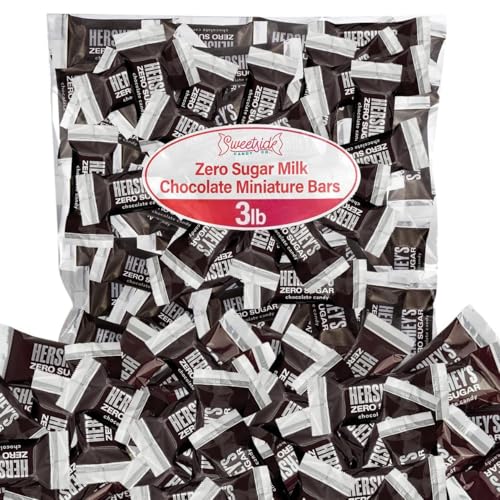
A growing number of brands specialize in producing chocolates specifically formulated for individuals managing diabetes or following low-carb and ketogenic diets. These brands often prioritize a combination of erythritol, stevia, monk fruit, or allulose as their primary sweeteners, ensuring a minimal impact on blood sugar. They also frequently incorporate ingredients like inulin (a dietary fiber) to enhance texture and further reduce net carbohydrate counts. When exploring these brands, look for labels explicitly stating “sugar-free,” “keto-friendly,” or “low-net-carb,” and always cross-reference with the ingredient list and nutritional panel to confirm their suitability. These specialized products aim to replicate the taste and mouthfeel of traditional milk chocolate while adhering to diabetic dietary guidelines.
Premium Dark Milk Chocolate
For those who appreciate a richer, more nuanced flavor and wish to avoid artificial sweeteners altogether, premium dark milk chocolate can be an excellent choice. These chocolates typically feature a higher cocoa content, often ranging from 40% to 60%, compared to standard milk chocolate’s 20-30%. While they still contain sugar, the higher cocoa percentage means the overall sugar content per serving is significantly reduced. The increased antioxidants from the cocoa are an added health benefit. This option requires careful portion control and label reading to ensure the sugar content aligns with your individual carbohydrate allowance, but it offers a more “natural” route to milk chocolate enjoyment without specialized sweeteners.
DIY/Homemade Options
For ultimate control over ingredients and sweetness levels, consider making your own diabetic-friendly milk chocolate at home. This approach allows you to select high-quality unsweetened cocoa powder or unsweetened baking chocolate as the base, then sweeten it with your preferred non-caloric sweeteners like stevia, monk fruit, or erythritol. To achieve the creamy texture of milk chocolate, you can incorporate ingredients like full-fat milk powder, heavy cream powder, or even a small amount of coconut oil or cocoa butter for richness. There are numerous recipes available online that guide you through melting, mixing, and tempering chocolate at home, providing a highly customizable and often more cost-effective solution for enjoying this treat.
The Importance of Portion Control and Moderation
Even with the best diabetic-friendly milk chocolate, moderation remains a cornerstone of effective diabetes management.
Even “Diabetic-Friendly” Requires Limits
It is a common misconception that “sugar-free” or “low-carb” chocolates can be consumed without restriction. While these products are designed to have a lesser impact on blood sugar than their traditional counterparts, they are not calorie-free, fat-free, or entirely carb-free. Overconsumption can still lead to an excess intake of calories, potentially contributing to weight gain, which can exacerbate insulin resistance and make blood sugar management more challenging. Furthermore, even low-glycemic sugar alcohols can have some effect on blood sugar if consumed in very large quantities, and certain types can cause gastrointestinal distress.
Small Portions
The key to enjoying any treat, including diabetic-friendly milk chocolate, is mindful consumption and strict portion control. Instead of indulging in an entire bar, consider enjoying a small square or two. Many specialized chocolate brands offer pre-portioned squares or bars with clear serving sizes to assist with this. Savoring each bite slowly allows you to fully appreciate the flavor and texture, leading to greater satisfaction with a smaller amount. This approach not only helps in maintaining stable blood sugar but also fosters a healthier relationship with food, integrating treats as an occasional pleasure rather than a dietary staple.
Pairing with Protein/Fat
A smart strategy to further mitigate any potential blood sugar spikes and enhance satiety is to pair your milk chocolate treat with foods rich in protein or healthy fats. For example, enjoying a small piece of chocolate alongside a handful of nuts (like almonds or walnuts), a dollop of nut butter, or even a small serving of Greek yogurt can help slow down the digestion and absorption of any carbohydrates present. Protein and fat delay gastric emptying, which means the glucose enters the bloodstream more gradually, resulting in a more stable blood sugar response. This pairing can also help you feel fuller for longer, reducing the likelihood of overeating.
Reading Nutritional Labels Effectively
Mastering the art of label reading is an indispensable skill for anyone managing diabetes, especially when selecting specialty food items like milk chocolate.
Total Carbohydrates
Start by looking at the “Total Carbohydrates” line. This figure represents the sum of all carbohydrates in a single serving, including sugars, starches, fiber, and sugar alcohols. While you’ll delve deeper into specific types, this number gives you the initial context for the product’s carbohydrate load. Remember that for diabetics, managing total carbohydrate intake is crucial for blood sugar control, so selecting products with a lower total carbohydrate count per serving is generally preferable.
Sugars and Added Sugars
Next, scrutinize the “Sugars” line, and more importantly, the “Added Sugars” line (now mandated on many labels). The “Sugars” figure includes naturally occurring sugars (like lactose in milk solids) and added sugars. The “Added Sugars” line specifically quantifies sugars that have been incorporated during processing. For diabetic-friendly milk chocolate, your goal should be to find products with 0g of “Added Sugars.” While some natural sugars from milk (lactose) might still be present in milk chocolate, minimizing added sugars is paramount to prevent blood glucose spikes.
Sugar Alcohols (if present)
If a product contains sugar alcohols, this will be listed separately below the “Total Carbohydrates” line. To estimate the “net carbs,” which is a more accurate reflection of the carbohydrates that will impact your blood sugar, you will subtract the sugar alcohol grams from the total carbohydrates. However, this subtraction isn’t always a one-to-one ratio:
* Erythritol and Xylitol: These sugar alcohols have minimal impact on blood sugar, so you can generally subtract 100% of their grams from total carbs.
* Maltitol, Sorbitol, Isomalt: These have a more significant glycemic impact and caloric value. A common practice is to subtract only half (50%) of their grams from total carbs.
Understanding which sugar alcohols are used is crucial for an accurate net carb calculation.
Fiber Content
Finally, pay close attention to the “Fiber” content. Fiber is a carbohydrate that the body cannot digest, meaning it does not raise blood sugar. In fact, dietary fiber helps slow down the absorption of other carbohydrates, contributing to more stable blood glucose levels. Higher fiber content in a chocolate product is a positive indicator, as it contributes to a lower net carb count and provides additional digestive benefits. Always subtract the total fiber grams from the total carbohydrates to get closer to your true net carb count.
Consult Your Healthcare Professional
While this guide provides comprehensive information, personalized medical advice is always essential for diabetes management.
Personalized Advice
Every individual’s diabetes journey is unique, influenced by factors such as the type of diabetes, medications, existing health conditions, lifestyle, and individual metabolic responses. What works well for one person might not be suitable for another. Therefore, it is critically important to discuss any new dietary changes, including the introduction of “diabetic-friendly” milk chocolate, with your healthcare provider or a registered dietitian. They can offer tailored advice that takes into account your specific health profile, medication regimen, and overall diabetes management plan, ensuring your food choices support your health goals safely and effectively.
Monitor Blood Sugar
The ultimate test of how any food affects your body is direct observation. After trying a new “diabetic-friendly” milk chocolate product, make it a practice to monitor your blood sugar levels. Test your blood sugar before consuming the chocolate and again one to two hours afterward. This provides invaluable data on how your body personally reacts to the product’s ingredients and serving size. Keep a food diary to correlate your chocolate consumption with your blood sugar readings. This empirical evidence will empower you to fine-tune your choices, identify optimal portion sizes, and understand which specific products are truly beneficial for your individual blood sugar control. This proactive approach helps you enjoy treats without compromising your health.
Finding the best milk chocolate for diabetics transcends mere brand loyalty; it necessitates a thorough understanding of ingredients, diligent scrutiny of nutritional labels, and a steadfast commitment to mindful portion control. By choosing products formulated with responsible sweeteners like erythritol, stevia, or allulose, and by being vigilant against hidden sugars and less desirable sugar alcohols like maltitol, you can confidently indulge in the creamy satisfaction of milk chocolate without derailing your blood sugar management. Always remember to integrate these choices into your overall diabetes care plan and to consult with your healthcare provider or a registered dietitian for personalized advice, ensuring your enjoyment aligns perfectly with your individual health objectives.
Frequently Asked Questions
Can diabetics safely enjoy milk chocolate, and what should they look for when choosing?
Yes, diabetics can safely enjoy milk chocolate, but it’s crucial to select specific “diabetic-friendly” or “sugar-free” varieties that are formulated to minimize blood sugar impact. When choosing, look for milk chocolate sweetened with alternative sweeteners like stevia, erythritol, or monk fruit, and always check the nutrition label for total carbohydrates, net carbs, and sugar alcohol content. Prioritize options with the lowest added sugar and a clear indication of their suitability for managing blood glucose levels.
What specific ingredients make a milk chocolate “diabetic-friendly,” and which should be avoided?
For diabetic-friendly milk chocolate, look for natural sugar alcohols such as erythritol or xylitol (in moderation), stevia, or monk fruit extract as the primary sweeteners, as these have a minimal effect on blood sugar. Conversely, strictly avoid milk chocolates high in traditional refined sugars, corn syrup, or excessive amounts of maltitol, as these can cause significant blood glucose spikes. Also, consider options with a higher cocoa percentage, even in milk chocolate, for potential added benefits.
Why is dark chocolate often recommended over milk chocolate for diabetics, and are there exceptions for milk chocolate lovers?
Dark chocolate is generally recommended for diabetics due to its lower sugar content, higher fiber, and abundant antioxidants, which can be beneficial for heart health and blood sugar management. However, for milk chocolate lovers, there are excellent exceptions: specially formulated sugar-free or low-carb milk chocolates that use alternative sweeteners and often have reduced net carbs. These products allow diabetics to enjoy the creamy taste of milk chocolate without the typical glycemic load.
Which brands offer the best milk chocolate options specifically designed for diabetics?
Several reputable brands now offer high-quality milk chocolate options suitable for diabetics. Brands like Lily’s Sweets, ChocZero, and Russell Stover Sugar Free are popular choices, providing milk chocolate bars and confections sweetened with erythritol, stevia, or monk fruit. When seeking the “best milk chocolate for diabetics,” always compare the nutrition facts across brands to find products that align with your individual carbohydrate limits and personal taste preferences.
How can diabetics safely incorporate milk chocolate into their diet without negatively impacting blood sugar?
To safely incorporate milk chocolate into a diabetic diet, portion control is absolutely paramount; consume small, measured amounts as an occasional treat rather than a regular staple. It’s often best to enjoy sugar-free or low-carb milk chocolate alongside a meal that contains protein and fiber, as this can help slow glucose absorption and prevent rapid blood sugar spikes. Regularly monitoring your blood glucose levels after consumption is also crucial to understand your body’s specific response to different milk chocolate varieties.
References
- https://diabetes.org/healthy-living/recipes-nutrition/eating-chocolate-when-you-have-diabetes
- Vitamin B-12 injections for weight loss: Do they work? – Mayo Clinic
- https://health.clevelandclinic.org/can-diabetics-eat-chocolate
- Healthy Living with Diabetes – NIDDK
- https://www.uofmhealth.org/health-library/aa153163
- Sugar substitute
- Glycemic index