

Managing Type 2 Diabetes effectively hinges significantly on strategic dietary choices. The best foods to focus on are primarily non-starchy vegetables, lean proteins, whole grains, and healthy fats. These foods are crucial because they help stabilize blood sugar levels, promote satiety, and provide essential nutrients without causing rapid glucose spikes, thereby supporting overall health and diabetes management. This guide will walk you through the key food groups that form the foundation of a diabetes-friendly diet.




Non-Starchy Vegetables: Your Plate’s Best Friend
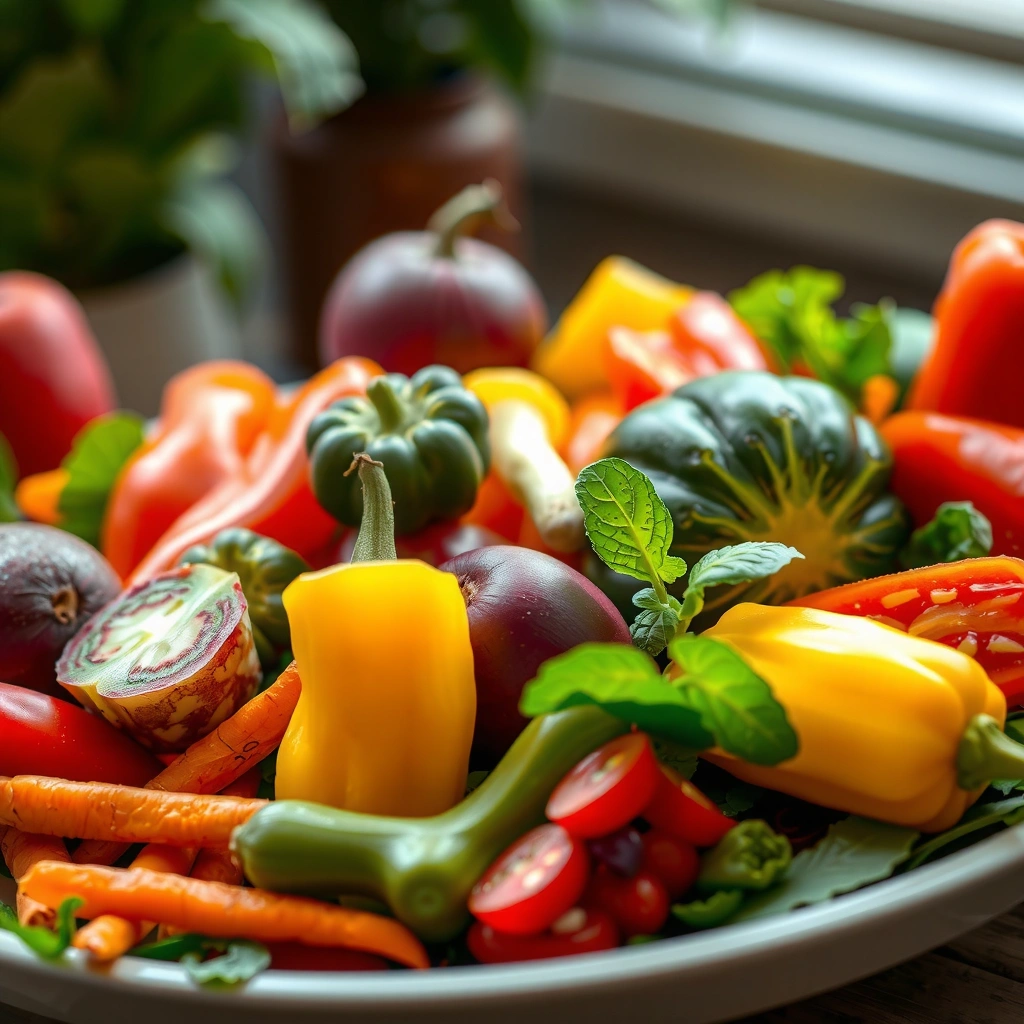
Non-starchy vegetables are arguably the most impactful category of foods for individuals managing Type 2 Diabetes, forming the cornerstone of a healthy plate. Their unique nutritional profile allows for substantial consumption without adversely affecting blood glucose levels, making them an indispensable part of daily meals.
7 Best Non-Starchy Vegetables (Per ~1 Cup Serving)
| # | Vegetable (serving) | Carbs | Fiber | Diabetes Plate Rating |
|---|---|---|---|---|
| 1 | Broccoli (cooked, 1 cup) | 6.6 g | 5.1 g | ★★★★★ |
| 2 | Artichoke hearts (cooked, 1 cup) | 13.0 g | 10.3 g | ★★★★★ |
| 3 | Asparagus (cooked, 1 cup) | 5.2 g | 3.6 g | ★★★★☆ |
| 4 | Cauliflower (cooked, 1 cup) | 5.0 g | 3.0 g | ★★★★☆ |
| 5 | Spinach (raw, 1 cup) | 1.1 g | 0.7 g | ★★★☆☆ |
| 6 | Mushrooms (cooked, 1 cup) | 4.9 g | 2.7 g | ★★★★☆ |
| 7 | Bell peppers (raw, 1 cup) | 8.5 g | 2.5 g | ★★★☆☆ |
– High in Fiber and Nutrients: Vegetables like spinach, broccoli, bell peppers, green beans, kale, cauliflower, asparagus, and mushrooms are packed with an impressive array of vitamins, minerals, and antioxidants, with minimal impact on blood sugar. The high fiber content—both soluble and insoluble—is particularly beneficial. Soluble fiber helps slow down the absorption of glucose, which prevents rapid blood sugar spikes, while insoluble fiber adds bulk to your diet, supporting digestive health. Furthermore, these vegetables are rich in essential micronutrients such as Vitamin C, Vitamin K, folate, and potassium, which contribute to overall metabolic function and reduce the risk of diabetes-related complications like cardiovascular disease and neuropathy. Incorporating a vibrant spectrum of colors ensures a diverse intake of beneficial phytochemicals.
– Promote Satiety: One of the greatest advantages of non-starchy vegetables is their high water and fiber content. This combination effectively increases the volume of food on your plate without adding significant calories or carbohydrates. As a result, they help you feel full and satisfied for longer periods, reducing the likelihood of overeating or snacking on less healthy options. This enhanced satiety is crucial for weight management, a key component in effective Type 2 Diabetes management, as maintaining a healthy weight can improve insulin sensitivity.
– Versatile and Delicious: Non-starchy vegetables are incredibly versatile, making them easy to incorporate into any meal of the day. They can be enjoyed raw in fresh salads, steamed as a simple side dish, roasted with herbs and a drizzle of olive oil, stir-fried with lean protein, or blended into nutrient-dense smoothies and soups. Experimenting with different cooking methods and seasonings can keep your diet exciting and prevent meal fatigue. For example, a large salad with a variety of greens and colorful vegetables can be a complete meal, or a generous serving of roasted broccoli can complement any protein.
Power Up with Lean Proteins

Protein is a macronutrient that plays a critical role in blood sugar regulation, satiety, and overall metabolic health, particularly for those managing Type 2 Diabetes. Prioritizing lean sources ensures you gain these benefits without excessive intake of unhealthy fats.
– Blood Sugar Stabilization: Lean protein sources help slow down gastric emptying, meaning food moves from the stomach to the small intestine at a more gradual pace. This process directly impacts the rate at which glucose enters the bloodstream, thereby preventing sharp blood sugar spikes that often follow carbohydrate-rich meals. By moderating the glycemic response, protein contributes significantly to stable blood glucose levels throughout the day, which is essential for consistent energy and preventing insulin resistance.
– Muscle Maintenance and Satiety: Protein is fundamental for building and repairing tissues, including muscle mass. Maintaining adequate muscle mass is important for metabolic health, as muscle tissue is more metabolically active than fat tissue and plays a significant role in glucose uptake. Beyond its structural role, protein is highly satiating. Consuming enough protein helps keep you feeling satisfied after meals, reducing hunger pangs and curbing the urge to snack on high-carb or high-sugar items between meals. This effect is crucial for managing appetite and supporting weight management goals.
– Excellent Sources: When selecting protein, focus on lean options. Opt for skinless poultry like chicken or turkey breast, which offer high-quality protein with minimal saturated fat. Fish, especially fatty fish such as salmon, mackerel, and sardines, are excellent choices not only for their protein content but also for their rich supply of omega-3 fatty acids. Omega-3s are renowned for their anti-inflammatory properties and their beneficial effects on cardiovascular health, a critical consideration for individuals with diabetes who are at increased risk of heart disease. Plant-based proteins like tofu, tempeh, and edamame are complete proteins and offer additional fiber. Legumes, including lentils, chickpeas, and black beans, are also powerful protein sources, though they contain carbohydrates and should be factored into daily carb counts. Lean cuts of red meat can be included in moderation, focusing on options like sirloin or flank steak and trimming visible fat.
Smart Carbs: Opt for Whole Grains and Legumes
While carbohydrates directly influence blood sugar, choosing the right types is paramount. Smart carbohydrate choices for Type 2 Diabetes focus on complex carbohydrates rich in fiber, which offer sustained energy and superior blood glucose control compared to their refined counterparts.
– Complex Carbohydrates and Fiber: Unlike refined grains (white bread, white rice, pasta), whole grains retain all parts of the grain kernel – the bran, germ, and endosperm. This means they are rich in fiber, vitamins, and minerals. Examples include oats, quinoa, brown rice, whole-wheat bread, and barley. Legumes, such as lentils, chickpeas, black beans, and kidney beans, are also exceptional sources of complex carbohydrates, protein, and dietary fiber. These complex structures mean they digest slowly, leading to a more gradual release of glucose into the bloodstream. The soluble fiber in these foods is particularly effective at forming a gel-like substance in the digestive tract, further slowing sugar absorption.
– Sustained Energy and Blood Sugar Control: The slow digestion characteristic of whole grains and legumes translates into a steady release of energy, preventing the rapid peaks and subsequent crashes in blood sugar levels that are common with simple sugars and refined carbohydrates. This consistent energy supply helps maintain mental clarity and physical stamina throughout the day. Furthermore, the high fiber content directly aids in regulating blood sugar levels by improving insulin sensitivity over time and reducing post-meal glucose excursions. Regular consumption of these foods has been linked to better long-term glycemic control and a reduced risk of cardiovascular complications.
– Portion Control is Key: Even healthy carbohydrates can impact blood sugar levels, especially when consumed in large quantities. Therefore, mindful portion sizes are absolutely critical. It is essential to understand your individual carbohydrate tolerance and to measure servings of whole grains and legumes to ensure they fit within your daily carbohydrate budget. For example, a half-cup serving of cooked quinoa or beans might be an appropriate portion for many individuals, rather than unlimited amounts. Consulting with a registered dietitian can help you determine personalized carbohydrate targets and appropriate serving sizes for these nutrient-dense foods, ensuring optimal blood sugar management without sacrificing their nutritional benefits.
Embracing Healthy Fats for Heart Health
Fats often get a bad reputation, but healthy fats are an indispensable part of a balanced diet, especially for individuals managing Type 2 Diabetes. They play crucial roles in nutrient absorption, hormone production, and satiety, all while supporting cardiovascular health.
– Essential Nutrients and Satiety: Healthy fats, consumed in moderation, are vital for the absorption of fat-soluble vitamins (A, D, E, K), which are essential for immune function, bone health, and antioxidant protection. Beyond nutrient absorption, fats significantly enhance satiety. Because they digest more slowly than carbohydrates and protein, they help you feel full and satisfied for longer periods after meals. This prolonged feeling of fullness can be instrumental in controlling overall food intake, preventing overeating, and supporting weight management efforts—all of which are critical for effective diabetes management.
– Improve Cholesterol Levels: Monounsaturated fatty acids (MUFAs) and polyunsaturated fatty acids (PUFAs) are particularly beneficial for heart health, which is a major concern for those with Type 2 Diabetes due to their increased risk of cardiovascular complications. MUFAs, found abundantly in avocados, olive oil, and nuts like almonds and pecans, can help lower levels of low-density lipoprotein (LDL) cholesterol (the “bad” cholesterol) while potentially increasing high-density lipoprotein (HDL) cholesterol (the “good” cholesterol). PUFAs, including omega-3 and omega-6 fatty acids, found in fatty fish, flaxseeds, chia seeds, and walnuts, further reduce inflammation and support arterial health. By improving cholesterol profiles and reducing inflammation, these fats contribute significantly to reducing the risk of heart disease and stroke.
– Choose Wisely: The key to incorporating fats into a diabetes-friendly diet is to choose wisely and consume them in moderation. Focus on plant-based fats such as extra virgin olive oil for cooking and dressings, avocados for salads and spreads, and a variety of nuts and seeds (e.g., almonds, walnuts, chia seeds, flaxseeds) as snacks or additions to meals. Fatty fish like salmon and tuna are excellent sources of omega-3s. Conversely, it is crucial to avoid trans fats, which are often found in hydrogenated oils in processed foods, as they dramatically increase LDL cholesterol and inflammation. Limit saturated fats, primarily found in animal products like fatty meats and full-fat dairy, as excessive intake can also negatively impact cholesterol levels.
Fruits and Dairy: Sweetness and Calcium in Moderation
Fruits and dairy products can be valuable components of a diabetes-friendly diet, offering essential nutrients. However, due to their natural sugar content, mindful selection and portion control are particularly important.
– Nutrient-Rich Choices: Fruits are abundant sources of vitamins (especially Vitamin C and folate), minerals, and a wide array of antioxidants, which combat oxidative stress and support cellular health. Dairy products, on the other hand, are excellent providers of calcium, vital for bone health, and high-quality protein, which contributes to satiety and muscle maintenance. When chosen wisely, both food groups can contribute significantly to overall nutritional intake.
– Mindful Fruit Selection: While all fruits contain natural sugars (fructose), their fiber content varies, impacting their glycemic effect. Berries (strawberries, blueberries, raspberries), apples, pears, and citrus fruits (oranges, grapefruits) are generally good choices due to their higher fiber content and relatively lower glycemic index compared to tropical fruits like mangoes or bananas. The fiber helps slow down sugar absorption, mitigating sharp blood sugar spikes. It’s crucial to consume whole fruits rather than fruit juices, as juices strip away the beneficial fiber and lead to a more rapid glucose influx. Portion control is also paramount; a single serving of fruit (e.g., one small apple, a cup of berries) provides adequate nutrients without overloading on sugar. Pairing fruit with a source of protein or healthy fat, such as a handful of nuts or a spoonful of almond butter, can further help to stabilize blood sugar levels.
– Dairy Options: When it comes to dairy, opt for unsweetened varieties to avoid added sugars, which can significantly impact blood sugar. Plain, unsweetened Greek yogurt is an excellent choice as it is high in protein and often contains probiotics beneficial for gut health. Low-fat milk or unsweetened plant-based alternatives (like almond or soy milk) are also good options for calcium and protein intake. Cheese can be enjoyed in moderation, keeping an eye on saturated fat content. Always check labels for “added sugars” even in seemingly healthy dairy products, as they can often contain significant amounts. These choices allow you to benefit from calcium and protein without the detrimental effects of excessive sugar.
Foods to Limit or Avoid for Optimal Blood Sugar
Successfully managing Type 2 Diabetes involves not only knowing what to eat but also understanding which foods can hinder progress and should be limited or avoided. These foods typically cause rapid blood sugar spikes, contribute to inflammation, and offer little nutritional value.
– Refined Grains and Sugary Drinks: This category represents some of the most detrimental foods for blood sugar control. Refined grains, such as white bread, white pasta, white rice, pastries, and many breakfast cereals, have had their fiber-rich bran and germ removed. This processing makes them rapidly digestible, leading to quick and significant surges in blood glucose. Similarly, sugary drinks, including sodas, sweet tea, energy drinks, and even many fruit juices (which lack the fiber of whole fruit), deliver a concentrated dose of sugar directly into the bloodstream. These immediate sugar spikes demand a rapid insulin response, contributing to insulin resistance over time and making blood sugar management exceedingly difficult. They also provide “empty calories” with little to no nutritional benefit.
– Processed and Fried Foods: Processed foods, ranging from packaged snacks to ready-made meals, are often laden with unhealthy trans fats, excessive sodium, refined carbohydrates, and hidden sugars. Fried foods, whether fast food or home-cooked, are typically prepared with unhealthy oils that are high in saturated and trans fats. Consuming these foods regularly contributes significantly to weight gain, increased inflammation throughout the body, and impaired insulin sensitivity. The combination of unhealthy fats, high sodium, and refined carbs in these items can exacerbate diabetes complications, particularly cardiovascular disease and high blood pressure, making them a clear detriment to overall health.
– Excessive Added Sugars: Beyond sugary drinks, added sugars are pervasive in the modern diet and can be hidden in countless everyday items. Be mindful of ingredients like high-fructose corn syrup, sucrose, dextrose, and maltose in seemingly benign products such as sauces (ketchup, barbecue sauce), condiments, salad dressings, canned fruits, and many packaged foods. These hidden sugars contribute to excessive calorie intake, promote weight gain, and directly impact glucose levels, making it challenging to maintain stable blood sugar. Developing a habit of carefully reading nutrition labels and ingredient lists is crucial to identify and minimize intake of these hidden sugars, thereby gaining better control over your dietary impact on blood glucose.
Practical Tips for Meal Planning and Hydration
Effective diabetes management extends beyond knowing which foods to eat; it also encompasses how and when you eat, along with adequate hydration. Implementing practical strategies for meal planning can significantly enhance blood sugar control and overall well-being.
– Plate Method: The “plate method” is a simple yet powerful visual tool for creating balanced meals that support blood sugar management. Aim for half of your plate to be non-starchy vegetables (e.g., leafy greens, broccoli, peppers), ensuring a high intake of fiber and nutrients with minimal carbohydrate impact. One-quarter of your plate should consist of lean protein sources (e.g., chicken breast, fish, tofu), which help stabilize blood sugar and promote satiety. The remaining one-quarter should be allocated to whole grains or starchy vegetables (e.g., quinoa, brown rice, sweet potato). This method helps ensure appropriate portion sizes and a balanced macronutrient distribution at each meal without complex counting.
– Consistent Mealtimes: Eating at regular intervals throughout the day can play a vital role in stabilizing blood sugar levels. Skipping meals or having erratic eating patterns can lead to significant fluctuations in blood glucose, making it harder for your body to manage insulin effectively. Regular meals help maintain a consistent supply of glucose, preventing extreme lows (hypoglycemia) or highs (hyperglycemia). This consistency also helps regulate hunger hormones, reducing the likelihood of overeating at subsequent meals or making impulsive unhealthy food choices. Aim for three balanced meals a day, with small, healthy snacks in between if needed, especially if you’re active or on certain medications.
– Stay Hydrated: Water is an essential, often overlooked, component of a diabetes-friendly lifestyle. It is crucial for numerous bodily functions, including nutrient transport, waste elimination, and maintaining overall metabolic health. Choosing water over sugary beverages is paramount; sodas, fruit juices, and sweetened teas provide empty calories and can cause rapid blood sugar spikes. Adequate hydration can also help your kidneys remove excess glucose through urine, especially when blood sugar levels are elevated. Additionally, sometimes the body confuses thirst for hunger, leading to unnecessary snacking. Staying well-hydrated can help differentiate true hunger from thirst, aiding in better food choices and overall calorie control.
Adopting a diet rich in non-starchy vegetables, lean proteins, whole grains, and healthy fats is a powerful step in managing Type 2 Diabetes and improving overall well-being. By making conscious food choices and practicing portion control, you can stabilize blood sugar levels, maintain a healthy weight, and reduce the risk of complications such as heart disease and kidney issues. These dietary adjustments are not just about restriction but about embracing a diverse array of nutrient-dense foods that nourish your body and support long-term health. Begin incorporating these beneficial foods into your daily meals today, and consider consulting a registered dietitian or a certified diabetes educator for personalized guidance tailored to your specific needs and health goals.
Frequently Asked Questions
Which food groups are considered most beneficial for managing type 2 diabetes?
Prioritizing non-starchy vegetables, lean proteins, whole grains, and healthy fats is crucial for managing type 2 diabetes. These food groups provide essential fiber, vitamins, and minerals, which help stabilize blood sugar levels and promote satiety. Consistently choosing these best foods for diabetes type 2 can significantly improve glucose control and overall metabolic health.
How can I incorporate more blood sugar-friendly carbohydrates into my diet without spiking glucose levels?
To manage blood sugar effectively, opt for complex carbohydrates like whole oats, quinoa, brown rice, legumes, and certain starchy vegetables (in moderation). Pair these with protein and healthy fats to slow digestion and minimize post-meal glucose spikes. Careful portion control is also vital when including these beneficial carbohydrates in your diabetes meal plan.
What are the best fruits and vegetables for individuals with type 2 diabetes to maintain stable blood sugar?
For vegetables, focus on non-starchy options such as leafy greens, broccoli, cauliflower, bell peppers, and asparagus, as they are rich in fiber and low in calories. Regarding fruits, berries, apples, pears, and citrus fruits are excellent choices due to their lower glycemic index and high antioxidant content. These selections contribute to stable blood sugar and offer valuable nutrients for diabetes management.
Why are lean proteins and healthy fats important components of a diabetes-friendly meal plan?
Lean proteins, found in chicken breast, fish, tofu, and legumes, are essential because they help slow the absorption of carbohydrates, preventing rapid blood sugar spikes and promoting fullness. Healthy fats, present in avocados, nuts, seeds, and olive oil, also contribute to satiety and can improve insulin sensitivity. Integrating these best foods for diabetes type 2 supports glucose control and long-term heart health.
What are some practical and satisfying snack ideas for someone managing type 2 diabetes?
Practical and satisfying snacks for type 2 diabetes typically combine protein and fiber to maintain stable blood sugar. Excellent choices include a handful of almonds with a small apple, Greek yogurt with a few berries, vegetable sticks with hummus, or hard-boiled eggs. These best foods for diabetes type 2 snacks provide sustained energy and help manage hunger between meals without causing glucose surges.
References
- https://www.cdc.gov/diabetes/managing/eat-well.html
- Healthy Living with Diabetes – NIDDK
- https://diabetes.org/healthy-living/recipes-nutrition/eating-healthy
- Diabetes diet: Create your healthy-eating plan – Mayo Clinic
- https://www.hsph.harvard.edu/nutritionsource/disease-prevention/type-2-diabetes/
- Diabetic Diet | MedlinePlus
- https://www.nhs.uk/conditions/type-2-diabetes/food-and-diet/
- Not Found | American Heart Association | American Heart Association
📅 Last Updated: July 28, 2026 | Topic: Best Foods for Type 2 Diabetes: What to Eat for Better Health | Content verified for accuracy and freshness.





Pingback: Best Diet for Diabetic Patient: What to Eat and Avoid - Best For Diabetics
Pingback: Best Food for Dog With Diabetes: What to Feed for Better Health - Best For Diabetics
Pingback: Best Meal Plan for Type 2 Diabetes: Simple, Balanced Weekly Guide - Best For Diabetics
Pingback: Best Mexican Food for Diabetics: Smart Choices for Better Glucose - Best For Diabetics
Pingback: Best Things to Eat as a Diabetic: Smart Food Choices - Best For Diabetics
Pingback: Diabetic Best Food: Top Choices for Better Blood Sugar - Best For Diabetics
Pingback: Top 10 Countries With Diabetes in the World 2023: Ranked Overview - Best For Diabetics
Pingback: Best Banana Bread for Diabetics: Lower-Sugar, Diabetic-Friendly Recipe - Best For Diabetics