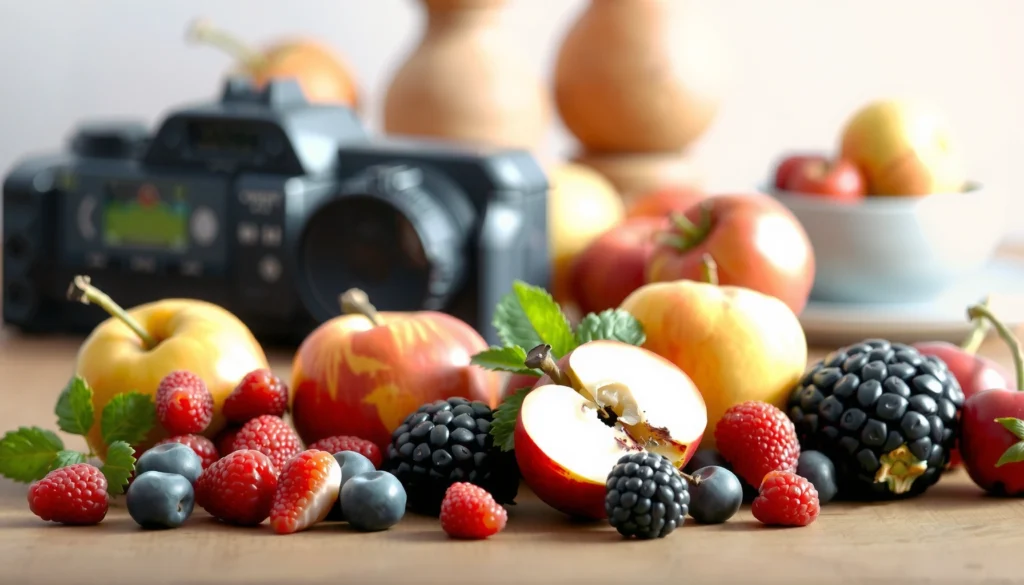

For individuals managing diabetes, most fruits can be a healthy and beneficial dietary component, with high-fiber, low-glycemic index options like berries and apples being optimal choices. Conversely, fruits with concentrated sugars, such as dried fruits and fruit juices, should be limited or avoided due to their potential for rapid blood sugar spikes. Understanding the specific characteristics of various fruits—their glycemic index, fiber content, and natural sugar profile—is key to making informed decisions that support stable blood glucose levels and overall well-being.




Understanding Fruit’s Impact on Blood Sugar
Navigating fruit consumption with diabetes requires a fundamental understanding of how different components of fruit interact with your body’s glucose regulation system. It’s not just about “sugar” but about the entire nutritional package and how quickly it’s digested and absorbed.
* Glycemic Index (GI): The Glycemic Index is a valuable tool that measures how quickly a carbohydrate-containing food raises blood sugar levels after consumption, compared to a reference food (typically pure glucose or white bread). Foods are ranked on a scale of 0 to 100:
* Low GI (55 or less): These foods cause a slow, gradual rise in blood sugar, making them ideal for diabetes management. Examples include most non-starchy vegetables, legumes, and specific fruits like berries.
* Medium GI (56-69): These foods have a moderate impact on blood sugar. They can be included in a diabetic diet with careful portion control.
* High GI (70 or more): These foods lead to a rapid and significant increase in blood sugar. While not all high GI foods are “bad,” they require careful consideration and often limitation for individuals with diabetes. For fruits, ripeness can significantly impact GI; a very ripe banana, for instance, has a higher GI than a slightly green one. Understanding GI allows for proactive food choices that help prevent the sharp peaks and valleys in blood glucose that can complicate diabetes management.
* Fiber Content: Fiber is a non-digestible carbohydrate found abundantly in fruits, and it plays a critical role in mitigating the impact of fruit sugars on blood glucose.
* Soluble Fiber: This type of fiber dissolves in water to form a gel-like substance in the digestive tract. This gel slows down the absorption of glucose into the bloodstream, preventing rapid blood sugar spikes and contributing to a more stable post-meal glucose response. Pectin in apples and citrus fruits is a prime example.
* Insoluble Fiber: While not directly influencing sugar absorption in the same way, insoluble fiber adds bulk to stool, aids digestive regularity, and contributes to satiety, helping with weight management—a crucial aspect of diabetes care.
Fruits rich in fiber, therefore, offer a natural buffer against their sugar content, making them far superior to refined sugars or fruit juices lacking this essential component. Beyond blood sugar, fiber also supports gut health, lowers cholesterol, and reduces the risk of certain chronic diseases.
* Natural Sugars vs. Added Sugars: It is crucial to differentiate between the natural sugars found in whole fruits and the added sugars prevalent in processed foods, sweetened beverages, and even some canned fruits.
* Natural Sug Sugars: In whole fruits, natural sugars (fructose, glucose, sucrose) come encapsulated within a complex “food matrix” that includes water, fiber, vitamins, minerals, and antioxidants. This matrix ensures slower digestion and absorption, providing nutrients alongside energy.
* Added Sugars: These are sugars that have been artificially incorporated into foods and drinks. They typically come without any beneficial fiber or micronutrients, leading to rapid sugar absorption, a quick blood sugar spike, and often empty calories that contribute to weight gain and insulin resistance. Consequently, a serving of a whole apple has a vastly different metabolic impact than a glass of apple juice or a fruit pastry, despite similar sugar quantities.
The “Best” Fruits for Diabetics (Low GI & High Fiber)
These fruits are champions for diabetic diets, offering a powerful combination of low glycemic impact, high fiber content, and a rich array of essential vitamins, minerals, and antioxidants. They support stable blood sugar levels while promoting overall health.
* Berries (Strawberries, Blueberries, Raspberries): Berries are superstars in the diabetic diet. They are exceptionally low in calories and natural sugars but remarkably high in fiber and a diverse range of antioxidants, particularly anthocyanins, which give them their vibrant colors.
* Strawberries: Low GI, rich in Vitamin C and manganese. A 1-cup serving provides about 3g of fiber and contributes minimal carbohydrates.
* Blueberries: While slightly higher in natural sugars than other berries, their potent antioxidant profile (known for anti-inflammatory effects) and fiber content (about 4g per cup) keep their GI low. They are packed with Vitamin K and C.
* Raspberries: Boast one of the highest fiber contents among fruits, with about 8g per cup. This makes them particularly effective at moderating blood sugar response. They also provide Vitamin C and manganese.
* Blackberries: Similar to raspberries in fiber content and antioxidant power.
Tip: Enjoy fresh or frozen berries in oatmeal, yogurt, smoothies, or as a standalone snack. Their versatility makes them easy to incorporate daily.
* Apples & Pears: These common orchard fruits are excellent choices, especially when consumed with their skins on, as the skin contains a significant portion of their beneficial fiber and antioxidants.
* Apples: A medium apple provides around 4-5g of fiber, much of which is soluble fiber (pectin). Pectin is renowned for its ability to slow digestion and the absorption of glucose. Apples also contain quercetin, an antioxidant with anti-inflammatory properties. Choose varieties like Granny Smith for a slightly lower sugar content.
* Pears: Similar to apples, pears are rich in fiber (around 6g for a medium pear) and Vitamin C. Their soluble fiber content aids in blood sugar control and satiety.
Tip: Always eat apples and pears whole and unpeeled to maximize fiber intake. Pair them with a small handful of almonds or a slice of cheese to further stabilize blood sugar.
* Citrus Fruits (Oranges, Grapefruit, Lemons, Limes): Citrus fruits are hydrating, refreshing, and loaded with Vitamin C, folate, and potassium, alongside a good dose of fiber.
* Oranges: A medium orange offers about 3g of fiber and is an excellent source of Vitamin C. Unlike orange juice, the whole fruit’s fiber slows sugar absorption.
* Grapefruit: With a very low GI, grapefruit is a fantastic choice, providing ample Vitamin C and lycopene (especially pink/red varieties). *Caution:* Grapefruit can interact with certain medications, including some statins and blood pressure drugs. Always consult your doctor or pharmacist if you are on medication.
* Lemons & Limes: While not typically eaten whole due to their tartness, their zest and juice are excellent for flavoring water, salads, and meals, adding flavor without contributing significant sugars.
Tip: Enjoy orange segments directly, rather than juice. A half-grapefruit makes a refreshing breakfast addition.
“Good” Fruits in Moderation (Medium GI)
These fruits are nutritious and can certainly be part of a diabetic diet, but their higher natural sugar content or medium glycemic index means portion control becomes even more critical. They should be enjoyed in measured amounts to prevent unwanted blood sugar spikes.
* Bananas: Bananas are a convenient and nutritious source of potassium, Vitamin B6, and Vitamin C. However, their glycemic impact depends significantly on their ripeness.
* Ripeness Matters: Green (unripe) bananas contain resistant starch, which acts more like fiber and has a lower GI. As a banana ripens, resistant starch converts into free sugars, increasing its GI.
Tip: Opt for slightly green bananas. A serving size is typically half of a medium banana (about 15g of carbohydrates), rather than a whole large one. Pair it with a source of protein or healthy fat like peanut butter or nuts to further slow sugar absorption.
* Mangoes & Pineapples: These tropical delights are sweet, flavorful, and packed with vitamins and antioxidants, but their natural sugar content is higher than berries or apples, placing them in the medium GI category.
* Mangoes: Rich in Vitamin C, Vitamin A, and folate. A typical serving is about half a cup (around 12-15g carbohydrates).
* Pineapples: Known for their Vitamin C and bromelain (an enzyme with anti-inflammatory properties). A serving is also about half a cup.
Tip: Due to their higher sugar content, it’s crucial to stick to strict portion sizes. Consider them a treat rather than an everyday staple, and always pair them with protein or fat. For example, a small amount of mango diced into Greek yogurt.
* Cherries & Grapes: These small, delicious fruits are easy to overconsume, making portion control vital for managing blood sugar.
* Cherries: Both sweet and tart cherries contain antioxidants (anthocyanins) known for their anti-inflammatory benefits. Tart cherries, in particular, may have a slightly lower glycemic impact. A serving is about 10-12 cherries (around 15g carbohydrates).
* Grapes: High in antioxidants like resveratrol, but their natural sugar content is concentrated, especially in a handful. A serving is typically about 15 small grapes or half a cup (approximately 15g carbohydrates).
Tip: Measure your portions carefully rather than eating directly from the bag. Enjoy them as a standalone snack or incorporate a small amount into a salad for a burst of flavor.
Fruits to Limit or “Worst” for Diabetics
These categories of fruit and fruit-based products pose a higher risk for rapid and significant blood sugar spikes due to concentrated sugars, lack of fiber, or added sweeteners. Limiting or avoiding them is generally recommended for optimal diabetes management.
* Dried Fruits (Raisins, Dates, Dried Apricots): While seemingly natural, dried fruits are problematic because the dehydration process removes water, which concentrates their natural sugars immensely.
* Sugar Concentration: A small handful of raisins contains the sugar equivalent of a much larger quantity of fresh grapes, but without the volume of water to aid satiety. For instance, a small box of raisins (1.5 oz) can contain over 30g of carbohydrates, almost entirely from sugar.
* High Glycemic Load: Despite some dried fruits having a moderate GI, their high sugar density means their glycemic load (which considers portion size) is very high, leading to rapid and substantial blood glucose increases.
* Lack of Satiety: Without water, dried fruits are less filling, making overconsumption very easy.
Recommendation: It’s best to avoid dried fruits or consume them in extremely small, carefully measured quantities, if at all, preferably paired with protein or healthy fats.
* Fruit Juices (Even 100% Juice): This is perhaps one of the most significant pitfalls for individuals with diabetes, as fruit juice, even “100% pure fruit juice,” lacks the critical fiber found in whole fruit.
* Fiber Removal: The juicing process strips away virtually all the beneficial fiber. Without fiber, the natural sugars are absorbed very rapidly into the bloodstream, causing a quick and sharp rise in blood glucose levels, similar to consuming a sugary soda.
* Liquid Calories: Juices offer liquid calories that don’t provide the same satiety as solid food, leading to increased overall calorie intake without fulfilling hunger.
Recommendation: It is strongly advised to choose whole fruit over juice. If you occasionally consume juice, opt for a very small portion (e.g., 4 oz) diluted with water and consumed alongside a meal containing fiber, protein, and fat. Unsweetened vegetable juice is a better alternative.
* Canned Fruit in Syrup: While canned fruit can be a convenient option, those packed in heavy or light syrup are laden with added sugars.
* Added Sugars: The syrup adds significant amounts of refined sugar, drastically increasing the total carbohydrate count and glycemic impact of the product. This negates many of the health benefits of the fruit itself.
* Nutrient Loss: The canning process, especially with added sugars, can also reduce the nutrient density of the fruit compared to its fresh counterpart.
Recommendation: If purchasing canned fruit, always choose varieties packed in water or its own juice, and preferably drain and rinse the fruit before consumption to remove any residual sugars. Better yet, opt for fresh or frozen fruits.
Smart Strategies for Enjoying Fruit Safely
Successfully incorporating fruit into a diabetic meal plan goes beyond simply knowing which fruits are “best” or “worst.” It involves adopting smart consumption strategies that help manage their impact on your blood sugar.
* Portion Control: This is arguably the most crucial strategy for enjoying fruit safely. Even the “best” fruits can raise blood sugar if consumed in excessive quantities.
* Carbohydrate Counting: Learn the carbohydrate content of common serving sizes. Generally, one serving of fruit contains about 15 grams of carbohydrates. Examples include a small apple, half a medium banana, 1 cup of berries, or 15 small grapes.
* Visual Cues: Use visual aids like a cupped hand for berries or the size of a tennis ball for larger fruits to estimate portions if scales aren’t available.
Actionable Tip: Measure out your fruit portions, especially for medium-GI fruits, to ensure you stay within your daily carbohydrate goals. Consult with a dietitian to determine personalized serving recommendations based on your individual needs and medication regimen.
* Pairing for Balance: Consuming fruit alone can sometimes lead to a quicker blood sugar rise. Pairing fruit with other macronutrients, especially protein and healthy fats, can significantly slow down glucose absorption.
* Mechanism: Protein and fat slow gastric emptying, meaning the food stays in your stomach longer, leading to a more gradual release of glucose into the bloodstream. This helps mitigate rapid blood sugar spikes.
Examples:
Berries mixed into a serving of plain Greek yogurt (protein).
An apple slice paired with a small handful of almonds or walnuts (healthy fats, protein, fiber).
Cottage cheese with a few peach slices (protein).
Celery sticks with peanut butter and a few raisins (if very limited amounts are tolerated and managed).
Actionable Tip: Always think about what you can add to your fruit snack or meal to create a more balanced glycemic response.
* Monitor Your Blood Sugar: Every individual’s body responds differently to foods, including fruits. What works well for one person with diabetes might have a different impact on another.
* Personalized Response: Factors like medication, activity level, stress, and gut microbiome can all influence how your body processes carbohydrates.
* Tracking: Regularly monitoring your blood glucose levels after consuming different fruits and portion sizes is invaluable. Note your pre-meal and post-meal (1-2 hours after eating) readings. This empirical data will provide you with personal insights into which fruits, and in what quantities, work best for *your* body.
Actionable Tip: Keep a food and blood sugar log. If you notice a particular fruit consistently causes an undesirable spike, consider reducing its portion, pairing it differently, or choosing another fruit. Continuous glucose monitors (CGMs) can offer even more granular, real-time insights into these responses.
Incorporating a variety of fruits into a diabetic diet is not only possible but highly beneficial for overall health, providing essential vitamins, minerals, and fiber. By understanding the glycemic impact of different fruits, prioritizing low-GI and high-fiber options, and practicing mindful portion control, individuals with diabetes can safely enjoy nature’s sweet bounty. Always consult with your healthcare provider or a registered dietitian to tailor fruit choices to your specific dietary needs and blood sugar management plan, ensuring your fruit intake supports both your glucose control and overall well-being.
Frequently Asked Questions
What are the best fruits for diabetics to maintain stable blood sugar?
The best fruits for diabetics are generally those with a low glycemic index (GI) and high fiber content, which help prevent rapid blood sugar spikes. Excellent choices include berries (strawberries, blueberries, raspberries), apples, pears, oranges, grapefruits, and kiwi. These fruits provide essential vitamins, minerals, and antioxidants while supporting healthy glucose levels when consumed in appropriate portions.
Which fruits should diabetics limit or avoid due to their high sugar content?
Diabetics should limit or avoid fruits that are very high in natural sugars or have a high glycemic index, especially when consumed in large portions. These include dried fruits like raisins, dates, and prunes, which are concentrated sources of sugar, as well as sugary fruit juices with added sweeteners or concentrated pulp. Some very sweet fresh fruits like mangoes, grapes, and pineapples should also be consumed in moderation, paying close attention to portion sizes.
How does the glycemic index (GI) relate to choosing fruits for diabetes management?
The glycemic index (GI) is a crucial tool for diabetics, as it ranks carbohydrate-containing foods by how much they raise blood sugar levels after eating. Choosing fruits with a low GI means they are digested and absorbed more slowly, leading to a gradual and healthier rise in blood sugar compared to high-GI fruits. Incorporating low-GI fruits into your diet helps maintain better glucose control and reduces the risk of post-meal spikes.
Can diabetics eat sweet fruits like bananas or cherries, and if so, how much?
Yes, diabetics can enjoy sweeter fruits like bananas and cherries in moderation, but portion control is key. A small banana or a handful of cherries (around 15) can fit into a diabetic meal plan, as they offer beneficial nutrients despite their higher sugar content. It’s advisable to pair them with protein or healthy fats, like nuts or yogurt, to further slow down sugar absorption and prevent sharp blood sugar increases.
Why is portion control important when diabetics eat even “safe” fruits?
Even “safe” or low-GI fruits contain carbohydrates, which convert to glucose in the body and can impact blood sugar levels. Portion control is vital for diabetics because consuming too much fruit, regardless of its type, can lead to an excess intake of carbohydrates and subsequent blood sugar spikes. Managing portion sizes ensures you reap the nutritional benefits of fruit without compromising your glucose management goals.
References
- Best Fruit Choices for Diabetes | ADA
- https://www.cdc.gov/diabetes/managing/eat-well/what-to-eat.html
- Healthy Living with Diabetes – NIDDK
- Diabetes diet: Create your healthy-eating plan – Mayo Clinic
- https://www.health.harvard.edu/diseases-and-conditions/fruits-for-a-diabetic-diet-what-to-choose
- https://health.clevelandclinic.org/fruits-for-diabetics
- Diet in diabetes
- https://www.nhs.uk/conditions/type-2-diabetes/eating-well/





Pingback: Best Fruits for Diabetes and Kidney Disease: What to Choose - Best For Diabetics
Pingback: Best Beer for Diabetic: Low-Carb Options to Consider - Best For Diabetics