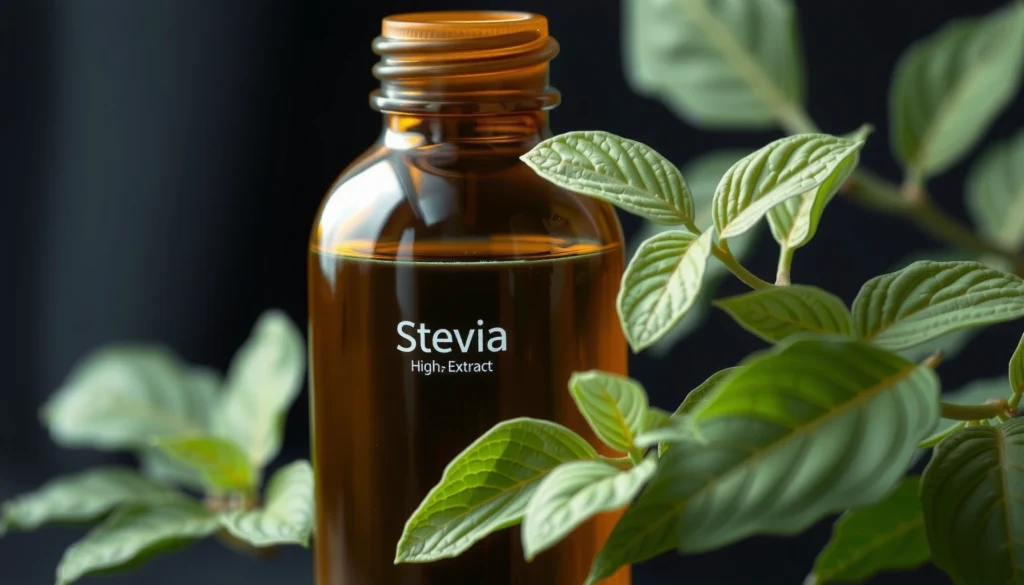

For diabetics seeking a safe and effective sugar alternative, the best stevia options are high-purity steviol glycoside extracts, particularly those rich in Rebaudioside A (Reb A) or Rebaudioside M (Reb M). These specific forms provide intense sweetness without impacting blood sugar levels, making them excellent choices for managing diabetes. This guide will help you understand what to look for, what to avoid, and how to choose the ideal stevia product for your dietary needs, ensuring you can enjoy sweetness while maintaining excellent glycemic control.




Understanding Stevia: A Diabetic-Friendly Sweetener
Stevia is a natural, calorie-free sweetener derived from the leaves of the Stevia rebaudiana plant, native to South America. For centuries, indigenous communities have used its leaves to sweeten foods and beverages and for medicinal purposes. What makes stevia particularly appealing for individuals managing diabetes is its unique composition. The sweet compounds in stevia are called steviol glycosides, which are distinct from traditional sugars. Unlike glucose or fructose, these glycosides are not metabolized by the human body for energy. This means they pass through the digestive system largely unabsorbed and unchanged, resulting in zero calories and, critically, no impact on blood glucose levels. This non-glycemic response positions stevia as a powerful ally in diabetic dietary management, allowing for the enjoyment of sweet flavors without the adverse effects on blood sugar stability. The U.S. Food and Drug Administration (FDA) recognizes high-purity steviol glycoside extracts as “Generally Recognized as Safe” (GRAS) for use as a general-purpose food additive, underscoring its safety profile when used as directed.
Decoding Stevia Products: What to Look For (and Avoid)
Navigating the array of stevia products on the market requires a keen eye for detail, especially for diabetics. Understanding the nuances of ingredients is paramount to making an informed and safe choice.
* High-Purity Steviol Glycoside Extracts: The gold standard for stevia products, particularly for diabetics, are those explicitly stating “Rebaudioside A (Reb A)” or “Rebaudioside M (Reb M)” as the primary, high-concentration ingredient. These specific steviol glycosides are isolated from the stevia leaf and purified to achieve exceptional sweetness with minimal to no bitter aftertaste often associated with less refined stevia extracts. Reb A is widely available and offers robust sweetness. However, Reb M is increasingly favored by many for its taste profile, which is remarkably close to that of sugar, making it an excellent choice for those sensitive to the subtle licorice-like notes sometimes found in Reb A. Prioritizing products with at least 95% total steviol glycosides, and specifically high levels of Reb A or Reb M, ensures you’re getting the purest and most effective form of stevia.
* Blends with Sugar Alcohols: Many powdered stevia products include sugar alcohols like erythritol, xylitol, or sorbitol. These serve as bulking agents, providing texture and volume that resembles sugar, making the product easier to measure and use in recipes. Erythritol is particularly popular due to its low caloric content (virtually zero), minimal impact on blood sugar, and good digestive tolerance compared to other sugar alcohols. Xylitol also has a low glycemic index and offers dental benefits but contains more calories than erythritol and can cause digestive upset in larger quantities. While generally safe for diabetics in moderation, it’s important to consume these blends judiciously. High doses of sugar alcohols can sometimes lead to gastrointestinal discomfort, such as bloating, gas, or diarrhea, in sensitive individuals. Always check the ingredient list to understand the composition and potential impact.
* Avoid Hidden Sugars and Fillers: A critical step for diabetics is to meticulously scrutinize ingredient labels to identify and avoid products containing hidden sugars and undesirable fillers. Steer clear of stevia products that list dextrose, maltodextrin, fructose, corn syrup solids, or other sugar-based ingredients. These ingredients *will* significantly impact blood sugar levels, counteracting the very benefit you seek from stevia. Maltodextrin, for example, has a glycemic index even higher than table sugar and is often used as a bulking agent in lower-quality stevia blends. Other unwanted fillers can include artificial flavors, colors, or preservatives that add no nutritional value and may pose other health concerns. The purest stevia products will have a short ingredient list, primarily featuring high-purity steviol glycosides and possibly a benign sugar alcohol like erythritol.
Key Factors for Diabetics When Choosing Stevia
Making the optimal stevia choice for diabetes management involves considering several interconnected factors beyond just the presence of stevia itself. These considerations ensure both safety and satisfaction with your chosen sweetener.
* Ingredient Purity: As highlighted previously, ingredient purity is paramount. For diabetics, this translates directly to ensuring minimal impact on blood glucose. Always check the ingredient list for the highest concentration of pure steviol glycosides. Look for products that specifically state the percentage of steviol glycosides, often 95% or higher, and explicitly name Reb A or Reb M as the dominant component. Lesser refined stevia extracts or those with a lower concentration of these specific glycosides might contain other compounds from the stevia leaf that could contribute to an undesirable aftertaste. Furthermore, a highly pure product reduces the likelihood of encountering unwanted additives or fillers that could inadvertently affect blood sugar. A simple rule of thumb: the shorter and more transparent the ingredient list, the better.
* Glycemic Impact: The core reason diabetics choose stevia is its negligible glycemic impact. Therefore, verifying that the product is entirely free from ingredients that could raise blood sugar is non-negotiable. While stevia itself does not affect blood glucose, some blends—as discussed—might include dextrose, maltodextrin, or other glycemic sweeteners. Even certain sugar alcohols, if consumed in very large quantities, can have a minor effect, though erythritol is an exception with virtually no impact. To confirm suitability, look for certifications such as “keto-friendly,” “zero-glycemic,” or “suitable for diabetics” on packaging, though always back this up with a personal label read. Continuous monitoring of your blood sugar levels after consuming a new stevia product can provide crucial individual insight into its actual effect on your unique physiology.
* Taste Profile: While safety and purity are vital, the practical usability of stevia often hinges on its taste profile. Stevia’s sweetness is intense, up to 400 times sweeter than sugar, but its flavor can vary significantly between different steviol glycosides. Rebaudioside M (Reb M) is widely praised for its clean, smooth, sugar-like taste, often without the characteristic licorice or bitter aftertaste that some individuals perceive in lower-purity Rebaudioside A (Reb A) products or crude stevia extracts. This superior taste makes Reb M an excellent, albeit often more expensive, option for those seeking the closest approximation to sugar’s flavor profile. However, many high-quality Reb A products are also very palatable. Experimentation with different brands and forms (liquid vs. powder) may be necessary to find the taste that best suits your palate and preferences.
Top Stevia Recommendations for Diabetics
Given the diverse range of stevia products, certain forms and blends stand out as particularly advantageous for diabetics due to their purity, taste, and versatility.
* Pure Liquid Stevia Extracts: These are often the cleanest and most concentrated forms of stevia available. Typically containing just high-purity stevia extract (Reb A or Reb M) and water, they offer intense sweetness without any fillers, carbohydrates, or calories. Liquid extracts are incredibly versatile; a few drops can sweeten beverages like coffee, tea, smoothies, or even plain water. Their concentrated nature means very little is needed, and they mix easily without leaving a grainy texture. For diabetics seeking to avoid all extraneous ingredients, pure liquid stevia is an excellent choice, allowing for precise control over sweetness without any blood sugar concerns.
* Stevia-Erythritol Blends: This category represents a very popular and highly functional option, especially for baking and general everyday use. The addition of erythritol provides bulk and a texture similar to sugar, which is invaluable in recipes where sugar’s volume contributes to the final product’s structure and consistency. Erythritol, a sugar alcohol, is nearly calorie-free and does not raise blood sugar levels, making it a safe choice for diabetics. When selecting these blends, it is crucial to ensure that the stevia component itself is a high-purity extract (Reb A or Reb M) and that the blend contains minimal other ingredients. These blends are ideal for individuals who want an easy one-to-one sugar replacement in their cooking and baking endeavors without compromising their dietary management.
* Reb M Stevia Products: For the most discerning palates and those who find even high-purity Reb A to have a slight aftertaste, products primarily featuring Rebaudioside M (Reb M) are the premium choice. Reb M is derived from the stevia leaf but in smaller quantities, making its extraction more complex and often more costly. However, its molecular structure closely mimics that of sucrose (table sugar), resulting in a remarkably clean, smooth, and sugar-like taste profile, devoid of any bitterness or off-notes. This makes Reb M stevia products an unparalleled option for diabetics who prioritize taste and are willing to invest in a superior sensory experience, allowing them to truly enjoy sweet treats and beverages without any compromise on flavor or blood sugar control.
Safe Usage and Integration into a Diabetic Diet
Incorporating stevia into a diabetic diet can be a seamless and beneficial experience when approached thoughtfully. Adhering to best practices ensures both optimal taste and sustained health benefits.
* Start Small: Stevia is significantly sweeter than conventional sugar, with its various steviol glycosides ranging from 200 to 400 times the sweetness intensity. Consequently, a little goes a very long way. When first integrating stevia into your diet, begin with a minimal amount—a tiny pinch of powder or just one drop of liquid extract—and gradually increase until you reach your desired level of sweetness. Overuse can not only lead to an excessively sweet taste but may also sometimes bring out a perceived bitterness or off-flavor in certain products, especially with lower-purity extracts. Precision in dosing is key to unlocking stevia’s full potential without overwhelming your taste buds.
* Versatile Application: One of stevia’s greatest advantages is its versatility across various culinary applications. It is highly stable under heat, making it an excellent choice for both hot and cold beverages, as well as for cooking and baking. Use it to sweeten your morning coffee or tea, blend it into smoothies, stir it into oatmeal or yogurt, or incorporate it into homemade salad dressings and sauces. When baking, particularly with stevia-erythritol blends, you can often substitute sugar cup-for-cup, although you might need to adjust other ingredients (like adding extra liquid or a bit of applesauce) to compensate for the lost bulk and moisture that sugar would typically provide. Experimentation in the kitchen will reveal the many ways stevia can enhance your diabetic-friendly recipes.
* Monitor Blood Sugar: While high-purity stevia is widely recognized for its minimal to non-existent impact on blood glucose levels, individual physiological responses can sometimes vary slightly. For individuals managing diabetes, continuous monitoring of blood sugar is a fundamental aspect of health management. Therefore, when introducing stevia or any new dietary component, it is prudent to continue monitoring your blood sugar levels as usual. This practice allows you to observe how your body specifically responds and provides peace of mind that your chosen stevia product is indeed contributing positively to your glycemic control without unexpected fluctuations.
Potential Considerations and Precautions
While stevia is generally considered safe and beneficial for diabetics, awareness of potential considerations and the importance of professional medical advice is crucial for comprehensive health management.
* Digestive Sensitivity: Certain individuals may experience mild digestive issues when consuming stevia, particularly products that are blended with significant amounts of sugar alcohols like erythritol or xylitol. While erythritol is typically well-tolerated due to its rapid absorption in the small intestine, larger doses can still lead to symptoms such as bloating, gas, or a laxative effect in sensitive individuals. Xylitol, when consumed in excess, is more prone to causing these types of gastrointestinal discomfort. If you notice any digestive upset after consuming stevia blends, consider reducing your intake or switching to a pure liquid stevia extract that contains no sugar alcohols. Gradually increasing the amount can also help your body adjust.
* Allergic Reactions: Although exceedingly rare, allergic reactions to stevia are possible, as with any food or plant-derived product. Symptoms of an allergic reaction might include skin rash, itching, swelling, dizziness, or difficulty breathing. If you experience any of these symptoms after consuming stevia, discontinue use immediately and seek medical attention. It’s important to note that the *Stevia rebaudiana* plant is part of the Asteraceae family, which includes ragweed, chrysanthemums, and marigolds. Individuals with known allergies to these plants *might* theoretically be at a slightly higher risk, but cross-reactivity with highly purified steviol glycoside extracts is exceptionally uncommon.
* Consult Your Doctor: Managing diabetes is a complex process that often involves medication, dietary modifications, and regular monitoring. Therefore, it is always advisable to discuss any significant dietary changes, new supplements, or the introduction of sweeteners like stevia with your healthcare provider or a registered dietitian. This is particularly important if you are taking medications for diabetes, as they can assess potential interactions or provide personalized advice based on your specific health profile and treatment plan. Your doctor can offer tailored guidance to ensure that integrating stevia supports your overall health goals and does not inadvertently interfere with your existing medical regimen.
Choosing the right stevia product can be a valuable tool in managing diabetes, allowing you to enjoy sweetness without compromising blood sugar control. Prioritize high-purity steviol glycoside extracts, particularly Reb A or Reb M, and carefully read labels to avoid unwanted fillers like dextrose or maltodextrin. Opt for pure liquid extracts for maximum control or stevia-erythritol blends for baking convenience, always keeping an eye on ingredient purity and your personal taste preference. By making informed choices, starting with small amounts, monitoring your blood sugar, and consulting with your healthcare professional, you can safely integrate stevia into a healthy diabetic lifestyle, enhancing your quality of life while maintaining excellent health.
Frequently Asked Questions
Which type of stevia is safest and most recommended for diabetics?
The safest and most recommended types of stevia for diabetics are high-purity stevia extracts, particularly those rich in Rebaudioside A (Reb A) or Stevioside. These highly purified steviol glycosides are rigorously tested and generally recognized as safe (GRAS) by the FDA, having virtually no impact on blood glucose levels. Look for products labeled as “pure stevia extract” or specifying these particular glycosides to ensure you’re getting the best quality for diabetes management.
How does stevia impact blood sugar levels in diabetics, and is it truly a safe alternative?
Stevia, in its pure extract form, is a non-caloric sweetener that does not raise blood sugar levels, making it an excellent sugar alternative for diabetics. Unlike sugar, stevia has a glycemic index of zero, meaning it won’t cause spikes in blood glucose. The FDA has approved high-purity stevia leaf extract as safe for consumption, confirming its suitability for individuals managing diabetes when used responsibly and without added sugary fillers.
What are the key ingredients to look for (and avoid) when choosing the best stevia sweetener for diabetes management?
When choosing stevia for diabetes management, prioritize products that list “high-purity stevia extract” (Reb A or Stevioside) as the primary ingredient. It’s best to avoid stevia blends containing added sugars like dextrose, maltodextrin, or corn syrup, as these can contribute to carbohydrate intake and affect blood glucose. While erythritol is a common and generally safe filler in many stevia products that doesn’t impact blood sugar, always check the label for any hidden carbohydrates or artificial sweeteners you might prefer to avoid.
How can diabetics best incorporate stevia into their diet to avoid bitterness and enjoy its sweetness?
To best incorporate stevia and avoid the common bitter aftertaste, start by using it sparingly, as it is significantly sweeter than sugar. Experiment with different brands or types of pure stevia extract, as taste profiles can vary, with Reb A often perceived as less bitter. Stevia is excellent in beverages, baking (often requiring recipe adjustments for volume), and for sweetening yogurts or cereals, allowing diabetics to enjoy sweetness without compromising blood sugar control.
Are there any hidden ingredients or fillers in stevia products that diabetics should be aware of?
Yes, many commercially available stevia products contain hidden ingredients or fillers that diabetics should be aware of. Common bulking agents like maltodextrin and dextrose, though present in small amounts, are carbohydrates that can slightly impact blood glucose levels. Always check the ingredient list and nutritional panel for total carbohydrates, especially in powdered or granulated stevia blends, to ensure the product aligns with your diabetes management plan and doesn’t contain unexpected sugars.
References
- https://www.diabetes.org/healthy-living/recipes-nutrition/sweeteners
- Page Not Found – Site Help – Mayo Clinic
- https://health.clevelandclinic.org/are-artificial-sweeteners-bad-for-you/
- PET scan for breast cancer: MedlinePlus Medical Encyclopedia
- High-Intensity Sweeteners | FDA
- Stevia
- Sugar substitute