

When navigating options for saltine crackers as a diabetic, the “best” choice isn’t a single brand but rather specific nutritional characteristics: prioritize whole-grain varieties that are low in net carbohydrates, contain minimal added sugars, and are lower in sodium. Understanding how to read food labels and recognizing these key factors will empower you to select crackers that support stable blood sugar levels without sacrificing a satisfying snack. This guide will help you identify suitable saltine options and integrate them wisely into your diabetic meal plan, ensuring that your choices contribute positively to your overall metabolic health.



Understanding Saltines and Blood Sugar
Saltine crackers, a common pantry staple, are typically formulated with highly refined white flour. This composition results in a significant concentration of simple carbohydrates, which, upon consumption, are rapidly broken down into glucose in the digestive system. For individuals managing diabetes, this swift conversion can lead to a quick and often pronounced surge in blood glucose levels, a phenomenon known as a glycemic spike. Such rapid fluctuations are detrimental to long-term blood sugar control and can contribute to the complications associated with diabetes.
The glycemic index (GI) is a numerical scale that ranks carbohydrates based on their immediate effect on blood glucose levels. Foods with a high GI are digested and absorbed quickly, causing a rapid rise in blood sugar, while low-GI foods cause a slower, more gradual increase. Traditional saltines generally possess a relatively high GI, placing them in a category of foods that warrant caution for diabetics. Their quick conversion to sugar means the body, particularly in individuals with insulin resistance or impaired insulin production, may struggle to process the influx efficiently, leading to prolonged elevated blood glucose.
Given this inherent metabolic challenge, the decision to consume traditional saltines requires careful consideration. For effective blood sugar management, choosing alternatives that offer a more favorable nutritional profile or strictly managing portion sizes when consuming higher-GI options becomes paramount. Unmanaged intake can lead to adverse effects, including increased HbA1c levels, heightened risk of cardiovascular issues, and a general destabilization of metabolic health, making informed choices not just beneficial, but crucial.
Key Nutritional Factors for Diabetics
Navigating the cracker aisle as a diabetic requires a discerning eye, focusing on specific nutritional markers that directly impact blood glucose and overall health.
* Net Carbs & Fiber: For individuals with diabetes, the total carbohydrate count is important, but a more refined metric, net carbohydrates, often provides a clearer picture of a food’s impact on blood sugar. Net carbs are calculated by subtracting the fiber content from the total carbohydrates. Fiber, a non-digestible carbohydrate, plays a critical role in slowing down the absorption of sugars into the bloodstream, thus mitigating rapid blood glucose spikes. It adds bulk without adding calories or directly affecting blood sugar in the same way digestible carbs do. Therefore, when evaluating saltine crackers, prioritize those with a higher fiber content. Look for options that offer at least 2-3 grams of fiber per serving. This increase in fiber helps to create a “lower net carb” profile, promoting more stable blood sugar levels and extended satiety, which can aid in weight management. A cracker with 15g total carbs and 3g fiber has 12g net carbs, whereas one with 15g total carbs and 0g fiber has 15g net carbs, making the higher-fiber option significantly better.
* Added Sugars: While saltine crackers are generally considered a savory snack, it is a common misconception that they are entirely free of sugar. Food manufacturers sometimes incorporate small amounts of added sugars, such as high-fructose corn syrup, sucrose, or dextrose, to enhance flavor, texture, or browning. Even seemingly minor additions can collectively contribute to an unwanted rise in blood glucose, especially when consumed regularly. For individuals managing diabetes, vigilance in checking the “Added Sugars” line on the nutrition facts label is non-negotiable. Opt for crackers with 0 grams of added sugar or, at the very least, minimal amounts (e.g., less than 1 gram per serving). This attention to detail helps prevent hidden sources of glucose from undermining your blood sugar management efforts.
* Sodium Content: Diabetes often coexists with, or increases the risk for, hypertension (high blood pressure) and cardiovascular disease. High sodium intake is a well-established risk factor for elevated blood pressure, which can exacerbate these conditions in diabetic individuals. Traditional saltine crackers are, by their very nature, often high in sodium, with a single serving potentially contributing a significant portion of the daily recommended limit. The American Heart Association recommends that most adults, and especially those with diabetes or hypertension, limit sodium intake to no more than 2,300 milligrams per day, ideally aiming for 1,500 mg. Therefore, when selecting saltine crackers, it is imperative to seek out “reduced sodium” or “low sodium” versions. These options can significantly reduce your daily sodium load, supporting better blood pressure control and reducing the strain on your cardiovascular system, which is crucial for comprehensive diabetes management.
Identifying Diabetic-Friendly Saltine Options
With a clearer understanding of the key nutritional factors, the next step is to translate that knowledge into actionable choices at the grocery store. Identifying diabetic-friendly saltine options requires a careful examination of product labels and an awareness of available varieties.
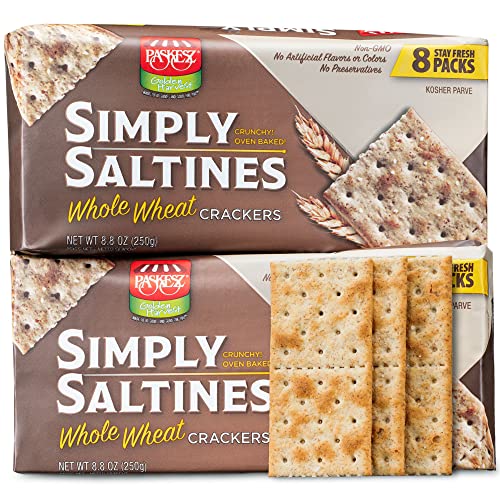
* Whole Wheat Varieties: The most significant improvement one can make when choosing saltine-style crackers is to opt for whole wheat or whole grain versions. Unlike traditional saltines made with refined white flour, whole wheat crackers retain the germ and bran of the wheat kernel, which are rich in fiber, vitamins, and minerals. This inclusion of dietary fiber is crucial as it slows down the digestion and absorption of carbohydrates, leading to a more gradual and sustained rise in blood glucose rather than a sharp spike. When examining labels, look for “100% whole wheat flour” or “whole grain flour” listed as the first ingredient. Brands like Nabisco Wheat Thins (though not strictly a saltine, they are a common whole-grain alternative) or specific “whole wheat saltine” offerings from various manufacturers can be suitable. These options typically present a lower glycemic index compared to their white flour counterparts, making them a superior choice for blood sugar management.
* Reduced-Sodium Options: For many individuals with diabetes, managing blood pressure is as critical as managing blood sugar. High sodium intake significantly contributes to hypertension, a common comorbidity with diabetes that heightens the risk of cardiovascular complications. Fortunately, many cracker manufacturers now offer reduced-sodium versions of their classic products. Look for labels explicitly stating “reduced sodium,” “low sodium,” or “unsalted top.” These designations indicate that the sodium content has been intentionally lowered. For instance, some popular brands offer “Hint of Salt” or “Unsalted Tops” varieties that can contain significantly less sodium per serving than their regular counterparts. Always compare the sodium content per serving between different brands to make the most heart-healthy choice. This simple switch can contribute meaningfully to your overall cardiovascular health without requiring a complete elimination of crackers from your diet.
* Label Comparison: The most effective strategy for finding the most suitable cracker is to engage in diligent label comparison. This involves more than just a cursory glance; it requires a systematic approach to evaluating the nutrition facts panel of several brands side-by-side. Focus intently on the key metrics:
* Fiber: Aim for crackers with the highest fiber content per serving.
* Total Carbohydrates: Ensure the total carb count per serving aligns with your individual dietary plan, as advised by your healthcare provider or dietitian.
* Added Sugars: Prioritize options with 0g or minimal added sugars.
* Sodium: Choose the cracker with the lowest sodium content.
* Ingredients List: Beyond the numerical values, scrutinize the ingredients list. The first ingredient should ideally be a whole grain. Avoid products with hydrogenated oils, excessive artificial ingredients, or a long list of unpronounceable additives. By methodically comparing these factors, you can make an informed decision that best supports your blood sugar control and overall health goals.
Portion Control and Healthy Pairings
Even with the most diabetic-friendly saltine crackers, managing consumption effectively is crucial for maintaining stable blood sugar levels. Nutritional characteristics are just one piece of the puzzle; how much you eat and what you eat it with are equally important.
* Strict Portion Sizes: The concept of “diabetic-friendly” does not equate to “eat without limit.” All carbohydrates, even those from whole grains and fiber-rich sources, will eventually affect blood glucose. Therefore, adhering to strict portion sizes is non-negotiable. Always consult the serving size listed on the nutrition facts label and measure your crackers accordingly. For example, if a serving is 5 crackers, be mindful not to unconsciously consume 10. For many individuals managing diabetes, a serving of crackers might contribute 15-20 grams of carbohydrates. Integrating this into your meal plan requires careful carb counting to ensure it fits within your daily carbohydrate allowance, which is typically personalized by a dietitian or healthcare provider. Overlooking portion control, even with healthier cracker choices, can still lead to undesirable blood sugar spikes and undermine your dietary efforts.
* Pair with Protein or Healthy Fats: A highly effective strategy to mitigate the glycemic impact of crackers, regardless of their type, is to pair them with sources of protein or healthy fats. When consumed together, protein and fats can significantly slow down gastric emptying and the absorption of carbohydrates, leading to a more gradual rise in blood sugar. Protein promotes satiety and has a minimal direct impact on blood glucose, while healthy fats further delay digestion. Excellent pairings include a small slice of low-fat cheese, a tablespoon of natural nut butter (almond, peanut, or cashew), a few slices of avocado, or a dollop of hummus. For example, two whole-grain saltines topped with a slice of cheese provide a balanced snack that leverages the benefits of fiber, protein, and fat to stabilize blood glucose response and extend feelings of fullness, preventing overeating later.
* Monitor Blood Glucose: Diabetes management is highly individualized, and what works well for one person may not be ideal for another. Therefore, consistent blood glucose monitoring before and after consuming crackers (or any new food) is an indispensable tool. By checking your blood sugar levels approximately one to two hours after eating, you can gain direct insight into how different types of crackers, varying portion sizes, and specific pairings affect your personal glycemic response. This self-experimentation empowers you to fine-tune your dietary choices, identify any triggers for spikes, and confirm which options truly align with your blood sugar management goals. Maintain a food diary alongside your glucose readings to track patterns and make informed adjustments to your snack choices and portioning strategy.
Beyond Saltines: Other Cracker Alternatives
While finding diabetic-friendly saltine options is valuable, expanding your cracker repertoire to include truly low-carb and high-fiber alternatives can significantly enhance your snack choices and improve blood sugar control. Many innovative products are now available that offer superior nutritional profiles compared to even the best whole-grain saltines.
* Seed-Based Crackers: These crackers represent a significant leap forward for diabetic-friendly snacking. Typically made from a blend of seeds such as flax seeds, chia seeds, sesame seeds, and sunflower seeds, they are exceptionally low in net carbohydrates and remarkably high in dietary fiber and healthy fats (omega-3s). For instance, a serving of flaxseed crackers might contain only 1-2 grams of net carbs and several grams of fiber, a stark contrast to traditional crackers. The high fiber content helps stabilize blood sugar by slowing digestion, while healthy fats contribute to satiety and provide sustained energy. Brands specializing in seed-based crackers often cater specifically to ketogenic or low-carb diets, making them an excellent choice for individuals with diabetes seeking minimal glycemic impact. Almond flour crackers also fall into this category, offering a gluten-free, low-carb, and higher-protein alternative.
* Rye or Whole Grain Crispbreads: For those who appreciate a sturdier texture and a robust flavor, rye crispbreads or other dense whole-grain crispbreads can be an excellent alternative to saltines. Varieties like Wasa or Ryvita are commonly found and are typically made from 100% whole rye flour. Whole rye, similar to whole wheat, is rich in fiber and offers a lower glycemic index than refined flour products. These crispbreads often contain more fiber and sometimes more protein per serving compared to traditional saltines, contributing to better satiety and a more controlled blood sugar response. They are versatile and can be topped with a variety of diabetic-friendly spreads, cheeses, or lean proteins, further enhancing their nutritional value and slowing carbohydrate absorption.
* Vegetable-Based Crackers: The market for innovative, health-conscious snacks has also seen the rise of vegetable-based crackers. These products often incorporate vegetables like cauliflower, spinach, or kale as primary ingredients, sometimes blended with nut flours or seeds. The inclusion of vegetables significantly lowers the carbohydrate count while simultaneously boosting the fiber and micronutrient content. For example, cauliflower-based crackers are gaining popularity due to their ultra-low net carb profile. These crackers offer a creative way to enjoy a crispy snack without the typical carbohydrate load associated with grain-based options. They are particularly beneficial for those aiming to drastically reduce carbohydrate intake while still enjoying the convenience and satisfaction of a cracker. Always check the labels, as formulations can vary, but many vegetable-based crackers provide an excellent, diabetes-friendly alternative.
Tips for Reading Food Labels Effectively
Mastering the art of reading food labels is arguably the most powerful tool in a diabetic’s dietary arsenal. It transforms grocery shopping from a guessing game into an informed decision-making process, ensuring that every item you choose aligns with your health goals.
* Serving Size: The serving size is the foundational piece of information on any nutrition label, and it is crucial to start here. All other nutritional values (calories, carbohydrates, sodium, etc.) are calculated *per serving*. Many people mistakenly assume the entire package is a single serving, which is often not the case, especially with snack foods like crackers. If a serving size is 5 crackers, but you typically eat 10, you are consuming double the stated calories, carbohydrates, and sodium. Always compare the listed serving size to the amount you realistically plan to eat. If your actual portion is larger, you must manually adjust all other nutritional values accordingly. Misinterpreting serving sizes is a common pitfall that can lead to unintended overconsumption of carbohydrates and calories, directly impacting blood glucose control.
* Total Carbohydrates: This is a critical number for individuals with diabetes. The “Total Carbohydrates” line indicates the combined amount of sugars, starches, and fiber in one serving. For effective blood sugar management, it is essential to monitor your total carbohydrate intake per meal and per day, fitting it within the limits prescribed by your healthcare provider or registered dietitian. When choosing crackers, aim for options that allow you to enjoy a satisfying portion without exceeding your carbohydrate allowance for that snack or meal. As discussed, remember to factor in the fiber content to calculate net carbs, as fiber does not directly impact blood sugar in the same way digestible carbohydrates do. Look for crackers that offer a reasonable total carb count, ideally under 20 grams per serving for a snack, and consider the net carb calculation for a more precise understanding of glycemic impact.
* Ingredients List: Beyond the numerical values, the ingredients list offers invaluable qualitative information about the food’s composition. It’s listed in descending order by weight, meaning the first ingredient is the most abundant. For diabetic-friendly crackers, the first ingredient should ideally be a whole grain, such as “100% whole wheat flour,” “whole rye flour,” or a seed-based flour (e.g., “flaxseed meal,” “almond flour”). Conversely, be wary if “enriched white flour” or “wheat flour” (without the “whole” designation) is listed first, as these indicate a highly refined product. Furthermore, scrutinize the list for hidden sugars (e.g., high-fructose corn syrup, dextrose, maltodextrin, cane sugar), hydrogenated oils (trans fats), and excessive artificial flavors or preservatives. Opt for products with a shorter, recognizable ingredient list, indicating a less processed food. A clean ingredients list often correlates with a healthier nutritional profile that is more conducive to stable blood sugar and overall well-being.
Choosing the right saltine crackers for diabetes involves a mindful approach to nutrition labels, prioritizing whole grains, lower net carbs, and controlled sodium. While no cracker is a “free food,” making informed selections and practicing careful portion control allows you to enjoy them as part of a balanced diet. The journey involves understanding how traditional saltines impact blood sugar, identifying key nutritional factors like fiber and sodium, and actively seeking out whole wheat, reduced-sodium, or even alternative seed-based crackers. By consistently applying smart label-reading techniques, pairing crackers with protein and fats, and closely monitoring your individual blood glucose response, you can integrate these snacks thoughtfully into your lifestyle. Always consult with your doctor or a registered dietitian to tailor dietary advice to your individual health needs and blood sugar management plan, ensuring your choices support your long-term wellness.
Frequently Asked Questions
What nutritional factors make a saltine cracker suitable for diabetics?
When choosing saltine crackers for diabetics, focus on options with low net carbohydrates, high fiber content, and minimal added sugars. Look for crackers made with whole grains, as these have a lower glycemic index and cause a slower, more controlled rise in blood sugar compared to refined white flour varieties. Always check the nutrition label for serving size, total carbohydrates, and dietary fiber to ensure it aligns with your blood glucose management plan.
Which brands offer “diabetic-friendly” saltine cracker options or similar alternatives?
While traditional saltines are typically high in refined carbs, some brands provide healthier alternatives. Look for whole wheat or multi-grain saltine-style crackers from brands like Nabisco (e.g., Wheat Thins, though not strictly saltine) or store brands that emphasize whole grains. For even better blood sugar control, consider newer low-carb or keto-friendly crackers made from almond flour or flaxseed, which significantly reduce carbohydrate impact, even if they aren’t labeled “saltine.”
How can diabetics safely incorporate saltine crackers into their diet without causing blood sugar spikes?
Portion control is paramount when consuming saltine crackers as a diabetic. Always pair a small serving with a source of protein or healthy fat, such as a slice of cheese, avocado, or a nut butter, which helps slow down glucose absorption and promotes satiety. Monitoring your blood sugar levels before and after eating crackers can provide valuable insight into their specific impact on your body and help you adjust portions accordingly.
Why are traditional saltine crackers generally not recommended for people with diabetes?
Traditional saltine crackers are primarily made from highly refined white flour, which has a high glycemic index (GI), causing rapid and significant spikes in blood sugar levels. They often lack substantial fiber, a crucial nutrient for slowing glucose absorption and promoting digestive health for diabetics. This composition makes them challenging to incorporate into a diabetes-friendly diet without careful moderation and pairing.
Are there healthier, low-carb alternatives to saltine crackers that diabetics can enjoy?
Yes, several healthier, low-carb alternatives exist that are much better for diabetics than conventional saltine crackers. Consider options like whole-grain crispbreads, almond flour crackers, flaxseed crackers, or even small portions of brown rice cakes. These alternatives typically offer more fiber, healthy fats, or protein, contributing to better blood sugar management and providing greater nutritional value for a diabetic diet.
References
- https://www.diabetes.org/healthy-living/recipes-nutrition/eating-well/healthy-snack-ideas
- Diabetes diet: Create your healthy-eating plan – Mayo Clinic
- Healthy Living with Diabetes – NIDDK
- https://www.health.harvard.edu/diseases-and-conditions/diabetic-diet-making-the-right-choices-to-control-type-2-diabetes
- https://extension.psu.edu/foods-to-fuel-your-body-with-diabetes
- https://www.purdue.edu/newsroom/releases/2022/Q3/dietitians-offer-healthy-and-convenient-snack-ideas-for-people-with-diabetes.html
- https://www.nytimes.com/guides/well/diabetes-diet-plan
- https://en.wikipedia.org/wiki/Diabetic_diet