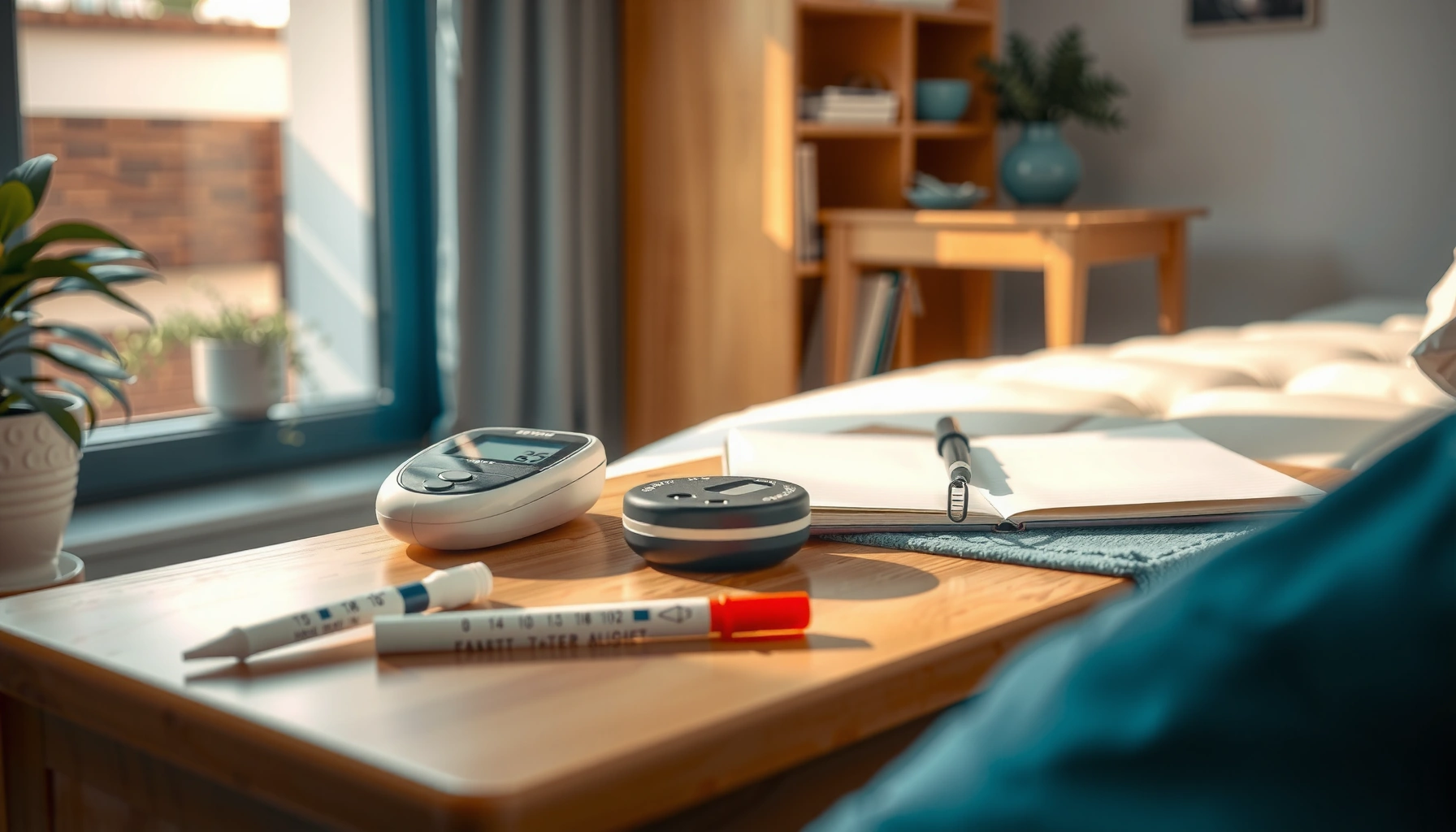
For non-diabetics looking to optimize their health in 2024, the Dexcom G7 and FreeStyle Libre 3 stand out as the top Continuous Glucose Monitoring (CGM) systems. These devices offer unparalleled accuracy and ease of use, providing real-time insights into how diet, exercise, and lifestyle impact your blood sugar. Understanding your glucose trends can be a powerful tool for personalized wellness, weight management, and proactively safeguarding metabolic health. By leveraging the continuous data stream from these advanced sensors, individuals can make informed, data-driven decisions to enhance their energy levels, improve body composition, and mitigate the risks associated with metabolic dysfunction. The integration of such technology into daily life represents a significant leap forward in personalized health management, moving beyond generic advice to truly tailored lifestyle interventions.



Why Non-Diabetics Are Using CGMs
The adoption of Continuous Glucose Monitoring (CGM) by non-diabetics has surged as individuals increasingly seek granular data to personalize their health journeys. This shift is driven by a desire for proactive health management, optimized lifestyle choices, and early detection of potential metabolic issues.
* Proactive Health Management: A CGM provides real-time, minute-by-minute insights into how various inputs—from the food you eat to your stress levels and sleep patterns—affect your individual glucose responses. Unlike traditional finger-prick tests, which offer a snapshot, CGMs paint a dynamic picture, revealing patterns and trends that are crucial for understanding your unique metabolic fingerprint. This allows for a proactive approach, enabling you to identify specific triggers for glucose spikes or dips and adjust behaviors *before* they lead to sustained metabolic stress or discomfort. For instance, observing how a particular meal consistently elevates glucose levels can prompt immediate dietary modifications, leading to more stable energy and better overall well-being.
* Optimizing Diet & Exercise: With a CGM, the guesswork is removed from nutrition and fitness. You can directly observe how different macronutrient compositions, food combinations, meal timings, and exercise types influence your glucose levels. For example, some individuals might find that a high-carb meal followed by a brisk walk significantly blunts a glucose spike compared to the same meal without activity. Others might discover certain “healthy” foods, like oats or bananas, cause unexpected elevations in their blood sugar. This personalized feedback empowers individuals to tailor their diet plans, experiment with specific foods (e.g., brown rice vs. quinoa), optimize portion sizes, and fine-tune their exercise routines for maximal metabolic benefit, promoting stable energy levels, improved mood, and more effective weight management.
* Early Detection & Prevention: Perhaps one of the most compelling reasons for non-diabetics to use CGMs is their potential for early detection and prevention of metabolic dysregulation. Many individuals live with prediabetes or insulin resistance without realizing it, as these conditions often present with no overt symptoms in their early stages. A CGM can reveal subtle but consistent patterns of elevated fasting glucose, exaggerated post-meal spikes, or slow return to baseline levels, which are early indicators of impaired glucose metabolism. By identifying these trends early, individuals can implement targeted lifestyle changes—such as reducing refined carbohydrates, increasing fiber intake, and incorporating more strength training—to prevent the progression to type 2 diabetes, reduce inflammation, and safeguard long-term cardiovascular and cognitive health. It transforms health from a reactive endeavor to a proactive strategy.
Top CGM Picks for Non-Diabetics in 2024
The CGM market has seen significant innovation, with two devices leading the charge for non-diabetic use due to their blend of accuracy, convenience, and user experience.
* Dexcom G7: The Dexcom G7 represents the cutting edge of CGM technology. It is highly regarded for its exceptional accuracy, boasting a Mean Absolute Relative Difference (MARD) that is among the lowest in the industry, ensuring the readings you see are consistently close to actual blood glucose values. Its sensor is remarkably small—approximately 60% smaller than its predecessor, the G6—making it very discreet and comfortable to wear. A key feature is its ability to send continuous, real-time glucose readings directly to your compatible smartphone or receiver every five minutes, without the need for manual scanning. This constant stream of data allows for immediate awareness of glucose fluctuations. Furthermore, the G7 provides customizable alerts and alarms for high and low glucose levels, which can be invaluable for understanding physiological responses and preventing uncomfortable energy dips or spikes. Its robust integration with various health apps and platforms further enhances its utility, allowing users to consolidate their health data for a holistic view. The G7 has a 10-day wear time and a rapid warm-up period of just 30 minutes, getting users to actionable data faster.
* FreeStyle Libre 3: The FreeStyle Libre 3 distinguishes itself as the world’s smallest and thinnest CGM sensor, roughly the size of two stacked pennies. This discreet design makes it incredibly unobtrusive and comfortable for extended wear. Its application process is notably simplified, often described as a one-step, painless insertion. A significant advantage for many non-diabetics is its more accessible price point compared to some competitors, making continuous glucose monitoring more attainable. Despite its affordability, the Libre 3 still offers continuous, real-time glucose data directly to your smartphone every minute, eliminating the need for manual scanning that characterized earlier Libre versions. This seamless data flow provides users with a comprehensive view of their glucose trends throughout the day and night. The companion app is user-friendly, presenting clear graphs and insightful reports that help users understand the impact of their lifestyle choices. With a 14-day wear time, it offers a longer period of continuous monitoring per sensor, potentially reducing overall costs and application frequency.
Key Factors When Choosing a Non-Diabetic CGM
Selecting the right CGM as a non-diabetic involves considering several critical factors to ensure the device aligns with your health goals and lifestyle.
* Accuracy & Reliability: This is paramount. The primary purpose of a CGM is to provide precise data that you can trust to make informed decisions about your health. Look for devices with a low Mean Absolute Relative Difference (MARD), a common metric used to express CGM accuracy. A lower MARD percentage indicates higher accuracy when compared to laboratory blood glucose values. High accuracy ensures that identified glucose spikes or stable periods are genuinely reflective of your physiological state, preventing misinterpretations that could lead to suboptimal or even counterproductive lifestyle changes. Reliability also refers to the consistency of readings over the sensor’s wear time and its ability to function effectively under various conditions, such as during exercise or sleep. Inaccurate or inconsistent data can be frustrating and undermine the value of using a CGM.
* Ease of Use & Comfort: The practical aspects of wearing a CGM significantly influence long-term adherence. Consider the sensor size and how discreet it is when worn under clothing. The application process should be straightforward and as painless as possible. Some sensors feature a simple, one-click applicator, while others may require a slightly more involved procedure. Comfort during the wear period (typically 10-14 days) is also crucial; the sensor should not irritate the skin or interfere with daily activities, including sleeping, showering, or exercising. A device that is difficult to apply or uncomfortable to wear is less likely to be used consistently, negating its health benefits.
* App Experience & Data Interpretation: The companion smartphone app is where you’ll interact with your glucose data, making its design and functionality vital. A user-friendly app should offer clear, intuitive graphs that visualize your glucose trends over various timeframes (daily, weekly, monthly). It should provide actionable insights, such as time in range percentages, average glucose levels, and glycemic variability metrics, which are more meaningful than isolated readings. Look for features like customizable alerts for high or low glucose, the ability to log food intake, exercise, and medication, and integration with other health apps or wearable devices (e.g., smartwatches, fitness trackers). Advanced analytics, such as identifying correlations between specific foods and glucose responses, can greatly enhance your ability to interpret data and make impactful lifestyle modifications.
How to Obtain a CGM as a Non-Diabetic
Obtaining a CGM without a medical diagnosis of diabetes typically involves navigating specific channels, as insurance coverage is generally limited to those with a clinical need. However, several accessible pathways have emerged.
* Wellness Programs: A burgeoning ecosystem of wellness platforms specifically caters to non-diabetics interested in metabolic health. Companies like Levels Health, NutriSense, and Signos offer subscription-based programs that bundle CGM sensors with personalized coaching, sophisticated data analytics, and often a community aspect. These programs streamline the process by including a physician consultation to obtain a prescription, providing the CGMs directly, and offering expert guidance on interpreting your glucose data within the context of your lifestyle goals (e.g., weight loss, performance optimization, metabolic health). They are designed to empower users with actionable insights and support, making the journey of metabolic exploration comprehensive and guided.
* Telehealth Consultation: Many online health providers and specialized telehealth platforms are increasingly offering virtual consultations for individuals seeking CGMs for general wellness, performance enhancement, or proactive metabolic health monitoring. During these consultations, a licensed physician or nurse practitioner will review your health history and discuss your objectives. If deemed appropriate, they can then write a prescription for a CGM. This method offers convenience and often a quicker path to obtaining a device compared to traditional in-person doctor visits, particularly for those who already have a strong understanding of why they want to use a CGM.
* Physician Consultation: Discussing your interest in a CGM with your primary care physician or an endocrinologist remains a viable option. While CGMs are not typically covered by insurance for non-diabetics, some physicians are open to prescribing them for health optimization, especially if there are risk factors for metabolic syndrome, prediabetes, or a family history of diabetes. Be prepared to articulate your reasons for wanting to use a CGM, such as a desire to understand personalized glucose responses, optimize diet and exercise, or proactively monitor metabolic health. Even without insurance coverage, having a prescription allows you to purchase the sensors from a pharmacy, often at a cash price. Your doctor can also offer medical context and advice on interpreting the data within your overall health profile.
Maximizing Your CGM Data for Health Optimization
Once you have a CGM, unlocking its full potential lies in effectively interpreting and acting upon the continuous stream of data it provides. This goes beyond simply observing numbers; it’s about understanding patterns and making iterative, informed adjustments.
* Identify Glucose Spikes & Dips: Your CGM will reveal how different meals, snacks, stress events, or workout intensities impact your blood sugar. Pay close attention to sudden, sharp spikes (e.g., above 140 mg/dL for non-diabetics, or any significant increase from your baseline) and prolonged elevated levels. High glucose spikes can contribute to inflammation, oxidative stress, and energy crashes, while steep dips (reactive hypoglycemia) can lead to fatigue, irritability, and intense cravings. Log your food intake, exercise, and stress levels in the CGM app or a separate journal to correlate these events with your glucose curves. For example, you might notice that a bowl of cereal causes a higher spike than eggs and avocado, or that a stressful meeting significantly elevates your baseline glucose.
* Experiment with Food & Activity: The CGM is a powerful personal biofeedback tool. Use it to conduct controlled experiments. For instance, eat the same portion of a carbohydrate-rich food (like white rice) on one day and then try a fiber-rich alternative (like quinoa) on another day, observing the difference in your post-meal glucose response. Experiment with food pairings; eat a carb-heavy meal alone versus eating it with a source of protein or healthy fats (e.g., pasta with chicken and vegetables vs. plain pasta). Observe how timing your exercise impacts post-meal glucose – does a walk immediately after dinner blunt a spike more effectively than a walk an hour later? This iterative process allows you to discover optimal food choices, portion sizes, and activity timings that keep your glucose stable and your energy consistent.
* Focus on Trends, Not Just Numbers: While individual glucose readings are informative, the real power of a CGM lies in identifying long-term patterns and trends. Don’t fixate on an isolated number; instead, look at your “Time In Range” (TIR – the percentage of time your glucose spends within a healthy target range, typically 70-120 mg/dL for non-diabetics), average glucose levels over days and weeks, and glycemic variability (how much your glucose fluctuates). Consistent patterns of high post-meal spikes or prolonged elevated fasting glucose are more indicative of metabolic health issues than a single anomalous reading. The goal is to make sustainable lifestyle changes that improve your overall glucose control, reduce variability, and increase your time in a healthy range, thereby optimizing energy, mood, and long-term health outcomes.
Unlocking your metabolic health potential through a CGM can be a game-changer for non-diabetics in 2024. By choosing a top-tier device like the Dexcom G7 or FreeStyle Libre 3, you gain invaluable real-time data to make informed decisions about your diet, exercise, and overall well-being. This technology empowers you to move beyond generic health advice, offering a truly personalized roadmap to stable energy, improved weight management, and robust metabolic health. Start exploring your options today and consider consulting with a healthcare professional or a specialized wellness program to integrate CGM technology effectively into your health journey, transforming the way you understand and manage your body.
Frequently Asked Questions
Why would a non-diabetic want to use a CGM in 2024?
Non-diabetics are increasingly turning to Continuous Glucose Monitors (CGMs) to gain personalized insights into their metabolic health, even without a diabetes diagnosis. By continuously tracking blood sugar levels, individuals can understand how specific foods, exercise, sleep, and stress impact their unique physiology. This data helps optimize energy levels, improve body composition, prevent energy crashes, and make proactive lifestyle choices for long-term well-being.
What are the best CGM options available for non-diabetics in 2024?
For non-diabetics in 2024, popular and accessible CGM options primarily include the Abbott FreeStyle Libre series (e.g., Libre 2, Libre 3) and Dexcom G6/G7. While originally prescription-only for diabetics, several direct-to-consumer wellness platforms like NutriSense, Levels Health, and Signos now offer these CGMs to non-diabetics as part of a health optimization program, often bundling them with coaching and analytics tools.
How can a non-diabetic get a Continuous Glucose Monitor (CGM) without a traditional doctor’s prescription?
Non-diabetics can typically obtain a CGM through specialized wellness companies and telehealth services that cater to metabolic health optimization. These platforms partner with licensed physicians who provide the necessary prescription after an online consultation, making the process seamless. Such services often include the CGM device, a mobile app for data interpretation, and sometimes personalized coaching to help users understand their glucose trends and make informed decisions.
Are CGMs accurate enough for non-diabetics looking to optimize health and performance?
Yes, modern CGMs are highly accurate and provide excellent data for non-diabetics focused on health and performance optimization. While not intended for diagnosing diabetes in this context, the minute-by-minute glucose readings reveal patterns in response to diet, exercise, and lifestyle that traditional finger-prick tests cannot capture. This granular data empowers users to fine-tune their nutrition and activity, identify specific triggers, and achieve peak metabolic well-being.
Which factors should non-diabetics consider when choosing a CGM system or wellness program?
When choosing a CGM, non-diabetics should consider whether they need real-time data streaming (like Dexcom) or scan-on-demand (like FreeStyle Libre), sensor wear duration (typically 10-14 days), and ease of application. It’s also crucial to evaluate the accompanying wellness program’s offerings, such as data interpretation, coaching services, community support, and integration with other health apps, as these add significant value beyond just the hardware.
References
- Continuous glucose monitor
- https://pubmed.ncbi.nlm.nih.gov/37025807/
- https://www.nytimes.com/2023/10/26/well/live/continuous-glucose-monitors-non-diabetics.html
- https://news.harvard.edu/gazette/story/2023/11/qa-how-healthy-people-use-cgm-to-monitor-diet-and-exercise/
- https://jamanetwork.com/journals/jama/fullarticle/2798151
- https://www.wired.com/story/cgm-for-non-diabetics-wellness-trend/
- https://www.ncbi.nlm.nih.gov/pmc/articles/PMC9311303/