Navigating the world of protein powders when managing diabetes can be challenging, but generally, whey isolate, casein, and plant-based options like pea protein are excellent choices, provided they are low in carbohydrates, added sugars, and artificial ingredients. The key is to prioritize formulations with minimal glycemic impact to support stable blood sugar levels while reaping the benefits of increased protein intake for satiety and muscle health. Making an informed selection is crucial for integrating these supplements effectively into a diabetes management plan, ensuring they contribute positively to metabolic control without inadvertently raising blood glucose.
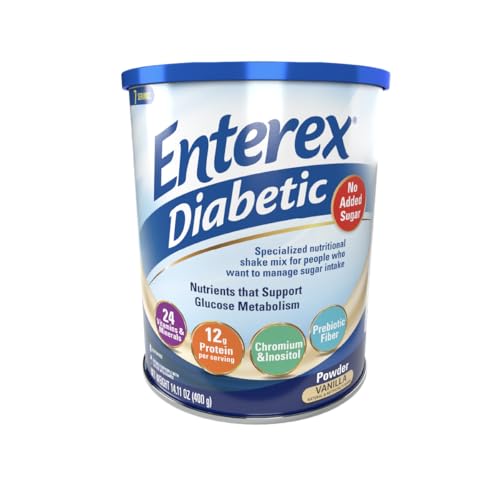



The Role of Protein in Diabetes Management
Protein plays a multifaceted and crucial role in the dietary management of diabetes, extending beyond just muscle building to significantly impact blood glucose control and overall metabolic health. Understanding these mechanisms is fundamental to appreciating why incorporating appropriate protein sources, including supplements, can be highly beneficial.
* Blood Sugar Control: Unlike carbohydrates, protein has a minimal and delayed impact on blood sugar levels. When consumed, protein slows down gastric emptying, which in turn decelerates the absorption of glucose from concurrently consumed carbohydrates. This leads to a more gradual rise in blood sugar, preventing the sharp post-meal spikes that are detrimental for individuals with diabetes. Furthermore, protein can stimulate the release of certain gut hormones, such as glucagon-like peptide-1 (GLP-1), which enhance insulin secretion and promote feelings of fullness, contributing to better glycemic control.
* Increased Satiety: Protein is renowned for its superior ability to promote satiety compared to fats and carbohydrates. Consuming protein triggers the release of cholecystokinin (CCK) and peptide YY (PYY), hormones that signal fullness to the brain. This enhanced and prolonged feeling of satiety is invaluable for diabetes management, as it can help reduce overall calorie intake, curb cravings, and prevent overeating or unnecessary snacking. Effective weight management is a cornerstone of diabetes control, and protein’s satiating properties directly support this goal, potentially leading to improved insulin sensitivity.
* Muscle Maintenance: Adequate protein intake is vital for maintaining and building lean muscle mass, which is particularly important for individuals with diabetes. Muscle tissue is the primary site for glucose uptake and storage in the body, and greater muscle mass correlates with improved insulin sensitivity and more efficient blood glucose utilization. As people age or manage chronic conditions, there’s a risk of sarcopenia (muscle loss). Protein powders can help ensure sufficient amino acid supply to counteract this, support muscle repair, and aid in recovery, especially for those engaging in regular physical activity, which is also critical for diabetes management.
Key Nutritional Considerations for Diabetics
Selecting a protein powder requires careful scrutiny of its nutritional profile, particularly for individuals managing diabetes. Certain components can significantly impact blood glucose levels and overall health.
* Carbohydrate and Sugar Content: This is arguably the most critical factor. Diabetics must meticulously monitor their carbohydrate intake, as carbohydrates directly affect blood sugar. Therefore, it is imperative to choose protein powders with very low carbohydrate content, ideally less than 5 grams per serving. Even more important is the *absence* of added sugars. Sugars like sucrose, dextrose, fructose, corn syrup solids, or maltodextrin (which has a very high glycemic index) can cause rapid and significant spikes in blood glucose. Always check the “Added Sugars” line on the nutrition facts label and ensure it is as close to zero as possible.
* Fiber Content: While not all protein powders contain fiber, its presence can be an advantageous addition. Dietary fiber, particularly soluble fiber, slows down the absorption of glucose into the bloodstream, thereby helping to mitigate post-meal blood sugar spikes. It also contributes to satiety, supports digestive health, and can improve cholesterol levels. Protein powders derived from whole food sources or those specifically fortified with fiber can offer these additional benefits, making them a more comprehensive nutritional choice.
* Artificial Sweeteners and Additives: Many protein powders use artificial sweeteners such as sucralose, aspartame, acesulfame potassium, or saccharin to provide taste without adding calories or sugar. While these are generally recognized as safe by regulatory bodies for general consumption, their long-term effects on gut microbiome and metabolic health, particularly in individuals with diabetes, are still subjects of ongoing research and debate. Some individuals may experience digestive discomfort or other sensitivities. Natural, non-caloric sweeteners like stevia or monk fruit are often preferred alternatives. Furthermore, be mindful of artificial flavors, colors, and other synthetic additives, as a “cleaner” ingredient list is often preferred for overall health and to minimize potential adverse reactions.
Top Protein Powder Types for Diabetes
When selecting a protein powder for diabetes management, certain types stand out due to their low carbohydrate content, high protein quality, and beneficial properties.
* Whey Isolate: Whey protein isolate is a highly refined form of whey protein, undergoing a filtration process that removes most of the fat and lactose, resulting in a protein concentration typically above 90%. Its low carbohydrate and fat content makes it an excellent choice for individuals with diabetes, as it minimizes the risk of blood sugar spikes. Whey isolate is also a fast-digesting protein, rich in branched-chain amino acids (BCAAs), particularly leucine, which is crucial for muscle protein synthesis. This makes it ideal for post-workout recovery or as a quick protein boost without significantly impacting glucose levels.
* Casein Protein: Casein is another milk-derived protein, but it differs significantly from whey in its digestion rate. Casein forms a gel-like substance in the stomach, leading to a much slower and sustained release of amino acids into the bloodstream over several hours. This prolonged delivery helps promote satiety for longer periods, making it an excellent option for overnight recovery or as a meal replacement (when combined with other nutrients) to prevent hunger and stabilize blood sugar between meals. Like whey, quality casein protein typically has a low carbohydrate and fat profile, making it suitable for diabetic diets.
* Plant-Based Proteins: For individuals seeking dairy-free or vegan options, plant-based protein powders offer viable and effective alternatives.
* Pea Protein: Derived from yellow peas, pea protein is highly digestible and boasts a comprehensive amino acid profile, including a good amount of BCAAs. It is naturally low in carbohydrates and is a hypoallergenic option, making it suitable for those with dairy or soy allergies.
* Hemp Protein: Made from ground hemp seeds, this protein offers the added benefit of dietary fiber and beneficial omega-3 and omega-6 fatty acids. While generally lower in protein concentration and slightly higher in carbohydrates compared to pea or whey isolate, its nutrient density can be appealing.
* Soy Protein: A complete protein source, soy protein is widely available and often cost-effective. However, concerns regarding potential allergens and hormonal effects (though largely debunked by research for most healthy individuals) mean some may prefer alternatives. If choosing soy, opt for non-GMO and organic varieties. Blends of different plant proteins (e.g., pea and rice protein) are often formulated to ensure a complete amino acid profile, similar to animal proteins.
Ingredients and Additives to Watch Out For
To ensure a protein powder supports diabetes management, a thorough inspection of the ingredient list for potentially problematic components is essential.
* Added Sugars: This is the primary culprit to avoid. Look out for any ingredient ending in “-ose” (dextrose, fructose, sucrose, maltose), as well as corn syrup, high-fructose corn syrup, cane sugar, evaporated cane juice, brown rice syrup, or any ingredient listed simply as “sugar.” Maltodextrin, often used as a filler or thickener, is particularly concerning as it has a glycemic index even higher than table sugar and can cause rapid, significant blood glucose spikes. Prioritize products where sugar is not listed as one of the top ingredients, or ideally, is absent entirely.
* High-Carb Fillers: Beyond explicit sugars, some protein powders incorporate various fillers or thickeners that can inadvertently increase the carbohydrate content. Ingredients like starches (e.g., corn starch, potato starch), gums (e.g., xanthan gum, guar gum, carrageenan), and other synthetic thickeners might contribute to the overall carb count. While some of these are present in minimal amounts, a cumulative effect can be observed. Always cross-reference the ingredient list with the nutritional label to ensure the total carbohydrate content remains within your target range (e.g., less than 5g per serving).
* Artificial Flavors and Colors: While generally not directly impacting blood sugar levels, artificial flavors and colors are synthetic chemicals that many individuals prefer to avoid for overall health reasons. Some studies suggest potential links to hyperactivity in children and other adverse effects, though these are not definitive for adults. For those with diabetes, who often strive for a nutrient-dense and “clean” diet, opting for protein powders with natural flavorings (e.g., natural vanilla extract, cocoa powder) or unsweetened versions is often a preferred choice to minimize exposure to unnecessary additives.
How to Safely Incorporate Protein Powder
Integrating protein powder into a diabetes management plan requires strategic thought and, most importantly, collaboration with healthcare professionals.
* Portion Control: Adhering to recommended serving sizes is critical. While protein is beneficial, excessive intake beyond your body’s needs can lead to extra calories being stored as fat, potentially undermining weight management goals. Moreover, consuming very large amounts of protein can sometimes cause digestive issues like bloating or discomfort. Start with the suggested serving size (usually one scoop) and monitor your body’s response, adjusting as needed under professional guidance.
* Timing: The timing of protein powder consumption can maximize its benefits for blood sugar control and satiety.
* With Meals: Adding protein powder to meals, especially those higher in carbohydrates, can help blunt the post-meal blood sugar response and increase satiety. For instance, blending it into a smoothie with vegetables or adding it to oatmeal can create a more balanced meal.
* As a Healthy Snack: Using protein powder as a snack between meals can help manage hunger, prevent overeating at the next meal, and stabilize blood sugar levels throughout the day.
* Post-Workout: After physical activity, a quick-digesting protein like whey isolate can aid in muscle repair and recovery without causing significant blood sugar spikes, especially when complex carbohydrates are also consumed.
* Consult Your Healthcare Provider: This step cannot be overstated. Before introducing any new supplement, especially protein powder, individuals with diabetes *must* consult their doctor or a registered dietitian (RD). They can provide personalized advice based on your specific health status, kidney function, medication regimen, and dietary needs. Some individuals with diabetes, particularly those with existing kidney disease, may need to limit protein intake, making professional guidance essential to ensure safety and efficacy. An RD can help you integrate protein powder into your meal plan effectively, considering your overall macronutrient balance and caloric goals.
Making Your Final Selection
The process of choosing the best protein powder for diabetes management culminates in a careful final selection based on informed decision-making.
* Read Labels Diligently: This is the cornerstone of responsible selection. Go beyond the marketing claims and scrutinize the nutrition facts panel and the ingredient list. Prioritize products that explicitly list very low (ideally <5g) or no added sugars and minimal net carbohydrates. Understand what a "serving size" entails and calculate the protein-to-carb ratio. Look for clear, understandable ingredient lists without a multitude of unfamiliar chemical names. Also, check for potential allergens like dairy, soy, or gluten if you have sensitivities.
* Third-Party Testing and Certifications: The supplement industry is not as tightly regulated as pharmaceuticals, making third-party verification crucial. Look for certifications from reputable organizations like NSF Certified for Sport, Informed-Sport, or USP Verified. These certifications indicate that the product has been independently tested for purity, potency, and the absence of contaminants (e.g., heavy metals, pesticides, banned substances). This provides an added layer of assurance that the product contains what it claims and is free from harmful ingredients, which is particularly important for individuals managing a complex health condition like diabetes.
* Taste and Mixability: While nutritional integrity is paramount, long-term adherence to a supplement routine also depends on practical factors like taste and mixability. A highly nutritious protein powder that tastes terrible or clumps extensively when mixed is unlikely to be used consistently. Read online reviews for feedback on flavor profiles and how well different brands or types of protein powder dissolve in various liquids (water, milk, plant-based milk). Consider purchasing smaller sample sizes if available, or start with unflavored options to experiment with your own healthy flavorings (e.g., cinnamon, vanilla extract, unsweetened cocoa powder) to ensure you find a product you enjoy and will continue to use.
Choosing the right protein powder is a proactive step in managing diabetes and supporting overall health. By focusing on low-carb, low-sugar options like whey isolate, casein, or quality plant-based proteins, you can effectively supplement your diet and contribute to stable blood sugar levels and improved satiety. Remember, always consult with your doctor or a registered dietitian to ensure your chosen protein powder aligns with your individual health needs and dietary plan, guaranteeing its safe and effective integration into your diabetes management strategy.
Frequently Asked Questions
What are the key factors to consider when choosing protein powder for diabetes?
When selecting a protein powder for diabetes, prioritize products with low carbohydrate and sugar content to prevent blood sugar spikes. Look for options that contain minimal or no artificial sweeteners, opting for natural alternatives like stevia or monk fruit if sweetness is desired. Furthermore, examine the protein source and its overall nutritional profile to ensure it aligns with your dietary needs and health goals, focusing on high-quality ingredients.
Which types of protein powder are generally considered safe and effective for people with diabetes?
Whey protein isolate is often recommended for people with diabetes due to its very low lactose and carbohydrate content, and its rapid absorption which can help manage blood sugar levels. Casein protein is another good option, offering a slow-release protein source that promotes prolonged satiety. Plant-based protein powders like pea, soy (non-GMO), or rice protein are excellent choices, especially for those with dairy sensitivities, provided they are low in added sugars and artificial ingredients.
How does protein powder benefit individuals managing diabetes?
Protein powder can be highly beneficial for individuals managing diabetes by helping stabilize blood sugar levels, especially when consumed with meals as it slows down glucose absorption. Its high satiety factor aids in weight management and reduces cravings, which is crucial for diabetes control. Additionally, adequate protein intake supports muscle mass maintenance and growth, essential for improving insulin sensitivity and overall metabolic health.
Why should people with diabetes be cautious about artificial sweeteners and additives in protein powders?
Individuals with diabetes should exercise caution with artificial sweeteners and additives in protein powders because some studies suggest they may negatively impact glucose metabolism and the gut microbiome, potentially affecting insulin sensitivity. High levels of certain artificial sweeteners might also trigger cravings for sweet foods, undermining dietary management efforts. Always review the ingredient list thoroughly to avoid unnecessary chemicals, artificial colors, and excessive fillers that offer no nutritional value.
Can protein powder help with weight management for someone with type 2 diabetes?
Yes, protein powder can be a valuable tool for weight management in individuals with type 2 diabetes. Its high protein content promotes satiety, helping to reduce overall calorie intake and curb snacking between meals. By preserving and building lean muscle mass, protein also boosts metabolism, which is crucial for burning more calories and fat. When combined with a balanced diet and regular exercise, a low-carb, low-sugar protein powder can significantly support healthy weight loss and improve insulin sensitivity.
References
- https://diabetes.org/healthy-living/recipes-nutrition/eating-well/protein-diabetes
- https://pubmed.ncbi.nlm.nih.gov/30678513/
- https://pmc.ncbi.nlm.nih.gov/articles/PMC8900693/
- Protein • The Nutrition Source
- Protein supplement
- Diabetes diet: Create your healthy-eating plan – Mayo Clinic
- https://health.clevelandclinic.org/what-to-eat-when-you-have-diabetes