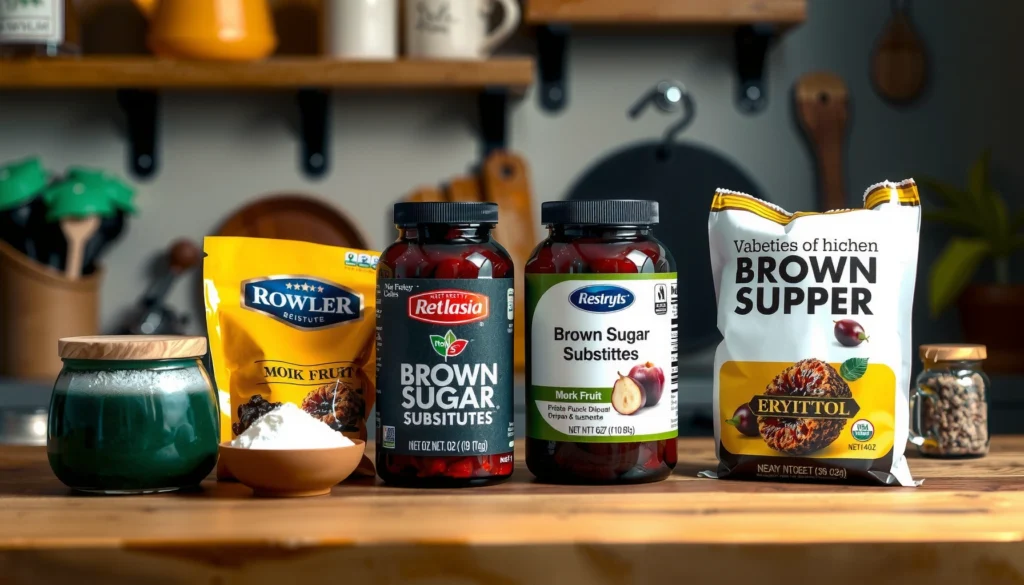

For diabetics seeking to enjoy the warm, caramel notes of brown sugar without the blood sugar spike, erythritol-based blends, monk fruit, and stevia-based products are generally the top recommended low-glycemic substitutes. These alternatives offer a way to sweeten your favorite recipes while effectively managing blood glucose levels, allowing you to maintain flavor without compromising health. This guide will explore the best options, how to use them, and what to consider when making your choice.




Why Traditional Brown Sugar Is a Concern for Diabetics
Traditional brown sugar, often perceived as a healthier alternative to white sugar, is fundamentally sucrose with added molasses. While the molasses imparts its distinctive color, flavor, and some trace minerals, its impact on blood glucose management for individuals with diabetes is largely identical to that of white sugar. Understanding why it poses a significant challenge is crucial for effective dietary management.
– High Glycemic Index (GI): Brown sugar has a high glycemic index, typically ranging from 65 to 70, similar to white table sugar. The glycemic index is a scale that ranks carbohydrates based on how quickly they raise blood glucose levels. Foods with a high GI are rapidly digested and absorbed, leading to a swift and pronounced spike in blood sugar. For diabetics, this rapid increase can trigger an excessive insulin response (in type 2 diabetes) or require immediate exogenous insulin administration (in type 1 diabetes), making blood glucose control difficult and potentially leading to hyperglycemia. Consistent high blood sugar levels contribute to the progression of diabetes-related complications.
– Significant Carbohydrate Content: Even in small quantities, brown sugar contributes substantially to daily carbohydrate intake. A single teaspoon (approximately 4 grams) of brown sugar contains about 4 grams of carbohydrates, all of which are simple sugars. In baking or cooking, where recipes often call for half a cup or more, the carbohydrate load quickly becomes overwhelming. For individuals meticulously tracking their carbohydrate intake to manage blood sugar, these amounts can easily exceed their daily limits, throwing their meal plans off balance and making precise insulin dosing or medication management a constant struggle.
– Impact on Long-Term Health: Regular consumption of traditional brown sugar and other high-glycemic carbohydrates can have profound implications for long-term diabetic health. Chronic hyperglycemia is a primary driver of microvascular and macrovascular complications, including nephropathy (kidney damage), retinopathy (eye damage), neuropathy (nerve damage), and an increased risk of cardiovascular disease. By contributing to blood sugar volatility, brown sugar consumption complicates the consistent glucose management necessary to mitigate these risks, thereby increasing the burden of managing the disease over time.
Top Low-Glycemic Brown Sugar Substitutes
The market now offers a variety of sophisticated low-glycemic sweeteners designed to mimic the taste and texture of brown sugar without the adverse health effects. These options provide diabetics with excellent tools for managing their sweet cravings while adhering to their dietary needs.
– Erythritol-Based Blends: Erythritol is a sugar alcohol found naturally in some fruits and fermented foods. It is about 70% as sweet as sugar but contains almost no calories and does not raise blood sugar levels, as it is largely unabsorbed by the body and excreted in urine. Because it provides bulk and a clean taste, it is often combined with other intense sweeteners like monk fruit or stevia to create blends that closely resemble brown sugar in sweetness and volume. These blends often incorporate natural flavors to replicate the caramel notes of brown sugar, providing an authentic taste and texture that performs well in baking, minimizing the blood sugar impact to virtually zero.
– Monk Fruit Sweetener: Derived from the Siraitia grosvenorii fruit, monk fruit sweetener utilizes compounds called mogrosides, which are intensely sweet—150 to 250 times sweeter than sugar. Despite its potent sweetness, monk fruit is a zero-calorie, zero-glycemic sweetener that does not affect blood glucose levels. Its clean, non-bitter taste profile, especially in higher purity forms, makes it an excellent choice. Monk fruit is available in various concentrations, and many manufacturers blend it with erythritol or other bulking agents to create 1:1 brown sugar-style replacements, making it convenient for recipe adaptation.
– Stevia-Based Sweeteners: Stevia is a natural sweetener extracted from the leaves of the *Stevia rebaudiana* plant. Its active compounds, steviol glycosides (particularly Rebaudioside A and Rebaudioside M), are 200 to 400 times sweeter than sugar and carry no calories or glycemic impact. While some earlier stevia products were known for a lingering, licorice-like aftertaste, advancements in extraction and purification, especially with higher concentrations of Rebaudioside M, have significantly improved its flavor profile. Stevia is also available in brown sugar blends, often combined with erythritol or other fibers to provide volume and a brown sugar-like texture, allowing for seamless integration into diabetic-friendly recipes.
– Allulose: Allulose is a “rare sugar” found in small quantities in wheat, figs, raisins, and other foods. Structurally similar to fructose, it behaves like sugar but has a significantly different metabolic pathway. Allulose provides approximately 70% of the sweetness of sugar but with only about 10% of the calories (0.4 calories per gram) and virtually no impact on blood glucose or insulin levels. What sets allulose apart, particularly for baking, is its functional resemblance to sugar: it browns, caramelizes, and provides bulk and moisture more effectively than many other low-calorie sweeteners. This makes it an incredibly promising substitute for brown sugar, offering superior culinary performance without the glycemic consequences.
Comparing Taste, Texture, and Culinary Performance
When selecting a brown sugar substitute, taste, texture, and how it performs in various culinary applications are paramount. A successful substitute must not only be low-glycemic but also deliver an enjoyable eating experience.
– Flavor Profile: The hallmark of brown sugar is its rich, caramel-like flavor, largely due to molasses. Among the substitutes, erythritol and allulose often mimic this taste most closely, especially when formulated into specialized brown sugar blends. Manufacturers frequently achieve this by incorporating natural molasses flavors, chicory root, or other fiber blends that contribute to a deeper, more complex sweetness. Monk fruit, with its clean sweetness, integrates well into these blends, enhancing the overall profile without imparting off-notes. Stevia, while significantly improved, can still present a slight aftertaste for some individuals, making it crucial to test different brands and concentrations to find a preferred option.
– Baking & Cooking: The role of brown sugar in baking extends beyond sweetness; it contributes to moisture, chewiness, and browning. Substitutes like allulose and erythritol-based brown sugar replacements are increasingly designed to replicate these functional properties. Allulose, in particular, stands out for its ability to caramelize and brown much like regular sugar, which is critical for achieving the desired crust and color in baked goods. Erythritol blends, while less prone to true caramelization, often contain ingredients that aid in browning. It’s important to note that highly concentrated sweeteners like pure monk fruit or stevia extracts generally lack the bulk and functional properties of sugar and are best used in blended forms for baking.
– Texture & Moisture: Traditional brown sugar is hygroscopic, meaning it attracts and retains moisture, contributing to the soft, chewy texture of many baked goods. Some substitutes, particularly those primarily composed of erythritol, can be drier and may lead to a slightly crispier or more crumbly texture in the final product. Allulose tends to perform better in maintaining moisture and tenderness. To compensate for potential dryness with other substitutes, slight adjustments to recipes may be necessary, such as increasing liquid ingredients (e.g., a tablespoon of milk or water) or adding moisture-rich ingredients like unsweetened applesauce, mashed banana, or pureed pumpkin. Many commercial brown sugar substitute blends are formulated with added fibers or humectants to mitigate these textural differences.
Key Considerations When Choosing Your Substitute
Navigating the array of brown sugar substitutes requires careful attention to specific product characteristics to ensure they align with your health goals and dietary needs.
– Glycemic Index (GI) and Net Carbs: The primary reason for using a substitute is to avoid blood sugar spikes. Therefore, always prioritize products with a very low or zero glycemic index. Scrutinize nutrition labels for “net carbohydrates,” which are typically calculated by subtracting fiber and sugar alcohols (that don’t impact blood sugar) from total carbohydrates. For optimal blood glucose management, look for products explicitly labeled “zero net carbs” or “keto-friendly,” as these indicate minimal glycemic impact. Be wary of marketing claims and verify the numbers.
– Ingredients and Fillers: The composition of brown sugar substitutes can vary widely. While the primary sweetener (e.g., erythritol, monk fruit, stevia, allulose) may be low-glycemic, many products use fillers or bulking agents. Common culprits include maltodextrin and dextrose, which are high-glycemic carbohydrates and can negate the benefits of the primary sweetener. Even in small quantities, these fillers can raise blood sugar in sensitive individuals. Opt for products that use non-glycemic fillers like chicory root fiber (inulin), cellulose, or glycerin, or ideally, pure forms or blends where the bulk comes from other low-glycemic sweeteners like erythritol itself.
– Personal Taste Preference: Taste is subjective, and the perception of sweetness and potential aftertastes can vary significantly from person to person. What one individual finds palatable, another might find unpleasant. For instance, some people are sensitive to the aftertaste of certain stevia extracts, while others detect a cooling sensation from erythritol. The best approach is to sample small quantities of different brands and types of brown sugar substitutes. Start with smaller package sizes to discover which flavor profiles and sensations are most agreeable to your palate before committing to larger purchases.
Tips for Baking and Cooking with Brown Sugar Substitutes
Successfully integrating brown sugar substitutes into your cooking and baking repertoire requires a bit of understanding and experimentation. These tips will help you achieve desirable results while maintaining your blood sugar goals.
– Measure Carefully: Sweetness levels can differ significantly between traditional brown sugar and its substitutes, and even among different brands of substitutes. While many brown sugar replacements are formulated as 1:1 volume or weight substitutes for convenience, it’s crucial to check the specific product recommendations. Highly concentrated sweeteners (like pure monk fruit or stevia extracts) will require much smaller quantities. For baking, where precision is key, using a kitchen scale for dry ingredients is always recommended, as cup measurements can vary.
– Adjust for Moisture: Traditional brown sugar contains molasses, which is hygroscopic (attracts and retains moisture), contributing to the soft, chewy texture of many baked goods. Many substitutes, especially those largely composed of erythritol, lack this quality and can lead to drier finished products. To counteract this, you might need to slightly increase the liquid content in your recipe. Consider adding an extra tablespoon or two of water, milk, unsweetened applesauce, yogurt, or pureed fruit (like pumpkin or avocado) per cup of substitute used. This adjustment helps maintain the desired texture and mouthfeel.
– Experimentation is Key: Baking and cooking with substitutes can be a learning curve, as each product behaves slightly differently in terms of taste, texture, and browning. Don’t be afraid to experiment. Start with recipes where sugar plays a less critical structural role (e.g., sauces, simple cookies, muffins rather than delicate cakes). Begin with a small batch to test how a new substitute performs in your favorite recipes before committing to a full-scale production. Keep notes on what worked well and what didn’t, including any adjustments you made, to refine your approach over time.
Potential Downsides and Things to Be Mindful Of
While brown sugar substitutes offer significant benefits for diabetics, it’s also important to be aware of potential downsides and considerations to ensure their safe and effective use.
– Digestive Issues: Some sugar alcohols, particularly when consumed in large quantities, can cause digestive discomfort for sensitive individuals. Erythritol is generally well-tolerated compared to other sugar alcohols like xylitol or maltitol (which also have a higher glycemic impact), but excessive intake can still lead to bloating, gas, or a laxative effect. This occurs because these compounds are not fully absorbed in the small intestine and can ferment in the large intestine. It’s advisable to start with small amounts and gradually increase consumption to assess your individual tolerance. If you experience discomfort, consider reducing the quantity or trying a different type of sweetener.
– Cost: Many specialized brown sugar substitutes, particularly those formulated for 1:1 replacement or containing premium natural sweeteners like allulose or high-purity monk fruit/stevia, can be significantly more expensive than traditional brown sugar. This higher cost is due to specialized processing, sourcing of raw materials, and often smaller production scales. While it’s an investment in health, it’s a factor to consider in your budget. Comparing unit prices and evaluating how much you intend to use them can help you make an economical choice.
– Hidden Carbs: Despite marketing claims of being “sugar-free” or “low-carb,” it’s crucial to remain vigilant about hidden carbohydrates. As previously mentioned, some products use high-glycemic fillers like maltodextrin or dextrose as bulking agents, which can still impact blood sugar levels. Additionally, flavored substitutes might contain small amounts of natural sugars from fruit extracts or other ingredients. Always scrutinize the complete ingredient list and the nutrition facts panel for total carbohydrates, fiber, and sugar alcohols to calculate net carbs accurately and ensure there are no unexpected sources of glucose-raising ingredients.
Consulting Your Healthcare Professional
Integrating new dietary components, even seemingly benign ones like sweeteners, into a diabetes management plan should always be done with professional guidance. Your healthcare team is best equipped to provide personalized advice.
– Personalized Advice: Diabetes management is highly individualized. What works well for one person may not be suitable for another due, to differences in diabetes type, medication regimen, overall health status, and individual metabolic responses. Discussing your choice of brown sugar substitutes with your doctor, endocrinologist, or a registered dietitian (RD) is crucial. They can assess your specific health needs, potential interactions with medications, and help you integrate these substitutes safely into your personalized dietary plan.
– Monitoring Blood Glucose: Introducing any new food or ingredient into your diet requires careful monitoring of its impact on your blood sugar levels. Even low-glycemic substitutes can have varying effects on different individuals. Continuously monitoring your blood glucose before and after consuming foods made with new substitutes provides empirical data on your body’s unique response. This helps confirm that your chosen substitute is indeed supporting your blood sugar management goals and doesn’t lead to unexpected spikes.
– Overall Diet Strategy: Remember that brown sugar substitutes are tools to help manage sweetness, not a license to consume unlimited amounts of sweet treats. They are just one component of a comprehensive diabetes management strategy. Your healthcare professional will emphasize the importance of an overall healthy eating plan that focuses on whole, unprocessed foods, balanced macronutrient intake, portion control, regular physical activity, and consistent medication adherence. Substitutes should complement, not replace, these foundational elements of diabetes care.
Choosing the right brown sugar substitute involves balancing taste, texture, and your individual health needs, allowing you to enjoy sweetness responsibly. While many excellent options exist, understanding their properties and how they impact your body is crucial. Always consult with a healthcare professional or registered dietitian to ensure your choices align with your personal diabetes management plan and overall health goals.
Frequently Asked Questions
What is the most recommended brown sugar substitute for diabetics looking for a low-glycemic option?
For diabetics seeking a low-glycemic brown sugar substitute, blends containing erythritol, monk fruit, and/or stevia are highly recommended. These provide a sweet taste with minimal impact on blood sugar levels, making them safe for managing diabetes. Many brands specifically formulate “brown” varieties by adding natural flavors or molasses extract to mimic the distinct taste and aroma of traditional brown sugar. Always check the ingredient list for hidden sugars or high-glycemic additives.
How do brown sugar substitutes for diabetics impact baking results compared to regular brown sugar?
Brown sugar substitutes designed for diabetics can perform very well in baking, though some differences may be observed. While they provide sweetness, they often lack the moisture-retaining properties and caramelization of real brown sugar, potentially leading to slightly drier or less browned baked goods. To combat this, some premium blends include fibers or natural humectants, and you might need to slightly adjust liquid content or baking time in recipes to achieve optimal results.
Are there any natural, diabetes-friendly brown sugar alternatives that won’t spike blood sugar?
Yes, several natural, diabetes-friendly alternatives exist that minimize blood sugar spikes. Erythritol, a sugar alcohol, and high-purity extracts of stevia and monk fruit are all derived from natural sources and have a glycemic index of zero or very close to it. When these are blended, sometimes with a touch of natural molasses flavor, they create effective brown sugar substitutes that are safe for diabetic consumption without the adverse blood sugar effects of conventional sugar.
Which brown sugar substitutes for diabetics best replicate the taste and texture of real brown sugar?
To best replicate the taste and texture of real brown sugar, look for granular substitutes that are blends of erythritol, monk fruit, or stevia, specifically formulated as “brown” varieties. Brands that incorporate natural molasses or caramel flavors, along with ingredients like chicory root fiber, tend to mimic the moisture, depth of flavor, and slightly sticky texture of traditional brown sugar most effectively. These carefully crafted blends often offer a 1:1 sweetness ratio, simplifying recipe conversions.
Why should diabetics consider using brown sugar substitutes in their diet?
Diabetics should consider using brown sugar substitutes to effectively manage their blood sugar levels and carbohydrate intake, which are crucial for diabetes control. By replacing caloric, high-glycemic brown sugar with these alternatives, individuals can enjoy sweet foods and beverages without the sharp spikes in blood glucose that can lead to complications. This allows for greater dietary flexibility and improves overall quality of life while maintaining metabolic health.
References
- https://www.hsph.harvard.edu/nutritionsource/healthy-eating-plate/water-and-sweetened-drinks/sweeteners-and-sugar-substitutes/
- Page Not Found – Site Help – Mayo Clinic
- https://diabetes.org/healthy-living/foods-nutrition/sugar-substitutes
- https://health.clevelandclinic.org/are-sugar-substitutes-healthy/
- https://www.bbcgoodfood.com/howto/guide/sugar-substitutes-guide
- https://www.nytimes.com/article/artificial-sweeteners-health.html




Pingback: Best Type 2 Diabetes Diet Plan: What to Eat for Results - Best For Diabetics
Pingback: Best Artificial Sweetener for Diabetics: What Works Best - Best For Diabetics
Pingback: What Is the Best Artificial Sweetener for Diabetics? - Best For Diabetics
Pingback: Best Diabetic Foods for Type 2: What to Eat - Best For Diabetics
Pingback: Best Life Insurance Rates for Diabetics: How to Get the Lowest - Best For Diabetics
Pingback: Best Low Carb Dry Cat Food for Diabetic Cats - Best For Diabetics
Pingback: Best Ready to Drink Protein Shakes for Diabetics: Top Picks - Best For Diabetics
Pingback: What Artificial Sweetener Is Best for Diabetics? - Best For Diabetics
Pingback: Which Dates Are Best for Diabetes? - Best For Diabetics
Pingback: Best Cheese for Diabetes Type 1: What to Choose and Why - Best For Diabetics