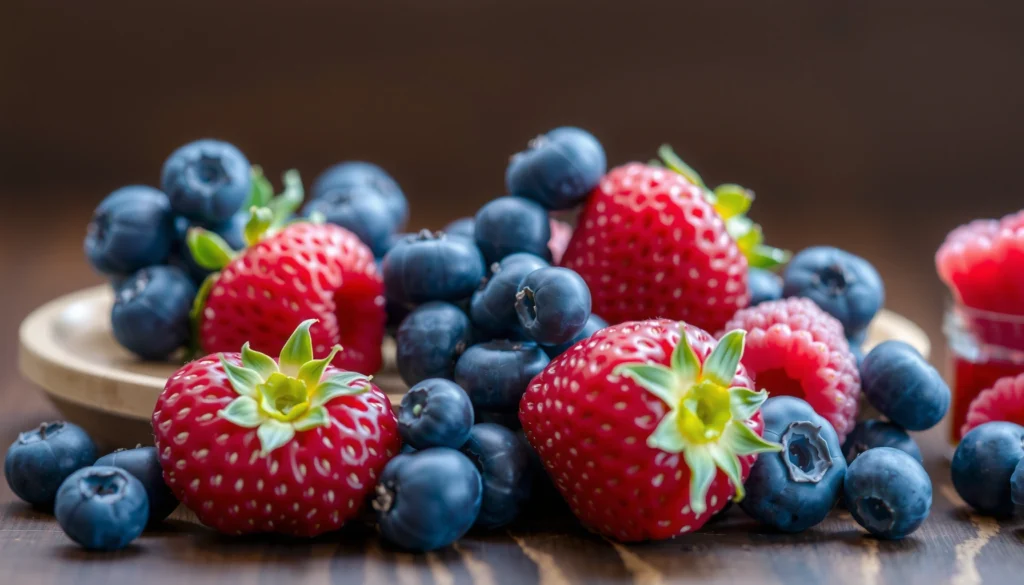

When managing diabetes, finding enjoyable yet blood-sugar-friendly foods is key, and the good news is that many berries are excellent choices due to their low glycemic index, high fiber, and rich antioxidant content. Specifically, blueberries, strawberries, and raspberries stand out as top picks for their exceptional nutritional profiles that support stable blood sugar levels. Incorporating these vibrant fruits can add sweetness, nutrients, and satisfaction to a diabetic diet without causing significant spikes, making them a cornerstone for healthy eating for those managing blood glucose.



Why Berries are Ideal for Diabetics
Berries are nutritional powerhouses, offering a unique combination of attributes that make them particularly beneficial for individuals managing diabetes. Their inherent characteristics align perfectly with dietary recommendations for blood sugar control and overall metabolic health.
* Low Glycemic Index (GI): The glycemic index is a system that ranks carbohydrate-containing foods based on how much they raise blood sugar levels. Foods with a low GI (55 or less) are digested and absorbed more slowly, leading to a gradual and more stable rise in blood sugar. Most berries fall into this low-GI category, making them a smart choice compared to high-GI fruits like watermelon or pineapple, which can cause rapid spikes. This slow release of glucose helps prevent the sudden surges that can challenge insulin production and sensitivity in diabetic individuals. Consuming low-GI foods like berries can therefore contribute to better long-term glycemic control and reduce the risk of diabetes complications.
* Rich in Fiber: Berries are exceptionally rich in dietary fiber, encompassing both soluble and insoluble types. Fiber is an indigestible carbohydrate that plays a critical role in blood sugar management. Soluble fiber, abundant in berries, forms a gel-like substance in the digestive tract, which slows down the absorption of glucose into the bloodstream, thereby mitigating post-meal blood sugar spikes. Insoluble fiber adds bulk to stool, promoting regular bowel movements and overall digestive health. Beyond blood sugar, fiber is crucial for satiety, helping individuals feel fuller for longer and reducing overall calorie intake, which is beneficial for weight management—a key component of diabetes care. Furthermore, a high-fiber diet has been linked to improved gut microbiome health, which is increasingly recognized for its influence on metabolism and insulin sensitivity.
* Packed with Antioxidants: Individuals with diabetes often experience higher levels of oxidative stress and inflammation, which can contribute to disease progression and complications. Berries are veritable treasure troves of powerful antioxidants, including anthocyanins (which give them their vibrant colors), quercetin, ellagic acid, and Vitamin C. These compounds combat free radicals, reduce cellular damage, and lower systemic inflammation. Research suggests that the antioxidants in berries can improve insulin sensitivity, protect pancreatic beta-cells (which produce insulin), and enhance endothelial function, all of which are vital for cardiovascular health—a primary concern for people with diabetes. The anti-inflammatory effects of berries can also help mitigate the chronic, low-grade inflammation often associated with insulin resistance.
Top Berry Picks for Blood Sugar Management
While all berries offer health benefits, certain varieties stand out for their exceptional impact on blood sugar control and overall diabetic health. These berries combine a low glycemic load with a potent array of beneficial compounds.
* Blueberries: Often hailed as a superfood, blueberries are particularly renowned for their high antioxidant content, especially anthocyanins. These potent compounds are responsible for blueberries’ deep blue hue and have been extensively studied for their role in improving insulin sensitivity. Several studies have indicated that regular consumption of blueberries can enhance glucose uptake into cells and reduce fasting blood glucose levels, even in individuals with insulin resistance. Beyond anthocyanins, blueberries provide a moderate amount of fiber (about 3.6 grams per cup) and essential vitamins like Vitamin K and Manganese. Their natural sweetness means they can satisfy cravings without the need for added sugars, making them a perfect, guilt-free snack. One cup of fresh blueberries typically contains around 21 grams of carbohydrates, making portion control important, but their fiber content ensures a gradual glucose release.
* Strawberries: These sweet, vibrant berries are a fantastic choice due to their low carbohydrate count and impressive nutritional profile. A cup of sliced strawberries contains approximately 11-12 grams of carbohydrates and provides a substantial amount of fiber (around 3 grams). What truly sets strawberries apart is their incredibly high Vitamin C content, exceeding the daily recommended intake in a single serving. Vitamin C is a powerful antioxidant that helps reduce inflammation and oxidative stress. Additionally, strawberries contain ellagic acid, a phenolic compound with potential anti-cancer and anti-inflammatory properties, and fisetin, a flavonoid that research suggests may have neuroprotective and anti-diabetic effects. Their low glycemic index (around 40) ensures minimal impact on blood sugar, making them an excellent choice for a snack or dessert.
* Raspberries: Boasting one of the highest fiber contents among berries, raspberries are an undisputed champion for blood sugar control and satiety. A single cup of raspberries delivers an impressive 8 grams of dietary fiber, accounting for over 30% of the daily recommended intake for adults. This extraordinary fiber content significantly slows down digestion and glucose absorption, leading to extremely stable blood sugar levels after consumption. Furthermore, raspberries are relatively low in net carbohydrates (total carbs minus fiber), making them an ideal choice for low-carb dietary approaches often beneficial for diabetes management. They are also rich in antioxidants like ellagic acid and anthocyanins, along with Vitamin C and K. The high fiber content in raspberries is particularly effective in promoting satiety, which can aid in weight management and prevent overeating, two critical aspects of diabetes care.
Other Diabetes-Friendly Berry Choices
While blueberries, strawberries, and raspberries are top contenders, several other berries offer excellent nutritional benefits and can be incorporated into a diabetic diet to add variety and diversify nutrient intake.
* Blackberries: Closely related to raspberries in their nutritional profile, blackberries are another excellent choice for individuals managing diabetes. They are packed with fiber, providing around 7.6 grams per cup, which significantly contributes to blood sugar stabilization and digestive health. Blackberries are also rich in anthocyanins, potent antioxidants that give them their deep purple-black color and offer substantial anti-inflammatory and cardiovascular benefits. They contain Vitamin C, Vitamin K, and manganese, supporting immune function and bone health. Their low glycemic index and high fiber content make them a smart snack or addition to meals, helping to control appetite and prevent sudden glucose spikes.
* Cranberries (Unsweetened): While often associated with tartness, unsweetened cranberries are a powerhouse of nutrition and remarkably low in sugar. These vibrant red berries are particularly famous for their unique proanthocyanidins (PACs), which are known for preventing urinary tract infections (UTIs) by inhibiting bacteria from adhering to bladder walls. Beyond UTI prevention, cranberries are rich in antioxidants that combat inflammation and oxidative stress, offering benefits for cardiovascular health, a significant concern for individuals with diabetes. When incorporating cranberries, it is crucial to opt for fresh or unsweetened frozen varieties, or 100% unsweetened cranberry juice, as most commercially available cranberry products are heavily laden with added sugars, which would counteract their benefits for blood sugar management.
* Cherries (Tart/Sour): Tart cherries, distinct from their sweeter counterparts, offer a lower glycemic index and a unique set of health benefits. These ruby-red fruits contain a high concentration of anthocyanins, which contribute to their anti-inflammatory properties and may help reduce muscle soreness and aid in recovery. Some research suggests that the compounds in tart cherries could potentially improve blood sugar regulation and insulin sensitivity. Additionally, tart cherries are a natural source of melatonin, which can support improved sleep quality—an often-overlooked factor in diabetes management. As with cranberries, moderation is key, and it’s essential to choose fresh or frozen tart cherries, or unsweetened tart cherry juice, to avoid added sugars. Their distinct flavor can also add an interesting twist to diabetic-friendly recipes.
How to Incorporate Berries into Your Diet
Integrating berries into a diabetic meal plan is both delicious and straightforward. Their versatility allows for numerous creative and healthful ways to enjoy their benefits without compromising blood sugar control.
* Healthy Snacks: The simplest way to enjoy berries is often the best. A handful of fresh or frozen berries makes for an incredibly refreshing and nutritious snack. Frozen berries can be particularly satisfying, offering a cool, sorbet-like texture, especially during warmer months. Combine them with a small portion of nuts or a cheese stick for added protein and healthy fats, which further helps to stabilize blood sugar and enhance satiety. Preparing individual portions in advance can help with portion control and ensure you always have a healthy option readily available.
* Meal Additions: Berries can elevate the flavor and nutritional profile of a wide variety of meals.
* Breakfast: Stir fresh or thawed berries into plain Greek yogurt, cottage cheese, or oatmeal. The fiber in berries complements the protein in yogurt or oats, making for a balanced and blood-sugar-friendly start to the day. For whole-grain cereals, berries provide natural sweetness, eliminating the need for added sugar.
* Salads: Don’t limit berries to sweet dishes. They can add a delightful burst of flavor and color to savory salads. Try adding sliced strawberries or blueberries to a spinach salad with goat cheese, walnuts, and a light vinaigrette. The tartness and sweetness of the berries can beautifully complement the other ingredients.
* Marinades/Sauces: Pureed berries can form the base of sugar-free marinades for poultry or fish, or be cooked down into a tangy, low-sugar sauce to drizzle over lean proteins.
* Smoothies & Desserts:
* Smoothies: Blend frozen berries with unsweetened almond milk, a scoop of protein powder, and a handful of spinach for a nutrient-dense, low-sugar smoothie. The fiber from the berries helps to thicken the smoothie while providing sustained energy.
* Desserts: Berries are a natural sweetener that can replace refined sugars in many diabetic-friendly desserts. Create a simple berry compote by simmering fresh berries with a touch of stevia or erythritol and a splash of water, then serving it over plain Greek yogurt or a small portion of whole-wheat pancakes. You can also make “nice cream” by blending frozen berries with a frozen banana (in moderation) or avocado for a creamy, naturally sweet treat. Sugar-free berry tarts or crumbles using almond flour or oat flour are also excellent options.
Important Considerations for Diabetics
While berries are undeniably beneficial for diabetes management, incorporating them effectively requires mindful consumption and an understanding of how they fit into an individual’s overall dietary plan.
* Portion Control: Even healthy foods, including berries, contain carbohydrates and can impact blood sugar levels. It’s crucial for individuals with diabetes to practice portion control to manage their carbohydrate intake effectively. A typical serving size for most berries is generally 1/2 to 1 cup, providing approximately 15-20 grams of carbohydrates. While berries’ fiber content helps to mitigate rapid blood sugar spikes, consuming excessive amounts can still lead to elevated glucose levels. It is recommended to consult with a registered dietitian or healthcare provider to determine appropriate serving sizes that align with your personalized carbohydrate goals and medication regimen. Understanding your individual carbohydrate allowance per meal and snack is key to enjoying berries responsibly.
* Avoid Added Sugars: This is perhaps the most critical consideration. The health benefits of berries are maximized when consumed in their natural, unsweetened state. Always opt for fresh or unsweetened frozen berries. Be extremely wary of processed berry products that can be hidden sources of added sugars, which will undermine any potential benefits for blood sugar control.
* Canned berries: Often packed in heavy syrup.
* Sweetened dried berries: While convenient, these are frequently coated in sugar and can contain a concentrated amount of carbohydrates per small serving.
* Berry jams, jellies, and sauces: Unless explicitly labeled “sugar-free” or “no added sugar” and made with appropriate sweeteners, these products are typically high in refined sugars.
* Berry-flavored yogurts or drinks: Many commercially available products with “berry” in the name are heavily sweetened and should be avoided or chosen very carefully, always checking the nutrition label for added sugars. Prioritize whole, unprocessed berries.
* Monitor Blood Sugar: Diabetes management is highly individualized. What works for one person may not work identically for another due to variations in insulin sensitivity, medication, activity levels, and individual metabolic responses. Therefore, consistent blood sugar monitoring is essential. After incorporating berries into your diet, pay close attention to how your blood glucose levels respond. Test your blood sugar before and two hours after consuming berries to understand their specific impact on your body. This data will allow you and your healthcare team to make informed adjustments to your diet, ensuring berries are integrated in a way that supports optimal blood sugar control. This practice empowers individuals to fine-tune their dietary choices based on real-time feedback.
Berries are a fantastic addition to a diabetic diet, offering a wealth of nutrients, fiber, and antioxidants that support overall health and blood sugar management. Their low glycemic impact, coupled with their high fiber and rich antioxidant content, makes them an excellent choice for satisfying sweet cravings and enhancing nutritional intake. By mindfully incorporating these delicious and nutritious fruits into snacks, meals, and desserts, and by adhering to portion control and avoiding added sugars, you can enjoy their benefits as part of a balanced diabetes management plan. Always consult with your healthcare provider or a registered dietitian to tailor dietary advice to your specific health needs and ensure berries fit into your individual meal plan and contribute positively to your journey toward better health and blood sugar control.
Frequently Asked Questions
What are the best berries for diabetics to incorporate into their diet?
The best berries for diabetics are generally those high in fiber and antioxidants, with a low glycemic index, which helps manage blood sugar levels effectively. Excellent choices include blueberries, raspberries, strawberries, and blackberries. These nutrient-dense fruits offer natural sweetness without causing rapid spikes, making them ideal for a healthy diabetic meal plan.
How do berries impact blood sugar levels for individuals with diabetes?
Berries impact blood sugar levels favorably due to their high fiber content, which slows down the digestion and absorption of sugars, preventing sharp spikes. Their natural sugars are accompanied by powerful antioxidants that can improve insulin sensitivity over time. Eating a controlled portion of fresh or unsweetened frozen berries can be a smart way for diabetics to enjoy a sweet treat.
Why are berries considered a healthy snack choice for managing diabetes?
Berries are considered a healthy snack for managing diabetes primarily because of their rich antioxidant profile, particularly anthocyanins, which may help reduce inflammation and improve cardiovascular health. They are also packed with essential vitamins, minerals, and dietary fiber, promoting satiety and supporting weight management, both crucial for diabetes control. Their low calorie count combined with nutrient density makes them a smart addition.
Are frozen berries a good option for diabetics, or should they stick to fresh?
Frozen berries are an excellent option for diabetics and are often just as nutritious as fresh ones, sometimes even more so if frozen at their peak ripeness. The key is to choose unsweetened frozen berries to avoid added sugars that can impact blood glucose. They offer convenience, longer shelf life, and can be a cost-effective way to ensure a steady supply of these beneficial fruits year-round.
Which berries, if any, should diabetics be cautious about or consume in moderation?
While most berries are beneficial, diabetics should be cautious with dried berries, as the sugar becomes highly concentrated due to water removal, leading to a much higher glycemic impact per serving. Even healthy berries should be consumed in moderation, adhering to appropriate portion sizes, as excessive intake of any fruit can still affect blood sugar. Always prioritize whole, fresh, or unsweetened frozen options over processed berry products like sweetened jams or juices.
References
- Best Fruit Choices for Diabetes | ADA
- Detox foot pads: Do they really work? – Mayo Clinic
- https://www.health.harvard.edu/diseases-and-conditions/a-sweet-way-to-manage-diabetes
- https://health.clevelandclinic.org/best-fruits-for-diabetes/
- https://www.cdc.gov/diabetes/managing/healthy-eating/fruits-vegetables.html
- https://www.health.harvard.edu/newsletter_article/Glycemic_index_and_glycemic_load_for_100_foods




Pingback: Best Fruit Smoothies for Diabetics: Healthy, Low-Sugar Options - Best For Diabetics
Pingback: Best Hydration Drinks for Diabetics: Smart, Safe Options - Best For Diabetics
Pingback: Best Late Night Snack for Diabetics: Smart Options - Best For Diabetics
Pingback: Best Oatmeal Cookies for Diabetics: Healthier Options That Fit - Best For Diabetics
Pingback: Best Pancakes for Diabetics: Tasty, Low-Sugar Options - Best For Diabetics
Pingback: Best Fruits for Diabetics to Eat: Smart Picks for Better Blood Sugar - Best For Diabetics
Pingback: Best Fruit for Diabetic: What to Choose and What to Avoid - Best For Diabetics
Pingback: What Wine Is Best for Diabetics? Smart Choices for Blood Sugar - Best For Diabetics
Pingback: Best Asthma Inhaler for Diabetes: What to Choose Safely - Best For Diabetics
Pingback: Best Baking Sugar Substitute for Diabetics: Top Picks for Recipes - Best For Diabetics
Pingback: Best Banana Bread for Diabetics: Lower-Sugar, Diabetic-Friendly Recipe - Best For Diabetics
Pingback: Best Drink for Type 2 Diabetes: What to Choose and Why - Best For Diabetics