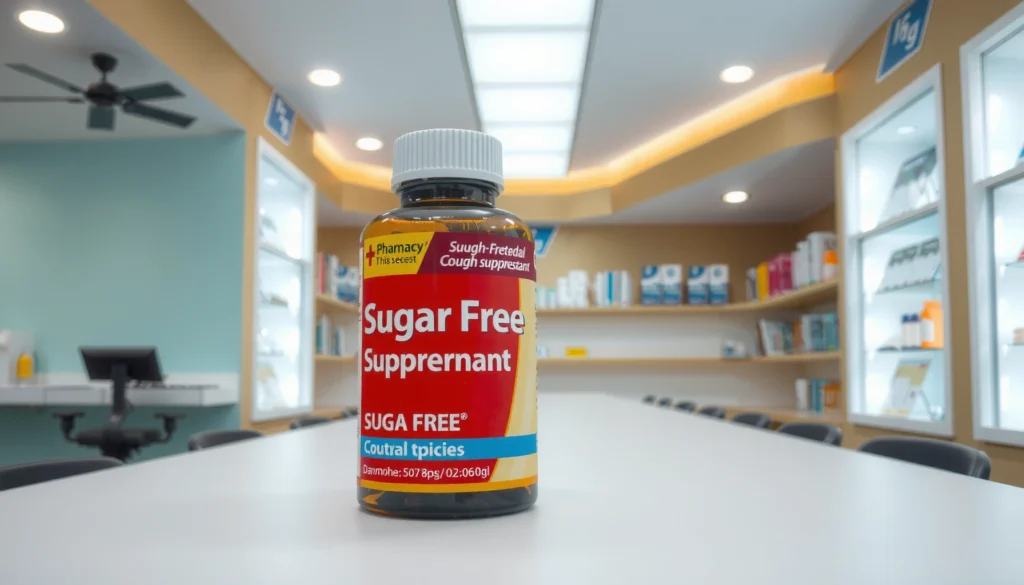

For diabetics, the best cough suppressants are typically sugar-free formulations that contain active ingredients like dextromethorphan for cough suppression or guaifenesin for mucus thinning, while avoiding problematic components such as added sugars, alcohol, and certain decongestants. Prioritizing products specifically labeled “sugar-free” or “diabetic-friendly” and consulting with a healthcare professional before starting any new medication is crucial to manage symptoms safely without impacting blood sugar levels or interacting with existing medications. Managing a cough effectively while living with diabetes requires a meticulous approach to over-the-counter (OTC) remedies. The stakes are higher for individuals with diabetes, as many common cough and cold medications contain ingredients that can disrupt glycemic control, interact negatively with existing medications, or exacerbate underlying health conditions. This guide aims to provide comprehensive, expert-backed insights into selecting the safest and most effective cough suppressants for diabetics, ensuring relief without compromising health.




The Diabetic’s Dilemma: Why Cough Suppressants Need Careful Selection
For individuals managing diabetes, the seemingly simple act of choosing an over-the-counter cough suppressant can present a complex challenge. Unlike non-diabetic individuals who might only consider symptom relief, diabetics must meticulously scrutinize product labels to avoid ingredients that can profoundly impact their health. The primary concern revolves around maintaining stable blood glucose levels, which are susceptible to fluctuations from various external factors, including medication ingredients.
Many common cough and cold remedies, particularly liquid formulations like syrups, contain high levels of sugar. These sugars, often in the form of sucrose, high-fructose corn syrup, or even honey, are rapidly absorbed into the bloodstream, leading to significant and often dangerous spikes in blood glucose. Such spikes can not only cause immediate discomfort and symptoms of hyperglycemia but also contribute to long-term diabetes complications if they occur frequently. For a diabetic, even a single dose of a sugary cough syrup can necessitate adjustments in insulin or oral medication, disrupting carefully managed treatment plans.
Beyond sugar, alcohol content in some cough syrups poses another serious risk. Alcohol can interfere with the liver’s ability to produce glucose, potentially leading to hypoglycemia ( dangerously low blood sugar), especially if taken on an empty stomach or in conjunction with certain diabetes medications like sulfonylureas. Conversely, chronic alcohol consumption can also contribute to hyperglycemia by impairing insulin sensitivity. Furthermore, alcohol can interact adversely with metformin, a common diabetes medication, increasing the risk of lactic acidosis—a rare but severe metabolic complication.
Moreover, certain decongestants frequently found in multi-symptom cold medications, such as pseudoephedrine and phenylephrine, are particularly problematic for diabetics. These active ingredients are sympathomimetics, meaning they mimic the effects of adrenaline in the body. This can lead to increased heart rate and elevated blood pressure, which is a significant concern for diabetics who often have a higher predisposition to hypertension and cardiovascular disease. Crucially, these decongestants can also raise blood sugar levels by stimulating glucose release from the liver or by reducing insulin sensitivity. For a diabetic with already compromised cardiovascular health, the additional strain from these decongestants can heighten the risk of serious cardiac events or make blood sugar control even more challenging. Therefore, careful selection is not merely a recommendation but a necessity to safeguard overall health and maintain effective diabetes management.
Key Ingredients to Look For in Diabetic-Friendly Cough Suppressants
When navigating the pharmacy aisle for cough relief, diabetic individuals should prioritize specific active ingredients and formulation characteristics that align with their health needs. Focusing on certain components ensures effective symptom management without inadvertently compromising blood sugar control or general well-being.
Dextromethorphan (DM): This is a widely recognized and effective cough suppressant, particularly suitable for dry, non-productive coughs. Dextromethorphan works by affecting signals in the brain that trigger the cough reflex, thereby reducing the urge to cough. It is an antitussive, meaning it primarily suppresses the cough. Crucially for diabetics, dextromethorphan is frequently available in sugar-free formulations. Many major pharmaceutical brands offer specific “DM Sugar-Free” versions, making it a safe choice when the primary symptom is a bothersome, persistent cough without mucus. When choosing a product containing DM, always double-check the inactive ingredients list to ensure no hidden sugars or other problematic components are present.
Guaifenesin: For coughs accompanied by chest congestion and thick mucus, guaifenesin is an excellent expectorant. It works by thinning and loosening mucus in the airways, making it easier to cough up and clear from the respiratory system. This can be particularly helpful for productive coughs, alleviating congestion and promoting clearer breathing. Like dextromethorphan, guaifenesin is commonly found in sugar-free liquid formulations and can also be available in sugar-free tablet or capsule forms. Its mechanism of action does not directly impact blood sugar levels, making it a safe choice when used in a sugar-free format. When combined with hydration, guaifenesin can significantly improve comfort during a respiratory illness.
The overarching principle when selecting any cough suppressant is to look for formulations explicitly labeled “sugar-free,” “dye-free,” and “alcohol-free.”
* “Sugar-free” is paramount, as discussed, to prevent blood glucose spikes. Manufacturers often use artificial sweeteners like sucralose, acesulfame potassium, saccharin, or stevia in these formulations, which generally do not affect blood sugar levels.
* “Dye-free” products are preferable to avoid potential allergic reactions or sensitivities, though less directly related to diabetes management.
* “Alcohol-free” labels are equally important to prevent interactions with diabetes medications and mitigate the risks of hypoglycemia or hyperglycemia. Always verify these claims on both the front packaging and the detailed “Drug Facts” label on the back to ensure complete safety and suitability for diabetic use.
What to Avoid: Ingredients that Harm Diabetics
Navigating the multitude of cough and cold remedies requires a sharp eye, as many contain ingredients that can be detrimental to diabetes management. Understanding precisely which components to steer clear of is critical for diabetic patients seeking safe and effective symptom relief.
Sugars and Sweeteners: This category represents the most immediate and significant threat to stable blood glucose levels. Diabetics must rigorously avoid products containing added sugars in any form. This includes familiar names like sucrose (table sugar), corn syrup, fructose, honey, and high-fructose corn syrup. Even natural sugars like those found in agave nectar or fruit juice concentrates can cause rapid and substantial increases in blood glucose, directly undermining diabetes control. These sugars are typically listed under “inactive ingredients” on product labels. Their rapid absorption can lead to hyperglycemia, increase thirst, frequent urination, and in severe cases, trigger diabetic ketoacidosis or hyperosmolar hyperglycemic state, requiring urgent medical intervention. Always opt for products clearly marked “sugar-free” that utilize non-caloric artificial sweeteners known not to impact blood sugar.
Alcohol: The presence of alcohol in cough and cold syrups is another major red flag for diabetics. Alcohol can interact dangerously with several common diabetes medications. For instance, combining alcohol with sulfonylureas (e.g., glipizide, glyburide) or meglitinides (e.g., repaglinide) can significantly increase the risk of severe hypoglycemia. Alcohol also impairs the liver’s ability to release stored glucose, which is crucial for preventing low blood sugar, especially during periods of reduced food intake or increased physical activity. Furthermore, alcohol can exacerbate side effects of metformin, potentially increasing the risk of lactic acidosis, a rare but life-threatening condition. Always select “alcohol-free” formulations to avoid these dangerous interactions and maintain glycemic stability.
Decongestants (e.g., Pseudoephedrine, Phenylephrine): These ingredients, commonly found in multi-symptom cold medications, are vasopressors that work by narrowing blood vessels to reduce swelling in nasal passages. While effective for nasal congestion, their systemic effects can be problematic for diabetics. Pseudoephedrine and phenylephrine can elevate blood pressure and heart rate, which is a significant concern for diabetics who often have co-existing hypertension or are at higher risk for cardiovascular disease. More critically, these decongestants can directly raise blood sugar levels by stimulating the release of glucose from the liver or by increasing insulin resistance. This makes blood glucose management considerably more challenging. For individuals with uncontrolled diabetes, existing hypertension, or a history of heart conditions, the use of these decongestants can significantly increase the risk of adverse cardiovascular events. It is strongly advised for diabetics to avoid these ingredients and explore alternative, safer methods for managing congestion, such as saline nasal sprays or humidifiers.
Over-the-Counter (OTC) Options: Reading Labels is Crucial
Navigating the vast array of over-the-counter cough suppressants requires more than just glancing at the front of the box; it demands a thorough understanding of product labeling. For diabetics, the “Drug Facts” label is an indispensable tool, serving as a critical safeguard against potentially harmful ingredients.
Always check the “Drug Facts” label thoroughly: This standardized label, found on all OTC medications, is your primary source of information. Begin by identifying the active ingredients to ensure they align with the recommended safe choices, such as dextromethorphan (for cough suppression) or guaifenesin (for mucus thinning), and that no problematic ingredients like pseudoephedrine are present. Equally important are the inactive ingredients listed. This section is where hidden sugars (sucrose, corn syrup, fructose, honey, etc.), alcohol, or artificial dyes might be found. Scrutinize this list carefully, as even products marketed for general cough relief may contain these compounds. Finally, pay close attention to the warnings section, which often details potential interactions, side effects, and specific precautions for individuals with chronic conditions like diabetes or high blood pressure.
Seek out products specifically marketed for diabetics or those clearly stating “sugar-free” on the main packaging: Many pharmaceutical companies recognize the need for diabetic-friendly options and explicitly label their products as “sugar-free,” “diabetic formula,” or “appropriate for diabetics.” These labels are a strong indicator that the product has been formulated without added sugars. However, even with such claims, it is still prudent to cross-reference with the “Drug Facts” label to confirm the absence of all problematic sugars and alcohol. Some products might use sugar alcohols (e.g., sorbitol, xylitol) which, while generally not spiking blood sugar, can cause gastrointestinal distress in larger quantities. Understand the specific sugar substitutes used and their potential effects.
Consider lozenges or sprays as alternatives to liquid syrups, ensuring they are also sugar-free: While liquid syrups are common, lozenges, throat sprays, and even some non-drowsy capsules can offer effective relief. However, the same diligence in label reading applies. Many cough lozenges, for instance, are essentially candy and contain high amounts of sugar. Look for sugar-free lozenges that utilize artificial sweeteners or contain only active ingredients like menthol or pectin for soothing. Throat sprays can be excellent for localized relief, but again, confirm they are sugar-free and alcohol-free. For systemic relief, sugar-free capsules containing dextromethorphan or guaifenesin are often a straightforward and safe option, as they typically contain fewer inactive ingredients compared to liquid formulations. Always prioritize products that simplify ingredient lists and clearly cater to diabetic needs.
Natural and Home Remedies for Cough Relief
While pharmaceutical options offer targeted relief, many natural and home remedies can effectively soothe a cough and alleviate associated discomfort, often without the risks posed by certain OTC ingredients. These approaches can be particularly beneficial for diabetics, as they generally avoid impacting blood sugar levels or interacting with medications.
Hydration: Perhaps the simplest yet most effective home remedy is adequate hydration. Drinking plenty of sugar-free fluids helps to soothe an irritated throat and, critically, thins mucus. When mucus is thinner, it becomes easier to cough up, clearing the airways and reducing the frequency and intensity of coughing fits. Good choices include water, which is always the best option, as well as herbal teas (ensure they are unsweetened), clear broths, and decaffeinated beverages. Warm fluids, in particular, can provide a comforting sensation to a sore throat and help break down congestion. Avoid sugary juices, sodas, or energy drinks, as these will invariably spike blood sugar. Aim for consistent fluid intake throughout the day, not just when symptoms are at their worst.
Humidifiers: Dry air can exacerbate coughing by irritating the respiratory passages and thickening mucus. Using a cool-mist humidifier in your bedroom, especially overnight, can significantly help. The added moisture in the air helps to soothe irritated airways, reduce dryness in the throat and nasal passages, and thin respiratory secretions. This makes coughing more productive and less irritating. It’s important to use a cool-mist humidifier rather than a warm-mist one to avoid potential burns and to ensure proper maintenance. Regularly clean the humidifier according to manufacturer instructions to prevent the growth of mold and bacteria, which could worsen respiratory symptoms.
Saltwater Gargle: A warm saltwater gargle is a time-tested remedy for a sore throat and cough, particularly those originating from post-nasal drip or pharyngeal irritation. The salt helps to draw out excess fluid from inflamed tissues, reducing swelling and discomfort, and can also help wash away irritants and bacteria. To prepare, dissolve half a teaspoon of salt in a glass of warm water. Gargle with the solution for 30-60 seconds multiple times a day. Ensure the water is warm, not hot, to avoid scalding. This simple remedy provides localized relief, reducing irritation and can help minimize the urge to cough, especially for coughs caused by throat dryness or irritation. It poses no risk to blood sugar levels or interaction with diabetes medications.
Other natural remedies can also be explored with caution. For instance, sipping on ginger tea (unsweetened) may help reduce inflammation and soothe a cough. While honey is often recommended for coughs due to its demulcent properties, diabetics must exercise extreme caution due to its high sugar content. If considering honey, it should only be in very small, measured amounts and under the guidance of a healthcare professional who can advise on its impact on blood glucose. Elevating the head of the bed with pillows can also reduce nighttime coughing, especially if caused by post-nasal drip or acid reflux. Always discuss any natural remedy with your doctor, especially when managing a chronic condition like diabetes.
When to Consult Your Doctor or Pharmacist
While selecting appropriate over-the-counter options and utilizing home remedies can provide significant relief, there are specific circumstances when professional medical advice becomes absolutely indispensable for diabetics. Given the complexities of diabetes management and potential drug interactions, a proactive approach to medical consultation is always the safest course.
Always consult your doctor or pharmacist before starting any new cough suppressant, even OTC: This is perhaps the most critical piece of advice for diabetics. A healthcare professional can provide personalized guidance tailored to your specific diabetes management plan, current medications, and overall health status. Your doctor or pharmacist possesses a comprehensive understanding of drug ingredients, their potential systemic effects, and how they might interact with your existing diabetes medications (e.g., insulin, metformin, sulfonylureas), blood pressure medications, or any other prescriptions you are taking. They can help you identify truly safe options, clarify labels that may be ambiguous, and ensure that the chosen remedy will not destabilize your blood sugar or exacerbate other health conditions. This consultation is a crucial step in preventing adverse reactions and maintaining optimal diabetes control.
Seek medical advice if your cough persists for more than a week, worsens, or is accompanied by fever, chest pain, or difficulty breathing: While most coughs are self-limiting and resolve within a few days to a week, a persistent or worsening cough, especially in a diabetic individual, warrants immediate medical evaluation. A cough lasting longer than seven days could indicate a more serious underlying infection or condition, such as bronchitis, pneumonia, or even asthma, which require specific medical treatment. Furthermore, the presence of alarming symptoms such as a high fever (especially if uncontrolled), sharp chest pain, shortness of breath, wheezing, or coughing up discolored mucus (green, yellow, or bloody) are red flags that necessitate prompt medical attention. Diabetics are often at a higher risk for infections and may experience more severe complications from respiratory illnesses, making early diagnosis and treatment vital.
Discuss potential interactions with your current diabetes medications and any other prescriptions you are taking: Before purchasing any cough suppressant, make a comprehensive list of all medications you are currently taking, including prescription drugs, other OTC medications, vitamins, and herbal supplements. Present this list to your doctor or pharmacist. Certain ingredients in cough remedies can have synergistic or antagonistic effects with your diabetes medications. For example, some decongestants can counteract the effects of blood pressure medications, and others can directly interfere with insulin sensitivity. Pharmacists are particularly skilled in medication reconciliation and can offer invaluable insights into potential drug interactions, helping you make informed decisions that protect your health and ensure the efficacy of your existing treatment regimens. Regular communication with your healthcare team is a cornerstone of effective diabetes management.
Finding the right cough suppressant as a diabetic requires vigilance and careful label reading to avoid ingredients that can negatively impact blood sugar or interact with medications. Prioritizing sugar-free options containing appropriate active ingredients like dextromethorphan or guaifenesin, and avoiding sugar, alcohol, and certain decongestants, is key for safe and effective relief. Remember that while natural remedies can offer comfort, they should complement rather than replace medical advice. The complexity of diabetes means that even seemingly minor health decisions can have significant consequences. Therefore, always consult your doctor or pharmacist to confirm the best and safest choice for your individual health needs, ensuring that your path to cough relief supports, rather than jeopardizes, your diabetes management plan.
Frequently Asked Questions
What ingredients should diabetics absolutely avoid in cough suppressants?
Diabetics must prioritize avoiding cough suppressants containing added sugars like sucrose, fructose, high-fructose corn syrup, and dextrose, as these can significantly spike blood glucose levels. Additionally, watch out for alcohol, which can interfere with blood sugar regulation, interact with certain diabetes medications, and increase the risk of hypoglycemia. Always scrutinize the “inactive ingredients” list for hidden sugars and alcohols to ensure the product is safe for managing your diabetes.
Which sugar-free cough suppressants are generally safe and effective for diabetics?
For diabetics, cough suppressants containing active ingredients like dextromethorphan (a cough suppressant) or guaifenesin (an expectorant) are generally safe when formulated as sugar-free. Look for products explicitly labeled “sugar-free,” “diabetic-friendly,” or “sugarless,” which often use artificial sweeteners like sucralose or aspartame instead of real sugar. Always confirm with your healthcare provider or pharmacist to ensure the chosen sugar-free cough suppressant is suitable for your specific diabetes management plan and any other medications you take.
How can diabetics manage a cough naturally without affecting blood sugar levels?
Diabetics can explore several natural cough remedies that don’t typically impact blood sugar levels. Drinking plenty of sugar-free warm liquids like herbal teas, warm water with a squeeze of lemon, or clear broths helps soothe the throat and thin mucus. Using a humidifier can add moisture to the air, reducing irritation in airways, while saline nasal sprays or gargles can help clear irritants. While some studies suggest honey can suppress coughs, diabetics should use it very sparingly and monitor blood sugar closely, as it is still a sugar.
Why is it crucial for diabetics to choose sugar-free and alcohol-free cough medicines?
It is crucial for diabetics to select sugar-free cough medicines to prevent unpredictable and potentially dangerous spikes in blood glucose levels, which can severely complicate diabetes management and lead to hyperglycemia. Alcohol-free options are equally vital because alcohol can lower blood sugar, interfere with the liver’s ability to produce glucose, and interact negatively with diabetes medications like metformin. Making these careful choices helps maintain stable blood sugar and overall health, minimizing risks during illness.
What should diabetics look for on cough medicine labels besides sugar content?
Beyond sugar content, diabetics should carefully examine cough medicine labels for alcohol content, artificial sweeteners, and the primary active ingredients. While artificial sweeteners are generally safe, be aware of any personal sensitivities or digestive side effects. It’s also important to check for potential drug interactions with your diabetes medications or other conditions, and look for explicit “sugar-free,” “dye-free,” or “diabetic-friendly” certifications. Consulting a pharmacist or doctor before purchasing any over-the-counter cough suppressant is highly recommended for personalized advice.
References
- https://www.mayoclinic.org/diseases-conditions/diabetes/in-depth/diabetes-and-cold-remedies/art-20046559
- https://diabetes.org/healthy-living/medication-treatments/treating-colds-and-flu-when-you-have-diabetes
- https://health.clevelandclinic.org/cough-cold-flu-treatments-when-you-have-diabetes
- https://www.uofmhealth.org/health-library/tv5505
- https://medlineplus.gov/coldandflucarefordiabetes.html
- https://www.health.harvard.edu/blog/best-and-worst-cold-and-flu-remedies-for-people-with-diabetes-202302062890