For diabetics looking to enjoy pizza, the “best” option isn’t a specific brand or flavor, but rather one meticulously constructed with mindful ingredient choices to manage blood sugar effectively. The key lies in prioritizing low-carb crusts, lean proteins, plenty of fiber-rich vegetables, and judicious use of sauces and cheese. This guide will walk you through how to customize your pizza to be both delicious and diabetic-friendly, allowing you to indulge wisely without compromising your health goals.




Understanding Pizza’s Impact on Blood Sugar
Pizza, especially traditional varieties made with white flour crusts, generous amounts of full-fat cheese, and processed meats, can be a significant challenge for blood sugar management. Its typical composition often leads to a rapid and pronounced rise in blood glucose levels, followed by a potential crash, making it crucial for individuals with diabetes to understand these dynamics.
Traditional pizza crusts are primarily composed of refined carbohydrates. These carbohydrates are quickly digested and absorbed into the bloodstream, leading to a swift increase in blood glucose. This rapid influx demands a significant insulin response, which can be particularly problematic for individuals with insulin resistance or insufficient insulin production. Furthermore, the high fat content commonly found in cheese and some processed meat toppings can also complicate blood sugar control. While fat does not directly raise blood sugar in the same way carbohydrates do, it significantly slows down gastric emptying. This delayed digestion can lead to a prolonged and often delayed blood sugar spike, sometimes several hours after eating, making it difficult to predict and manage. Understanding these dual impacts—immediate from carbs, prolonged from fat—is fundamental to making informed modifications. By strategically choosing each component, from the base to the toppings, diabetics can mitigate these effects and maintain greater stability in their blood glucose levels.
The Foundation: Low-Carb Crust Options
The crust is arguably the most critical component to modify when creating a diabetic-friendly pizza, as it traditionally contributes the vast majority of carbohydrates. Selecting a low-carb alternative can dramatically reduce the glycemic impact of the meal.
* Cauliflower Crust: This has become a staple in the world of low-carb eating and is widely available, both frozen in grocery stores and as an option in many pizzerias. Cauliflower crusts are made primarily from cauliflower florets, sometimes combined with eggs and cheese as binders, offering significantly fewer carbohydrates and often more fiber than conventional wheat-based crusts. When selecting a pre-made cauliflower crust, it is imperative to read the nutrition label carefully. Some brands may include added flours (like rice flour) or starches, as well as sugars, to improve texture or flavor. Look for options with minimal ingredients, low net carbohydrates (total carbs minus fiber), and no added sugars to ensure maximum benefit. They provide a sturdy, if slightly different, base for toppings and crisp up nicely.
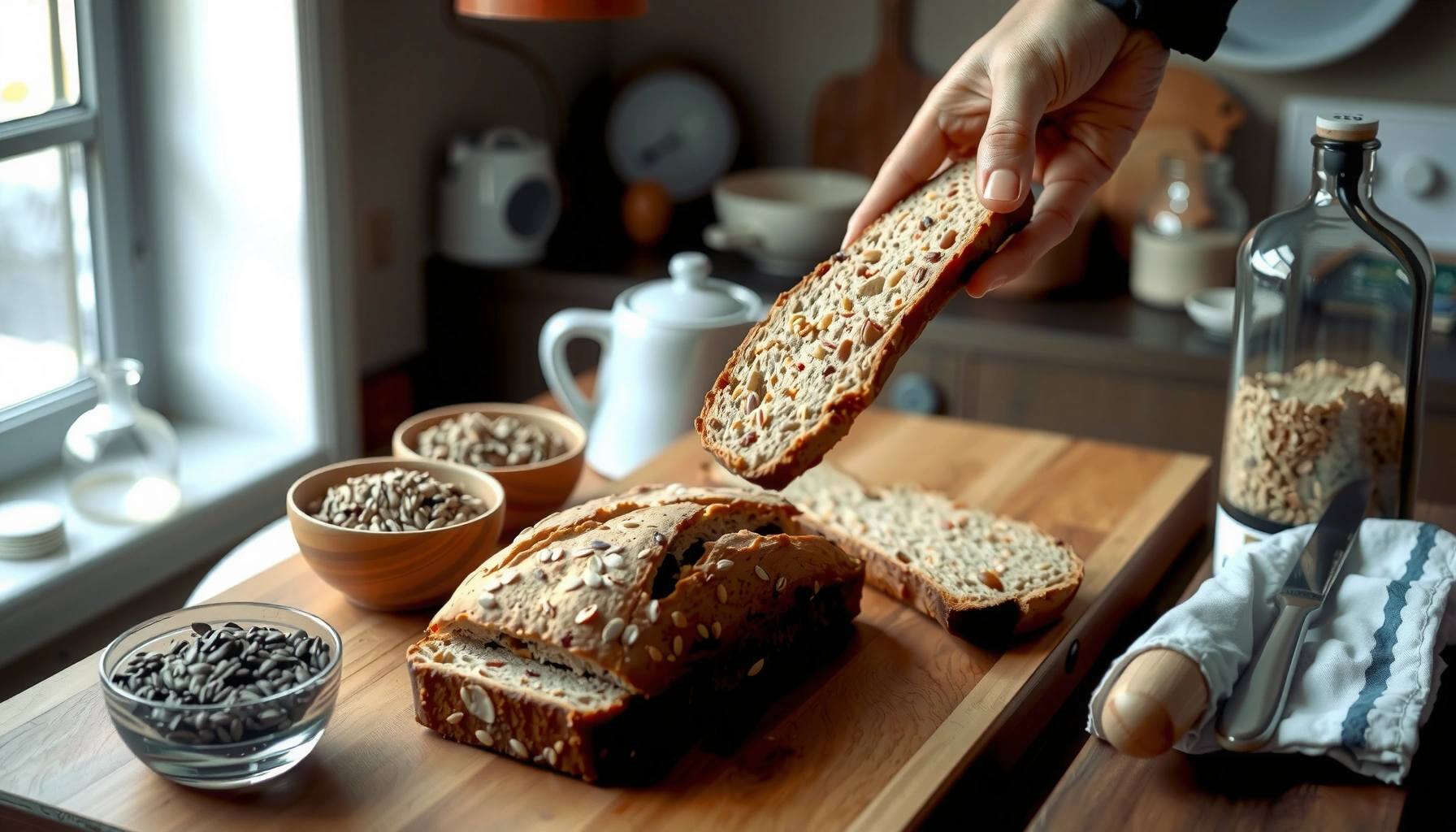
* Thin Crust or Whole Wheat: If strict low-carb alternatives are not preferred or accessible, opting for a very thin crust can reduce the overall carbohydrate load simply by decreasing the quantity of dough consumed per slice. While still made from refined flour, the reduction in volume is beneficial. A whole wheat thin crust offers an additional advantage due to its higher fiber content. Fiber slows down the digestion and absorption of carbohydrates, leading to a more gradual rise in blood sugar compared to white flour. However, it’s essential to remember that whole wheat crusts are still carbohydrate-dense, and portion control remains crucial. They are not a “free pass” but rather a better alternative to thick, refined white flour crusts.
* Homemade Alternatives: For ultimate control over ingredients and carbohydrate content, crafting your own crust offers the most flexibility.
* Almond Flour Crust: Almond flour, made from blanched, ground almonds, is a popular choice for gluten-free and keto diets. It’s low in carbs, high in protein and healthy fats, and creates a tender, slightly nutty crust. Recipes often combine almond flour with eggs, cheese (like mozzarella), and seasonings to form a pliable dough.
* Coconut Flour Crust: Coconut flour is another excellent low-carb option, exceptionally high in fiber. It’s highly absorbent, so recipes using coconut flour require less flour and more liquid than those using almond flour. It yields a denser crust with a subtle coconut flavor that generally disappears once toppings are added.
* Pure Egg and Cheese Base (Fathead Dough): This innovative approach uses melted mozzarella cheese, cream cheese, an egg, and a bit of almond flour to create a remarkably versatile and carb-minimal dough. It bakes into a chewy, satisfying crust that holds up well to toppings and offers an excellent texture for pizza. These homemade options empower individuals to tailor their pizza precisely to their dietary needs, avoiding hidden sugars, excessive starches, and other unwanted additives.
Smart Sauce and Cheese Choices
The toppings on a pizza, particularly the sauce and cheese, contribute significantly to its flavor profile and can also impact blood sugar and overall nutritional value. Mindful selections here are key to creating a truly diabetic-friendly meal.
* Sugar-Free Tomato Sauce: Traditional pizza sauces can surprisingly be laden with added sugars, often listed as high-fructose corn syrup, cane sugar, or other sweeteners. These sugars contribute to the overall carbohydrate count and can cause unexpected blood sugar spikes. When purchasing pre-made sauces, it is critical to scrutinize the nutrition label and ingredient list, looking for brands explicitly labeled “no sugar added” or those with very low carbohydrate counts per serving. A simpler, healthier alternative is to make your own sauce from scratch. Crushed tomatoes (ensure they are 100% tomatoes with no added salt or sugar) can be simmered with garlic, onions, basil, oregano, and a touch of olive oil to create a flavorful, naturally low-sugar base. This approach ensures you control every ingredient, eliminating hidden sugars and unhealthy additives.
* Pesto or Olive Oil Base: For those seeking an alternative to tomato-based sauces, pesto can be a delicious choice. Authentic pesto, made from fresh basil, pine nuts, garlic, Parmesan cheese, and olive oil, is naturally low in carbohydrates. However, it is calorie-dense due to the nuts and olive oil, so use it sparingly to manage overall caloric intake. Always check store-bought pesto labels for hidden sugars or cheaper oils. An olive oil base, infused with garlic, herbs, or red pepper flakes, can also provide a wonderful aromatic foundation for your pizza. Extra virgin olive oil offers healthy monounsaturated fats, but again, moderation is key due to its caloric density. These bases can offer a gourmet touch while keeping the carb count low.
* Reduced-Fat or Plant-Based Cheese: Cheese is a staple on most pizzas, providing flavor, texture, and protein. While full-fat cheese is relatively low in carbohydrates, it is high in saturated fat and calories. For individuals managing weight or cardiovascular health alongside diabetes, opting for reduced-fat mozzarella can be a beneficial adjustment. These options typically have slightly fewer calories and saturated fat without compromising too much on taste or meltability. Alternatively, for those with dairy sensitivities or who follow a vegan diet, plant-based cheeses (often made from almond, cashew, or soy) are increasingly available. When choosing plant-based options, it’s important to check their nutritional profiles, as some may contain starches, sugars, or unhealthy oils to achieve desired textures and flavors. A mindful approach is to use any cheese, whether full-fat, reduced-fat, or plant-based, in moderation. A thinner layer of cheese can provide ample flavor without contributing excessively to fat and calorie counts.
Protein-Packed Toppings for Satiety
Incorporating ample lean protein into your pizza not only enhances flavor but also plays a crucial role in blood sugar management and satiety. Protein helps to slow down the absorption of carbohydrates, preventing rapid blood sugar spikes, and contributes significantly to feeling full and satisfied, which can prevent overeating.
* Lean Meats: Prioritize lean protein sources to minimize saturated fat intake.
* Chicken Breast: Grilled or shredded chicken breast is an incredibly versatile and lean protein topping. It’s low in fat and adds a substantial, satisfying texture.
* Turkey Sausage: Choose lean turkey sausage varieties, but be diligent in checking labels for added sugars or excessive sodium. Many brands offer healthier, lower-fat versions that are still packed with flavor.
* Lean Ground Beef: If you enjoy beef, opt for extra-lean ground beef that has been cooked and drained of excess fat before adding it to your pizza.
* Canadian Bacon: This is a much leaner alternative to traditional bacon or pepperoni, offering a savory flavor with less fat and fewer calories. Avoid highly processed meats often found on conventional pizzas, as they tend to be high in sodium, unhealthy fats, and sometimes even hidden sugars.
* Fish & Seafood: These toppings offer unique flavors and healthy fats, alongside being naturally carb-free.
* Shrimp: Cooked shrimp adds a delightful sweetness and succulent texture, is quick to prepare, and is very low in calories while being high in protein.
* Salmon: Flaked cooked salmon can provide a rich source of omega-3 fatty acids, which are beneficial for heart health, adding a gourmet touch to your pizza.
* Anchovies: For those who appreciate bold, umami flavors, anchovies are a powerhouse of protein and minerals. Their intense saltiness means a little goes a long way.
* Eggs: Don’t underestimate the versatility of eggs as a pizza topping. Cooked eggs, whether scrambled and crumbled, thinly sliced hard-boiled, or even cracked directly onto the pizza during the last few minutes of baking, can provide a complete protein source. They are budget-friendly and offer a unique texture and flavor profile, making for a truly customized and protein-rich meal.
Load Up on Fiber-Rich Vegetables
Vegetables are a diabetic’s best friend on a pizza. They contribute essential vitamins, minerals, and antioxidants, but most importantly, they add significant fiber and volume without substantially increasing carbohydrate counts. Fiber is crucial for blood sugar management as it slows digestion, helps regulate glucose absorption, and promotes satiety.
* Non-Starchy Vegetables: These should form the bulk of your pizza toppings. They are low in calories and carbohydrates while being packed with nutrients.
* Bell Peppers: Red, yellow, and green bell peppers add vibrant color, a pleasant crunch, and a wealth of Vitamin C and antioxidants.
* Onions: Sliced red or white onions offer a pungent, savory flavor and contain prebiotics that benefit gut health.
* Mushrooms: Various mushrooms (button, cremini, shiitake) contribute an earthy, umami flavor with very few calories or carbs.
* Spinach: Fresh spinach wilts beautifully on a pizza, adding iron and vitamins without much bulk.
* Broccoli: Small florets of broccoli add a cruciferous crunch and a good dose of fiber and Vitamin K.
* Artichoke Hearts: Canned or jarred (ensure packed in water, not oil, and rinse well) artichoke hearts offer a distinct tangy flavor and are rich in fiber.
* Olives: Black or green olives add healthy monounsaturated fats and a briny flavor, but use in moderation due to their sodium content.
* Zucchini and Eggplant: Thinly sliced zucchini or eggplant can also be delicious, adding moisture and a tender texture.
* Fresh Herbs: Beyond flavor, fresh herbs like basil, oregano, and parsley offer numerous health benefits, including anti-inflammatory and antioxidant properties, without contributing any carbs or calories. Sprinkle them generously after baking for maximum freshness.
* Avoid Starchy Vegetables: While many vegetables are beneficial, it’s wise to limit or entirely avoid starchy options on a diabetic-friendly pizza. Corn and potatoes, for instance, are relatively high in carbohydrates and can negate the benefits of a low-carb crust and other mindful choices. These vegetables can significantly impact blood sugar levels and are best saved for other meals where their carbohydrate content can be more carefully calculated and managed. Focus on the wide array of non-starchy options to maximize nutritional density and minimize glycemic impact.
Portion Control and Meal Timing
Even with the most meticulously crafted diabetic-friendly pizza, portion control and mindful meal timing remain fundamental pillars of blood sugar management. No food, however healthy its components, is truly “unlimited” for someone managing diabetes.
* Mindful Portions: The “best” pizza for a diabetic is one eaten in moderation. While a cauliflower crust pizza with lean protein and abundant vegetables is a far healthier option than a traditional one, consuming excessive amounts can still lead to elevated blood sugar. Aim for 1-2 slices, depending on the size of the slice and the overall carbohydrate density of your chosen crust and toppings. Before eating, take a moment to assess the plate and decide on a reasonable portion. Eating slowly and savoring each bite can also enhance satiety and help prevent overeating. Understanding your individual carbohydrate tolerance is key, and portioning accordingly is paramount to successful blood sugar regulation.
* Pair with a Salad: Augmenting your pizza meal with a large side salad composed of non-starchy vegetables (like leafy greens, cucumbers, and tomatoes) can be highly beneficial. The fiber from the salad will further slow down the absorption of carbohydrates from the pizza, contributing to more stable blood sugar levels. Moreover, the volume and nutrients from the salad can significantly increase satiety, helping you feel full and satisfied on fewer pizza slices, thereby reducing the temptation to overeat the pizza itself. Dress your salad with a light vinaigrette made from olive oil and vinegar, avoiding creamy dressings that may contain hidden sugars or excessive unhealthy fats.
* Monitor Blood Sugar: The most effective way to understand how your personalized pizza choices impact your body is through consistent blood sugar monitoring. Check your blood sugar levels before eating the pizza and again 1-2 hours after the meal. This practice provides invaluable real-time feedback on how different crust types, topping combinations, and portion sizes affect your unique glycemic response. Keeping a food diary alongside your blood sugar readings can help you identify patterns, pinpoint which ingredients might be problematic, and refine your pizza-making strategy over time. This data empowers you to make increasingly informed choices, ensuring your delicious, diabetic-friendly pizza genuinely supports your health goals.
Enjoying pizza as a diabetic is absolutely possible with thoughtful planning and smart substitutions. By focusing on a low-carb crust, lean proteins, plenty of fiber-rich vegetables, and mindful sauce and cheese choices, you can create a delicious and satisfying meal that supports your health goals. Remember that mindful portion control and consistent blood sugar monitoring are essential tools in understanding your body’s response. Always consult with your doctor or a registered dietitian for personalized dietary advice tailored to your specific needs and health circumstances, as individual responses to foods can vary significantly.
Frequently Asked Questions
What is the best type of pizza crust for diabetics?
The best pizza crust for diabetics is typically one that is lower in refined carbohydrates and higher in fiber. Options like a thin-crust whole wheat pizza or a cauliflower crust are excellent choices because they can help manage blood sugar levels more effectively than traditional thick, white flour crusts. These alternatives provide more nutrients and fiber, which slows down glucose absorption and promotes better glycemic control.
Which pizza toppings are safest and healthiest for someone with diabetes?
For diabetics, the healthiest pizza toppings focus on lean proteins and abundant non-starchy vegetables. Opt for grilled chicken, turkey, or fish, and load up on spinach, mushrooms, bell peppers, onions, and broccoli to add fiber and essential nutrients without excessive carbs. Limiting processed meats like pepperoni and high-fat cheeses can further improve the nutritional profile and reduce saturated fat intake, benefiting heart health.
How can I enjoy pizza at a restaurant without spiking my blood sugar?
To enjoy pizza at a restaurant responsibly, always opt for a thin-crust, veggie-loaded pizza and practice strict portion control. Request extra non-starchy vegetables and lean protein toppings, and consider starting with a side salad to add more fiber before your meal. Eating slowly and limiting yourself to one or two slices can significantly help manage post-meal blood sugar spikes and prevent overeating.
Why should diabetics be cautious when choosing pizza, and what common pitfalls should they avoid?
Diabetics should be cautious with pizza due to its potential for high refined carbohydrates, saturated fats, and sodium, all of which can negatively impact blood sugar and heart health. Common pitfalls include choosing thick, white flour crusts, overloading on sugary sauces, excessive amounts of high-fat cheeses, and processed meat toppings like sausage or pepperoni. These choices contribute to rapid blood sugar spikes, increased caloric intake, and poor cardiovascular outcomes.
Can I make a healthy, diabetic-friendly pizza at home, and what are some key ingredients?
Yes, making a healthy, diabetic-friendly pizza at home is highly recommended as it allows full control over ingredients and nutrition. Key ingredients include a whole-wheat or cauliflower crust, a light layer of low-sugar tomato sauce, and plenty of fresh, colorful vegetables like spinach, mushrooms, and bell peppers. Adding lean protein such as grilled chicken or turkey, and a modest amount of part-skim mozzarella cheese, creates a delicious and blood sugar-conscious meal.
References
- https://diabetes.org/food-nutrition/recipes/healthier-pizza
- https://www.mayoclinic.org/healthy-lifestyle/nutrition-and-healthy-eating/in-depth/diabetes-diet/art-20046944
- https://www.health.harvard.edu/heart-health/healthy-pizza-can-it-be-done
- https://health.clevelandclinic.org/what-to-eat-when-you-have-diabetes
- Healthy Living with Diabetes – NIDDK
- https://www.uwhealth.org/healthfacts/nutrition/324.html
- https://www.ucsfhealth.org/conditions/type-2-diabetes/diet-and-nutrition