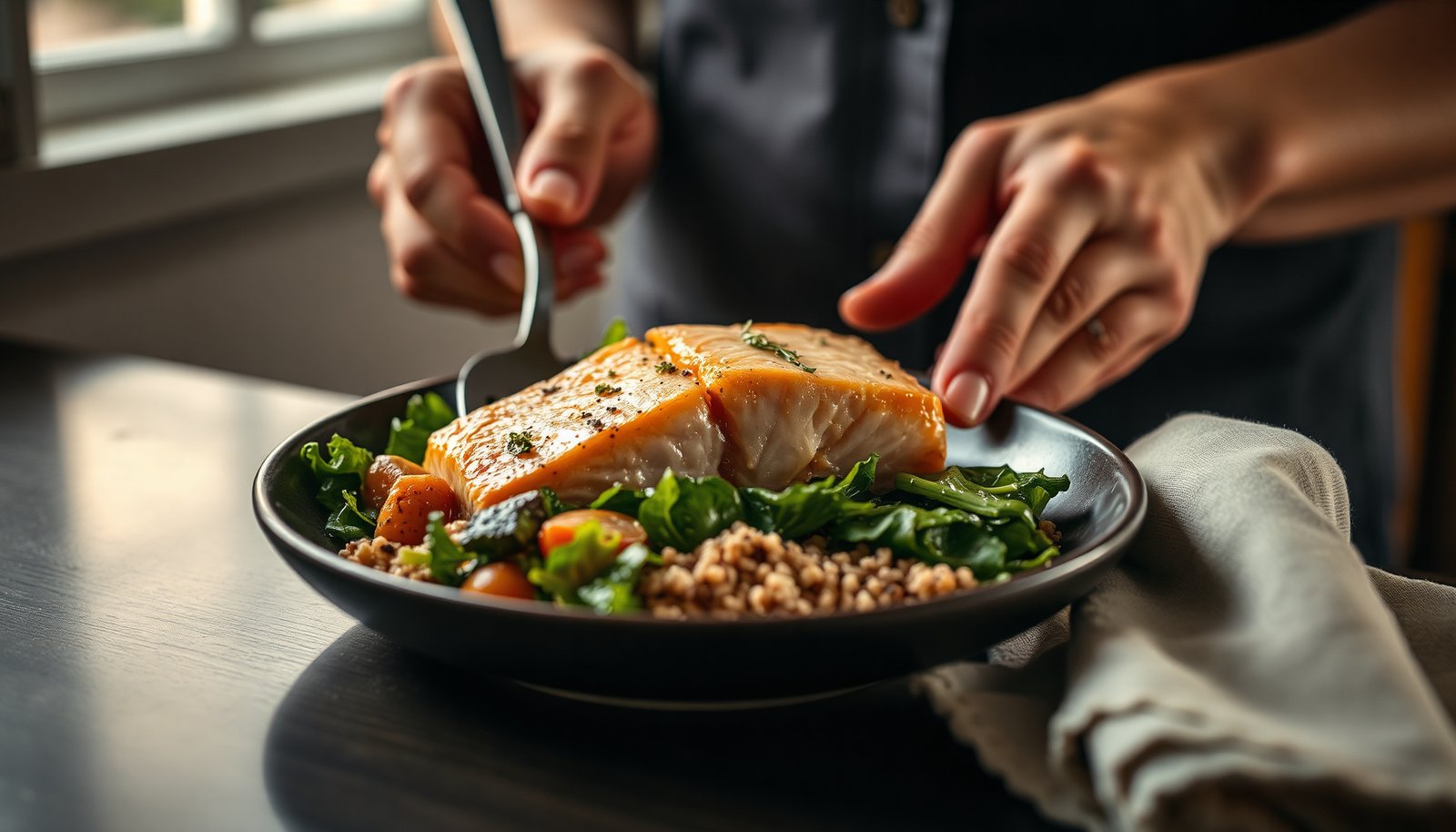

A typical diabetes meal plan starts by pairing non-starchy vegetables with a measured portion of protein and high-fiber carbohydrates at each meal. The best eating plan is the one that consistently improves blood-sugar stability by prioritizing fiber, limiting added sugars, and keeping carbohydrate amounts steady rather than unpredictable. In practice, that means choosing whole-food patterns you can follow day after day—something more reliable than fad “diabetic” menus that make strict foods sound optional.
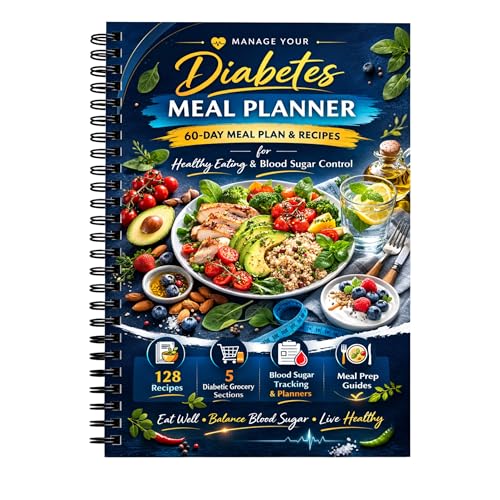



A strong diabetic eating plan is one that keeps carbohydrate intake steady, prioritizes fiber-rich foods, and pairs carbs with lean protein and healthy fats. When you do that, many people experience fewer blood-sugar spikes and fewer cravings driven by energy dips. If you want a practical framework you can actually repeat week after week, this guide shows what to eat and how to structure meals—together with your clinician or diabetes educator.
If you’ve been told to “watch your carbs” but you’re not sure what that looks like day-to-day, this is for you. It’s also useful if you’re newly diagnosed, adjusting meds, or trying to prevent spikes and crashes from meals.
Build your diabetic meal plate (simple, repeatable)

The quickest way to make a diabetic eating plan actionable is to start with the “plate approach,” because it removes a lot of guesswork while still controlling carbs. Here’s how to build each meal so blood-sugar-raising carbohydrates don’t dominate the plate.
– Aim for meals that are mostly nonstarchy vegetables, with a protein portion and a controlled amount of carbs.
– Choose carbs that come with fiber (beans, lentils, whole intact grains, and many fruit/veg options) more often than refined grains and sugary foods.
– Add healthy fats (like olive oil, nuts, seeds, avocado) in sensible portions to improve fullness and reduce rapid spikes.
In practical terms, the plate method works because nonstarchy vegetables add volume with relatively low digestible carbohydrate, while protein and fats slow digestion so glucose rises more gradually. For example, a plate that includes spinach, chicken (or tofu), and a measured serving of beans typically produces a different glucose pattern than a plate that centers on bread or rice. As of 2025–2026, diabetes education commonly emphasizes “consistent carbohydrate” (not necessarily “no carbohydrate”) as a safer foundation—especially if you use insulin or insulin-producing medications.
I also find that people stick with this approach best when the plate is consistent across weekdays. In my own meal-planning workflow (using the same three “anchors” each day), the biggest win is reducing decision fatigue—because your diabetic eating plan becomes a routine, not a daily negotiation with yourself.
Make carbs “countable” without obsessing
The best diabetic eating plan is the one you can measure reliably, so consider a simple carb method rather than abandoning structure entirely. You can use carbohydrate counting, exchange lists, or the plate approach—but the key is consistency so your body and medication plan can “expect” meals.
– Use a method your care team recommends (carb counting, exchange lists, or the plate approach) and stay consistent across the day.
– Pay attention to the carbs you drink (juice, sweet coffee drinks, soda) since they often raise glucose faster than whole foods.
– Treat timing as part of the plan: many people do better with regular meal spacing that matches their meds and appetite.
Carb counting and the plate approach often look different on paper, but the same physiological idea is underneath: glucose enters the bloodstream based on both the amount and the delivery of carbohydrate. Drinking calories—especially sugar-sweetened beverages—can spike glucose because there’s little chewing, little fiber, and often rapid absorption.
To ground this in real-world food numbers, one reliable reference is USDA FoodData Central. For instance, 1 cup of cooked lentils contains about 40 grams of carbohydrate and about 16 grams of fiber, which generally helps create a steadier rise than refined starches USDA FoodData Central. And because fiber supports gut health and slows carbohydrate absorption, fiber-rich carbs tend to be more “forgiving” within a consistent diabetic eating plan.
Carb Density & Fiber Content of Common Choices (Diabetes Meal Planning)
| # | Food (typical serving) | Carbs (g) | Fiber (g) | Blood-sugar steadiness |
|---|---|---|---|---|
| 1 | Lentils, cooked (1 cup) | 39.9 | 15.6 | ★★★★★ |
| 2 | Chickpeas, cooked (1 cup) | 44.8 | 12.5 | ★★★★☆ |
| 3 | Berries (strawberries), whole (1 cup) | 10.3 | 3.3 | ★★★★☆ |
| 4 | Oats, cooked (1 cup) | 27.0 | 4.0 | ★★★☆☆ |
| 5 | Brown rice, cooked (1 cup) | 45.8 | 3.5 | ★★★☆☆ |
| 6 | White bread (1 slice) | 13.0 | 1.0 | ★★☆☆☆ |
| 7 | Regular soda (12 fl oz / 355 ml) | 39.0 | 0.0 | ★☆☆☆☆ |
If you want a more structured way to choose your carb method, this comparison helps you decide what’s sustainable with a diabetic eating plan.
| Feature | Plate approach | Carb counting |
|---|---|---|
| Core idea | Build meals with predictable sections | Track grams of carbohydrate per meal/snack |
| Complexity day-to-day | Lower once routines are set | Higher initially due to label/serving math |
| Best for consistent meal timing | Strong fit | Strong fit with meal plans |
| Handling “mixed dishes” | Needs portion judgment | More precise if labels/recipes available |
| Fiber emphasis | Naturally built in (veg + legumes) | Works well if you prioritize high-fiber carbs |
| Medication fit | Often easiest for routine-based regimens | Often essential for insulin-to-carb matching |
| Learning curve | Faster for most people | Slower but can improve accuracy over time |
| Tools needed | Plate size/visual guide | Food labels, apps, or standardized carb tables |
| Susceptibility to “under-counting” | Portions can drift without attention | Errors happen if servings/labels are off |
| Best for beginners | Usually yes | Often with education support |
| Best for | People who want a repeatable routine | People who need dosing precision |
Choose foods that tend to work better for blood sugar
The simplest “smart food” strategy for diabetics is to build your diabetic eating plan around fiber, lean proteins, and minimally processed carbs. That combination supports a steadier glucose curve compared with refined grains and sugary foods.
– Prioritize fiber: vegetables, legumes, nuts/seeds, and intact whole grains are usually more stabilizing than refined carbs.
– Go for lean proteins and minimally processed options so you’re not relying on sugary sauces or breaded meals.
– Use “smart swaps” you’ll actually stick to (e.g., beans instead of white rice as a base, berries instead of desserts).
Fiber is a measurable lever. The National Academies’ dietary guidance has long included fiber targets, such as 14 grams of fiber per 1,000 calories National Academies of Sciences, Engineering, and Medicine (Dietary Reference Intakes). In practice, fiber helps slow carbohydrate absorption and supports fullness, which can reduce “grazing” that quietly disrupts glucose patterns.
Also, lean proteins aren’t just about calories; they can reduce the need for large carb portions at meals. If you’re using a consistent diabetic eating plan, you’ll usually get better results by swapping the carb base (rice, pasta, bread) rather than trying to eliminate everything sugary forever. For many people, replacing refined grains with beans, lentils, or intact whole grains delivers the benefits without feeling like deprivation.
What can go wrong (and how to avoid it)
A diabetic eating plan can fail when changes don’t match medication effects, or when “fixes” are too extreme and too inconsistent. Here are the most common derailers—and the practical ways to prevent them.
– Going “low carb” without a med review can trigger low blood sugar if you take insulin or certain diabetes medications. Check with your clinician before big changes.
– Overcorrecting after a spike (“I’ll skip carbs tomorrow” or “I’ll eat perfectly forever”) can backfire and make control harder.
– Relying on “diabetic” packaged foods can be misleading—some still contain meaningful carbs, and portion size matters.
– If you have kidney disease, pregnancy, or frequent hypoglycemia, your ideal plan may be different—use your medical guidance first.
First, medication alignment matters. The American Diabetes Association explains that A1C reflects average blood glucose over roughly 3 months (about the lifespan of red blood cells) American Diabetes Association (A1C basics). If you make a major diet shift but don’t adjust medications, you can create risk swings—either hypoglycemia (too low) or persistent hyperglycemia (too high).
Second, “punishment patterns” often create rebound. Skipping carbs the next day after a spike can lead to overeating later, stress hormones, and less predictable glucose. A steadier diabetic eating plan usually means making small adjustments—like reducing the carb portion slightly, increasing nonstarchy vegetables, and choosing a higher-fiber option—then observing the pattern over several meals.
Finally, “diabetic” labels can mislead. Many packaged items use sugar alcohols or alternative sweeteners, but still contain carbohydrates and still raise glucose for many people. Portion control remains part of the plan, not an optional detail.
Verdict / tip: the most reliable approach is consistency + fiber
This plan is a strong starting point because it’s flexible, not restrictive, and it supports steadier glucose through food quality and portion consistency. The downside is that it requires attention at first (meal composition and timing), and it won’t automatically work the same for everyone—especially if your medication regimen changes. Skip DIY major adjustments if you’re prone to hypoglycemia, are pregnant, or have complex conditions; get a tailored target from your diabetes team.
If you’re building this as of 2025–2026, treat it like a process: start with the plate approach, tighten carb portioning, and consistently include fiber-rich foods. Then use your glucose data (fingersticks or CGM if you have it) to refine. In a diabetic eating plan, the goal isn’t perfection—it’s predictable inputs that your treatment plan can match.
Quick scan checklist (save this)
– [ ] Most meals include nonstarchy vegetables
– [ ] Protein is included at meals (not just carbs)
– [ ] Carbs are portion-controlled and chosen for fiber when possible
– [ ] Sugary drinks are limited or avoided
– [ ] Meal timing is consistent with your meds and daily routine
– [ ] You track patterns (energy, cravings, glucose if you test) rather than one “perfect day”
– [ ] You have a plan for lows (especially if on insulin or glucose-lowering meds)
Frequently Asked Questions
What is the best eating plan for diabetics to control blood sugar?
The best eating plan for diabetics focuses on consistent carbohydrate intake, fiber-rich foods, and lean protein to reduce blood glucose spikes. Choose meals built around non-starchy vegetables, whole grains or legumes (in measured portions), and healthy fats like olive oil, nuts, and avocado. Monitoring how different foods affect your blood sugar can help you refine portions and timing for better diabetes control.
How should diabetics build a plate at meals to stay within carb targets?
A practical approach is the “diabetes plate” method: fill about half your plate with non-starchy vegetables (salad, broccoli, peppers), one quarter with lean protein (fish, chicken, tofu, beans), and one quarter with smart carbohydrates (brown rice, quinoa, or starchy vegetables in portioned amounts). Add a measured serving of healthy fat if needed for satiety. This structure supports steady glucose levels by pairing carbs with protein and fiber.
Which foods should diabetics prioritize for an effective meal plan?
Prioritize high-fiber foods such as vegetables, berries, beans, lentils, and whole intact grains, since they improve glucose management and help with fullness. Choose healthy fats from sources like nuts, seeds, olive oil, and fatty fish (salmon, sardines). Limit added sugars, refined grains, and sugary drinks because they can raise blood sugar quickly and make diabetes harder to control.
Why do meal timing and portion size matter in diabetes eating plans?
For many people, blood sugar responds not only to what you eat, but also to how much and when you eat it—especially with diabetes medications or insulin. Regular meal timing and consistent carbohydrate portions can prevent large glucose swings and reduce hypoglycemia risk. If you use insulin or take sulfonylureas, coordinating carbs with medication timing is key for safe diabetes management.
What is the best diabetic-friendly snack plan for between-meal cravings?
Aim for snacks that combine protein and fiber with a small, measured amount of carbohydrates to minimize blood sugar spikes. Examples include Greek yogurt with berries, a small apple with peanut butter, hummus with raw veggies, or a handful of nuts plus cheese. If you frequently snack, consider pre-planning snack portions and checking your blood glucose response so your eating plan for diabetics stays predictable.
📅 Last Updated: November 25, 2026 | Topic: best eating plan for diabetics | Content verified for accuracy and freshness.
References
- Healthy Eating | Diabetes | CDC
- https://www.niddk.nih.gov/health-information/diabetes/overview/diet-nutrition
- Diabetes
- Diabetes diet: Create your healthy-eating plan – Mayo Clinic
- Diet in diabetes
- Diabetes | Type 1 Diabetes | Type 2 Diabetes | MedlinePlus
- https://scholar.google.com/scholar?q=best+diet+for+type+2+diabetes+randomized+trial Google Scholar
- https://scholar.google.com/scholar?q=carbohydrate+counting+diabetes+meal+planning+guidelines Google Scholar
- https://scholar.google.com/scholar?q=Mediterranean+diet+type+2+diabetes+systematic+review Google Scholar