
For individuals managing diabetes, there isn’t one universal “best” sweetener, as the ideal choice often depends on individual health goals, taste preferences, and how different options affect blood glucose levels. However, non-nutritive sweeteners and certain sugar alcohols are generally considered superior to regular sugar due to their minimal impact on blood glucose. Popular and often recommended options include stevia, monk fruit extract, and erythritol, which this guide will explore in detail to help you make informed choices and navigate the world of sweeteners with confidence.
Understanding Sweetener Categories for Diabetics
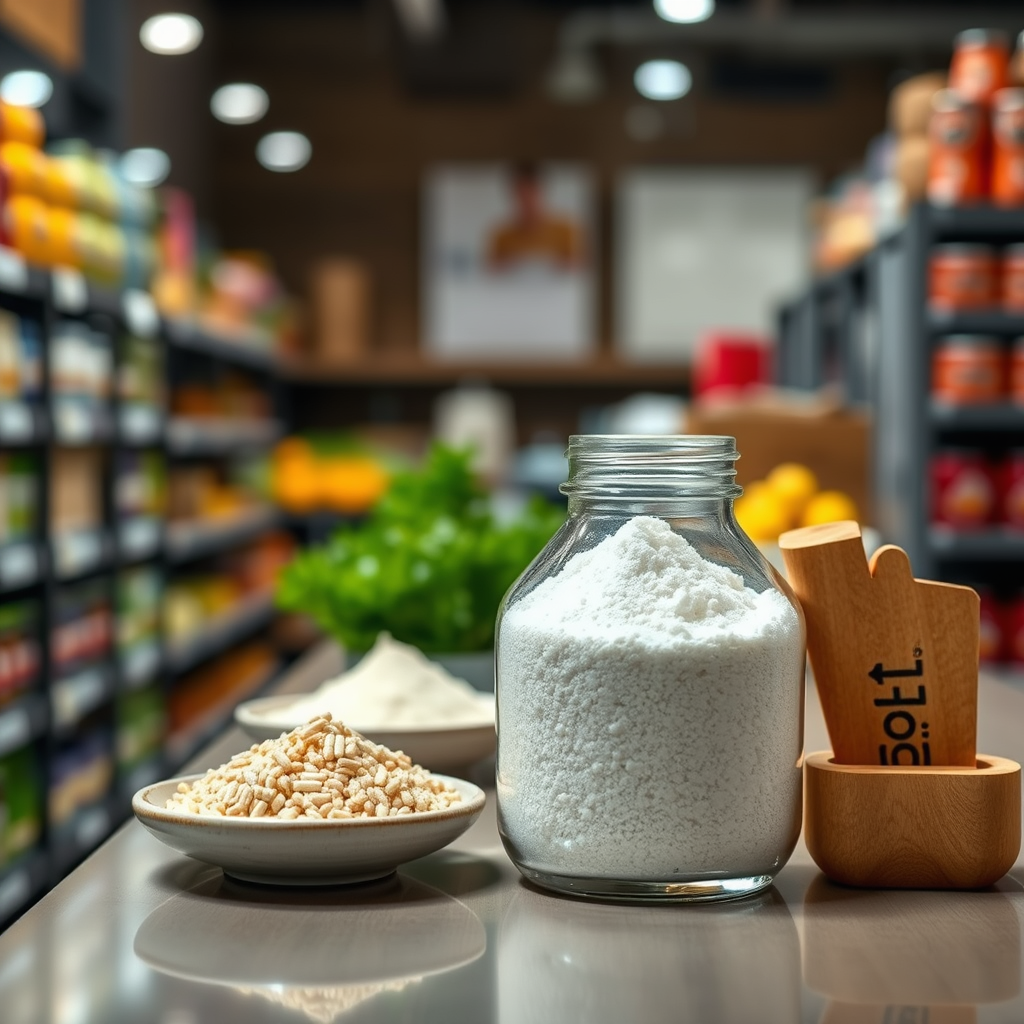
Navigating the vast array of sweeteners can feel a bit like decoding a secret language, especially when you’re focused on managing blood sugar. To make informed decisions, it’s helpful to understand the basic categories of sweeteners and how each impacts your body. Let’s break them down so you can easily spot what’s what on an ingredient label.
* Nutritive Sweeteners: These are the traditional sugars we often think of, and they do exactly what their name implies – they provide nutrition in the form of calories and carbohydrates. This means they will directly affect your blood sugar levels. Examples include common table sugar (sucrose), the fructose found in fruit, glucose, honey, maple syrup, brown sugar, and agave nectar. For individuals with diabetes, these are generally limited or avoided entirely because of their significant impact on blood glucose. While they offer sweetness and energy, they can make blood sugar management challenging and contribute to unwanted spikes.
* Non-Nutritive Sweeteners (NNS): Often referred to as “sugar substitutes” or “artificial sweeteners,” these powerhouses offer intense sweetness with virtually no calories or carbohydrates. Because they provide negligible energy and aren’t metabolized in a way that raises blood glucose, they have minimal to no impact on blood sugar levels. This makes them a fantastic option for diabetics looking to enjoy sweet tastes without the blood sugar rollercoaster. They are incredibly potent, meaning only tiny amounts are needed to achieve desired sweetness, making them a popular choice in diet drinks, sugar-free products, and for personal use.
* Sugar Alcohols: Don’t let the “alcohol” in their name fool you – these aren’t intoxicating! Sugar alcohols are carbohydrates found naturally in some fruits and vegetables, and they are also manufactured. They offer sweetness, but with fewer calories and carbohydrates than regular sugar. While they do contain calories (typically about half that of sugar) and can slightly affect blood sugar, their impact is much less significant than nutritive sweeteners. Common examples include xylitol, sorbitol, and maltitol. However, a word of caution: consuming them in larger amounts can sometimes lead to digestive issues like bloating, gas, and even diarrhea because they are not fully absorbed by the body.
Top Non-Nutritive Sweeteners (NNS) Explained
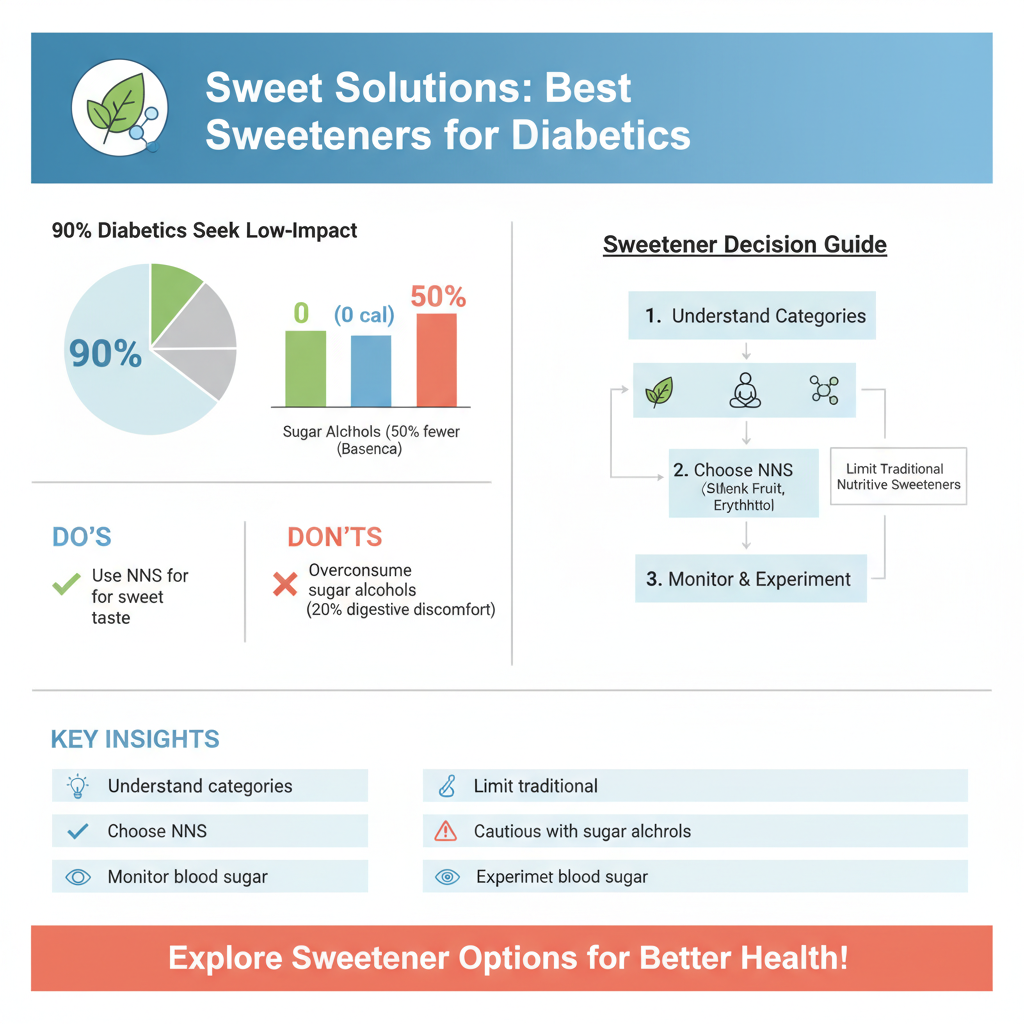

When it comes to enjoying a sweet taste without the worry of blood sugar spikes, non-nutritive sweeteners are often the stars of the show for those managing diabetes. Among these, a few natural options truly stand out for their excellent profiles.
* Stevia: Imagine a sweetener derived from a humble plant, offering intense sweetness without a single calorie or carbohydrate – that’s stevia! Originating from the leaves of the *Stevia rebaudiana* plant, native to South America, stevia has been used for centuries. Its sweet compounds, called steviol glycosides, are many times sweeter than sugar. Stevia has a clean, natural taste for many, though some individuals might detect a slight licorice-like aftertaste. It’s incredibly versatile and available in various forms: liquid drops perfect for beverages, powdered extracts for baking, and granulated blends that often contain a bulking agent like erythritol to make it measure more like sugar. It has virtually no impact on blood sugar, making it a beloved choice for diabetic-friendly recipes and everyday use.
* Monk Fruit Extract: Hailing from Southeast Asia, monk fruit (or *Siraitia grosvenorii*) is a small, green melon whose extract is another fantastic natural, zero-calorie sweetener. The sweetness comes from compounds called mogrosides, which are powerful antioxidants and give monk fruit its intense sweet flavor without affecting glucose levels. Many people find monk fruit to have a very clean, neutral taste profile, even less likely to have an aftertaste than stevia, which makes it a popular choice for those sensitive to other sweeteners. Like stevia, it’s available in various forms and is a superb option for adding sweetness to drinks, desserts, and cooking without worrying about carbohydrates or calories.
* Erythritol: While technically a sugar alcohol, erythritol is unique enough to often be grouped with non-nutritive sweeteners due to its minimal impact. What makes it special? It’s almost calorie-free (about 0.24 calories per gram compared to sugar’s 4 calories per gram) and, crucially, it’s generally very well-tolerated digestively. This is because most of the erythritol you consume is absorbed into the bloodstream before being excreted unchanged in the urine, rather than fermenting in the colon like other sugar alcohols. This means fewer chances of bloating or gas! Erythritol has about 70% of the sweetness of sugar and offers a clean, mild taste with a slight cooling sensation. It’s fantastic for baking because it caramelizes nicely and provides bulk, mimicking sugar’s texture in recipes without the glycemic load.
Artificial Sweeteners: What to Know
Artificial sweeteners, a subset of non-nutritive sweeteners, have been around for a while and are widely used. They offer powerful sweetness without the calories, making them attractive for managing weight and blood sugar. However, they also come with a fair bit of discussion and debate.
* Common Types: When we talk about artificial sweeteners, a few names usually come to mind. Aspartame is one of the oldest and most studied, found in many “diet” sodas and sugar-free products. Sucralose, widely known by its brand name Splenda, is derived from sugar through a chemical process that makes it calorie-free. Saccharin, an even older sweetener, is sometimes found in “sugar-free” soft drinks and tabletop packets. These are all intensely sweet synthetic compounds with virtually no calories, offering a way to enjoy sweetness without the glycemic impact.
* Safety and Research: The safety of artificial sweeteners has been a hot topic for decades. Regulatory bodies around the world, such as the U.S. Food and Drug Administration (FDA) and the European Food Safety Authority (EFSA), have approved these sweeteners for consumption after extensive research. They are considered safe for the general population within acceptable daily intake (ADI) levels. However, ongoing scientific debate and new research continue to explore potential long-term effects on gut microbiome, metabolism, and appetite. It’s a complex area, and while regulatory bodies stand by their safety, individual sensitivities and evolving science mean it’s worth staying informed.
* Moderation is Key: Given the ongoing discussions and the fact that everyone’s body is unique, moderation is truly key with artificial sweeteners. While generally safe within approved limits, some individuals may choose to limit their consumption or pay close attention to how their body responds. For example, some people report digestive discomfort or headaches from certain artificial sweeteners. Listening to your body and consulting with your healthcare provider can help you determine what works best for you and your personal health goals.
Sugar Alcohols: Use with Caution
Sugar alcohols can be a helpful tool for reducing sugar intake, but they require a bit more attention and caution, especially for those with diabetes. They offer fewer calories and a lower glycemic impact than regular sugar, but they’re not entirely calorie-free or without potential side effects.
* Examples: You’ll frequently encounter sugar alcohols in various “sugar-free” or “no sugar added” products. Xylitol is very popular, known for its dental benefits (it can help reduce cavity-causing bacteria) and often found in sugar-free gum, mints, and some toothpastes. Just be aware that xylitol is highly toxic to dogs, so keep it away from pets! Sorbitol is another common one, used in sugar-free candies, cough syrups, and chewing gum. Maltitol is particularly sweet and is frequently found in “sugar-free” chocolates and baked goods, as it mimics sugar’s texture and taste very well. Other examples include mannitol and lactitol.
* Potential Glycemic Impact: While all sugar alcohols generally have a lower glycemic index than regular sugar, their impact isn’t zero, and it varies. Maltitol, for instance, has a higher glycemic index compared to erythritol or xylitol, meaning it can still slightly raise blood sugar levels, sometimes more significantly than other sugar alcohols. This is crucial for diabetics to remember: “sugar-free” doesn’t always mean “carb-free” or “blood sugar-impact-free.” Always check the nutrition label for total carbohydrates and factor in sugar alcohol content, especially if you’re sensitive.
* Digestive Side Effects: This is perhaps the most common caveat with sugar alcohols. Because they are only partially absorbed in the small intestine, the unabsorbed portion travels to the large intestine, where gut bacteria can ferment them. This fermentation process can lead to uncomfortable digestive side effects, including bloating, gas, and diarrhea, especially when consumed in larger quantities. Individuals vary widely in their tolerance, so it’s wise to start with small amounts and observe your body’s reaction. If you find yourself reaching for several “sugar-free” cookies, be mindful that the cumulative effect of the sugar alcohols could lead to an upset stomach.
Natural Sweeteners to Limit or Avoid
The word “natural” often carries a healthy halo, leading many to believe that natural sweeteners are automatically a better choice, especially for managing diabetes. However, when it comes to blood sugar management, “natural” doesn’t necessarily equate to “diabetic-friendly.” In fact, many popular natural sweeteners are essentially just sugar in a different form and should be limited or avoided.
* Honey, Maple Syrup, Agave Nectar: These are often lauded for being “natural” and containing beneficial nutrients or antioxidants. While they do offer some micronutrients, their primary component is sugar. Honey is a mix of fructose and glucose, maple syrup is mostly sucrose, and agave nectar is notably high in fructose. All of these significantly impact blood glucose levels, much like table sugar does, and sometimes even more so due to their concentrated sugar content. For individuals with diabetes, regularly consuming these can lead to blood sugar spikes and make glycemic control challenging, making them unsuitable for consistent use.
* Coconut Sugar & Date Sugar: These sweeteners have gained popularity as “healthier” alternatives to white sugar. Coconut sugar is derived from the sap of coconut palm trees, and date sugar is made from dried, ground dates. While they might retain slightly more nutrients than highly refined white sugar and have a slightly lower glycemic index than table sugar, they still contain significant amounts of sugar (mostly sucrose) and calories. They offer no major advantage over table sugar for managing diabetes effectively and will still raise blood glucose levels considerably. Don’t be fooled by their exotic names; chemically and calorically, they behave very similarly to other nutritive sugars.
* Focus on Alternatives: The key takeaway here is to emphasize that for effective diabetes management, prioritizing taste and health means looking beyond the “natural” label. While a tiny amount of these sweeteners might be okay on rare occasions for some, the everyday focus should be on non-nutritive options like stevia, monk fruit, and erythritol. These provide the desired sweetness without the unwanted blood sugar impact, truly supporting your health goals.
Making Your Best Choice: Key Considerations
Choosing the best sweetener when you have diabetes isn’t just about picking one from a list; it’s a personalized journey that involves understanding your body, reading labels, and making informed decisions. Here are some key considerations to guide you toward your best choices.
* Individual Blood Sugar Response: This is arguably the most critical factor. What works well for one person with diabetes might have a different effect on another. The best way to understand your personal response is to monitor your glucose levels diligently. When you introduce a new sweetener or a product containing one, check your blood sugar before consumption and again about one to two hours afterward. Keep a log. This practice will reveal how different options truly affect *your* body, empowering you to make choices based on real data, not just general recommendations.
* Taste and Preference: Let’s be honest: if you don’t enjoy the taste of a sweetener, you won’t stick with it. The “best” sweetener is often one that you find palatable and that satisfies your craving for sweetness without any unpleasant aftertastes. Experiment with different non-nutritive sweeteners like stevia, monk fruit, and erythritol, and even blends of these. You might find that you prefer one for your coffee and another for baking. Finding a sweetener you genuinely like is crucial for long-term adherence to your dietary goals without feeling deprived.
* Check Ingredient Labels: This can’t be stressed enough! Food manufacturers are clever, and “sugar-free” doesn’t always mean what you think. Many products use combination sweeteners to achieve a balanced taste, or they might hide sugars under different names. Always read the full ingredient list to identify all sweeteners present, especially if you’re trying to pinpoint what might be causing a particular blood sugar response or digestive issue. Also, look for hidden nutritive sugars that might appear elsewhere in the ingredient list, even in “diet” or “sugar-free” items.
* Consult Your Healthcare Provider: While this guide provides valuable information, it’s never a substitute for personalized medical advice. Always discuss your sweetener choices with your doctor, endocrinologist, or a registered dietitian. They can offer tailored guidance based on your specific health status, medications, and individual dietary needs. They can help you understand how sweeteners fit into your overall diabetes management plan and address any concerns you might have. Their expertise is invaluable in helping you make the safest and most effective choices for your well-being.
Ultimately, there isn’t a single “best” sweetener for everyone with diabetes, but non-nutritive options like stevia, monk fruit, and erythritol are generally excellent choices for minimizing blood sugar impact. Focus on understanding individual responses, reading labels diligently, and integrating sweeteners in moderation as part of a balanced diet. We encourage you to consult with your healthcare professional to tailor a plan that best fits your dietary needs and health management goals, ensuring you can enjoy a touch of sweetness safely and effectively.
Frequently Asked Questions
What is the best overall sweetener option for people with diabetes?
There isn’t a single “best” sweetener for all people with diabetes, as individual responses and preferences vary. However, non-nutritive sweeteners like stevia, monk fruit extract, and erythritol are often recommended due to their minimal impact on blood glucose levels. These sugar substitutes offer sweetness without the added calories or carbohydrates that can affect blood sugar management, making them excellent choices for controlling diabetes. Always prioritize options that are zero-calorie or very low in carbohydrates to help maintain healthy blood sugar.
Which types of artificial sweeteners are generally considered safe for diabetics, and how do they work?
Artificial sweeteners such as sucralose (Splenda), aspartame (NutraSweet, Equal), acesulfame potassium (Ace-K), and saccharin are generally considered safe for diabetics when consumed in moderation and within acceptable daily intake levels. These sweeteners are many times sweeter than sugar but are not metabolized for energy, meaning they do not raise blood sugar levels or contribute calories. They provide a sweet taste without affecting glucose control, making them a useful sugar alternative for managing diabetes effectively.
Why are natural zero-calorie sweeteners like Stevia and Monk Fruit popular choices for diabetics?
Natural zero-calorie sweeteners like Stevia and Monk Fruit are popular among diabetics because they are derived from plants and provide intense sweetness without increasing blood glucose levels. These extracts contain compounds (steviol glycosides in stevia, mogrosides in monk fruit) that are intensely sweet but pass through the body largely undigested, offering a sugar-free alternative. Their natural origin and lack of impact on blood sugar make them excellent choices for maintaining diabetic health and satisfying sweet cravings responsibly.
How can diabetics choose the right sugar substitute for their individual needs and dietary goals?
Choosing the right sugar substitute involves considering personal taste preferences, potential digestive sensitivities, and consulting with a healthcare professional or registered dietitian. Diabetics should read food labels carefully to identify hidden sugars or carbohydrates, even in “sugar-free” products. It’s also wise to experiment with different types—like erythritol for baking or liquid stevia for drinks—and monitor how your body, particularly your blood sugar, responds to each sweetener. This personalized approach ensures effective blood sugar management while enjoying sweet foods.
Are there any specific sweeteners or sugar alternatives that diabetics should be cautious about or avoid entirely?
Diabetics should definitely avoid regular table sugar, high-fructose corn syrup, and other caloric sugars that significantly raise blood glucose levels. While sugar alcohols like xylitol, sorbitol, and maltitol are sugar-free, they can still have a minor impact on blood sugar and may cause digestive discomfort (like bloating or diarrhea) if consumed in large quantities. It’s crucial to be cautious with these and always check the “net carbs” on labels, especially if you have sensitive digestion or strict carbohydrate limits for diabetes management.
References
- https://www.diabetes.org/food-nutrition/sugar-sweeteners/sugar-substitutes
- https://www.mayoclinic.org/diseases-conditions/diabetes/expert-answers/artificial-sweeteners/faq-20058028
- https://www.cdc.gov/nutrition/sugar-substitutes.html
- https://www.niddk.nih.gov/health-information/diet-nutrition/artificial-sweeteners-sugar-substitutes
- Low-Calorie Sweeteners • The Nutrition Source
- https://health.clevelandclinic.org/are-artificial-sweeteners-bad-for-you-if-you-have-diabetes/
- Sugar substitute
- https://www.bbc.com/future/article/20230209-are-artificial-sweeteners-good-for-you
