
There isn’t one single “best” diet that fits all diabetics, but rather a set of adaptable, evidence-based nutritional principles that can be personalized for effective blood sugar management and overall health. The most effective approach emphasizes whole, unprocessed foods, balanced macronutrients, portion control, and consistent meal timing, all tailored to individual needs and monitored by healthcare professionals. This guide will outline the foundational dietary strategies to help you navigate healthy eating with diabetes.
The Core Principles of Diabetic Eating

Managing diabetes through diet might seem daunting at first, but it boils down to a few fundamental principles that make healthy eating both simple and effective. By embracing these core ideas, you’ll build a strong foundation for stable blood sugar and improved well-being.
* Focus on whole, unprocessed foods like vegetables, fruits, whole grains, and lean proteins. These foods are your best friends because they are packed with essential vitamins, minerals, and fiber, but typically low in added sugars, unhealthy fats, and sodium. Think vibrant bell peppers, leafy greens, juicy berries, hearty oats, quinoa, grilled chicken, or lentils. Unlike their processed counterparts, whole foods are digested slower, which helps prevent sharp spikes in your blood glucose levels. They provide sustained energy and keep you feeling fuller for longer, making it easier to manage your weight and cravings.
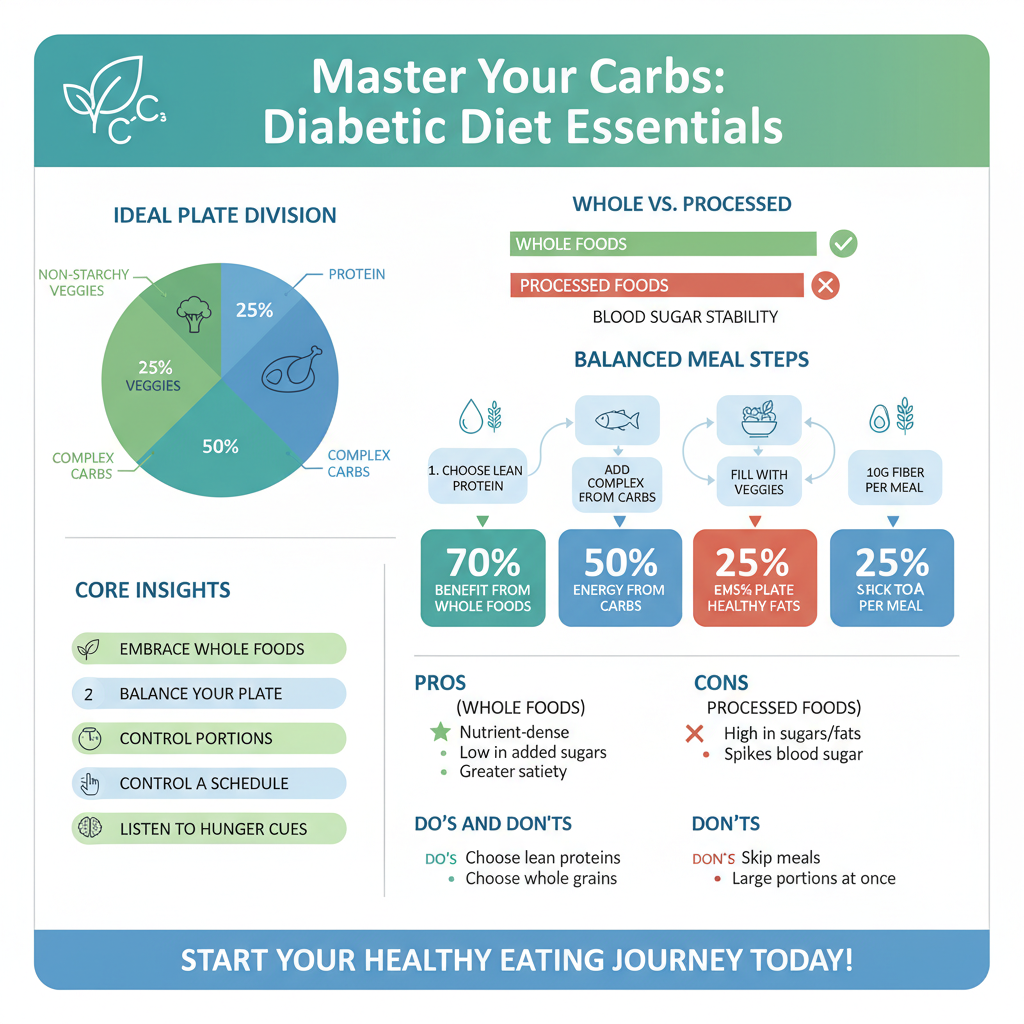
* Aim for a balanced plate, ensuring appropriate proportions of carbohydrates, proteins, and healthy fats. A balanced meal is crucial for managing blood sugar effectively. Carbohydrates are your body’s primary energy source, but it’s important to choose the right kinds and amounts. Protein helps you feel full, supports muscle health, and has minimal impact on blood sugar. Healthy fats are vital for heart health, satiety, and can even help slow down the absorption of carbohydrates, further stabilizing blood glucose. Visualizing your plate as being divided into sections—for instance, half non-starchy vegetables, a quarter lean protein, and a quarter complex carbohydrates—can be an excellent starting point for achieving this balance.
* Practice consistent portion control and regular meal timing to help stabilize blood sugar levels throughout the day. Consistency is key when it comes to diabetes management. Eating meals and snacks at similar times each day helps your body anticipate and regulate blood sugar more predictably. Skipping meals or eating very large, infrequent meals can lead to significant blood sugar fluctuations. Similarly, understanding appropriate portion sizes prevents overeating and excessive carbohydrate intake at one time, which can lead to unwelcome spikes. Learning to listen to your body’s hunger and fullness cues, rather than eating out of habit or emotion, is a powerful tool in practicing mindful portion control.
Mastering Carbohydrates for Blood Sugar Control
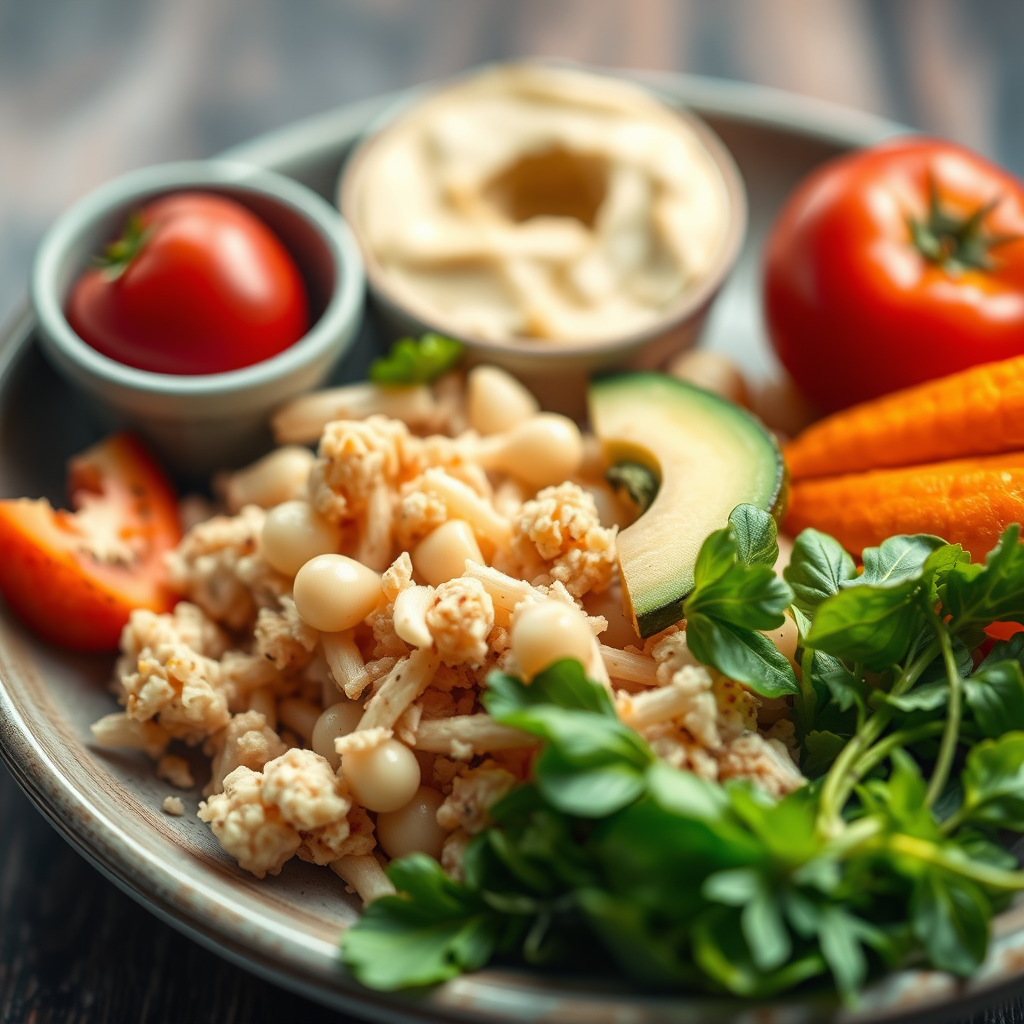
Carbohydrates have the most direct impact on your blood sugar levels, so understanding how to manage them is perhaps the most critical skill for anyone with diabetes. But don’t worry, it’s not about cutting them out entirely; it’s about making smart choices!
* Prioritize complex carbohydrates high in fiber, such as whole grains, legumes, and non-starchy vegetables. When we talk about carbs, not all are created equal! Complex carbohydrates are your go-to because they contain more fiber, which slows down digestion and the absorption of glucose into your bloodstream. This means a more gradual, controlled rise in blood sugar rather than a sudden spike. Think whole wheat bread, brown rice, quinoa, oats, barley, lentils, black beans, chickpeas, and a rainbow of non-starchy vegetables like broccoli, spinach, kale, cauliflower, and bell peppers. These fiber-rich options also contribute to gut health and can help lower cholesterol.
* Understand the glycemic index (GI) and glycemic load (GL) to make informed choices about carb-containing foods. The glycemic index ranks carbohydrate-containing foods based on how quickly they raise blood sugar. Foods with a low GI (like oats, most fruits, and non-starchy vegetables) cause a slower, more gradual rise, while high GI foods (like white bread and sugary drinks) cause rapid spikes. Glycemic load takes this a step further by considering both the GI and the actual amount of carbohydrates in a serving. While you don’t need to obsess over precise numbers for every food, having a general awareness can help you lean towards choices that provide more stable blood sugar. For example, a small portion of a higher GI food combined with protein and fiber can have a lower GL effect.
* Distribute carbohydrate intake evenly across meals and snacks to prevent spikes and drops in blood sugar. Instead of eating a large amount of carbohydrates at one meal, spreading your carb intake throughout the day helps keep your blood sugar levels more stable. This consistent intake provides a steady supply of energy and prevents your body from having to process a huge glucose load all at once. For some, this might mean eating three balanced meals and a couple of healthy snacks. If you use insulin or other medications, your healthcare team might recommend specific carbohydrate targets for each meal and snack, making consistent distribution even more important.
The Importance of Lean Protein and Healthy Fats

Beyond carbohydrates, protein and healthy fats play pivotal roles in a diabetic-friendly diet. They contribute to satiety, support vital bodily functions, and help manage blood sugar in different, yet equally important, ways.
* Incorporate lean protein sources like fish, poultry, beans, and tofu, which contribute to satiety and muscle health without significantly impacting blood sugar. Protein is a powerhouse nutrient for individuals with diabetes. It helps you feel full and satisfied, which can prevent overeating and reduce cravings for less healthy options. Unlike carbohydrates, protein has a minimal direct effect on blood sugar levels, making it an excellent companion to carb-containing foods to slow down their absorption. Excellent lean protein choices include skinless chicken breast, turkey, various types of fish (especially fatty fish like salmon, which are also rich in omega-3s), eggs, low-fat dairy, and plant-based options like lentils, chickpeas, black beans, tofu, and tempeh. These choices also support muscle maintenance and repair, which is important for overall metabolism.
* Choose healthy fats (monounsaturated and polyunsaturated) from avocados, nuts, seeds, and olive oil to support heart health and help stabilize blood glucose. Don’t shy away from fats entirely! Healthy fats are essential for good health, particularly cardiovascular health, which is often a concern for people with diabetes. Monounsaturated fats found in avocados, olive oil, and almonds, and polyunsaturated fats (including omega-3s) found in fatty fish, walnuts, and flaxseeds, can help lower bad cholesterol and protect your heart. Additionally, these fats contribute significantly to satiety, meaning they keep you feeling full for longer. When consumed with carbohydrates, healthy fats can also help slow down the digestion and absorption of glucose, leading to a more gradual rise in blood sugar.
* Avoid or limit unhealthy saturated and trans fats found in processed foods and certain animal products. While healthy fats are beneficial, it’s crucial to reduce your intake of unhealthy fats. Saturated fats, primarily found in red meat, high-fat dairy products, and some processed foods, can raise LDL (“bad”) cholesterol levels, increasing your risk of heart disease. Trans fats, often found in fried foods, baked goods, and some margarines, are even worse for heart health and should be avoided almost entirely. Limiting these fats is a key strategy for protecting your cardiovascular system, which is especially important for individuals managing diabetes. Always check food labels for “partially hydrogenated oils,” which indicate the presence of trans fats.
Foods to Limit or Avoid
Making mindful choices means knowing which foods might hinder your blood sugar management and overall health. Reducing or eliminating these items can make a significant positive impact.
* Minimize intake of refined carbohydrates, sugary drinks, and processed snacks that can cause rapid blood sugar spikes. These foods are the biggest culprits when it comes to quickly elevating blood sugar. Refined carbohydrates, like white bread, white rice, regular pasta, and sugary cereals, have had their fiber removed, causing them to be digested rapidly. Sugary drinks, including sodas, fruit juices (even 100% juice), and sweetened teas, flood your system with sugar almost instantly. Processed snacks like chips, cookies, and candy are typically high in refined carbs, added sugars, and unhealthy fats, offering little nutritional value. Opting for whole, unprocessed alternatives instead can dramatically improve your blood sugar control.
* Reduce consumption of foods high in added sugars, which offer little nutritional value and contribute to weight gain. Added sugars are hidden in many foods you might not expect, from yogurts and breakfast cereals to sauces, salad dressings, and even seemingly savory items. These sugars provide “empty calories” – they offer energy without beneficial nutrients like vitamins, minerals, or fiber. Excess consumption of added sugars contributes to weight gain, which can worsen insulin resistance and make diabetes harder to manage. Becoming a label-reading detective and choosing products with low or no added sugars is a game-changer for your health.
* Limit saturated and trans fats, and excess sodium, to protect cardiovascular health often at risk for individuals with diabetes. As mentioned earlier, saturated fats (found in fatty meats, butter, full-fat dairy, and some tropical oils) and trans fats (found in many processed and fried foods) can raise unhealthy cholesterol levels and increase the risk of heart disease and stroke. These risks are already elevated for people with diabetes, so minimizing these fats is crucial for heart protection. Similarly, excessive sodium intake, common in processed foods, canned goods, and restaurant meals, can contribute to high blood pressure, another significant risk factor for cardiovascular complications in diabetes. Cooking at home and using herbs and spices instead of salt can help you manage your sodium intake.
Practical Strategies for Meal Planning
Good intentions are a great start, but practical strategies are what turn those intentions into consistent, healthy habits. Meal planning can simplify your life and make managing diabetes through diet much more manageable.
* Utilize the “plate method” (half non-starchy vegetables, a quarter lean protein, a quarter complex carbohydrates) for easy meal assembly. This visual guide is one of the simplest and most effective tools for creating balanced, diabetes-friendly meals without complex calculations. Imagine your plate: fill half of it with colorful, non-starchy vegetables like leafy greens, broccoli, carrots, or peppers. Dedicate one-quarter to a lean protein source such as grilled chicken, fish, tofu, or beans. The remaining quarter is for your complex carbohydrates like a small baked potato, quinoa, brown rice, or a slice of whole-wheat bread. This method naturally helps you manage portion sizes, boosts fiber intake, and ensures a good balance of macronutrients at every meal.
* Learn to read food labels effectively, paying attention to carbohydrate content, added sugars, fiber, and fat types. Becoming an expert at reading food labels empowers you to make informed choices at the grocery store. Start by checking the serving size and how many servings are in the package, as this is the basis for all other nutritional information. Then, focus on total carbohydrates (and especially “added sugars” and fiber content), total fat (and specifically saturated and trans fats), and sodium. High fiber content is a plus, while high added sugars, saturated fats, and sodium should be red flags. This skill helps you identify healthier options and avoid hidden ingredients that could impact your blood sugar and heart health.
* Plan meals and snacks in advance to ensure consistent intake and avoid impulsive, unhealthy choices. Proactive planning is a cornerstone of successful diabetes management. By planning your meals and snacks for the week, you can ensure you have all the necessary ingredients on hand, reduce stress during busy times, and eliminate the temptation to grab convenient, but often unhealthy, options. This could involve batch cooking on weekends, preparing healthy grab-and-go snacks, or simply jotting down a meal schedule. Consistent eating patterns contribute directly to stable blood sugar levels, and planning is the best way to achieve that consistency.
The Role of Lifestyle and Professional Guidance
While diet is a powerful tool, it’s part of a larger picture. Integrating other healthy lifestyle choices and seeking expert advice are crucial for comprehensive diabetes management.
* Combine dietary changes with regular physical activity to improve insulin sensitivity and manage weight effectively. Diet and exercise are two sides of the same coin when it comes to diabetes. Regular physical activity, whether it’s brisk walking, cycling, swimming, or strength training, significantly improves your body’s insulin sensitivity. This means your cells become more efficient at using insulin to take up glucose, helping to lower blood sugar levels. Exercise also plays a vital role in weight management, which is often a key factor in improving diabetes control. Aim for at least 150 minutes of moderate-intensity aerobic activity per week, along with two or more days of muscle-strengthening activities. Always talk to your doctor before starting any new exercise regimen.
* Stay well-hydrated by drinking plenty of water throughout the day. Water is essential for every bodily function, and it plays an often-overlooked role in diabetes management. Staying well-hydrated helps your kidneys flush out excess glucose through urine, especially when blood sugar levels are high. It also prevents dehydration, which can sometimes concentrate blood glucose. Swap sugary drinks and juices for plain water, unsweetened tea, or sparkling water with a squeeze of lemon or lime. Aim for consistent water intake throughout the day to support your metabolism and overall health.
* Always consult a doctor or a registered dietitian for a personalized diabetes management plan, as individual needs vary greatly. While this guide provides excellent general principles, diabetes management is highly individual. Factors like your specific type of diabetes, medications, activity level, other health conditions, and personal preferences all play a role in shaping the “best” diet for *you*. A doctor can provide medical oversight and adjust medications as needed, while a registered dietitian (RD) specializing in diabetes can offer tailored nutritional advice, help you with meal planning, and provide ongoing support. Partnering with these healthcare professionals ensures your plan is safe, effective, and sustainable for your unique needs.
While there isn’t a single “best” diet for everyone living with diabetes, adopting a personalized approach based on whole foods, controlled carbohydrates, lean proteins, and healthy fats is crucial. The key is consistency, moderation, and an understanding of how different foods affect your body. Start by implementing these core nutritional principles and remember to partner with your healthcare team to develop a sustainable eating plan that supports your unique health goals and helps you thrive.
Frequently Asked Questions
What is the most recommended and effective diet for managing diabetes?
The most effective diet for managing diabetes isn’t a single restrictive plan, but rather a balanced eating pattern rich in whole, unprocessed foods. Experts often recommend approaches similar to the Mediterranean diet, focusing on vegetables, fruits, lean proteins, healthy fats, and whole grains, while limiting added sugars and refined carbohydrates. This emphasis on nutrient-dense foods helps stabilize blood sugar levels, supports heart health, and can aid in weight management, which is crucial for diabetes control. Ultimately, the best diet for diabetics is personalized and sustainable, often developed with a registered dietitian.
How can individuals with diabetes effectively manage their carbohydrate intake?
Effectively managing carbohydrate intake is crucial for blood sugar control in diabetes, and a key strategy is carbohydrate counting or consistent carbohydrate patterns. Focus on choosing complex carbohydrates high in fiber, such as whole grains, legumes, and non-starchy vegetables, which digest slower and cause a more gradual rise in blood sugar. Practicing portion control for all carb-containing foods, including fruits and starchy vegetables, is also vital to stay within your personalized daily carbohydrate target. Consulting with a dietitian can help tailor a carbohydrate management plan specific to your needs and lifestyle.
Which foods should diabetics prioritize, and which should they avoid or limit significantly?
Diabetics should prioritize a variety of non-starchy vegetables, lean protein sources like fish and poultry, and healthy fats found in avocados, nuts, and olive oil to support stable blood sugar. Whole grains such as oats, quinoa, and brown rice, in controlled portions, are also beneficial for their fiber content. Conversely, it’s crucial to significantly limit or avoid sugary beverages, highly processed foods, refined carbohydrates (white bread, pastries), and foods high in unhealthy saturated and trans fats, as these can spike blood sugar and increase cardiovascular risk.
Why is it important for diabetics to maintain consistent meal times and avoid skipping meals?
Maintaining consistent meal times is extremely important for diabetics because it helps regulate blood glucose levels throughout the day and prevents drastic fluctuations. Skipping meals can lead to dangerously low blood sugar (hypoglycemia) or cause overeating later, resulting in high blood sugar spikes. Regular eating patterns also support the effective functioning of diabetes medications and insulin, ensuring they align with your body’s glucose processing, thus promoting better overall glycemic control and energy levels.
Can a specific diet help reverse Type 2 diabetes or significantly reduce medication needs?
Yes, for some individuals, significant lifestyle changes, including a dedicated diet plan, can lead to Type 2 diabetes remission or a substantial reduction in medication needs. Diets emphasizing significant weight loss, such as low-carbohydrate diets or very-low-calorie diets, often under medical supervision, have shown promise in reversing the condition in its early stages. While not a cure for everyone, adopting a nutrient-dense, controlled-carb diet like the Mediterranean approach consistently helps improve insulin sensitivity and glucose regulation, making it a powerful tool for managing or even reversing Type 2 diabetes.
References
- Eating Well & Managing Diabetes | ADA
- https://www.cdc.gov/diabetes/managing/eat-well.html
- Healthy Living with Diabetes – NIDDK
- Diabetes diet: Create your healthy-eating plan – Mayo Clinic
- https://www.health.harvard.edu/diseases-and-conditions/what-to-eat-when-you-have-diabetes
- https://health.clevelandclinic.org/what-to-eat-when-you-have-diabetes/
- https://en.wikipedia.org/wiki/Diabetic_diet
