
The best cereal for diabetics is one that is high in fiber (at least 3 grams per serving), low in added sugar (less than 6 grams), and made primarily from whole grains. Top choices include steel-cut oats, plain shredded wheat, and bran flakes, as these options have a lower glycemic index and help prevent rapid blood sugar spikes. Below, we break down specific brands, ingredients to prioritize, and tips for building a diabetes-friendly breakfast bowl. Navigating the cereal aisle can often feel like walking through a minefield of hidden sugars and marketing hype, but it doesn’t have to be that way. With a little bit of label-reading savvy and a focus on nutrient density, you can absolutely enjoy a crunchy, satisfying breakfast that keeps your energy stable and your glucose readings in check.
Nutritional Guidelines for Diabetes-Friendly Cereal

When you are standing in the grocery aisle staring at a wall of colorful boxes, the nutrition label is your best friend. Marketing claims on the front of the box—like “heart healthy” or “made with real fruit”—can be misleading. To truly understand if a cereal supports your diabetes management, you need to turn the box over and look at the hard data.
Look for whole grains listed as the very first ingredient on the label.
Ingredients are listed by weight, so the first item determines the bulk of what you are eating. You want to see words like “whole wheat,” “whole oats,” “brown rice,” or “sorghum.” Whole grains contain the bran, germ, and endosperm, providing essential nutrients and fiber. If the first ingredient is “wheat flour,” “corn meal,” or “rice” (without the word “whole”), it is likely a refined grain. Refined grains are stripped of their fiber and digest rapidly, converting into glucose almost immediately after consumption.
Aim for at least 3 to 5 grams of dietary fiber per serving to slow glucose absorption.
Fiber is the magic ingredient for blood sugar control. Think of fiber as a speed bump for your digestion; it physically slows down the rate at which your stomach empties and how quickly sugar enters your bloodstream. Soluble fiber, found in oats and barley, is particularly good at improving insulin sensitivity. When a cereal has high fiber content, it effectively lowers the Net Carbs (total carbohydrates minus fiber), making the meal much gentler on your blood sugar.
Ensure the cereal contains less than 6 grams of added sugar per serving.
This is often the hardest rule to stick to because sugar makes cereal taste good! However, many popular cereals contain 12 to 20 grams of sugar per bowl—that’s equivalent to eating a dessert for breakfast. Ideally, you want a cereal with zero added sugar, but if you need a little sweetness, cap it at 6 grams (about 1.5 teaspoons). Remember that milk contains natural sugars (lactose), so starting with a low-sugar base is crucial to keeping the total meal balanced.
Best Cold Cereals for Blood Sugar Management


For many of us, nothing beats the convenience of pouring a bowl of cold cereal on a busy morning. However, cold cereals are often more processed than their hot counterparts. The key here is to find options that have undergone minimal processing or are specifically engineered to be low-carb.
Choose unsweetened shredded wheat or bran flakes for high fiber content.
These are the classics for a reason. Plain shredded wheat usually has just one ingredient: whole wheat. It provides a fantastic crunch and acts as a blank canvas for other toppings. Bran flakes are another powerhouse, loaded with insoluble fiber that aids digestion. However, be careful with generic “bran flakes,” as some brands coat them in high-fructose corn syrup to improve the taste. Always double-check that the sugar count meets your guidelines. These cereals might feel “boring” at first, but your palate will adjust, especially when you add fresh toppings.
Consider low-carb or keto-friendly cereal brands specifically designed to minimize glucose impact.
In recent years, the food industry has responded to the demand for low-sugar options with “keto” cereals. Brands like Magic Spoon, Catalina Crunch, or specialized varieties from Kashi and General Mills utilize alternative sweeteners (like erythritol, stevia, or monk fruit) and protein isolates to create a cereal that mimics the sugary favorites of your childhood without the carb load. These can be excellent tools for diabetics, though they are often more expensive than traditional grains. They often pack a high protein punch, which further aids in satiety.
Avoid flakes coated in “honey,” “frosted” sugars, or dried fruits that spike sugar loads.
It is easy to be tempted by “Honey Nut” versions of healthy cereals, but that glaze is pure sugar. Similarly, cereals that include dried strawberries, raisins, or dates might seem healthy because it is fruit, but dried fruit is essentially concentrated sugar with the water removed. It sticks to your teeth and hits your bloodstream fast. It is always better to buy the plain version of the cereal and add your own fresh fruit, where you can control the portion and benefit from the water content and volume of fresh berries.
Best Hot Cereals to Eat
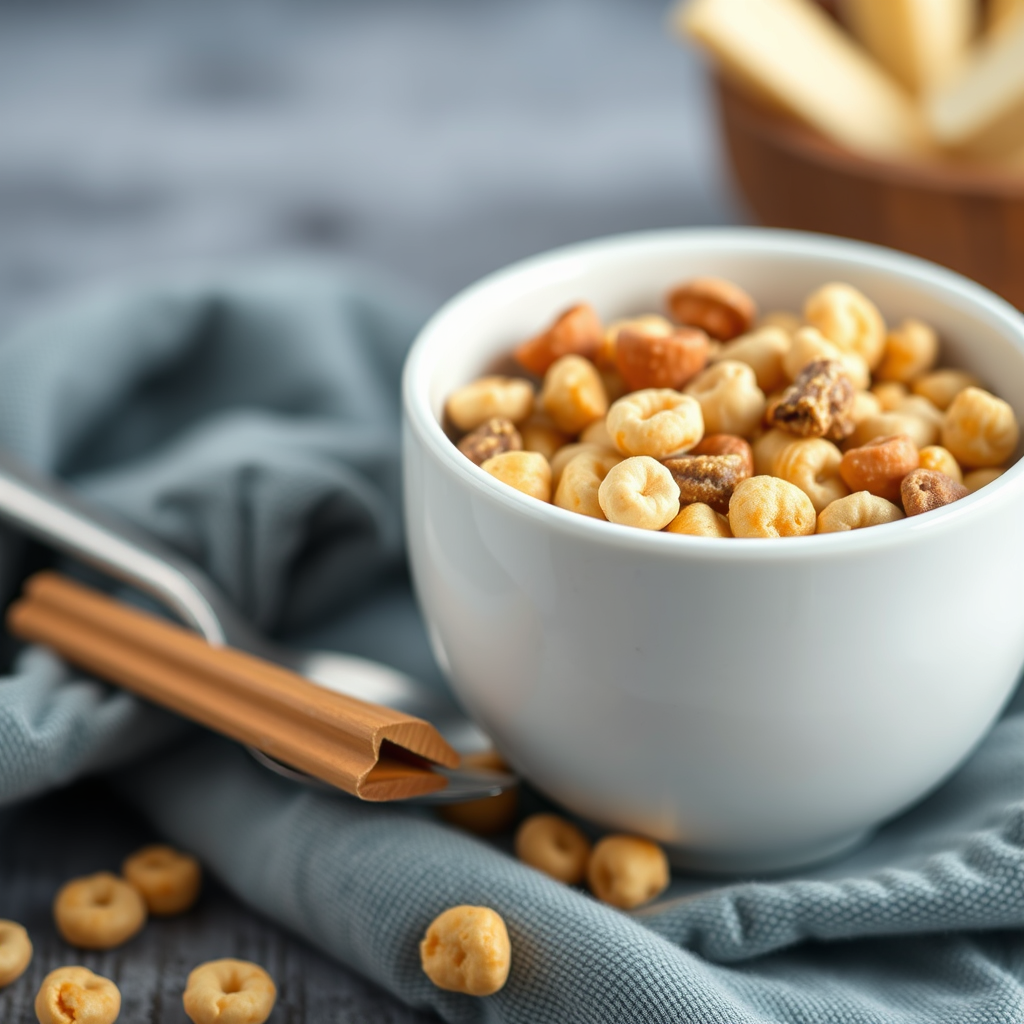
On a chilly morning, a warm bowl of porridge is incredibly comforting. Hot cereals are generally less processed than cold flakes, making them a staple for a diabetic diet, provided you choose the right type and preparation method.
Opt for steel-cut or rolled oats over instant oatmeal, which is often processed and digests too quickly.
Oats are famous for containing beta-glucan, a fiber that helps reduce cholesterol and blood sugar. However, the structure of the oat matters. Steel-cut oats are whole oat groats chopped into pieces; they take the longest to digest and have the lowest Glycemic Index (GI). Rolled oats (old-fashioned) are steamed and flattened but are still a solid choice. Instant oats, however, have been pre-cooked and dehydrated. They dissolve almost instantly in your mouth—and in your stomach—causing a much sharper spike in glucose. If you love convenience, try making “overnight oats” with rolled oats instead of using instant packets.
Try alternative warm grains like quinoa or buckwheat porridge for variety and protein.
You aren’t limited to oatmeal. Quinoa flakes cook up quickly and offer a complete protein profile, meaning they contain all nine essential amino acids. Buckwheat (which is actually a fruit seed, not wheat) has a robust, nutty flavor and a low glycemic impact. Even chia seeds can be made into a warm pudding. Rotating your grains ensures you get a wider variety of micronutrients and keeps breakfast from becoming monotonous.
Flavor hot cereals with cinnamon or vanilla extract instead of brown sugar or maple syrup.
The trap with oatmeal is often what we put on it. A bowl of steel-cut oats loses its health benefits if it is buried under a mountain of brown sugar. Instead, train your taste buds to appreciate spices. Cinnamon is a superstar here; not only does it add warmth and perceived sweetness, but studies have also suggested it may help lower blood sugar levels. A splash of pure vanilla extract, a dash of nutmeg, or even pumpkin pie spice can make your bowl taste decadent without adding a single gram of sugar.
Ingredients to Avoid in the Cereal Aisle
Knowing what to avoid is just as important as knowing what to buy. The front of the box is designed to sell; the ingredient list is there to inform. Be a detective and watch out for these red flags.
Steer clear of refined grains like white flour or degerminated corn meal.
“Degerminated” means the manufacturer has removed the germ (the nutrient-rich core) of the corn to extend shelf life. What is left is pure starch. Cereals based on white flour or corn meal digest rapidly. If you see these ingredients near the top of the list, put the box back. They offer very little nutritional value and will almost certainly result in a mid-morning energy crash and high blood sugar readings.
Watch out for hidden sugars listed as high-fructose corn syrup, dextrose, or cane crystals.
Sugar is a master of disguise. It goes by over 60 different names on ingredient labels. You might look for “sugar” and not see it, but then spot “barley malt,” “agave nectar,” “rice syrup,” “molasses,” or “fruit juice concentrate.” These are all sugar. High-fructose corn syrup is particularly pervasive in cheaper cereals. Ingredients are listed by quantity, so if you see three or four different types of sugar listed throughout the ingredients, the cumulative effect is a sugar bomb, even if “sugar” isn’t the first item.
Be cautious with cereals containing dried fruits like raisins or cranberries, which are dense in natural sugars.
We touched on this earlier, but it bears repeating: commercially added dried fruit is often coated in more sugar to keep it soft and sweet. Cranberries, for example, are naturally tart, so dried cranberries are almost always soaked in sugar syrup. A small handful of raisins contains roughly the same amount of sugar as a candy bar. If you love the texture of raisins, try using just a few specifically measured out, or swap them for chopped nuts to get that textural contrast without the glucose spike.
Choosing the Right Milk and Toppings
You have picked the perfect high-fiber, low-sugar cereal. Now, don’t undo your hard work with the wrong liquid or toppings. What you add to the bowl can either buffer the carbohydrate absorption or accelerate it.
Select unsweetened almond, soy, or low-fat dairy milk to keep carb counts stable.
Cow’s milk contains lactose, a natural sugar. One cup of skim milk has about 12 grams of carbohydrates. This isn’t necessarily “bad,” but it must be counted toward your total meal limit. For a lower-carb option, unsweetened almond milk usually contains less than 1 gram of carbs per cup. Unsweetened soy milk is another great choice as it offers protein comparable to cow’s milk. Be very careful to buy the “Unsweetened” varieties; the “Original” or “Vanilla” versions of plant milks are often heavily sweetened with cane sugar.
Add protein and healthy fats by topping your bowl with chia seeds, flaxseeds, or walnuts.
This is a pro-tip for diabetes management: never eat “naked” carbs. Pairing carbohydrates with fats and proteins slows down gastric emptying. By sprinkling walnuts, pecans, hemp hearts, or ground flaxseeds over your cereal, you lower the overall glycemic load of the meal. Plus, the fats signal satiety hormones to your brain, keeping you full until lunch. A spoonful of Greek yogurt mixed into the bowl can also boost the protein content significantly.
Use fresh berries instead of dried fruit for natural sweetness with a lower glycemic impact.
Raspberries, blackberries, strawberries, and blueberries are the best fruits for people with diabetes. They are high in fiber, packed with antioxidants (anthocyanins), and have a relatively low glycemic index compared to tropical fruits like bananas or pineapple. They add volume, juice, and flavor to dry cereal. Frozen berries (without added syrup) are also a budget-friendly and convenient option—just thaw them slightly or toss them right into hot oatmeal.
The Importance of Portion Control
Perhaps the most surprising aspect of cereal is the serving size. Cereal is “volume dense” but calorie and carb dense too, and our eyes often deceive us regarding how much we are actually eating.
Measure your serving size carefully, as even healthy cereals can raise blood sugar if overeaten.
If the box says a serving is 3/4 of a cup, but you pour into a standard soup bowl, you are likely eating two or even three servings. This triples your carb and sugar intake. For the first week of a new cereal habit, use a dry measuring cup to physically measure out the recommended serving. It might look small in a large bowl, so consider using a smaller bowl to trick your brain into feeling satisfied.
Check the nutrition label to see if the recommended serving size matches what is actually in your bowl.
Granola is the biggest offender here. While it is often marketed as healthy, a serving size of granola is usually only 1/4 to 1/2 cup because it is so dense with fats and sugars. If you eat a full bowl of granola like you would corn flakes, you could be consuming 600 calories and 80 grams of carbs. Always align your portion with the label’s data to avoid accidental hyperglycemia.
Consider pairing a smaller portion of cereal with a side of eggs or yogurt to balance the meal with more protein.
If the recommended serving size of cereal leaves you feeling hungry, don’t add more cereal. Instead, add a side dish. Treat the cereal as the “starch” portion of your meal rather than the main event. Having a hard-boiled egg, a piece of string cheese, or a small cup of cottage cheese alongside your small bowl of oats creates a balanced macronutrient profile. This approach (High Protein + Moderate Fat + Controlled Carb) is the gold standard for blood sugar stability.
Choosing the right cereal involves reading labels carefully to find high-fiber, low-sugar options like oats or bran that won’t disrupt your blood sugar levels. By watching your portion sizes and adding healthy fats or proteins, you can enjoy a convenient breakfast without compromising your health. Next time you visit the grocery store, use these guidelines to select a box that supports your diabetes management goals. Breakfast is the foundation of your day, and with these smart choices, you can start every morning feeling energized, balanced, and in control.
Frequently Asked Questions
What nutritional factors should I look for when choosing a diabetic-friendly cereal?
When selecting a cereal for diabetes management, prioritize options that list whole grains as the first ingredient and contain at least 3 to 5 grams of fiber per serving to help slow glucose absorption. It is essential to check the nutrition label for total carbohydrates rather than just “sugar,” aiming for cereals with low added sugars (ideally under 6 grams). Additionally, look for a higher protein content, as this helps induce satiety and stabilizes blood sugar levels better than carbohydrates alone.
Is oatmeal a good breakfast choice for people with diabetes?
Yes, oatmeal is an excellent choice, provided you select steel-cut or old-fashioned rolled oats instead of highly processed instant varieties. These coarser oats have a lower glycemic index and are rich in beta-glucan soluble fiber, which improves insulin sensitivity and prevents rapid blood sugar spikes. However, be cautious with pre-flavored instant oatmeal packets, as they are often loaded with hidden sugars and preservatives that can negatively impact glucose control.
Which cold cereal brands are generally considered best for managing blood sugar levels?
The best cold cereals are typically those made from whole wheat, bran, or specific low-carb formulas, such as plain Shredded Wheat, Bran Flakes, or Cheerios (in moderation). Recently, high-protein, grain-free “keto” cereals like Magic Spoon or Catalina Crunch have become popular options because they offer crunchy textures with negligible impacts on blood glucose. Always ensure you measure the serving size strictly, as even healthy cereals can spike blood sugar if over-consumed.
How can I balance a bowl of cereal to prevent glucose spikes?
To blunt the blood sugar response, never eat cereal in isolation; pair it with a source of healthy fat and protein, such as a handful of walnuts, chia seeds, or a side of hard-boiled eggs. You can also swap traditional cow’s milk, which contains lactose sugar, for unsweetened almond, soy, or flax milk to significantly reduce the meal’s total carbohydrate count. Adding a dollop of unsweetened Greek yogurt can further boost protein intake and slow down digestion.
What ingredients should diabetics strictly avoid in breakfast cereals?
You should avoid cereals that list refined grains (like white flour or corn grits), high fructose corn syrup, or cane sugar as one of the top three ingredients. Additionally, steer clear of cereals containing large amounts of dried fruits like raisins or cranberries, which are concentrated sources of sugar that hit the bloodstream quickly. Be wary of marketing terms like “low-fat” or “natural,” as these products often compensate for flavor by adding excessive amounts of sugar or sodium.
References
- https://health.clevelandclinic.org/best-breakfast-for-diabetics
- Breakfasts for diabetes | Diabetes UK
- Healthy Living with Diabetes – NIDDK
- https://www.health.harvard.edu/blog/healthy-breakfasts-for-people-with-diabetes-202202242694
- Diabetes diet: Create your healthy-eating plan – Mayo Clinic
- Diabetes Teaching Center
- Healthy Eating | Diabetes | CDC
