
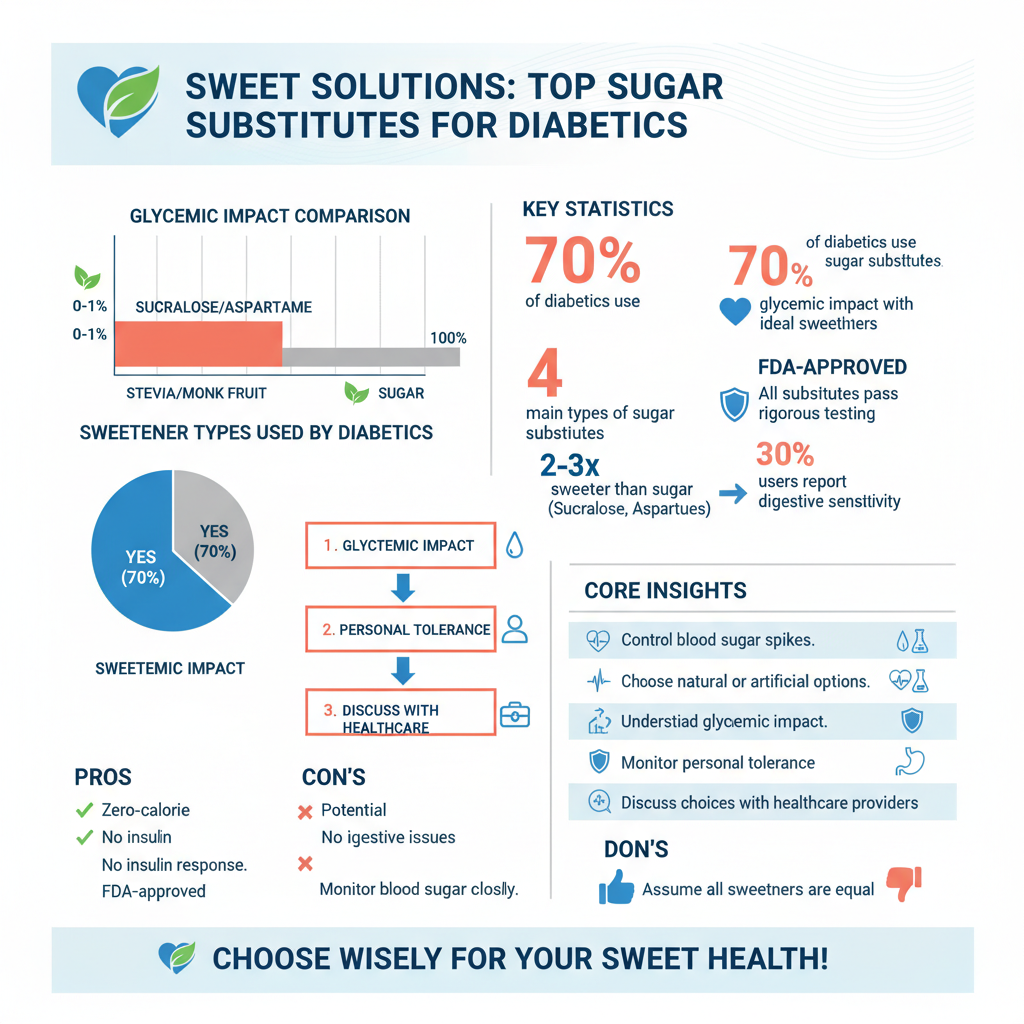
For diabetics seeking the best sugar substitute, there isn’t one universal “best,” but rather several excellent options that minimize blood sugar impact. Natural zero-calorie sweeteners like Stevia and Monk Fruit, alongside artificial sweeteners such as Sucralose (Splenda) and Aspartame (NutraSweet), are generally the most recommended choices for their minimal effect on blood glucose levels. The ideal choice ultimately depends on individual taste, tolerance, and specific dietary needs, but the primary goal is always to avoid a significant rise in blood glucose. This guide will help you understand your options and make informed choices.
Understanding Sugar Substitutes: What Diabetics Need to Know

Living with diabetes means carefully managing blood sugar levels, and one of the most effective ways to do this is by controlling carbohydrate intake, especially sugars. Sugar substitutes offer a fantastic way to enjoy sweet foods and drinks without the detrimental effects of traditional sugar. But navigating the options can feel overwhelming! Let’s break down the core principles you need to understand.
* Glycemic Impact: This is hands-down the most critical factor for anyone managing diabetes. Glycemic impact refers to how quickly and how much a food or sweetener raises your blood sugar. Ideal sugar substitutes for diabetics have little to no impact, meaning they don’t cause a rapid spike in glucose levels or require an insulin response. This is crucial for maintaining stable blood sugar and preventing complications. We’re looking for options that pass through your system largely undigested or metabolized without significantly affecting your glucose.
* Types of Substitutes: Sugar substitutes aren’t a single entity; they fall into a few main categories, each with its own characteristics. Broadly, we categorize them into artificial sweeteners, which are synthetic compounds that provide intense sweetness with no calories; natural zero-calorie sweeteners, often derived from plants; and sugar alcohols, which are a type of carbohydrate that our bodies don’t fully absorb. Understanding these categories helps you recognize them on food labels and grasp their general properties.
* Safety and Regulation: It’s reassuring to know that all approved sugar substitutes have undergone rigorous testing by regulatory bodies like the FDA (U.S. Food and Drug Administration) for safety. This means they’ve been deemed safe for consumption within acceptable daily intake levels. However, everyone’s body is unique, and individual sensitivities can vary. What works perfectly for one person might cause mild digestive upset for another, so it’s always wise to pay attention to how your body reacts and discuss any concerns with your healthcare provider.
Top Zero-Calorie Artificial Sweeteners
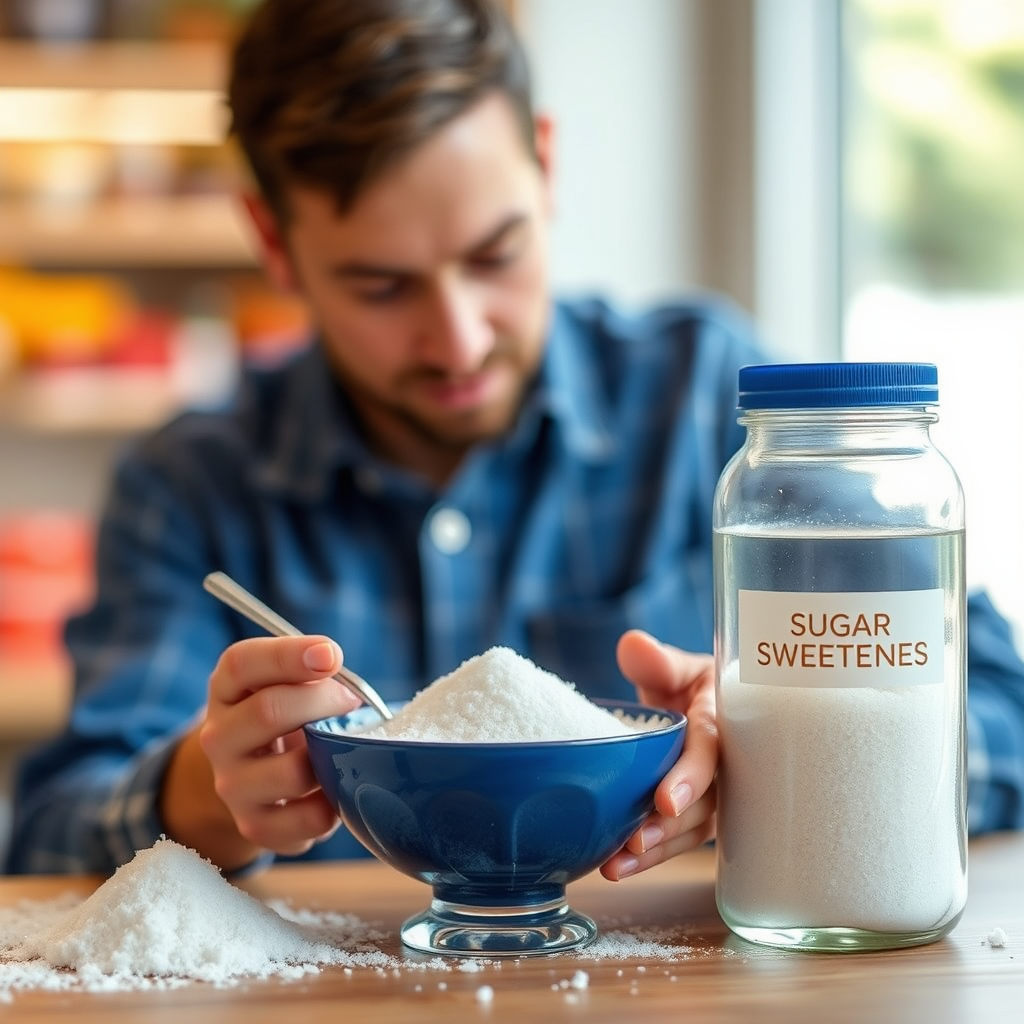
Artificial sweeteners have been around for decades, offering a way to sweeten foods and drinks without adding calories or impacting blood sugar. They are significantly sweeter than sugar, so only tiny amounts are needed.
* Aspartame (NutraSweet, Equal): This widely recognized artificial sweetener is commonly found in diet sodas, sugar-free chewing gum, yogurts, and various diet foods. Aspartame provides a clean, sugar-like taste without the calories or the glycemic load, making it a staple for many diabetics. It’s composed of two amino acids (aspartic acid and phenylalanine) and is broken down in the body like any other protein. Because it’s not heat-stable at very high temperatures, it’s generally best for cold beverages and foods, or for adding after cooking.
* Sucralose (Splenda): Sucralose is another powerhouse in the world of artificial sweeteners. What makes it particularly popular is its stability under heat, meaning it holds its sweetness even when used in baking and cooking. This makes it an incredibly versatile option for diabetics who love to whip up sugar-free treats. It’s derived from sugar through a process that changes its chemical structure, making it non-caloric and non-glycemic, as the body doesn’t recognize it as sugar. You’ll find it in a vast array of products, from beverages to baked goods and dairy items.
* Saccharin (Sweet’N Low): Saccharin holds the title as one of the oldest artificial sweeteners, discovered way back in 1879. It’s calorie-free, does not raise blood sugar, and is significantly sweeter than sugar. While it had some controversy in the past, extensive research has reaffirmed its safety for human consumption. Some people report a slight metallic aftertaste with saccharin, but for many, it remains a trusted option for sweetening coffee, tea, and other foods.
* Acesulfame Potassium (Ace-K): Often referred to simply as Ace-K, this artificial sweetener is known for its heat stability and is frequently blended with other sweeteners like sucralose or aspartame. The reason for blending is often to create a more balanced flavor profile and mask any potential aftertastes one might have on its own. Ace-K provides sweetness without adding calories or impacting blood glucose levels, making it another safe and effective choice for diabetics. You’ll find it in a wide variety of products, from sugar-free desserts to protein shakes.
Natural Zero-Calorie Options: Stevia and Monk Fruit
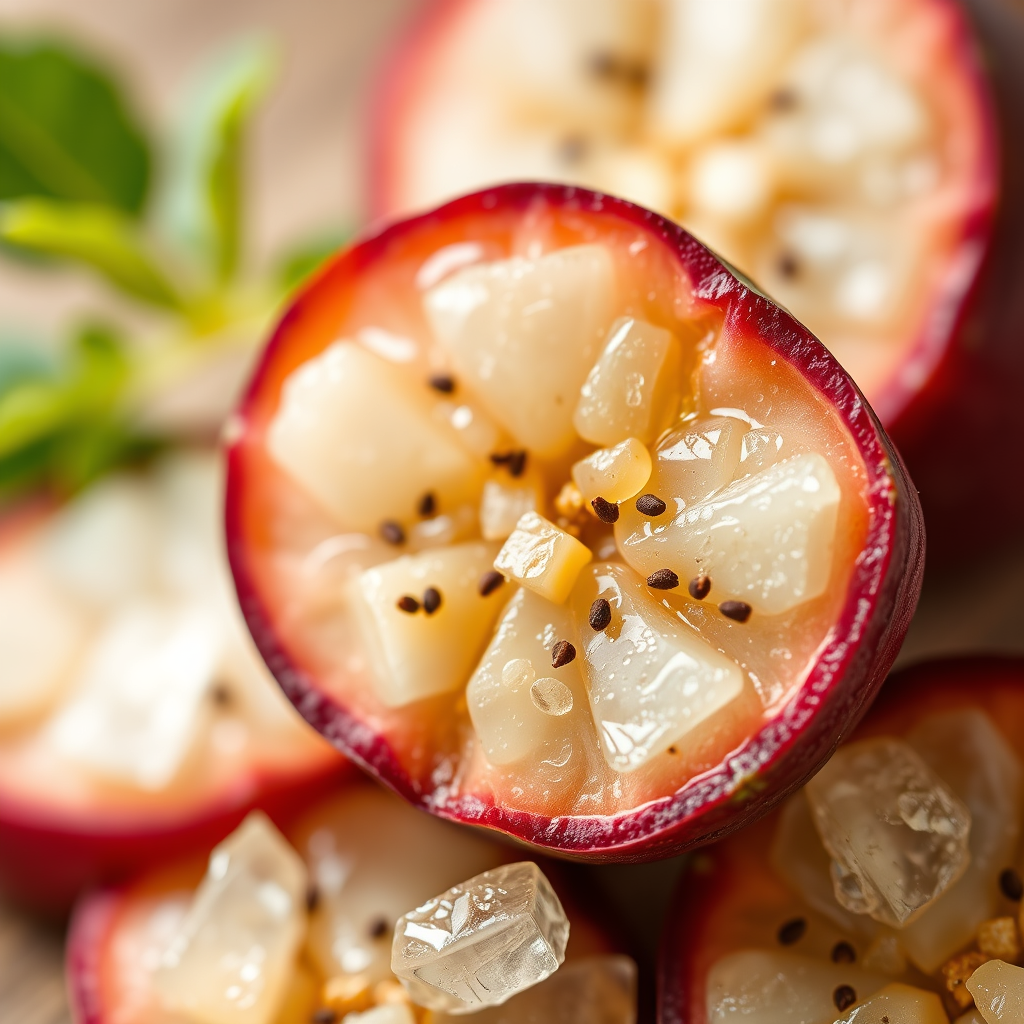
For those who prefer their sweeteners to come from a natural source, Stevia and Monk Fruit are fantastic, increasingly popular choices. Both offer robust sweetness without the calories or the blood sugar spike, directly from plants.
* Stevia: Derived from the leaves of the *Stevia rebaudiana* plant, native to South America, Stevia has been used as a natural sweetener for centuries. Today, you’ll most commonly find highly purified steviol glycoside extracts, like Reb-A (rebaudioside A), which provide intense sweetness without calories or glycemic impact. It’s a great option for sweetening beverages, yogurts, and can often be used in baking, though some forms might have a slightly licorice-like aftertaste for certain palates. Stevia is available in various forms, including liquid drops, powdered blends, and dissolvable tablets, making it incredibly versatile for daily use.
* Monk Fruit: Extracted from the small, round monk fruit (also known as *Siraitia grosvenorii*), native to Southeast Asia, this sweetener is rapidly gaining traction. Like Stevia, Monk Fruit is calorie-free, non-glycemic, and offers intense sweetness, primarily from compounds called mogrosides. Many users appreciate monk fruit for its “clean” taste, often described as having less of an aftertaste compared to some other sweeteners. Its excellent heat stability also makes it a strong candidate for cooking and baking. It’s an excellent choice for diabetics looking for a naturally sourced sweetener with a neutral flavor profile.
* Benefits: Both Stevia and Monk Fruit appeal to consumers seeking more “natural” food additives, as they originate directly from plants rather than being synthetically produced. This natural origin, combined with their zero-calorie and zero-glycemic impact, makes them highly attractive options for diabetics who want to reduce their sugar intake while maintaining a clean eating philosophy. They offer peace of mind for those looking to avoid artificial ingredients without compromising on sweetness or blood sugar management.
Understanding Sugar Alcohols: Use with Caution
Sugar alcohols are a type of carbohydrate, but they’re not fully absorbed by the body. This means they contribute fewer calories and have a lower glycemic impact than regular sugar. However, the term “use with caution” is important here, as not all sugar alcohols are created equal, and some can still cause issues.
* Erythritol: Among sugar alcohols, erythritol often stands out as a top recommendation for diabetics. This is because it is almost entirely absorbed in the small intestine before reaching the large intestine, where most digestive upset from sugar alcohols occurs. This unique absorption pathway means it typically causes minimal digestive side effects (like gas or bloating) and has virtually no glycemic impact. It provides about 70% of the sweetness of sugar and is found naturally in some fruits. Due to its minimal impact on blood sugar and good digestive tolerance, erythritol is a favorite in many sugar-free and keto-friendly products.
* Xylitol & Maltitol: These are two other common sugar alcohols, but they come with more caveats. Xylitol is about as sweet as sugar and is often praised for its dental benefits, as it helps prevent cavities. However, it can still raise blood sugar slightly in larger amounts and is notorious for causing digestive upset (gas, bloating, diarrhea) if consumed excessively. It’s also highly toxic to dogs, so extreme caution is advised if you have pets. Maltitol is another widely used sugar alcohol, often found in sugar-free candies and chocolates. While lower in calories than sugar, it has a more significant glycemic impact than erythritol and can cause a noticeable rise in blood sugar, especially in larger servings. It’s also a common culprit for digestive issues.
* Potential Issues: The “use with caution” really highlights the potential for digestive distress. Because sugar alcohols are not fully absorbed, they can ferment in the large intestine, leading to symptoms like gas, bloating, and diarrhea, particularly with xylitol and maltitol. Even erythritol can cause issues in very large quantities for some sensitive individuals. Furthermore, while they generally have a lower glycemic impact than sugar, some varieties (like maltitol) can still contribute to blood glucose levels, especially if you consume a large portion. Always check the nutrition label for “total carbohydrates” and be mindful of serving sizes when consuming products sweetened with sugar alcohols.
Sweeteners to Limit or Avoid for Diabetics
Successfully managing diabetes often means knowing what to embrace and what to steer clear of. When it comes to sweeteners, some options are best avoided entirely due to their direct and significant impact on blood glucose.
* High-Glycemic Sugars: This category includes all the familiar forms of sugar that directly and rapidly raise blood glucose levels. Regular table sugar (sucrose), brown sugar, confectioners’ sugar, and raw sugar are obvious culprits. But it also extends to “natural” sweeteners often perceived as healthier, such as honey, maple syrup, and agave nectar. While these natural options might offer trace nutrients, their primary component is still sugar (glucose and fructose), which will significantly spike your blood sugar. For effective diabetes management, these should be limited or avoided altogether, reserving them only for very rare, controlled occasions.
* High-Fructose Corn Syrup (HFCS): This highly processed sweetener is ubiquitous in many packaged foods and beverages in Western diets, from sodas and fruit juices to breakfast cereals and condiments. HFCS is particularly problematic because its high fructose content can have unique metabolic effects beyond just raising blood sugar. While it contributes to blood sugar spikes, high consumption of fructose is also linked to increased risk of insulin resistance, fatty liver disease, and other metabolic concerns, making it a sweetener that diabetics should actively avoid. Always read ingredient lists carefully to spot HFCS.
* Sweeteners with Hidden Sugars: This is where label reading becomes an art! Even products labeled “sugar-free” or “no added sugar” can sometimes contain ingredients that behave much like sugar in your body, impacting blood glucose. Maltodextrin is a prime example. This common food additive, often used as a thickener or filler, has a glycemic index even higher than table sugar! Other terms to watch out for include “dextrose,” “glucose syrup,” and any ingredient ending in “-ose” (like corn syrup solids). These hidden sugars can sabotage your blood sugar management efforts, so always scrutinize the full ingredient list, not just the front-of-package claims.
Making Your Choice: Factors to Consider
Choosing the “best” sugar substitute truly boils down to individual preference and specific needs. It’s a journey of discovery that combines personal taste, health goals, and practical considerations.
* Individual Tolerance and Taste: This is paramount! Different sweeteners have unique tastes, and some may leave an aftertaste that certain people find unpleasant. For example, some find stevia has a slight licorice note, while saccharin can have a metallic quality. What tastes perfectly fine to one person might be off-putting to another. The best way to figure out what you like is to experiment with small amounts of different sweeteners in your favorite foods and drinks. Pay attention to not just the initial taste, but also the lingering aftertaste, to find your perfect match.
* Cooking and Baking Needs: Not all sweeteners are created equal when it comes to culinary applications. Some, like sucralose, erythritol, and purified stevia extracts, are quite heat-stable and maintain their sweetness during cooking and baking. This makes them ideal for creating sugar-free desserts or savory dishes. However, others, such as aspartame, can lose their sweetness when exposed to high temperatures, making them unsuitable for baking. Additionally, sugar plays more than just a sweetening role in recipes; it adds bulk, aids in browning, and affects texture. When substituting, you might need to adjust other ingredients (like adding extra liquid or fiber) to achieve the desired result.
* Other Health Considerations: Your overall health picture plays a vital role in your sweetener choices. If you have digestive issues like irritable bowel syndrome (IBS), you might be more sensitive to the digestive side effects of sugar alcohols like xylitol or maltitol. Individuals with PKU (phenylketonuria) must avoid aspartame due to its phenylalanine content. Always discuss any specific health concerns or dietary restrictions with your healthcare provider or a registered dietitian. They can offer personalized advice and help you navigate choices that align with your unique health profile.
* Reading Food Labels: This is a non-negotiable skill for diabetics! Never assume a product is “sugar-free” just because it says so on the front. Always turn the package over and meticulously read the ingredient list and the nutritional information panel. Look beyond “sugars” to “total carbohydrates,” and identify specific sweetener names. Pay attention to serving sizes, as even a small amount of a sweetener with a slight glycemic impact can add up if you consume multiple servings. Being a diligent label reader empowers you to make truly informed choices that support your blood sugar management.
Navigating the world of sugar substitutes as a diabetic means finding options that align with your health goals and personal preferences. While there isn’t a single “best” sweetener for everyone, zero-calorie artificial and natural options like sucralose, aspartame, stevia, and monk fruit are generally excellent choices for managing blood sugar. Remember to experiment responsibly, always read food labels carefully, and consult with your doctor or a registered dietitian to tailor your choices to your unique diabetic management plan.
Frequently Asked Questions
What is the best sugar substitute for diabetics?
There isn’t a single “best” sugar substitute for all diabetics, as individual preferences and tolerance can vary. However, highly recommended options that have a minimal to no impact on blood sugar levels include Stevia, Monk Fruit sweetener, and Erythritol. These non-nutritive sweeteners provide sweetness without the calories or glycemic load of regular sugar, making them excellent choices for managing blood glucose effectively. Always consider your personal taste and how your body reacts to different options.
How do sugar substitutes affect blood sugar levels in diabetics?
Most approved non-nutritive sugar substitutes, such as Stevia, Monk Fruit, sucralose, aspartame, and saccharin, are designed to have virtually no impact on blood glucose levels for diabetics. They are not metabolized by the body in the same way as caloric sugars, meaning they do not cause a significant rise in blood sugar or insulin response. This makes them a valuable tool for diabetics to enjoy sweet foods and beverages without compromising their blood sugar management goals. However, some sugar alcohols like maltitol can have a slight effect if consumed in large quantities, so checking labels is crucial.
Are natural sugar substitutes better than artificial ones for diabetics?
For diabetics, both natural (e.g., Stevia, Monk Fruit, Erythritol) and artificial (e.g., sucralose, aspartame, saccharin) sugar substitutes are generally considered safe and effective for managing blood sugar when consumed in moderation. The primary benefit for diabetes management is that neither category significantly raises blood glucose levels. The choice between natural and artificial often comes down to personal preference for taste, potential digestive sensitivities, and overall dietary philosophy, rather than one being definitively healthier than the other specifically for diabetes.
Which sugar substitutes should diabetics avoid?
Diabetics should primarily avoid full-calorie sugars and syrups, including regular table sugar (sucrose), high-fructose corn syrup, honey, agave nectar, maple syrup, and brown rice syrup, as these significantly raise blood sugar levels. While some sugar alcohols (e.g., sorbitol, maltitol) are lower in calories and have less impact than sugar, large quantities can cause digestive issues and may still slightly affect blood glucose. Always read food labels carefully to identify added sugars or those that may have a higher glycemic index than expected, even if marketed as “natural.”
Why are sugar alcohols like Erythritol and Xylitol often recommended for diabetics, and what are their considerations?
Erythritol and Xylitol are frequently recommended for diabetics because they offer sweetness with significantly fewer calories and a much lower glycemic impact compared to regular sugar. Erythritol, in particular, is well-tolerated digestively and has virtually no effect on blood sugar, as it’s poorly absorbed and mostly excreted unchanged. While Xylitol also has a low glycemic index, consuming it in large amounts can sometimes lead to gastrointestinal discomfort, and it is highly toxic to dogs, so careful storage is essential. These sugar alcohols allow diabetics to enjoy sweet treats without major blood glucose spikes, making them helpful for dietary management.
References
- https://www.mayoclinic.org/diseases-conditions/diabetes/expert-answers/artificial-sweeteners/faq-20058028
- https://diabetes.org/food-nutrition/sweeteners
- https://www.health.harvard.edu/diseases-and-conditions/artificial-sweeteners-and-other-sugar-substitutes-whats-safe-for-people-with-diabetes
- https://health.clevelandclinic.org/best-sugar-substitutes-for-people-with-diabetes
- Sugar substitute
- High-Intensity Sweeteners | FDA
