
The best sugar for diabetics isn’t typically traditional table sugar, but rather natural, zero-calorie sweeteners like Stevia, Monk Fruit, and Erythritol that do not spike blood glucose levels. While natural sugars found in whole fruits are generally safe in moderation due to fiber content, managing diabetes effectively usually requires swapping refined sugars for low-glycemic alternatives to maintain stable insulin levels. Navigating the grocery store aisles can be overwhelming with so many colorful packets claiming to be the “healthiest” option, but understanding the science behind these sweeteners can empower you to make choices that keep your numbers in check. This guide explores the safest options to satisfy your sweet tooth without compromising your health.
Top Natural Zero-Calorie Sweeteners
When you are looking for a way to sweeten your morning coffee or favorite dessert without the glucose spike, natural plant-based sweeteners are generally your best bet. These options are derived from nature rather than a laboratory, making them a popular choice for those looking to eat clean while managing diabetes.
– Stevia:
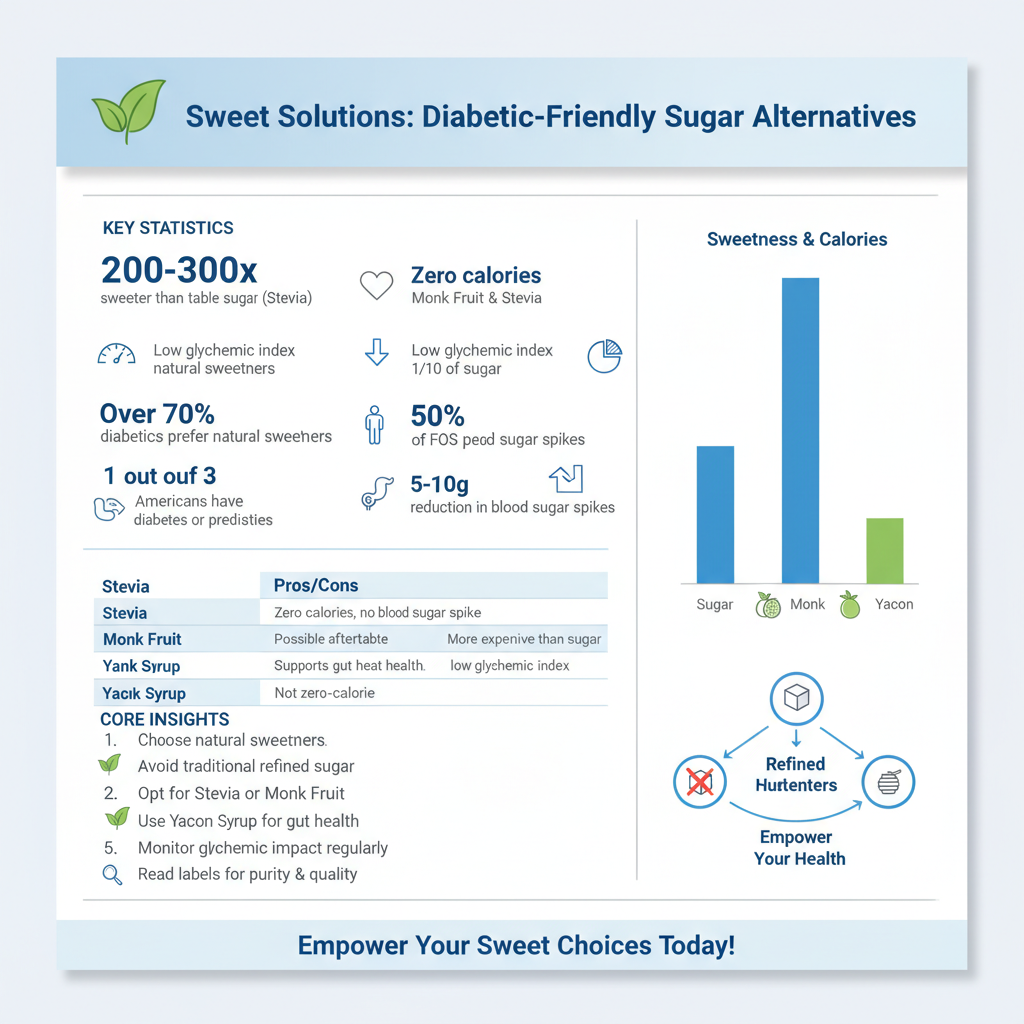
Stevia is arguably the most popular sugar substitute on the market today, and for good reason. Extracted from the leaves of the Stevia rebaudiana plant, this sweetener has virtually zero impact on insulin or blood sugar levels. Because our bodies do not metabolize the glycosides in stevia, it passes through the system without adding calories. It is incredibly potent—often 200 to 300 times sweeter than table sugar—so a tiny pinch goes a long way. However, depending on the brand and the purity of the extract, some people detect a slight metallic or licorice-like aftertaste. To combat this, look for high-quality, pure stevia extracts or blends specifically designed to mimic the taste of sugar more closely.
– Monk Fruit:
Also known as Luo Han Guo, monk fruit is a small round fruit grown in Southeast Asia. The sweetness comes from antioxidants called mogrosides, which are separated from the fresh juice. Like stevia, monk fruit contains zero calories and zero carbohydrates, making it a fantastic option for diabetics. The standout feature of monk fruit is its flavor profile; many users find it has a much cleaner, more neutral taste compared to stevia, lacking that bitter aftertaste. It is heat stable, meaning you can use it in baking, sauces, and beverages just as you would regular sugar.
– Yacon Syrup:
Harvested from the yacon plant native to the Andes mountains, this syrup is a unique option because it is a liquid sweetener. It contains fructooligosaccharides (FOS), which function as soluble fibers that feed the good bacteria in your gut. Because FOS aren’t digested in the upper gastrointestinal tract, yacon syrup has a very low glycemic index relative to honey or sugar. While it isn’t zero-calorie, its impact on blood sugar is minimal. It has a rich, molasses-like flavor that works beautifully when drizzled over yogurt or oatmeal, though it isn’t ideal for high-heat baking as the beneficial compounds can break down.
Sugar Alcohols (Polyols) Explained

Sugar alcohols are hybrids of sugar and alcohol molecules (though they contain no ethanol, so they won’t get you intoxicated). They occur naturally in fruits and vegetables but are often processed for commercial use. They are popular because they provide sweetness with significantly fewer calories and carbohydrates than sugar.
– Erythritol:
If you are looking for the “gold standard” of sugar alcohols, erythritol is it. Unlike other sugar alcohols, erythritol is mostly absorbed into the bloodstream before it reaches the colon, meaning it is much less likely to cause digestive upset. It contains only about 0.24 calories per gram (compared to 4 calories per gram in sugar) and has practically no effect on blood sugar or insulin. Its flavor is very close to sugar with a mild cooling sensation, making it a favorite for baking and keto-friendly desserts.
– Xylitol:
Xylitol is another common sugar alcohol, often found in sugar-free gum and mints. It has a similar sweetness to sugar but with 40% fewer calories. One of its unique benefits is dental health; unlike sugar, xylitol does not feed the harmful bacteria in your mouth that cause cavities, and can actually help reduce tooth decay. However, there is a critical warning for pet owners: Xylitol is extremely toxic to dogs. Even small amounts can be fatal to your furry friends, so if you keep this in your pantry, ensure it is sealed tight and out of reach.
– Digestive Considerations:
While sugar alcohols are excellent for blood sugar control, they can be tricky for your tummy. Because your body cannot fully absorb them, they travel to the large intestine where they are fermented by bacteria. For some people, consuming large quantities (especially of xylitol, maltitol, or sorbitol) can lead to bloating, gas, and diarrhea. This is often referred to as the “laxative effect.” Erythritol is the exception that is usually well-tolerated, but it is always wise to start with small amounts to see how your body reacts.
The Truth About “Healthy” Natural Sugars
There is a pervasive myth in the wellness world that if a sugar is “natural,” it is automatically safe for diabetics. Unfortunately, from a blood glucose perspective, your body struggles to tell the difference between “fancy” sugars and white table sugar.
– Honey and Maple Syrup:
It is true that honey and pure maple syrup contain trace amounts of antioxidants, vitamins, and minerals. However, they are still fundamentally sugar. Honey is roughly 80% sugar, and maple syrup is about 67% sucrose. When you consume them, they cause a rapid rise in blood sugar similar to white sugar. While they are slightly “better” options than corn syrup due to their lack of processing, for a diabetic, they are not “free” foods. They must be accounted for in your total carbohydrate limit and used very sparingly.
– Agave Nectar:
For years, agave was marketed as the ultimate diabetic-friendly sweetener because it has a low glycemic index. This is misleading. Agave gets its sweetness from an incredibly high concentration of fructose (up to 90%). While fructose doesn’t spike blood sugar immediately like glucose does, the liver must process it. excessive fructose intake places a heavy strain on the liver and can contribute to insulin resistance, increased belly fat, and fatty liver disease over time. In the long run, agave may be more harmful to metabolic health than regular sugar.
– Coconut Sugar:
Coconut sugar is derived from the sap of the coconut palm and has gained popularity as a 1:1 replacement for brown sugar. It does contain a fiber called inulin, which slightly slows down glucose absorption, giving it a lower glycemic index than table sugar. However, the difference is marginal. Coconut sugar is still high in carbohydrates and calories. If you use it, treat it exactly like regular sugar—it is not a low-carb health food and requires strict portion control.
Artificial Sweeteners: Pros and Cons
Artificial sweeteners, or non-nutritive sweeteners, are synthetic sugar substitutes. They are intense sweeteners, meaning they are exponentially sweeter than sugar, so only a tiny fraction is needed.
– Sucralose (Splenda):
Sucralose is made from sugar molecules that have been chemically modified so the body does not recognize them as carbohydrates. The result is a zero-calorie sweetener that is 600 times sweeter than sugar. Its biggest advantage is heat stability; unlike some other options, sucralose retains its sweetness at high temperatures, making it a reliable choice for baking. However, there is ongoing debate and emerging research suggesting that heavy consumption of sucralose might alter the gut microbiome, potentially reducing beneficial bacteria.
– Aspartame:
Best known by brand names like Equal or NutraSweet, aspartame is the most common sweetener found in diet sodas. It has been extensively studied and approved by food safety agencies globally. However, it has a major limitation: it breaks down when heated. This means aspartame is useless for baking or cooking; it is strictly for cold foods and beverages or adding to hot drinks after they’ve been poured. Additionally, people with the rare genetic disorder phenylketonuria (PKU) must avoid it completely.
– Saccharin:
Saccharin (Sweet’N Low) is the oldest artificial sweetener. It is budget-friendly and shelf-stable, but it has fallen out of favor in recent years due to a strong, bitter, metallic aftertaste. In the 1970s, studies linked saccharin to bladder cancer in rats, leading to warning labels. However, subsequent research showed this mechanism was specific to rats and not relevant to humans, leading to the removal of the warning labels. Still, with better-tasting options like Sucralose and Stevia available, Saccharin is less commonly used today.
Understanding the Glycemic Index (GI)
To effectively manage diabetes, you need to look beyond just the calorie count and understand how foods impact your blood flow.
– What is GI:
The Glycemic Index (GI) is a numerical ranking (0 to 100) of how quickly a carbohydrate-containing food raises blood glucose levels compared to pure glucose. Foods with a high GI (70 and above) cause rapid spikes in blood sugar, followed by crashes. Foods with a low GI (55 or less) are digested and absorbed more slowly, resulting in a gradual rise in blood sugar. For diabetes management, selecting sweeteners with a GI of 0 (like Stevia and Erythritol) or very low numbers is crucial for avoiding the rollercoaster of highs and lows.
– Glycemic Load:
While GI tells you how fast sugar spikes, Glycemic Load (GL) tells you how much impact a specific serving size will have. It paints a more complete picture. For example, watermelon has a high GI, but because it is mostly water, a standard slice has a low Glycemic Load. When evaluating sweeteners, however, the GI is usually the most important metric because sweeteners are concentrated carbohydrates. A high-GI sweetener will almost always have a high load unless used in microscopic amounts.
Tips for Baking with Sugar Alternatives
Swapping sugar for a substitute in your morning coffee is easy, but baking is a science involving chemistry. Sugar provides more than just sweetness; it provides structure, browning, and moisture.
– Conversion Ratios:
Never assume a 1:1 swap unless the package explicitly says so. Pure stevia and monk fruit are hundreds of times sweeter than sugar; using a cup of them would ruin your recipe. Look for “baking blends” usually made of erythritol mixed with stevia or monk fruit. These are formulated to measure cup-for-cup like sugar, making conversion much easier. If you are using pure extracts, you will likely need a conversion chart.
– Texture and Moisture:
When you take out sugar, you lose “bulk” and the ability to hold water. Cookies made with zero-calorie sweeteners can sometimes turn out dry, crumbly, or fail to spread. They also may not brown as well because the caramelization process requires natural sugar. To compensate for lost moisture, consider adding a little extra fat (like butter or oil), cream cheese, Greek yogurt, or fruit puree like applesauce to your batter. For browning, keep a close eye on the oven, as they won’t turn that golden hue you might expect.
Finding the best sugar substitute is a personal journey that depends on your taste preferences and how your body reacts to specific sweeteners. Stick to natural, non-nutritive options like Stevia or Monk Fruit for the best blood sugar control, and always read nutrition labels to spot hidden added sugars. Before making significant changes to your diet, consult with your healthcare provider or a dietitian to ensure these alternatives fit into your overall diabetes management plan. By experimenting with different options and paying attention to how you feel, you can enjoy the sweeter side of life while keeping your health front and center.
Frequently Asked Questions
Which natural sweeteners are ranked best for blood sugar control?
Stevia and Monk fruit are widely considered the best natural sweeteners for diabetics because they have a zero glycemic index and do not cause blood sugar spikes. These plant-based options provide intense sweetness without the calories or carbohydrates found in refined sugar, making them ideal for maintaining stable insulin levels. Unlike some chemical alternatives, they are derived from nature and are generally recognized as safe for daily blood glucose management.
Is honey or agave syrup safer than white sugar for diabetics?
While honey and agave syrup are often marketed as healthier “natural” alternatives, they still contain significant amounts of sugar and carbohydrates that can dangerously elevate blood glucose levels. Agave syrup specifically has a lower glycemic index but is very high in fructose, which can contribute to insulin resistance and liver issues if consumed regularly. Therefore, most endocrinologists recommend treating honey and agave just like regular sugar and consuming them only in strict moderation.
What is the best sugar substitute to use for baking and cooking?
Granulated Erythritol or a Monk fruit-Erythritol blend is typically the best choice for baking because these options mimic the texture, volume, and browning properties of table sugar. These sweeteners are heat-stable and often measure cup-for-cup like regular sugar, which makes converting traditional recipes for a diabetic diet much easier. Unlike pure Stevia, which can leave a bitter aftertaste in baked goods, these blends provide a neutral flavor profile that works well in cakes and cookies.
Do sugar alcohols like Xylitol and Erythritol count as carbohydrates?
Sugar alcohols are technically carbohydrates, but the body does not fully absorb them, meaning they have a negligible impact on net carbs and blood sugar levels. Erythritol is particularly effective as it passes through the system mostly undigested, resulting in virtually no insulin response compared to other sweeteners. However, users should be aware that consuming large amounts of sugar alcohols, particularly Xylitol, can sometimes cause digestive discomfort or bloating.
How do I choose between artificial sweeteners like Sucralose vs. natural options?
The choice typically comes down to dietary philosophy, as both Sucralose (Splenda) and natural options like Stevia effectively prevent blood sugar spikes. Artificial sweeteners are synthetic and extremely potent, meaning you need very little product, but some diabetics prefer to avoid processed chemicals in favor of “clean label” ingredients. Ultimately, the best option is the one that fits your taste preferences and helps you adhere to your dietary goals without triggering cravings for sweets.
References
- Artificial sweeteners: Any effect on blood sugar? – Mayo Clinic
- The Best (and Worst) Sugar Substitutes
- Low-Calorie Sweeteners • The Nutrition Source
- Sugar, sweeteners and diabetes | Diabetes UK
- Aspartame and Other Sweeteners in Food | FDA
- https://www.hopkinsmedicine.org/health/wellness-and-prevention/facts-about-sugar-and-sugar-substitutes
- https://www.ncbi.nlm.nih.gov/pmc/articles/PMC5903011/
- https://sugarscience.ucsf.edu/the-latest-science-on-sugar-substitutes/
