
The best snacks for diabetics are those that combine fiber, protein, and healthy fats to help stabilize blood sugar levels rather than spike them. Excellent choices include hard-boiled eggs, a small handful of almonds, Greek yogurt with berries, or apple slices with peanut butter. By pairing carbohydrates with protein or fat, you can satisfy hunger pangs while keeping your glucose management on track. Managing diabetes requires a strategic approach to nutrition, where every meal and snack serves a physiological purpose. Snacking, often viewed negatively in general diet culture, plays a crucial role for individuals with diabetes. A well-timed, nutrient-dense snack can prevent hypoglycemia (low blood sugar) between meals and curb the voracious hunger that leads to overeating and subsequent hyperglycemia (high blood sugar). The key lies in selecting foods that provide sustained energy release rather than immediate glucose surges.
Nuts and Seeds for Healthy Fats

Nuts and seeds act as nutritional powerhouses for diabetes management. They are low in carbohydrates but high in healthy fats and fiber, a combination that works synergistically to moderate digestion.
Almonds, walnuts, and pistachios provide healthy fats that slow down the absorption of sugar into the bloodstream.
When carbohydrates are consumed alone, they are rapidly converted into glucose, causing sharp spikes in blood sugar. However, the monounsaturated and polyunsaturated fats found in nuts slow gastric emptying. This means that if you consume a small portion of nuts alongside a piece of fruit or whole-grain cracker, the sugar from the carbohydrates enters the bloodstream at a much more manageable rate. Walnuts, in particular, are rich in alpha-linolenic acid (ALA), a type of plant-based Omega-3 fatty acid known for reducing inflammation—a common concern for those with metabolic conditions. Pistachios have been shown in various clinical studies to improve glycemic status when consumed as a replacement for high-carbohydrate snacks.
Seeds like chia or flax can be added to other foods to boost fiber intake and improve insulin sensitivity.
Seeds are often overlooked, yet they are among the most potent tools for blood sugar control. Chia seeds and flaxseeds are incredibly high in viscous fiber. When mixed with liquid, this fiber forms a gel-like substance in the stomach. This physical barrier slows down the enzymatic breakdown of carbohydrates, leading to a more gradual rise in blood glucose. Furthermore, these seeds are rich in lignans and antioxidants that may improve insulin sensitivity, allowing the body to utilize glucose more efficiently. Incorporating them is effortless; they can be sprinkled over salads, mixed into smoothies, or integrated into yogurt without significantly altering the flavor profile.
Protein-Packed Eggs and Cheese
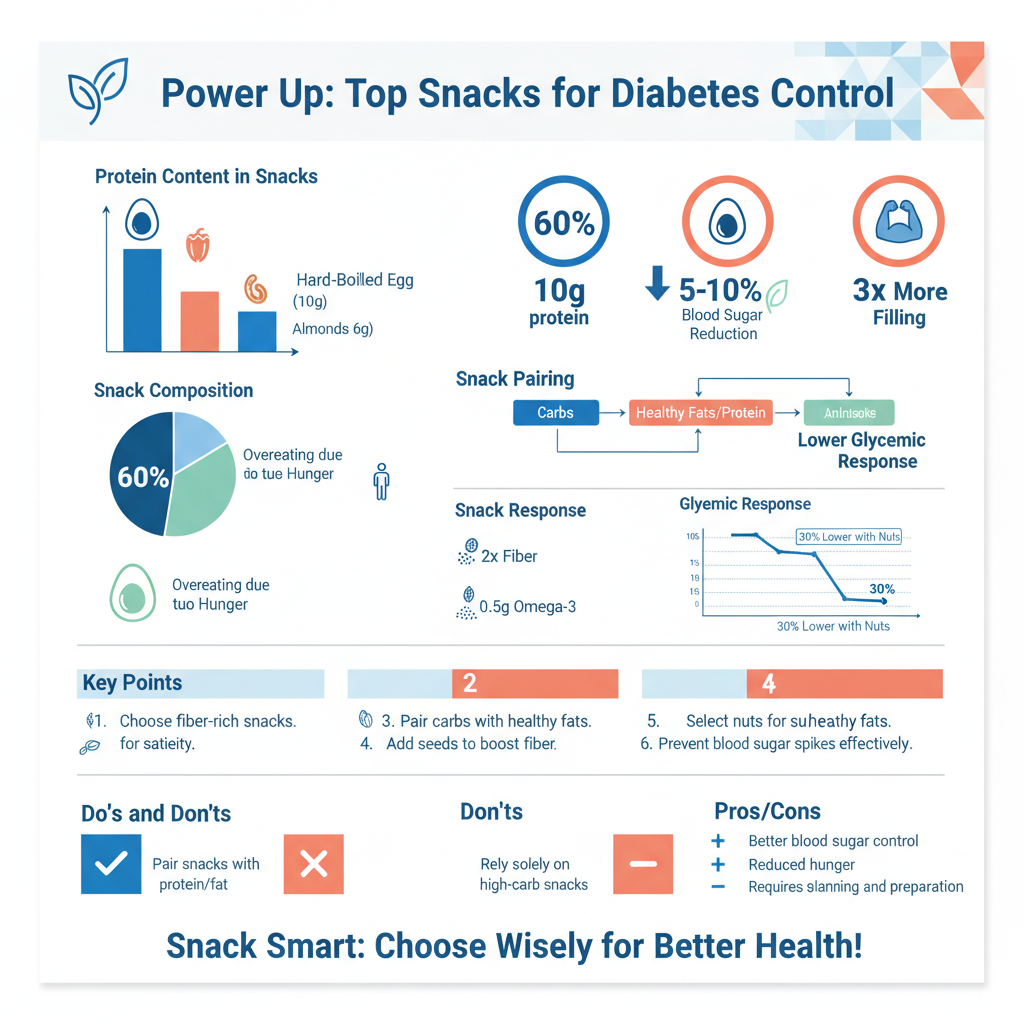
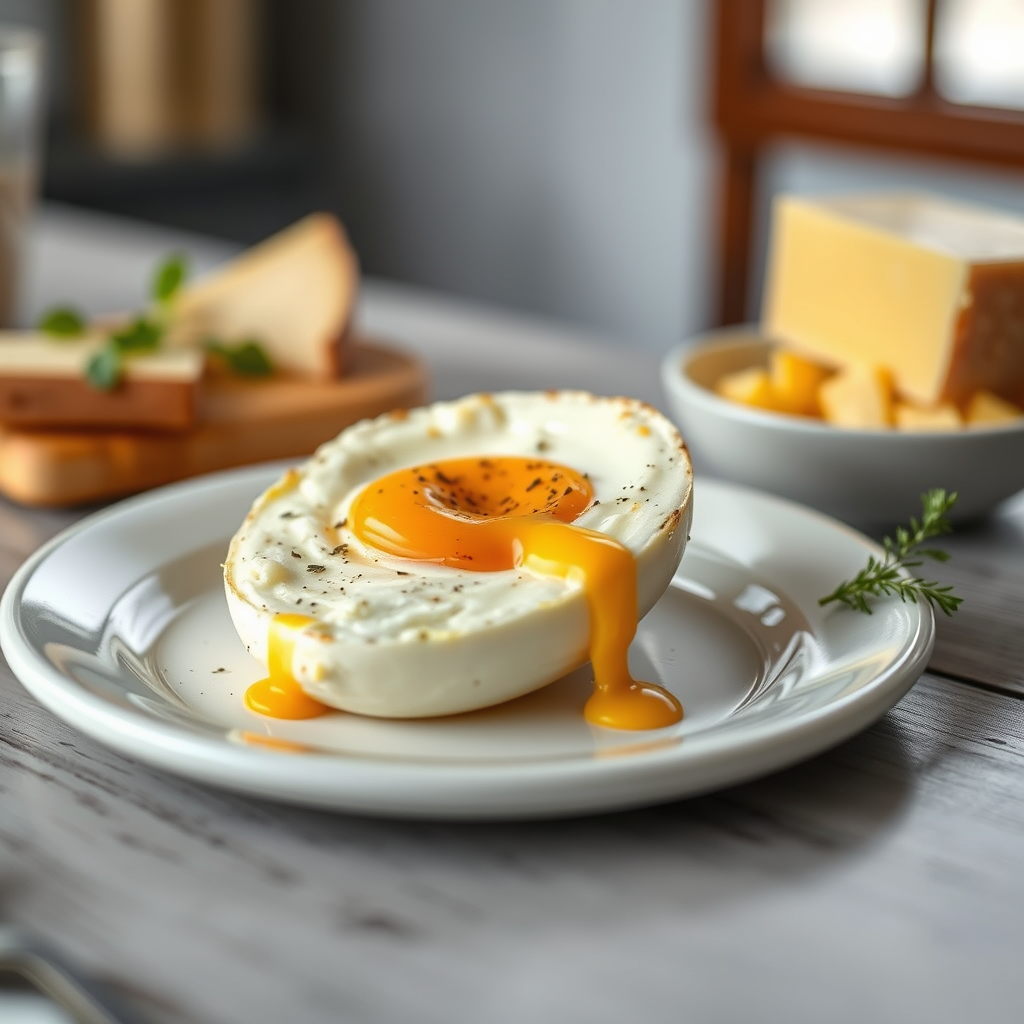
Protein is the most satiating macronutrient, making it essential for weight management—a critical component of type 2 diabetes care. Unlike carbohydrates, protein has a negligible impact on blood glucose levels, making these snacks safe options for keeping energy stable.
Hard-boiled eggs are a portable, high-protein snack that contains virtually no carbohydrates, preventing blood sugar spikes.
Eggs are often referred to as the “gold standard” of protein quality. One large egg provides roughly six grams of protein and zero grams of carbohydrates. This macronutrient profile ensures that consumption will not raise blood sugar, making hard-boiled eggs an ideal snack for those moments when glucose levels are already slightly elevated, but hunger is present. Additionally, eggs are rich in choline and lutein, nutrients that support brain and eye health, protecting against common diabetic complications. Their portability makes them an excellent option for busy professionals who need a reliable, pre-portioned snack on the go.
String cheese or cottage cheese offers a satisfying mix of protein and calcium, making them perfect for curbing appetite between meals.
Dairy products like string cheese and cottage cheese provide a unique benefit: the presence of casein protein. Casein digests slowly, providing a steady stream of amino acids and a prolonged feeling of fullness. Cottage cheese, in particular, has seen a resurgence in popularity due to its high protein-to-calorie ratio. A half-cup serving can provide upwards of 12 grams of protein with minimal carbohydrates. When selecting these snacks, it is advisable to look for reduced-sodium versions, as diabetes management often goes hand-in-hand with blood pressure management. Pairing a piece of string cheese with a few whole-grain crackers creates a balanced mini-meal that addresses both hunger and metabolic needs.
Fresh Fruits and Vegetables

There is a common misconception that diabetics must avoid fruit due to sugar content. In reality, whole fruits are vital sources of vitamins, minerals, and fiber. The key is selecting fruits with a low glycemic index (GI) and consuming them in moderation. Similarly, vegetables should form the foundation of any diabetic diet due to their low caloric density and high nutrient volume.
Berries, such as strawberries and blueberries, are packed with antioxidants and have a lower glycemic index compared to other fruits.
Berries are arguably the best fruit option for blood sugar management. They are rich in anthocyanins, the pigments that give them their red and blue colors. Research suggests that anthocyanins can inhibit certain digestive enzymes, slowing down the digestion of starch. Compared to tropical fruits like bananas or pineapples, berries have a significantly lower glycemic load. A cup of strawberries contains more vitamin C than an orange but with much less sugar. This allows for a sweet, refreshing snack that satisfies cravings without derailing glucose targets.
Raw vegetables like celery, cucumber, and baby carrots make great crunchy snacks, especially when dipped in hummus or guacamole.
Vegetables act as “volume foods,” allowing for larger portion sizes without a heavy caloric or carbohydrate penalty. However, raw vegetables alone may not provide enough satiety to carry one through to the next meal. This is where the pairing strategy becomes essential. Dipping vegetables in hummus (made from chickpeas) adds protein and complex carbohydrates, while guacamole (avocado) adds heart-healthy monounsaturated fats. This combination of fiber from the vegetables and fat from the dip ensures that the snack is metabolically stabilizing. It transforms a light bite into a sustaining fuel source.
Greek Yogurt and Dairy Alternatives
Fermented dairy products offer distinct advantages over standard milk or cheese. The fermentation process not only reduces lactose content but also introduces probiotics, which are increasingly linked to improved metabolic health.
Plain Greek yogurt is higher in protein and lower in carbohydrates than regular yogurt, helping you feel fuller for longer.
Greek yogurt is strained to remove liquid whey, resulting in a product that is thicker and creamier than traditional yogurt. This straining process removes a significant amount of lactose (milk sugar) while concentrating the protein. A typical serving of Greek yogurt can contain twice the protein and half the carbohydrates of regular yogurt. This high protein content triggers the release of satiety hormones such as peptide YY and GLP-1, which signal fullness to the brain and help regulate appetite.
Always opt for unsweetened varieties to avoid hidden added sugars, and sweeten naturally with a few pieces of fresh fruit.
The dairy aisle can be treacherous for diabetics due to the prevalence of “fruit-on-the-bottom” or vanilla-flavored yogurts, which often contain as much added sugar as a candy bar. To maintain control over carbohydrate intake, it is imperative to purchase plain, unsweetened yogurt. Flavor can be added manually using cinnamon, a splash of vanilla extract, or a handful of fresh berries. This approach allows for the enjoyment of a sweet, creamy snack while keeping the total sugar content within a safe, natural range.
Whole Grain Snack Options
While low-carb diets are popular for diabetes management, whole grains remain an important source of energy, B vitamins, and fiber. The objective is to choose grains that are minimally processed and to consume them in controlled portions.
Air-popped popcorn is a whole grain that serves as a high-volume, fiber-rich snack suitable for diabetes management when prepared without excessive butter or salt.
Many people are surprised to learn that popcorn is a 100% unprocessed whole grain. It is unique among snack foods because it contains a high volume of air, allowing for a physically larger portion size for fewer calories and carbohydrates compared to chips or pretzels. Three cups of air-popped popcorn contain roughly 15 grams of carbohydrates and 3 to 4 grams of fiber. This volume helps satisfy the psychological desire to snack while the fiber blunts the glucose response. It serves as an excellent alternative to refined grain snacks, provided it is not laden with sugary glazes or excessive fats.
Whole-grain crackers paired with tuna or avocado provide complex carbohydrates that digest slowly for sustained energy.
Not all crackers are created equal. When selecting crackers, one must look for “whole wheat” or “whole grain” as the first ingredient and ensure the product contains at least 3 grams of fiber per serving. However, eating crackers alone—even whole grain ones—can still cause a blood sugar rise. Pairing them with a healthy fat (avocado) or a lean protein (tuna salad) is essential. This combination mimics a balanced meal on a smaller scale, providing complex carbohydrates for energy and protein/fat to delay gastric emptying. This ensures a slow, steady release of energy rather than a spike and crash.
Tips for Smart Snacking
Successful snacking with diabetes is about more than just food selection; it involves mindfulness, timing, and label literacy. Snacks should be treated as tools to bridge the gap between meals, not as entertainment.
Practice strict portion control, even with healthy foods, to ensure you stay within your daily carbohydrate limits.
Even nutrient-dense foods can impact blood sugar if consumed in large quantities. For example, while nuts are healthy, they are calorie-dense; while fruit is nutritious, it contains fructose. Using small bowls or snack-sized bags rather than eating directly from a large package helps prevent “portion distortion.” Measuring cups and food scales can be valuable tools, especially when introducing new snacks into your routine, to ensure that carbohydrate counting remains accurate.
Read nutrition labels carefully to identify hidden sugars, sodium, or unhealthy fats in packaged snack foods.
Marketing claims such as “sugar-free,” “natural,” or “diabetic-friendly” can be misleading. “Sugar-free” products often contain sugar alcohols like sorbitol or maltitol, which can still affect blood sugar and cause digestive distress in some individuals. It is crucial to read the Nutrition Facts panel, paying close attention to “Total Carbohydrates” rather than just sugar. Additionally, checking the ingredient list for hidden sugar sources (like high fructose corn syrup, dextrose, or maltodextrin) and monitoring sodium levels is vital for comprehensive cardiovascular health.
Selecting the best snacks for diabetics involves balancing nutrition to maintain steady energy levels throughout the day. By incorporating these protein-rich and high-fiber options into your diet, you can manage your blood sugar effectively while still enjoying delicious food. Start integrating these healthy swaps into your grocery list today to support your long-term health goals. Proper snacking is not about restriction; it is about empowerment—using food as fuel to maintain stability, energy, and overall well-being.
Frequently Asked Questions
What are good late-night snacks for diabetics to prevent high morning blood sugar?
A small, balanced snack containing protein and healthy fats is ideal for stabilizing overnight blood glucose levels and preventing the “dawn phenomenon.” Excellent bedtime options include a handful of almonds, a hard-boiled egg, or a small portion of plain Greek yogurt with flaxseeds. These foods provide a slow release of energy that helps keep blood sugar stable while you sleep without causing a spike.
Which store-bought packaged snacks are healthy for people with diabetes?
When choosing grab-and-go options, look for snacks with low added sugar, high fiber, and a good protein count to ensure steady energy. Great convenience store or supermarket picks include individual string cheese sticks, pre-portioned hummus with vegetables, roasted chickpeas, or beef jerky with no added sugar. Always check the nutrition label to ensure the total carbohydrate count fits within your specific dietary plan.
How can I satisfy a sweet tooth without spiking my blood sugar?
You can manage sugar cravings by choosing low-glycemic treats that combine natural sweetness with fiber or fat to slow absorption. Try snacking on berries topped with whipped cream, chia seed pudding made with sugar-free sweeteners, or a square of dark chocolate containing at least 70% cocoa. These alternatives offer a rich, satisfying flavor profile while keeping your glycemic response much lower than traditional desserts.
Why is it important to pair carbohydrates with protein in diabetic snacks?
Pairing carbohydrates with protein or healthy fats significantly slows down the digestion process, which prevents rapid spikes in blood glucose levels immediately after eating. This combination creates a “buffer” that allows glucose to enter the bloodstream more gradually, helping you maintain better insulin sensitivity. Additionally, protein-rich pairings increase satiety, helping you feel full longer and preventing overeating.
What are the best low-carb fruits to eat as a diabetic snack?
Berries such as blackberries, raspberries, and strawberries are top choices because they are packed with antioxidants and fiber while having a very low glycemic impact. Other safe fruit options include tart apples, pears, and citrus fruits like oranges, provided they are eaten in moderation. To maximize blood sugar control, it is best to eat these fruits with the skin on for extra fiber and pair them with a fat source like peanut butter.
References
- Snacking when you have diabetes: MedlinePlus Medical Encyclopedia
- Diabetes diet: Create your healthy-eating plan – Mayo Clinic
- Healthy Eating | Diabetes | CDC
- https://health.clevelandclinic.org/snacking-with-diabetes-it-can-be-tricky-but-tasty
- Healthy food swaps: snacks | Diabetes UK
- Healthy Living with Diabetes – NIDDK
- Page Not Found | Utah State University
- https://www.hopkinsmedicine.org/health/conditions-and-diseases/diabetes/diabetes-diet-create-your-healthy-eating-plan
