
For individuals managing diabetes, the best foods to eat are primarily whole, unprocessed options rich in fiber, lean proteins, and healthy fats, while carefully managing carbohydrate intake. Focusing on nutrient-dense choices like non-starchy vegetables, lean proteins, healthy fats, and complex carbohydrates can significantly help in blood sugar management and overall well-being. This comprehensive guide will outline specific food groups that form the cornerstone of a diabetes-friendly diet, offering practical advice and delicious ideas to help you take control of your health.
The Foundation: Principles of a Diabetic-Friendly Diet

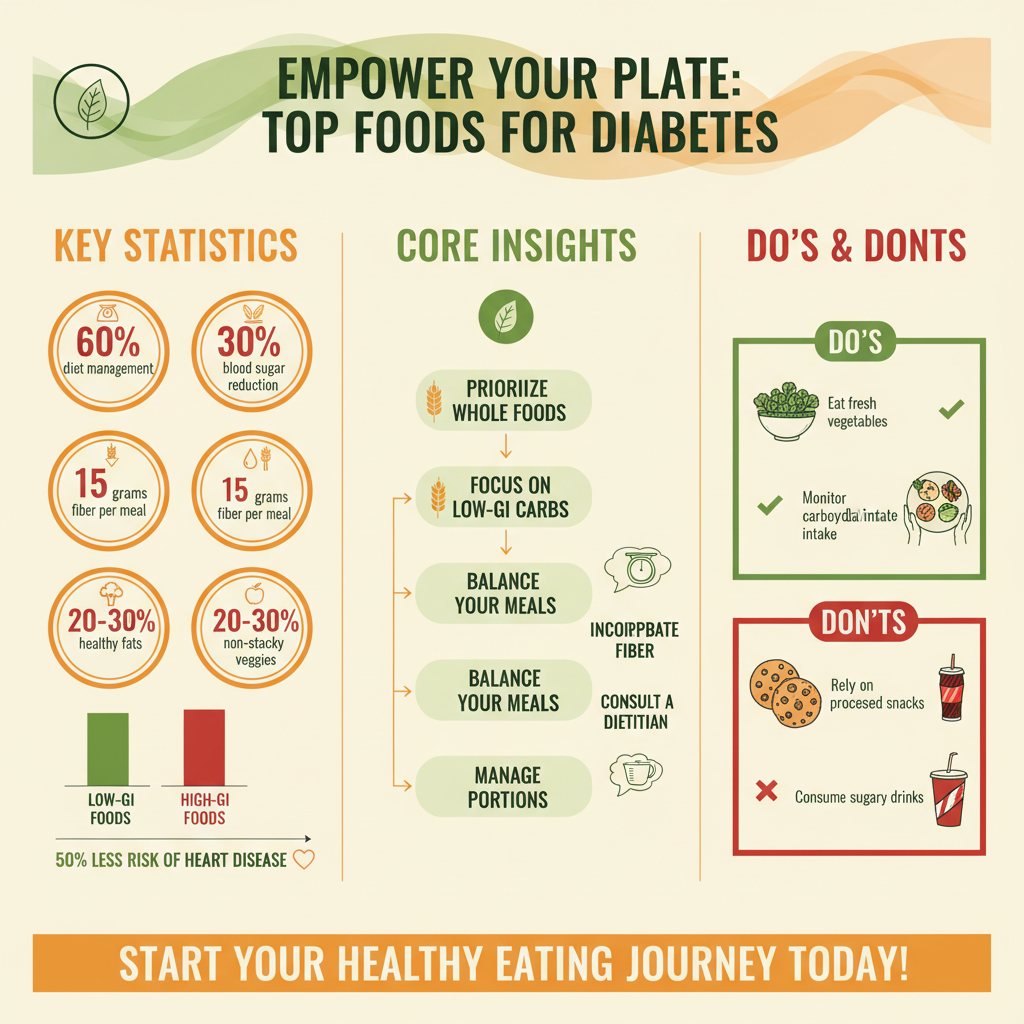
Building a successful diabetes-friendly diet starts with understanding a few core principles. These aren’t just rules to follow; they’re guidelines to empower you to make informed, healthier choices every day, helping to stabilize blood sugar, manage weight, and improve overall health.
– Prioritize Whole, Unprocessed Foods: This is perhaps the most crucial principle. Whole foods are those that are as close to their natural state as possible, meaning they haven’t been stripped of their nutrients or loaded with artificial ingredients. Emphasize fresh produce, whole grains, lean proteins, and healthy fats. Why? Because processed items often come packed with hidden added sugars, unhealthy trans or saturated fats, and excessive sodium – all of which can negatively impact blood sugar levels, heart health, and weight management. Think fresh fruits and vegetables over canned or sugary versions, homemade meals over fast food, and oats over sugary cereals. Making this shift alone can dramatically improve your glycemic control and provide your body with the essential vitamins and minerals it needs to thrive.
– Manage Carbohydrate Intake: Carbohydrates are the body’s primary source of energy, but they also have the most direct impact on blood sugar levels. The key isn’t to eliminate carbs entirely, but to focus on complex carbohydrates with a low glycemic index (GI). Low-GI foods, such as whole grains, legumes, and many vegetables, release glucose slowly into the bloodstream, preventing those sudden, sharp blood sugar spikes that can be so damaging. In contrast, simple carbohydrates found in sugary drinks, white bread, and sweets cause a rapid increase. Learning about portion sizes and understanding how different carbs affect your body is vital. Many individuals find carbohydrate counting, often with the guidance of a dietitian, to be an effective tool for managing their intake and maintaining stable blood sugar.
– Balanced Meals are Key: Each meal offers an opportunity to provide your body with a balanced mix of nutrients that work together to stabilize blood sugar. Aim for meals that combine carbohydrates with protein and healthy fats. Protein and healthy fats help slow down the digestion and absorption of carbohydrates, which in turn moderates the rise in blood sugar after eating. They also contribute significantly to satiety, helping you feel fuller for longer and reducing the likelihood of overeating or snacking on less healthy options. For example, pairing a piece of fruit (carb) with a handful of almonds (protein/fat) or including lean chicken (protein) and avocado (fat) with your quinoa (carb) and veggies ensures a more stable and satisfying meal experience.
Powerhouse Produce: Non-Starchy Vegetables & Low-Glycemic Fruits

When it comes to produce, you have two incredible allies in managing diabetes: an abundance of non-starchy vegetables and smart choices in low-glycemic fruits. These vibrant foods are packed with nutrients and fiber, offering maximum health benefits with minimal impact on your blood sugar.
– Abundant Non-Starchy Vegetables: This category is your go-to for volume and nutrients without the carb load. You can truly load up on these! Think leafy greens like spinach, kale, and Swiss chard, which are bursting with vitamins K and A, and antioxidants. Broccoli, cauliflower, Brussels sprouts, bell peppers (all colors!), cucumbers, asparagus, green beans, and tomatoes are also fantastic choices. They are incredibly low in calories and carbohydrates but exceptionally high in fiber, vitamins, and minerals. Fiber is a superpower for diabetics; it aids in digestion, helps you feel full, and most importantly, slows the absorption of sugar into your bloodstream. Incorporate them into every meal: add spinach to your eggs, enjoy a large salad for lunch, roast broccoli and cauliflower as a side, or snack on bell pepper strips and cucumber slices.
– Smart Fruit Choices: While fruits do contain natural sugars (fructose), they are also rich in essential vitamins, minerals, and fiber, making them a much healthier sweet treat than processed desserts. The trick is to choose low-glycemic fruits that provide these benefits without causing rapid blood sugar increases. Excellent choices include a variety of berries (strawberries, blueberries, raspberries, blackberries), which are particularly high in antioxidants. Apples, pears, oranges, grapefruit, kiwi, and peaches are also wonderful options. These fruits, thanks to their fiber content, release their sugars more slowly into your system compared to fruit juices or dried fruits.
– Portion Control for Fruits: Even with healthy choices, portion control is key because fruits still contain natural sugars. Being mindful of how much fruit you consume in one sitting helps keep your carbohydrate intake in check. For example, instead of eating several apples, stick to one small apple. A cup of berries or half a large banana are good portion sizes. Pairing your fruit with a source of protein or healthy fat, like a handful of nuts or a dollop of Greek yogurt, can further help mitigate any potential blood sugar spike and keep you feeling satisfied.
Smart Carbs: Whole Grains & Legumes
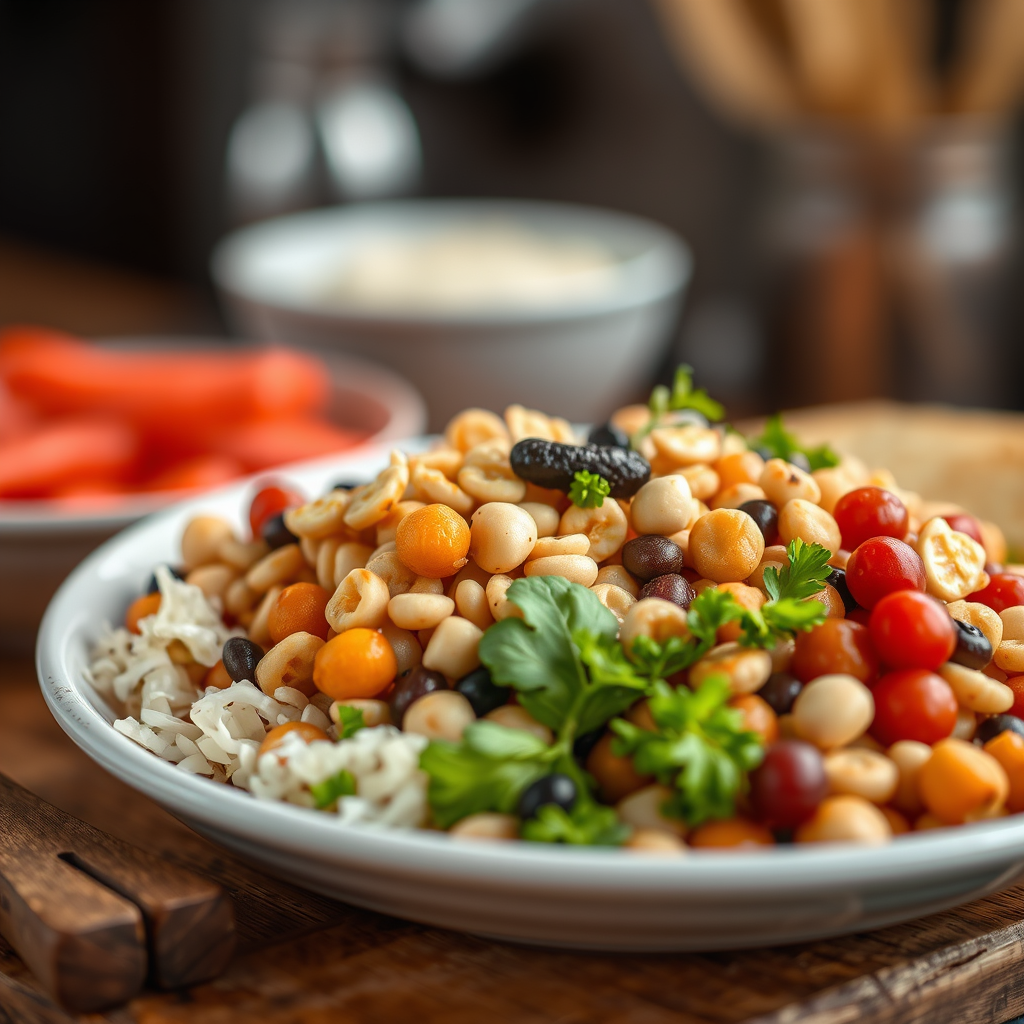
Not all carbohydrates are created equal, especially when you’re managing diabetes. The smart choices in this category focus on foods that provide sustained energy, significant fiber, and a wealth of nutrients without sending your blood sugar on a roller coaster.
– Choose Whole Grains: Ditch the refined white flours and sugary cereals and embrace the goodness of whole grains. Incorporate options such as oats (especially steel-cut or rolled oats), quinoa, brown rice, wild rice, whole-wheat bread and pasta, farro, and barley. These grains are true nutritional powerhouses. Unlike refined grains, they retain all three parts of the grain kernel – the bran, germ, and endosperm – meaning they’re rich in fiber, B vitamins, magnesium, iron, and other vital nutrients. The high fiber content in whole grains is instrumental in regulating blood sugar levels by slowing down glucose absorption, providing a steady release of energy rather than a sudden surge. Look for products labeled “100% whole grain” to ensure you’re getting the most benefit.
– Include Legumes Regularly: Beans, lentils, and chickpeas are often overlooked, but they are nutritional champions for anyone managing diabetes. Black beans, kidney beans, pinto beans, navy beans, green lentils, red lentils, and chickpeas are excellent sources of plant-based protein and an incredible amount of soluble fiber. Soluble fiber is particularly beneficial because it forms a gel-like substance in your digestive tract, which slows down the digestion and absorption of carbohydrates, contributing to stable blood sugar levels. Beyond blood sugar, legumes also promote digestive health, can help lower cholesterol, and keep you feeling full and satisfied. They are wonderfully versatile: add them to soups, stews, salads, make bean burgers, or whip up a batch of hummus from chickpeas.
– Fiber for Blood Sugar Management: Let’s reiterate the profound impact of fiber. The fiber found abundantly in whole grains and legumes plays a critical role in diabetes management. It literally helps to create a “speed bump” for sugar absorption. When you eat fiber-rich foods, glucose enters your bloodstream more gradually, preventing those sharp, undesirable spikes after meals. This steady absorption is crucial for maintaining energy levels, reducing the strain on your pancreas, and preventing long-term complications associated with elevated blood sugar. Aim to include a variety of fiber sources in your diet every day to reap these amazing benefits.
Lean Proteins & Healthy Fats for Stability
Protein and healthy fats are essential components of a diabetes-friendly diet. They don’t directly raise blood sugar levels, and they play a crucial role in making your meals satisfying, supporting overall health, and helping to stabilize glucose levels by slowing down the digestion of carbohydrates.
– Opt for Lean Proteins: Protein is vital for building and repairing tissues, producing enzymes and hormones, and contributing to satiety, which helps prevent overeating. For diabetes management, focus on lean sources to avoid excessive saturated fat. Excellent choices include skinless poultry (chicken and turkey breast), fish (especially fatty fish like salmon, mackerel, sardines, and trout, which are rich in omega-3 fatty acids), eggs, and lean cuts of red meat (sirloin, tenderloin) in moderation. Omega-3s found in fatty fish are particularly beneficial for heart health, an important consideration for individuals with diabetes. Grilling, baking, broiling, or steaming are healthier cooking methods that preserve the leanness of your protein choices. Aim to include a source of lean protein at every meal to help stabilize your blood sugar and keep you feeling full.
– Embrace Plant-Based Proteins: Diversifying your protein sources is a fantastic strategy, and plant-based proteins offer incredible nutritional benefits. Tofu, tempeh, edamame, and a variety of nuts and seeds are not only excellent protein alternatives but also often come with additional fiber, vitamins, and minerals. Tofu and tempeh are versatile and can absorb flavors wonderfully, making them great in stir-fries, salads, or grilled. Edamame makes a quick, satisfying snack. Nuts like almonds, walnuts, pistachios, and pecans, along with seeds such as chia, flax, and hemp, provide protein, fiber, and healthy fats, making them ideal for snacks or additions to meals. They contribute to a feeling of fullness and can help manage cholesterol levels.
– Healthy Fats are Essential: Don’t fear fat; embrace the *right* kind of fat! Monounsaturated (MUFAs) and polyunsaturated fats (PUFAs) are crucial for heart health, brain function, hormone production, and the absorption of fat-soluble vitamins. They also significantly contribute to satiety, helping you feel full and satisfied after meals, which is a major win for weight management and preventing overeating. Incorporate sources like avocados, extra virgin olive oil, nuts (almonds, walnuts, cashews), and seeds (chia seeds, flax seeds, pumpkin seeds, sunflower seeds). While healthy, fats are calorie-dense, so moderation is still important. A drizzle of olive oil on your salad, a quarter of an avocado with your lunch, or a small handful of nuts as a snack are perfect ways to include these beneficial fats.
Beverages & What to Limit
What you drink is just as important as what you eat when managing diabetes. Many common beverages can wreak havoc on blood sugar levels, while others are incredibly beneficial for your overall health without any negative impact.
– Water is Your Best Friend: This cannot be stressed enough. Staying well-hydrated with plain water is absolutely crucial for everyone, but especially for individuals managing diabetes. Water has zero calories, zero carbohydrates, and zero impact on blood sugar levels. It helps your kidneys flush out excess glucose through urine, preventing dehydration, and supporting overall metabolic function. It also plays a key role in energy levels and preventing fatigue. Make water your primary beverage choice throughout the day. If plain water feels boring, try infusing it with slices of lemon, lime, cucumber, mint, or a few berries for a refreshing, sugar-free flavor boost.
– Unsweetened Options: If you crave something beyond water, unsweetened tea and coffee are generally safe choices in moderation. Black coffee and unsweetened green, black, or herbal teas contain negligible carbohydrates and calories. However, be mindful of what you add to them. Sugary creamers, flavored syrups, and even artificial sweeteners can sometimes have unexpected effects or contribute to cravings. It’s best to enjoy these beverages plain or with a splash of unsweetened almond milk. Always check labels on ready-made options to ensure they don’t contain added sugars.
– Limit or Avoid Sugary Drinks: This is perhaps the most critical advice regarding beverages. Sugary drinks are one of the fastest and most direct ways to cause rapid and significant blood sugar spikes. Steer clear of sodas, fruit juices (even “100% pure” fruit juice, which is stripped of fiber and acts much like sugar water in your body), sweetened teas, sports drinks, and energy drinks. These beverages are essentially liquid sugar, offering empty calories with no nutritional value and providing an immediate glucose surge that can be dangerous for someone with diabetes. Making the switch from sugary drinks to water or unsweetened alternatives is one of the single most impactful changes you can make to improve your blood sugar control and overall health.
Adopting a diet rich in whole, unprocessed foods, lean proteins, healthy fats, and smart carbohydrate choices is fundamental for managing diabetes effectively. By prioritizing non-starchy vegetables, whole grains, legumes, and lean proteins, you can stabilize blood sugar levels, improve heart health, manage weight, and enhance your overall well-being. Remember that this journey is unique for everyone, and small, consistent steps lead to significant progress. Always remember to consult with a doctor or a registered dietitian to create a personalized meal plan tailored to your specific needs, health goals, and medical conditions, ensuring you receive the best possible guidance on your path to better health.
Frequently Asked Questions
What are the absolute best foods for managing diabetes?
The best foods for managing diabetes are generally whole, unprocessed options rich in fiber, lean protein, and healthy fats. Prioritize non-starchy vegetables like leafy greens, broccoli, and peppers, alongside lean protein sources such as fish, chicken breast, beans, and lentils. Incorporating healthy fats from avocados, nuts, and olive oil can also help with satiety and blood sugar control, making them essential components of a diabetic diet.
Which fruits and vegetables are safe and beneficial for diabetics to eat?
For fruits, focus on those with a lower glycemic index and high fiber content, such as berries, apples, pears, and oranges, eaten in controlled portions to manage blood sugar spikes. When it comes to vegetables, non-starchy options are excellent choices, including spinach, kale, cucumbers, bell peppers, and broccoli, as they are low in carbohydrates and rich in essential nutrients. These choices help stabilize blood glucose levels while providing vital vitamins and minerals.
How can I choose healthy protein sources if I have diabetes?
Opt for lean protein sources that support blood sugar management without contributing to unhealthy fats, which is crucial for diabetic health. Excellent choices include skinless poultry, fish (especially fatty fish like salmon for omega-3s), beans, lentils, tofu, and Greek yogurt. These protein-rich foods help you feel full, stabilize glucose, and preserve muscle mass, all vital aspects of a diabetes-friendly meal plan.
What types of carbohydrates are recommended for a diabetic diet?
Focus on complex carbohydrates found in whole grains, legumes, and non-starchy vegetables, as these are digested slowly and provide a steady release of glucose, preventing rapid spikes. Examples include whole oats, brown rice, quinoa, and sweet potatoes, eaten in controlled portions to align with your daily carbohydrate limits. It’s crucial to limit refined carbohydrates like white bread, sugary cereals, and pastries, which can cause significant fluctuations in blood sugar.
Why is fiber so important in a diabetic meal plan, and which foods are rich in it?
Fiber is critically important for diabetics because it helps slow down sugar absorption, which prevents rapid blood sugar spikes after meals and contributes to better overall glucose control. It also promotes satiety, aids digestion, and can help lower cholesterol, supporting cardiovascular health. Excellent high-fiber foods to incorporate include all vegetables, fruits with edible skins, legumes (beans, lentils), whole grains, nuts, and seeds.
References
- https://diabetes.org/healthy-living/recipes-nutrition/eating-healthy/foods-to-eat
- https://diabetes.org/healthy-living/recipes-nutrition/eating-healthy/foods-that-can-help-you-control-your-blood-sugar
- https://www.cdc.gov/diabetes/managing/eat-well.html
- Healthy Living with Diabetes – NIDDK
- https://www.mayoclinic.org/diseases-conditions/diabetes/in-depth/diabetes-diet/art-20044295
- https://www.hsph.harvard.edu/nutritionsource/disease-prevention/diabetes-prevention/preventing-diabetes-diet/
- https://my.clevelandclinic.org/health/articles/10948-diabetes-and-nutrition
