
The best diet for diabetics is not a one-size-fits-all plan but rather a balanced approach prioritizing whole, unprocessed foods that stabilize blood glucose levels. Medical experts generally recommend the Mediterranean Diet or the DASH Diet as the most effective frameworks, as they focus on high-fiber vegetables, lean proteins, and healthy fats while strictly limiting refined carbohydrates and added sugars. Adopting these eating habits helps manage insulin sensitivity and reduces the risk of cardiovascular complications, transitioning the focus from restrictive dieting to sustainable lifestyle management.
Understanding Carbohydrates and Glycemic Index

For individuals managing diabetes, carbohydrates are often viewed as the primary adversary; however, understanding the nuance between different types of carbohydrates is the cornerstone of effective blood sugar control. Not all carbohydrates are created equal. They are generally categorized into simple and complex forms, and the distinction significantly impacts metabolic health.
Simple carbohydrates, found in sugary sodas, baked goods, and processed snacks, consist of short chains of sugar molecules. The body breaks these down rapidly, causing a sharp and immediate spike in blood glucose. This forces the pancreas to release a surge of insulin to compensate, often leading to a subsequent crash in blood sugar, known as hypoglycemia, which triggers cravings and perpetuates a harmful cycle. Conversely, complex carbohydrates—found in whole grains, legumes, and vegetables—contain longer chains of sugar molecules intertwined with fiber. This structure requires more time and energy for the body to digest, resulting in a slower, more controlled release of glucose into the bloodstream.
To navigate carbohydrate choices effectively, the Glycemic Index (GI) serves as a critical metric. The GI ranks foods on a scale of 0 to 100 based on how much they raise blood sugar levels after consumption.
* High-GI foods (70 and above): These cause rapid spikes. Examples include white bread, white rice, and potatoes.
* Low-GI foods (55 and below): These are digested slowly. Examples include rolled oats, lentils, and most fruits.
By prioritizing low-GI foods, diabetics can maintain steadier energy levels and reduce the strain on their insulin production. However, it is also important to consider the Glycemic Load (GL), which accounts for the portion size of the food, offering a more accurate picture of a food’s real-world impact on blood sugar.
The Plate Method: A Simple Planning Tool
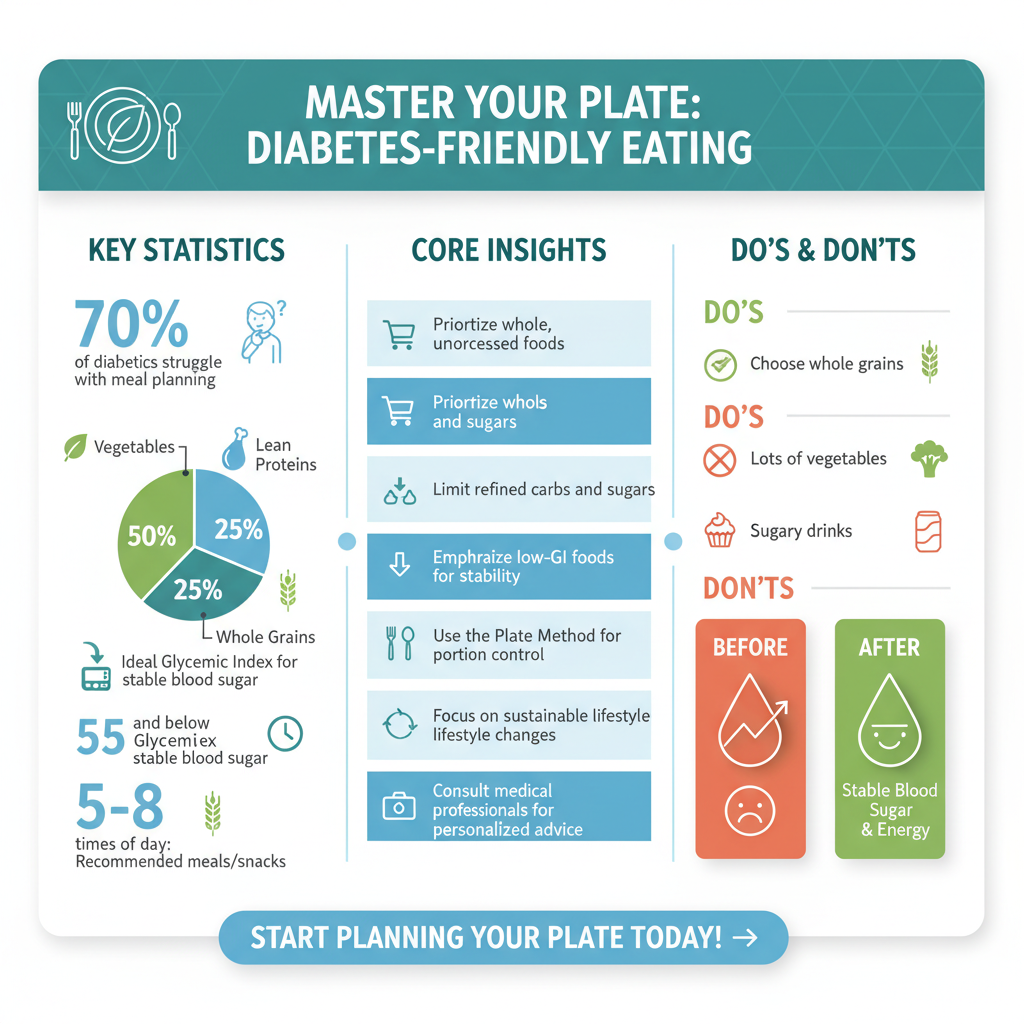

For many patients, the complexity of counting macros or tracking grams of sugar can be overwhelming and unsustainable. The “Plate Method,” championed by the American Diabetes Association, offers a visual and practical alternative to strict calorie counting. It relies on the 50/25/25 rule to ensure nutrient density and portion control.
To implement this, visualize a standard 9-inch dinner plate:
* 50% Non-Starchy Vegetables: Fill half of your plate with vegetables such as spinach, broccoli, carrots, or green beans. These foods are low in calories and carbohydrates but high in volume and fiber, helping to induce satiety without impacting blood sugar.
* 25% Lean Protein: One-quarter of the plate should be dedicated to protein sources like chicken, turkey, tofu, eggs, or fish. Protein is essential for tissue repair and muscle maintenance and has a negligible effect on blood glucose levels.
* 25% Carbohydrates: The final quarter is reserved for complex carbohydrates. This could be brown rice, quinoa, sweet potatoes, or whole-grain pasta. By limiting high-carb foods to this small section, you naturally moderate your glucose intake.
This visual guide simplifies meal planning in restaurants or at home, eliminating the need for scales or measuring cups. It shifts the psychological focus from restriction (“I can’t eat that”) to proportion (“I can eat that in this amount”), which is vital for long-term adherence.
Top Foods to Eat
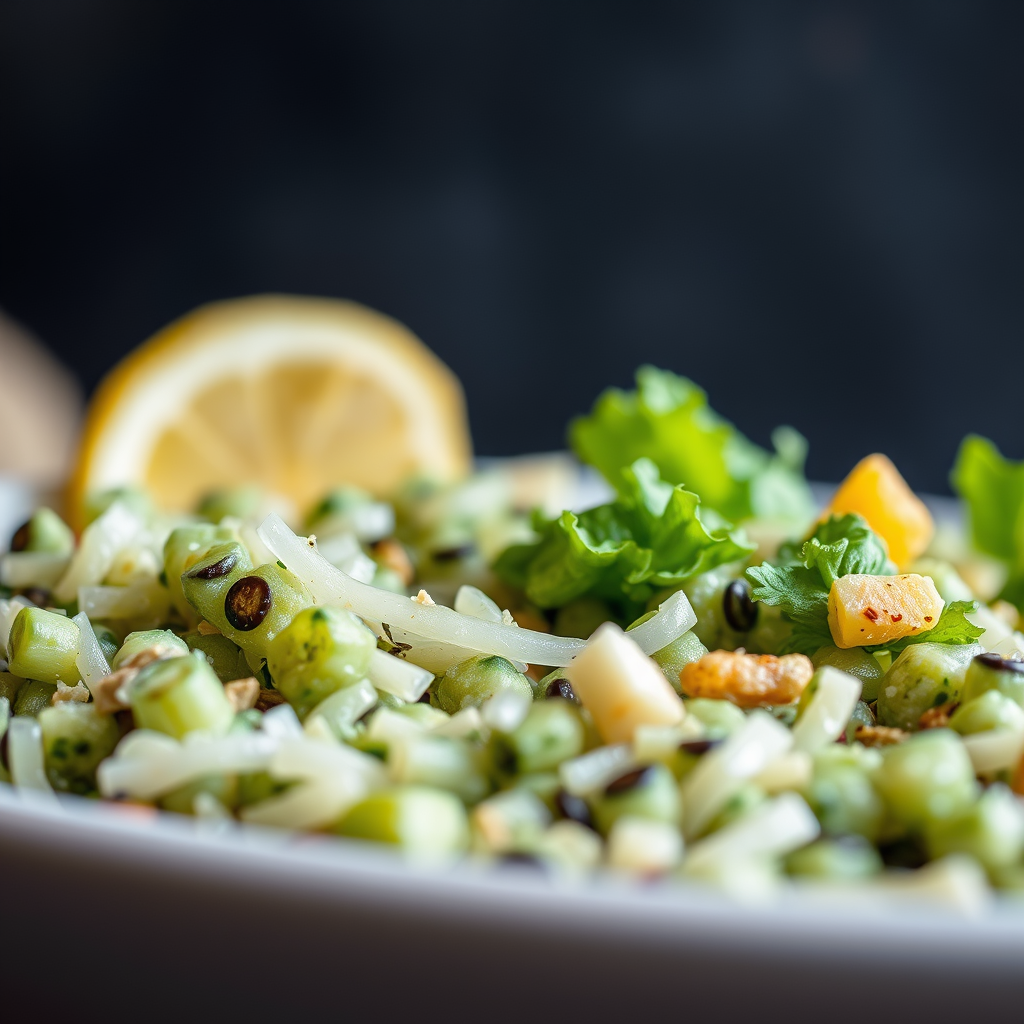
A diabetes-friendly diet should be viewed as an opportunity to nourish the body with high-quality fuel. Focusing on specific “power foods” can improve insulin sensitivity and reduce the risk of diabetes-related complications, such as heart disease and neuropathy.
Non-starchy vegetables are the foundation of a healthy diabetic diet. Leafy greens like kale and spinach, cruciferous vegetables like broccoli and cauliflower, and colorful options like peppers and tomatoes provide essential vitamins, minerals, and antioxidants. Importantly, the high fiber content in these vegetables acts as a physical barrier in the digestive system, slowing down the absorption of sugar from other foods consumed in the same meal.
Healthy fats and proteins are equally critical. Historically, fats were demonized, but modern nutritional science confirms that healthy fats are essential for diabetics.
* Avocados and Nuts: Rich in monounsaturated fats, these help improve heart health and provide sustained energy.
* Fatty Fish: Salmon, mackerel, and sardines are high in omega-3 fatty acids, which reduce inflammation and protect the cardiovascular system—a major concern since diabetics are at a higher risk for heart disease.
* Lean Proteins: Chicken breast, turkey, and plant-based proteins like lentils provide satiety. Protein triggers the release of glucagon, a hormone that works with insulin to stabilize blood sugar levels.
Foods to Limit or Avoid
While moderation is key, certain food groups pose significant risks to blood sugar regulation and long-term health. Eliminating or severely restricting these items is often necessary to achieve optimal glycemic control.
Refined carbs and sugars represent the most immediate danger. Foods such as white bread, traditional pasta, pastries, and sugary beverages lack fiber and nutrients. When consumed, they act almost identically to pure table sugar in the bloodstream. Sugary beverages, including sodas, sweetened teas, and fruit juices, are particularly harmful because liquid sugar is absorbed faster than solid food, leading to severe spikes.
Processed meats should also be limited. Bacon, sausages, hot dogs, and deli meats are often high in sodium and preservatives like nitrates. High sodium intake exacerbates hypertension (high blood pressure), a condition that frequently co-occurs with diabetes. Furthermore, studies have shown a correlation between heavy consumption of processed red meats and increased insulin resistance. Opting for fresh, unprocessed cuts of meat or plant-based alternatives significantly lowers the inflammatory burden on the body.
Structured Eating Plans That Work
Rather than inventing a new diet from scratch, diabetics can benefit from established, evidence-based dietary frameworks that have been proven to manage blood sugar and improve cardiovascular health.
The Mediterranean Diet is widely regarded by endocrinologists as the gold standard for diabetes management. This eating pattern is not a “diet” in the restrictive sense but a lifestyle based on the traditional foods of countries bordering the Mediterranean Sea. It focuses heavily on plant-based foods, including vegetables, fruits, whole grains, beans, nuts, and seeds. Olive oil is the primary source of added fat, replacing butter and margarine. The diet encourages moderate consumption of fish and poultry while limiting red meat. The high intake of monounsaturated fats and fiber helps lower hemoglobin A1C levels and improves cardiovascular markers.
The DASH Diet (Dietary Approaches to Stop Hypertension) is another highly effective framework. Originally designed to lower blood pressure without medication, it is exceptionally beneficial for diabetics. The DASH diet emphasizes portion size control and eating a variety of foods rich in nutrients that help lower blood pressure, such as potassium, calcium, and magnesium. By strictly limiting sodium and saturated fats while promoting whole grains and lean proteins, the DASH diet addresses the “deadly quartet” often found in metabolic syndrome: obesity, high blood pressure, high blood sugar, and abnormal cholesterol levels.
The Importance of Meal Timing
What you eat is undeniably important, but when you eat plays a surprisingly large role in diabetes management. The human body operates on circadian rhythms that influence hormone sensitivity, including insulin.
Eating at consistent times helps regulate insulin levels throughout the day. When you establish a routine, your body learns to anticipate food intake and prepares the necessary enzymes and hormones for digestion. Irregular eating patterns can confuse these biological signals. For example, eating a heavy meal late at night when insulin sensitivity is naturally lower can lead to prolonged periods of high blood sugar while you sleep.
Furthermore, skipping meals—particularly breakfast—can be detrimental. When the body is deprived of fuel for too long, the liver may release stored glucose into the bloodstream to provide energy, a phenomenon known as “hepatic glucose output.” If this occurs when insulin levels are low, it can cause an unexpected spike in blood sugar. Conversely, for those on insulin or sulfonylureas, skipping meals can lead to dangerous hypoglycemia (low blood sugar). Spreading food intake evenly across the day through three balanced meals and perhaps one small snack keeps the metabolism active and blood glucose levels within a safe, narrow range.
Finding the best diet for diabetics ultimately comes down to creating a sustainable, nutrient-rich eating pattern that fits your lifestyle. By focusing on the quality of your carbohydrates and using tools like the Plate Method, you can take control of your blood sugar without feeling deprived. Always consult with your healthcare provider or a registered dietitian to tailor these recommendations to your specific health needs before making significant dietary changes.
Frequently Asked Questions
What is the most effective diet plan for managing Type 2 diabetes and losing weight?
The most effective diet plans for Type 2 diabetes, such as the Mediterranean diet or the DASH diet, prioritize whole grains, lean proteins, healthy fats, and plenty of vegetables. These dietary approaches improve insulin sensitivity and support sustainable weight loss by focusing on nutrient-dense foods rather than extreme calorie restriction. By reducing processed foods and balancing macronutrients, these diets help regulate blood sugar levels naturally while reducing the risk of heart disease.
Which fruits are safe to eat on a low-sugar diabetic diet?
While fruits contain natural sugars, those with a low glycemic index (GI)—such as berries, cherries, apples, and pears—are excellent choices for diabetics because they are high in fiber. Fiber slows down the absorption of sugar into the bloodstream, preventing rapid glucose spikes that occur with high-GI fruits like melons or pineapple. It is always better to consume whole fruits with their skin on rather than fruit juices, which lack fiber and can cause immediate blood sugar variances.
Is the Keto diet safe and beneficial for people with diabetes?
The Ketogenic (Keto) diet can be very effective for lowering A1C levels and reducing insulin resistance by drastically cutting carbohydrate intake, forcing the body to burn fat for fuel. However, it requires strict medical supervision, especially for those taking insulin or certain medications, as it carries a risk of hypoglycemia (dangerously low blood sugar). Before starting a high-fat, low-carb lifestyle, consult a healthcare provider to ensure it aligns with your heart health and kidney function.
What foods should diabetics strictly avoid to keep blood sugar stable?
To maintain stable blood sugar readings, diabetics should avoid refined carbohydrates like white bread, white rice, and pastries, which break down quickly into sugar. Additionally, sugary beverages such as sodas, sweetened teas, and fruit juices should be eliminated as they cause the fastest and most severe glucose spikes. Processed meats and foods high in trans fats should also be limited to reduce inflammation and manage cardiovascular risks associated with diabetes.
How does the “Plate Method” work for simple diabetic meal planning?
The Diabetes Plate Method is a visual meal planning tool recommended by the ADA that requires no counting or measuring tools: simply fill half your plate with non-starchy vegetables like spinach or broccoli. Dedicate one-quarter of the plate to lean proteins like chicken or tofu, and the remaining quarter to carbohydrate foods like brown rice or starchy vegetables. This strategy naturally controls portion sizes and carbohydrate intake, making it easier to manage post-meal blood sugar levels.
References
- Healthy Living with Diabetes – NIDDK
- https://www.cdc.gov/diabetes/managing/eat-well/meal-plan-method.html
- Diabetes diet: Create your healthy-eating plan – Mayo Clinic
- Nutrition and Diabetes | ADA
- https://www.health.harvard.edu/blog/what-is-the-best-diet-for-diabetes-202304242928
- https://health.clevelandclinic.org/what-is-the-best-diet-for-diabetes
- Eating with diabetes | Guide to diabetes | Diabetes UK
- https://www.ucsfhealth.org/education/dietary-recommendations-for-diabetes
- https://www.hopkinsmedicine.org/health/conditions-and-diseases/diabetes/diabetes-diet-create-your-healthy-eating-plan
