
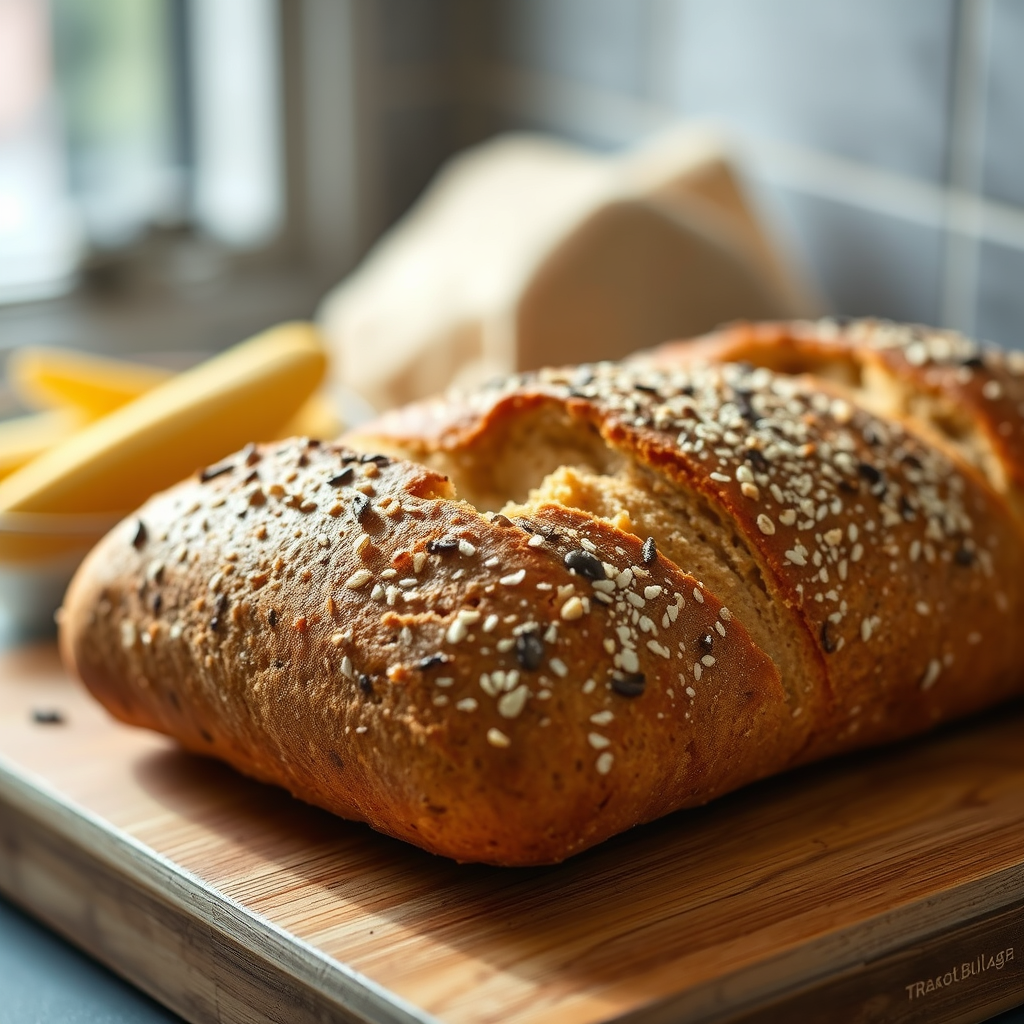
The best bread for diabetics to eat is typically 100% whole grain, sprouted grain (such as Ezekiel), or authentic sourdough, as these varieties are high in fiber and have a lower glycemic index. These options are superior to refined white breads because the complex carbohydrates and fiber content slow down digestion, preventing dangerous spikes in blood sugar levels. When choosing bread, always look for at least 3 grams of fiber per slice and ensure “whole grain” or “whole wheat” is the very first ingredient listed. For many people living with diabetes, the grocery store bread aisle can feel like a minefield. You might think you have to say goodbye to sandwiches and morning toast forever, but that simply isn’t the case. By understanding the science of grains and making informed swaps, you can keep bread on the menu while keeping your glucose levels in check.
Understanding the Glycemic Index and Fiber
To navigate the world of carbohydrates successfully, you need to understand two key concepts: fiber and the Glycemic Index (GI). These are your best friends when determining how a slice of bread will affect your body.
Fiber is a type of carbohydrate that the body cannot digest. Unlike simple sugars and starches, fiber doesn’t result in a glucose spike. In fact, it acts as a braking mechanism for digestion. When you eat high-fiber bread, the fiber physically gets in the way of enzymes trying to break down starches into sugar. This slows the absorption of glucose into your bloodstream, creating a gentle rolling hill of energy rather than a sharp, dangerous spike. This is why calculating “net carbs” (total carbohydrates minus dietary fiber) is so popular; high fiber counts significantly lower the net carb impact on your body.
The Glycemic Index (GI) is a numerical scale (0 to 100) that ranks foods based on how quickly they raise blood sugar levels compared to pure glucose. For diabetes management, sticking to foods with a Low GI score—specifically under 55—is crucial.
* Low GI (55 or less): Digested slowly; minimal impact on blood sugar.
* Medium GI (56-69): Moderate impact.
* High GI (70+): Rapid digestion; causes spikes.
Standard white bread usually sits high on the GI scale (around 70-75), acting almost like table sugar in your system. In contrast, heavy, dense whole grain breads often fall below 55. Understanding this score helps you look past marketing buzzwords and focus on how the food actually functions metabolically.
Sprouted Grain Breads
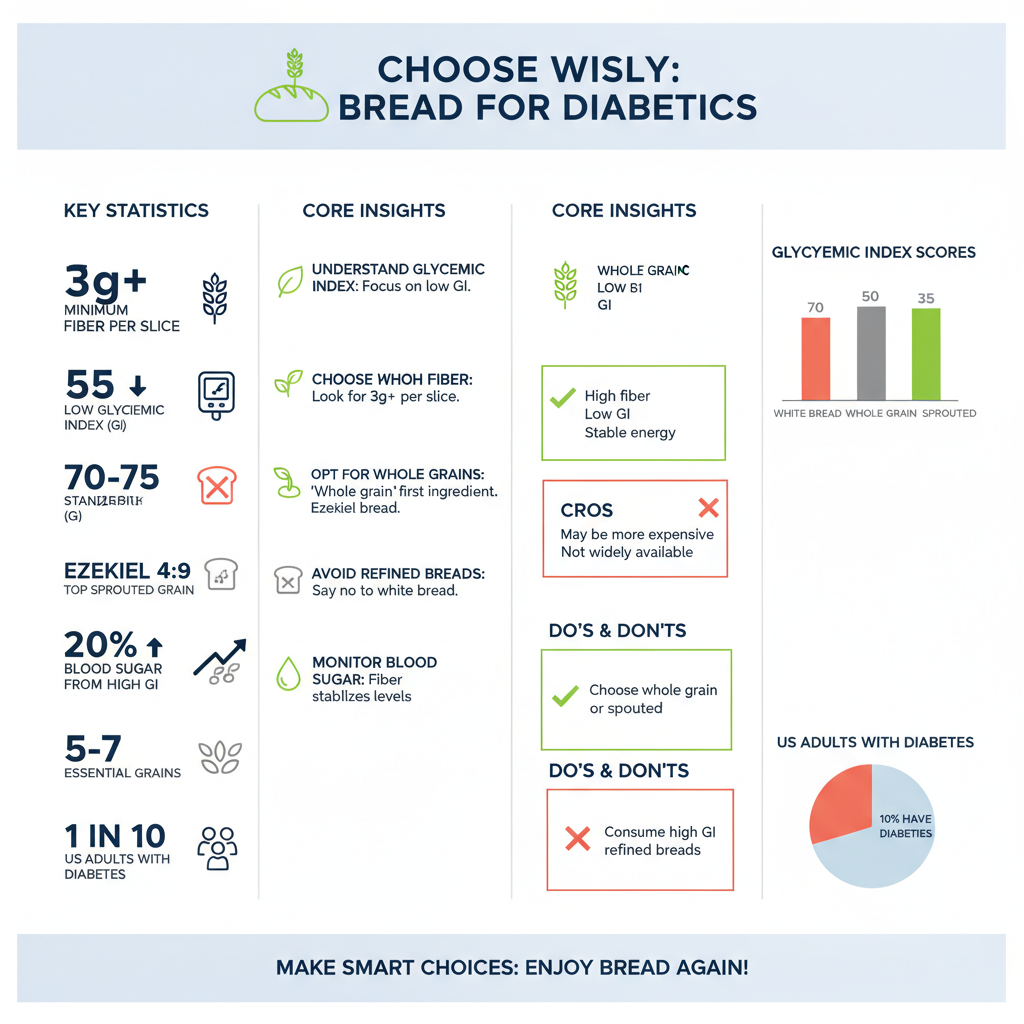
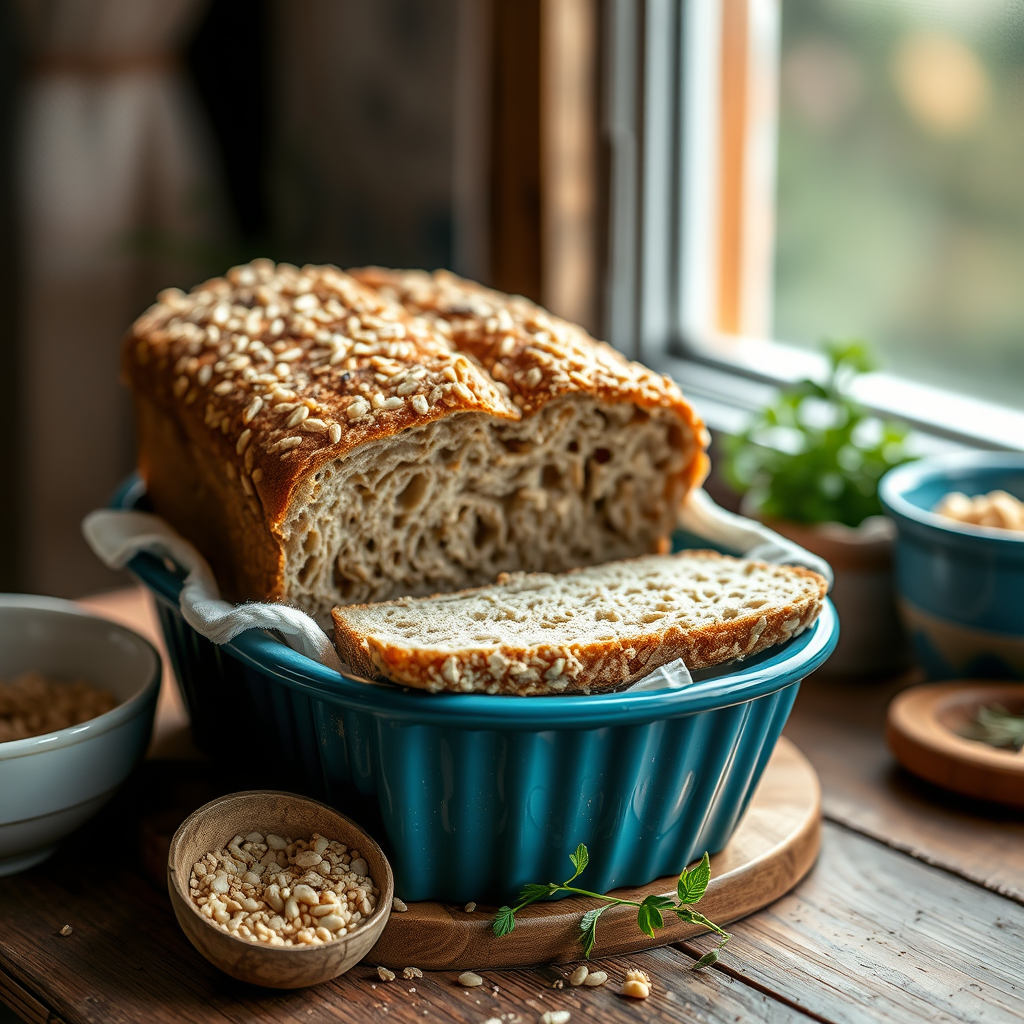
If there is a “gold standard” for diabetic-friendly bread, sprouted grain bread—most famously exemplified by the Ezekiel 4:9 brand—is often it. But what makes sprouted grains different from regular whole grains?
Sprouted grain breads are made from kernels that have been allowed to germinate, or sprout, before being milled into flour. This process changes the fundamental composition of the grain. When a grain sprouts, it begins to convert its stored starch into energy to grow a new plant. For you, this means the resulting bread has significantly less starch and a lower glycemic impact than bread made from dormant grains.
Furthermore, the sprouting process breaks down “anti-nutrients” like phytic acid, which normally bind to minerals and prevent absorption. By reducing phytic acid, sprouting increases the bioavailability of nutrients like zinc, iron, and magnesium. Additionally, these breads are often flourless in the traditional sense; they are a mash of living grains and legumes (like lentils and soybeans), which boosts the protein content. A higher protein-to-carb ratio further helps stabilize blood sugar. Because these breads usually contain no added sugars, preservatives, or dough conditioners, you’ll typically find them in the freezer section of the grocery store rather than on the shelf.
Sourdough and Fermented Breads
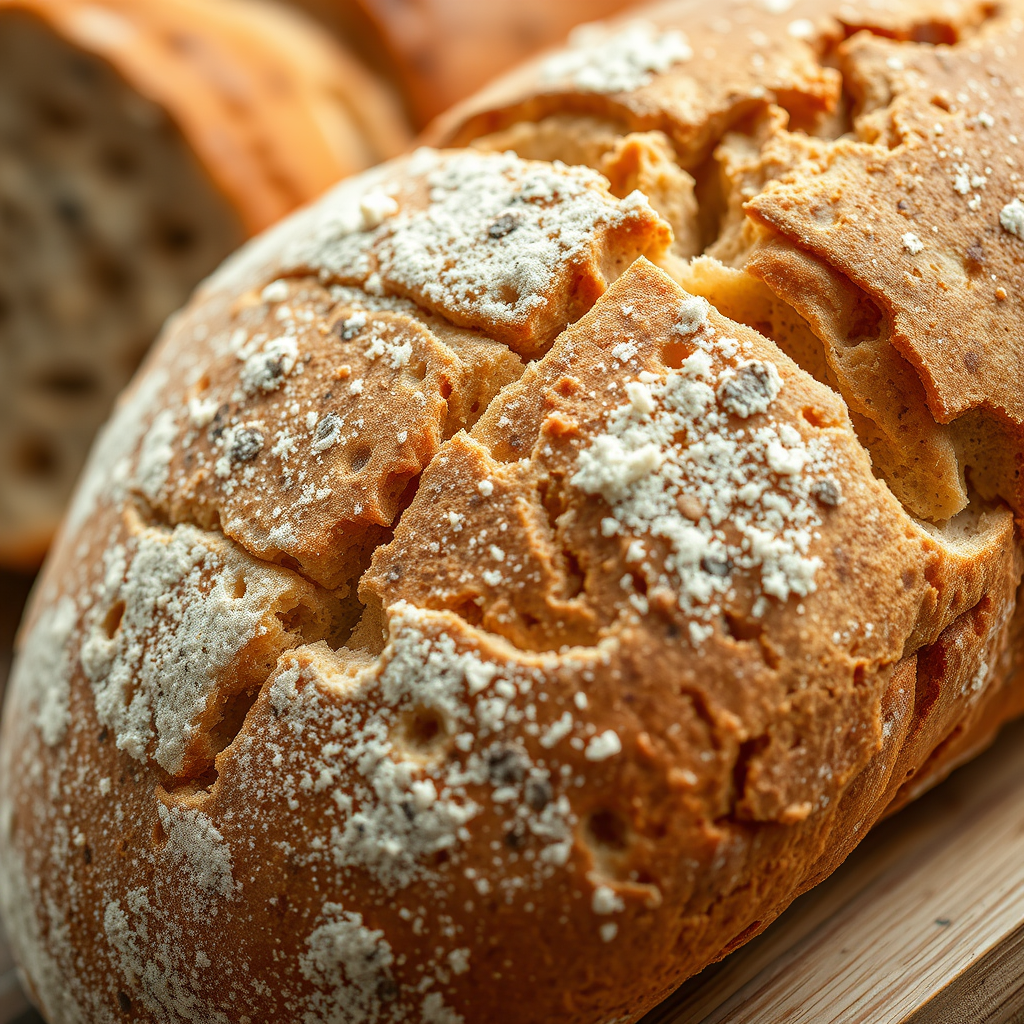
Sourdough is experiencing a massive resurgence in popularity, and for diabetics, this is excellent news. However, we aren’t talking about “sour-flavored” white bread found in the commercial aisle; we are talking about traditional, slow-fermented sourdough.
The magic of sourdough lies in the wild yeast and lactic acid bacteria used to leaven the dough. During the long fermentation process (which can take anywhere from 12 to 36 hours), these beneficial bacteria begin to “eat” the carbohydrates and sugars in the flour. This pre-digestion means that by the time the bread reaches your plate, a portion of the starches has already been broken down.
Specifically, the production of lactic acid during fermentation lowers the pH of the bread. This acidity slows down the rate at which your stomach empties, resulting in a much more gradual rise in blood sugar compared to bread leavened with commercial baker’s yeast. Studies have suggested that sourdough bread has a significantly lower glycemic response than even some whole wheat breads. When shopping, look for “traditional” or “artisan” sourdough with a short ingredient list: flour, water, salt, and starter culture. If you see vinegar or yeast listed as main ingredients, it’s likely a “fake” sourdough that won’t offer the same metabolic benefits.
100% Whole Wheat vs. Multigrain
This section covers one of the most common traps in the grocery store: the “Multigrain” deception. It is easy to assume that “Multigrain” or “Seven Grain” means healthy, but these terms only describe the quantity of grain types, not the quality.
A “Multigrain” bread can still be made primarily of white, refined flour with a few seeds thrown in for texture. If the flour has been refined, the bran and the germ—the parts of the grain containing the fiber and nutrients—have been stripped away, leaving only the starchy endosperm. This results in a high-GI product that is essentially white bread in disguise.
To ensure you are buying a product that will support your blood sugar goals, you must look for the phrase “100% Whole Grain” or “100% Whole Wheat.”
* The Label Test: Ignore the front of the package. Turn it over and look at the ingredient list. The very first ingredient *must* say “Whole Wheat Flour” or “Whole Grain Flour.”
* The “Enriched” Warning: If the first ingredient is “Enriched Bleached Flour” or “Wheat Flour” (without the word “whole”), put it back. “Enriched” means nutrients were stripped out and artificially added back in, minus the crucial fiber.
True whole grain breads are usually heavier, denser, and have a coarser texture. While they have a higher carbohydrate count than keto breads, the structural integrity of the whole grain takes longer for the body to break down.
Low-Carb and Keto Bread Alternatives
For those following a strict low-carb diet or who struggle to manage spikes even with whole grains, alternative “keto” breads are a game-changer. These breads abandon wheat flour almost entirely, relying instead on high-fiber, high-fat ingredients.
Grain-Free Options:
Many excellent breads are made from almond flour, coconut flour, or flaxseed meal. These ingredients are naturally low in carbohydrates and high in healthy fats and fiber. For example, a slice of bread made primarily from almond flour might contain only 1 or 2 grams of net carbs, making it virtually invisible to your blood glucose meter. While the texture is different—often more crumbly or cake-like—they are excellent vehicles for sandwich toppings.
Commercial Low-Carb Breads:
In recent years, food science has produced commercial breads that taste like wheat bread but have extremely low net carbs. These brands (like Carbonaut, Sola, or Franz Keto) utilize ingredients like resistant wheat starch, wheat protein isolate (gluten), and heavy amounts of insoluble fiber (bamboo or oat fiber). These fillers bulk up the bread without adding digestible carbs.
* Tip: Drink plenty of water when eating these high-fiber commercial breads to aid digestion.
* Testing: Since individual reactions to modified starches vary, it is wise to test your blood sugar after trying a new brand to ensure it doesn’t cause an unexpected reaction.
Breads to Avoid or Limit
Knowing what to avoid is just as important as knowing what to buy. Certain breads are essentially desserts disguised as breakfast staples and should be strictly limited or avoided to maintain good glycemic control.
The “White” Offenders:
Traditional white sandwich bread, hamburger buns, and dinner rolls are made from highly processed flour. They digest rapidly, causing a sharp spike in blood sugar followed by a crash, which can lead to fatigue and cravings.
Bagels:
A standard bakery bagel can contain as many carbohydrates as four to six slices of bread. They are incredibly dense and often low in fiber. Even a “whole wheat” bagel is often too large of a carbohydrate load for a diabetic meal plan without significant modification.
Sweet Breads:
Be wary of breads with “sweet” names. “Honey Wheat,” “Cinnamon Raisin,” “Hawaiian Rolls,” and brioche are loaded with added sugars.
* Label Red Flags: Check the “Added Sugars” line on the nutrition label. If a slice of bread has more than 2-3 grams of added sugar, it’s best to skip it.
* High Fructose Corn Syrup: Many cheaper commercial breads use HFCS to preserve freshness and add sweetness. This is a marker of highly processed food that is best left on the shelf.
Tips for Including Bread in a Diabetic Diet
You’ve chosen the right bread—now, how do you eat it? The way you consume carbohydrates matters almost as much as the carbohydrate source itself. Here are friendly strategies to fit bread into your life without the guilt.
1. The “Clothing” Rule:
Never eat your carbs “naked.” Eating a slice of toast on its own will raise blood sugar faster than eating that same slice paired with fat and protein. Fat and protein slow down gastric emptying.
Example: Instead of dry toast, top it with smashed avocado (healthy fat) and a poached egg (protein).
Example: Instead of jam, use almond butter or a slice of turkey and cheese.
2. Portion Control & Open-Faced Sandwiches:
You can cut your carb intake in half instantly by skipping the top slice. Open-faced sandwiches (often called tartines) allow you to enjoy the flavor and texture of bread with half the glycemic load. Alternatively, look for “thin-sliced” versions of your favorite whole grain loaves, which often have 10-12 grams of carbs per slice compared to the standard 20-25 grams.
3. The Toasting Trick:
Believe it or not, temperature changes the chemical structure of bread. Freezing bread and then toasting it can increase the amount of resistant starch in the loaf. Resistant starch functions like fiber—it bypasses digestion in the small intestine. While this won’t turn white bread into a health food, it does slightly lower the glycemic index of whole grain breads.
Choosing the right bread can allow you to enjoy sandwiches and toast without compromising your blood sugar goals. Focus on nutrient-dense options like sprouted grains, sourdough, and high-fiber whole wheat to maintain steady energy levels. Always verify nutritional labels for fiber content and serving sizes, and consider consulting a dietitian to tailor these choices to your specific dietary needs. With a little bit of label-reading savvy and a willingness to try new textures, you can keep the bread basket on the table and feel great doing it.
Frequently Asked Questions
Which types of bread are lowest on the glycemic index for diabetics?
The breads lowest on the glycemic index (GI) are typically **pumpernickel**, **100% stone-ground whole wheat**, and **sprouted grain breads**. These varieties are dense in coarse fibers and complex carbohydrates, which digest much slower than processed white flour, effectively preventing rapid blood sugar spikes. Choosing low-GI bread ensures you get essential nutrients without compromising your glucose management goals.
What specific numbers should I look for on a nutrition label when buying bread?
When reading nutrition labels, diabetics should prioritize breads that offer at least **3 to 5 grams of fiber** and contain fewer than **15 grams of net carbohydrates** per slice. It is also crucial to verify that the very first ingredient listed is a whole grain (such as whole wheat, rye, or oats) rather than “enriched flour,” and to avoid brands with added sugars or high fructose corn syrup.
Is sprouted grain bread better than regular whole wheat for diabetes?
**Sprouted grain bread** is often considered a superior choice over standard whole wheat because the sprouting process breaks down starches, resulting in lower carbohydrate content and less impact on blood sugar levels. Furthermore, sprouted grains increase the bioavailability of nutrients like protein and vitamins, making it a nutrient-dense option that supports stable energy levels throughout the day.
Why is sourdough bread considered a safe option for managing blood sugar?
Traditional **sourdough bread** is beneficial for diabetics because the natural fermentation process utilizes wild yeast and lactic acid bacteria, which lowers the bread’s overall glycemic load. This fermentation changes the structure of the carbohydrate molecules, causing your body to absorb them more slowly and leading to a much gentler rise in blood glucose compared to non-fermented yeast breads.
How can I eat bread without causing a glucose spike?
To minimize glucose spikes, you should always pair your bread with **healthy fats** or **lean proteins**, such as avocado, olive oil, eggs, or almond butter, rather than eating it alone. The addition of fat and protein slows down the digestion of the carbohydrates in the bread, buffering the absorption of sugar into your bloodstream and helping you maintain control over your numbers.
References
- https://health.clevelandclinic.org/the-best-breads-for-people-with-diabetes
- Carbohydrates and Blood Sugar • The Nutrition Source
- https://diabetes.org/food-nutrition/eating-healthy/grain-foods
- Healthy Living with Diabetes – NIDDK
- Diabetes diet: Create your healthy-eating plan – Mayo Clinic
- https://www.diabetes.org.uk/guide-to-diabetes/enjoy-food/eating-with-diabetes/food-groups/starchy-foods
- Bread and diabetes: Nutrition and options
- https://www.ucsfhealth.org/education/diabetes-meal-planning
