
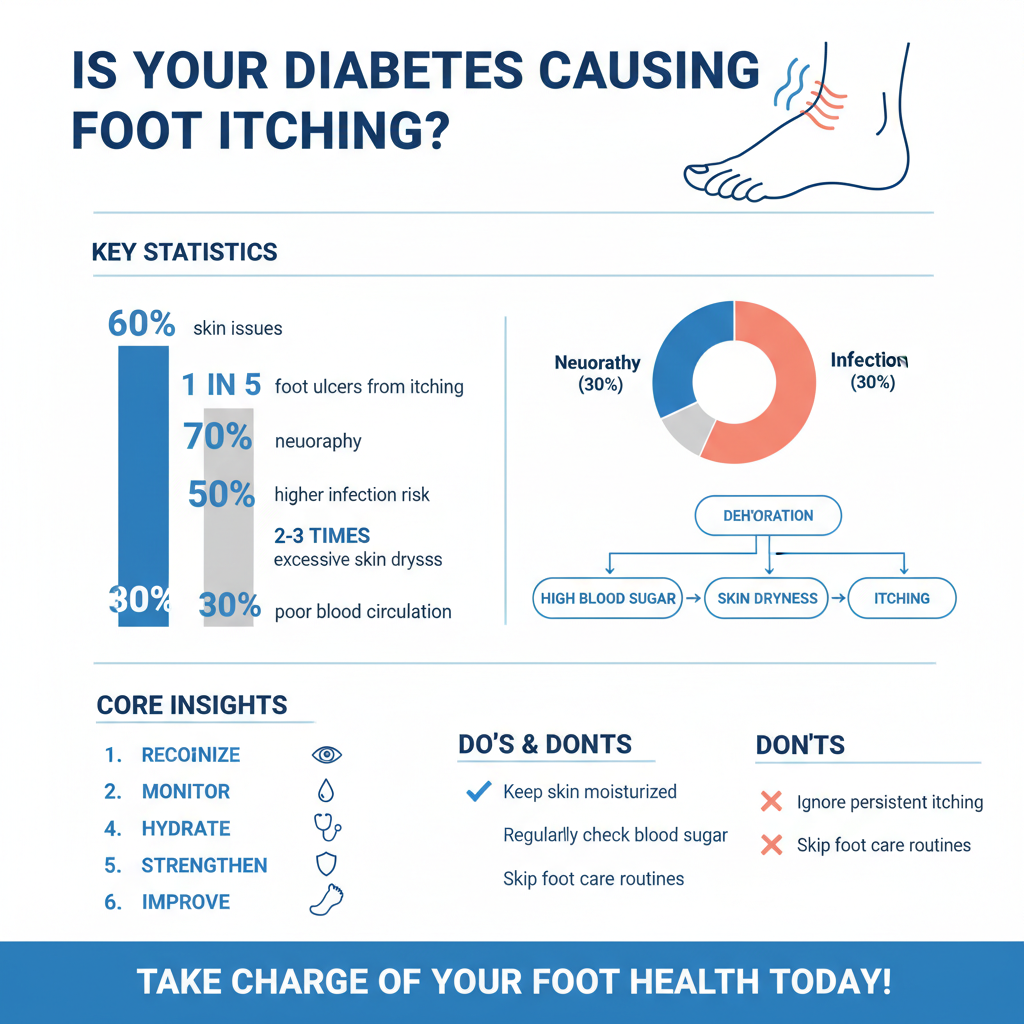
Yes, diabetes can cause the top of your feet to itch, primarily due to nerve damage (neuropathy), poor blood circulation, or excessive skin dryness associated with high blood sugar levels. While occasional itching is normal, persistent itching in this area for diabetics is often a warning sign of underlying vascular or neurological issues that require attention to prevent complications like infections or ulcers. If you are constantly reaching down to scratch the top of your foot, it is your body’s way of signaling that your glucose management or foot care routine might need an adjustment. Ignoring this symptom can lead to broken skin, which—in the context of diabetes—can spiral into more significant health challenges.
The Connection Between Diabetes and Itchy Skin

When we think of diabetes symptoms, we often think of thirst or fatigue, but the skin is actually one of the first places where signs of trouble appear. The relationship between your blood sugar and the skin on the top of your feet is surprisingly direct. When your glucose levels are elevated for extended periods, it creates a domino effect that disrupts the natural balance of your skin’s health.
High Glucose and Dehydration
The most common culprit is simple dehydration, but with a diabetic twist. When your blood sugar is high, your body attempts to flush out the excess glucose through urine. This process pulls fluids from your tissues to produce that urine, leaving other parts of your body parched. The skin on your feet, which doesn’t have as many oil glands as other parts of the body, is particularly vulnerable. This leads to dry, cracked skin (xerosis) on the top of the feet that triggers a persistent, nagging itch. Unlike a bug bite, this itch feels deep and widespread because the skin itself is crying out for hydration.
Compromised Immune System and Infection
Diabetes can compromise the immune system, making the skin on the top of the feet more susceptible to fungal and bacterial infections. High sugar levels in the blood can actually feed yeast and fungi, creating the perfect environment for them to thrive. Conditions like Athlete’s Foot usually start between the toes, but in diabetics, the fungal infection can easily spread to the top of the foot, causing red, scaly, and intensely itchy patches. Because your white blood cells aren’t fighting as effectively as they should, these infections can linger much longer than they would in a non-diabetic person.
Nutrient Delivery and Barrier Function
Healthy skin requires a steady supply of vitamins, oxygen, and fats to maintain its protective barrier. Poor blood flow reduces the delivery of nutrients to the skin, weakening its barrier function and increasing sensitivity. When the skin barrier on the top of your foot is weak, it reacts more aggressively to irritants like sock fabric, laundry detergent, or even dry air. What might be a minor irritation to someone else can become an unbearable itch for someone managing diabetes.
Diabetic Neuropathy and “Phantom” Itching
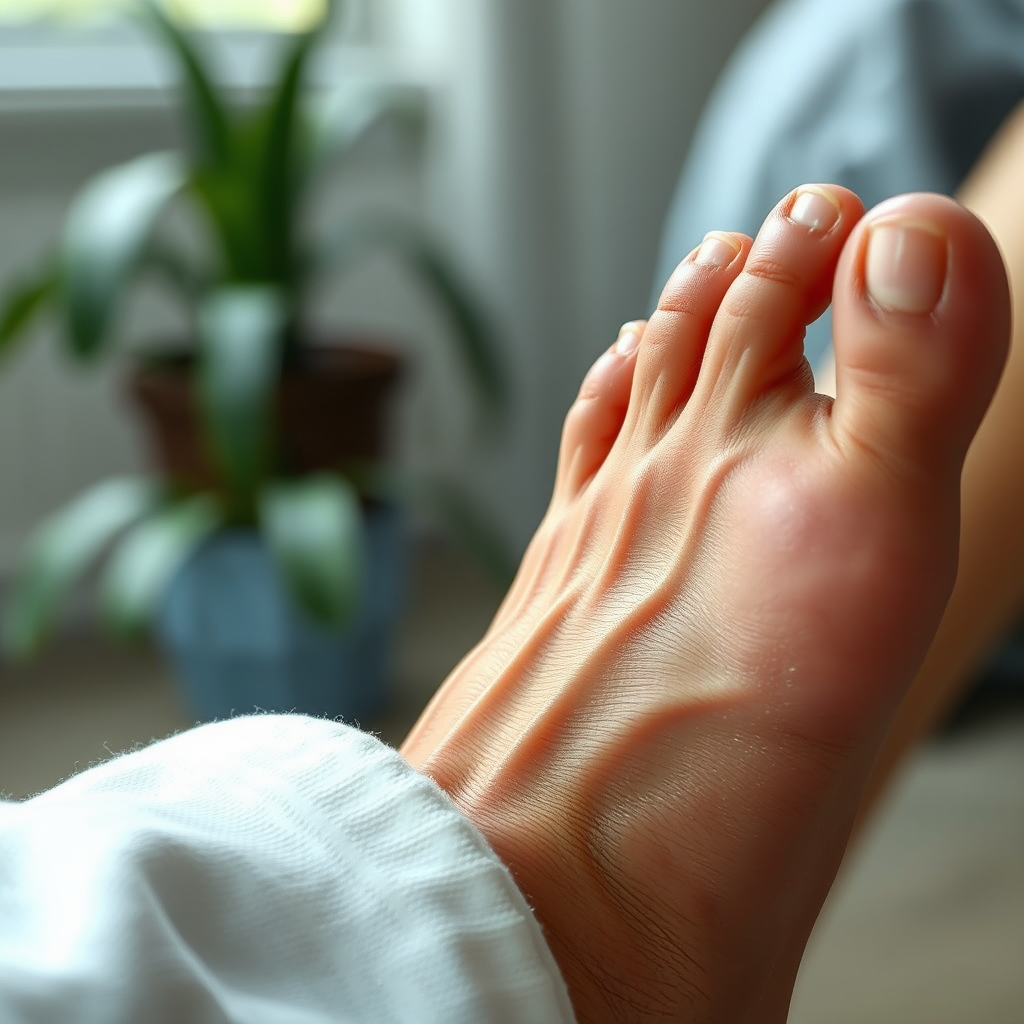
Sometimes, the itch isn’t really on the skin at all—it’s a misfire in the wiring of your nervous system. This is one of the most frustrating aspects of diabetic foot health because no amount of scratching seems to satisfy the sensation. This condition is known as diabetic peripheral neuropathy.
False Signals to the Brain
Peripheral neuropathy is nerve damage that can send false signals to the brain, interpreted as a tingling or itching sensation on top of the foot. High blood sugar damages the protective coating of the nerves (the myelin sheath) and the blood vessels that feed the nerves. As these nerves malfunction, they start sending static to the brain. Your brain tries to interpret this static and often translates it as an “itch.” You might look at your foot and see perfectly healthy, intact skin, yet the urge to scratch is overwhelming.
The Itch You Can’t Scratch
This type of itch typically cannot be relieved by scratching because it originates from the nerves, not the skin surface. It is similar to the concept of a “phantom limb,” where the sensation is internal. In fact, scratching can be dangerous here. Because neuropathy often diminishes your sensitivity to pain, you might scratch the top of your foot aggressively enough to break the skin without realizing you are hurting yourself.
Accompanying Symptoms
Neuropathic itching is often accompanied by numbness, burning sensations, or a feeling of “pins and needles.” Many people describe the sensation as feeling like ants are crawling under their skin (a symptom called formication). If your itch comes with a burning sensation that worsens at night, or if you feel like you are wearing socks when you are barefoot, the itching is likely neurological rather than dermatological.
Peripheral Arterial Disease (PAD) and Circulation

Your feet are the furthest points from your heart, meaning they are the first to suffer when your circulation is compromised. Peripheral Arterial Disease (PAD) is a common condition in diabetics where the arteries narrow due to plaque buildup, and it plays a massive role in why your feet might itch.
Restricted Blood Flow
Poor circulation restricts blood flow to the lower extremities, causing the skin on the feet to become thin, shiny, and itchy. When tissues don’t get enough oxygen-rich blood, they become ischemic. The tissues essentially begin to starve, and this metabolic stress triggers an inflammatory response that feels like itching. You might notice that the hair on your toes or the top of your feet has stopped growing—this is a classic sign that the blood supply isn’t sufficient to support hair follicles or healthy skin turnover.
Positional Itching
Itching caused by PAD is often worse when the legs are elevated or during the night. When you lie down in bed, gravity no longer helps pull blood down to your feet. As the blood flow drops, the nerves and skin tissues become agitated, leading to that late-night itch that keeps you awake. Many people find temporary relief by dangling their legs over the side of the bed, which allows gravity to assist the blood flow again.
The Healing Hazard
Reduced blood flow slows down healing, meaning scratching an itch can easily lead to wounds that are difficult to treat. If you scratch an itch caused by PAD and accidentally break the skin, your body may struggle to deliver the platelets and white blood cells needed to close that wound. A minor scratch on the top of the foot can turn into a non-healing diabetic ulcer, which is a leading cause of severe complications. This is why managing the itch without scratching is vital for anyone with circulation issues.
Safe Treatments and Relief for Diabetic Feet
The good news is that you can manage this itching and find relief. However, because diabetic feet are sensitive, the approach needs to be gentle and consistent. The goal is to soothe the itch while protecting the skin barrier.
Keep blood sugar levels within a target range to prevent further nerve damage and improve skin hydration. This is the “internal” treatment. When your glucose is stable, your body stops pulling fluids from your skin, and nerve damage progression slows down. Over time, better glycemic control can actually reduce the intensity of neuropathic itching.
Moisturizing Strategy
Apply a diabetes-safe moisturizer to the top and bottom of the feet daily, but avoid putting lotion between the toes to prevent fungal growth. Look for creams containing ceramides (to repair the barrier) or urea (to soften thick, dry skin). The best time to apply this is right after a shower when your skin is still slightly damp, as this locks in the moisture. However, the space between your toes needs to stay dry; trapped moisture there is a breeding ground for bacteria and fungi.
Gentle Washing Habits
Use mild, fragrance-free soaps and wash feet in lukewarm water rather than hot water to avoid stripping natural oils. Hot water might feel good on an itch temporarily, but it causes vasodilation and dry skin, which will make the itching come back with a vengeance. Harsh antibacterial soaps can also dry out the skin. Opt for creamy, hydrating cleansers. After washing, pat your feet dry gently with a towel rather than rubbing them vigorously, which can irritate sensitive nerve endings.
When to See a Doctor
While home remedies are great for maintenance, there is a line where professional help is necessary. Because diabetes can mask pain, you have to be visually vigilant.
Signs of Infection
Seek medical attention if the itching is accompanied by redness, swelling, warmth, or discharge. If the top of your foot feels hot to the touch or if you see red streaks radiating from a specific spot, this could be cellulitis, a bacterial skin infection that requires antibiotics immediately.
Non-Healing Wounds
Visit a podiatrist immediately if you notice any cuts, blisters, or sores on the top of your foot that are not healing. If a scratch from an itch hasn’t formed a scab or improved after a few days, it is a red flag. Diabetic ulcers can develop rapidly, and early intervention is the only way to prevent them from becoming deep or infected.
Disruption of Life
Consult a healthcare provider if the itching disrupts sleep or does not improve with simple home care and moisturizing. If you are waking up multiple times a night to scratch, or if the sensation is burning and painful, you may need medication to manage neuropathy (such as gabapentin or pregabalin) or prescription creams to handle severe dermatitis.
Managing itchy feet when you have diabetes is about more than just relieving discomfort; it is a critical part of preventing serious foot complications. By maintaining healthy blood sugar levels, moisturizing daily, and inspecting your feet regularly for signs of injury, you can protect your foot health. If the itching persists or you notice changes in skin color or texture, contact your healthcare provider immediately to rule out serious infections or circulation problems.
Frequently Asked Questions
Why does having diabetes cause itching on the top of the feet?
Diabetes often causes itching on the top of the feet due to a condition called xerosis, or excessively dry skin, resulting from high blood glucose levels pulling fluid from the body’s tissues. Additionally, poor blood circulation (peripheral arterial disease) common in diabetics can damage skin health, while damaged sweat glands may fail to keep the skin soft and moist. In some cases, the itching is actually a sensation caused by yeast infections or fungal issues that thrive in high-sugar environments.
Is itching on the top of the foot a sign of diabetic neuropathy?
Yes, persistent itching can be a misleading symptom of diabetic peripheral neuropathy, where high blood sugar damages the nerve fibers in the legs and feet. When nerves are damaged, they may misfire and send “itch” signals to the brain even if the skin is not irritated, a condition often referred to as neuropathic itch. This sensation is frequently accompanied by numbness, tingling, burning, or a loss of sensation in the affected area.
Why do my diabetic feet itch more at night?
Itching on the tops of feet often intensifies at night because there are fewer daytime distractions to occupy the brain, making the sensation of nerve irritation or dry skin more noticeable. Furthermore, natural circadian rhythms increase skin temperature and blood flow in the evening, which can aggravate inflammatory mediators and trigger itching. For diabetics, this is often compounded by the settling of fluids or the friction of bedsheets against sensitive, neuropathic skin.
What are the best ways to relieve diabetic foot itching safely?
The most effective relief comes from keeping blood sugar levels within a target range and applying a high-quality, fragrance-free moisturizer to the tops and soles of the feet immediately after bathing. It is crucial to wash with lukewarm rather than hot water to prevent drying out the skin further, and you should inspect your feet daily for cuts. However, never apply lotion between the toes, as the accumulated moisture can encourage fungal infections like athlete’s foot.
When should I see a doctor about itchy feet associated with diabetes?
You should consult a healthcare provider if the itching disrupts your sleep, does not improve with moisturizing, or if you notice any changes in skin color, blisters, or open sores. Because diabetes impairs wound healing, scratching the top of the foot can easily break the skin and lead to serious bacterial infections or ulcers. Immediate care is required if you see signs of infection, such as redness, warmth, or discharge around the itchy area.
References
- Diabetes & Foot Problems – NIDDK
- Diabetes and Skin Complications | ADA
- Diabetic neuropathy – Symptoms & causes – Mayo Clinic
- Diabetes Rash: Causes, Appearance and Prevention
- Diabetes: 10 warning signs that can appear on your skin
- Diabetes – taking care of your feet: MedlinePlus Medical Encyclopedia
- https://www.diabetes.org.uk/guide-to-diabetes/complications/skin_complications
- https://www.cdc.gov/diabetes/library/features/healthy-feet.html
