
For diabetic cats, the best wet food options are critically low in carbohydrates (typically under 10% dry matter basis) and high in protein, closely mimicking their natural carnivorous diet. These specialized diets help stabilize blood sugar levels, improve insulin sensitivity, and provide essential hydration, with highly recommended brands often including prescription formulas like Purina Pro Plan Veterinary Diets DM or Royal Canin GlycoBalance, as well as certain carefully selected over-the-counter pate-style wet foods such as Fancy Feast Classic Pates or Friskies Pates that meet stringent low-carb requirements. Making the right dietary choices is arguably one of the most impactful steps you can take to manage your beloved feline’s diabetes and ensure they live a happy, healthy life.
Understanding Diabetic Cat Food: Why Wet is Best

When your feline friend receives a diabetes diagnosis, one of the first and most crucial changes you’ll need to consider is their diet. While various opinions exist on pet nutrition, for diabetic cats, there’s a strong consensus among veterinary experts: wet food is overwhelmingly the superior choice. This isn’t just a preference; it’s a strategic decision rooted in feline physiology and the specific challenges posed by diabetes. Let’s dive into the key reasons why.
* Enhanced Hydration: Cats, by nature, are not big drinkers. Their evolutionary history as desert animals means they’re adapted to getting most of their moisture from their prey. Dry kibble, which typically contains only 6-10% water, can leave cats chronically dehydrated, potentially exacerbating existing health issues. Wet food, on the other hand, boasts an impressive 70-80% moisture content. For a diabetic cat, this enhanced hydration is absolutely crucial. It supports vital organ function, particularly the kidneys, which can be under extra strain with diabetes, and helps maintain a healthy urinary tract, reducing the risk of urinary crystals or infections that diabetic cats can be more prone to. Proper hydration is a cornerstone of overall well-being, directly impacting how well their body manages its systems, including blood glucose.
* Blood Sugar Control: This is perhaps the most critical benefit of a wet food diet for diabetic cats. Cats are obligate carnivores, meaning their bodies are designed to thrive on a diet primarily composed of animal protein and fat, with very minimal carbohydrates. High-carbohydrate foods (which most dry kibbles are) cause rapid and significant spikes in blood glucose levels. These spikes make it incredibly difficult to stabilize blood sugar, requiring higher and potentially more frequent insulin dosages. Appropriate wet foods are formulated to be high in protein and very low in carbohydrates, mimicking a cat’s natural prey diet. By removing the carb-driven roller coaster of blood sugar highs and lows, these diets help prevent dangerous spikes, improve your cat’s sensitivity to insulin, and make blood glucose regulation much more predictable and effective. This leads to better long-term management of their diabetes and reduces the risk of complications.
* Increased Satiety: Weight management is often a significant factor in feline diabetes, as overweight cats are more prone to developing the condition and can be harder to regulate. The higher moisture and protein content in wet food contribute to a feeling of fullness, or satiety, that dry food often can’t match. Protein is known to be more satiating than carbohydrates, and the sheer volume of wet food due to its water content helps cats feel full and satisfied without consuming excess calories. This can be incredibly beneficial for diabetic felines who need to lose a few pounds or maintain a healthy weight. When your cat feels fuller, they’re less likely to beg for food between meals, making mealtime management easier for both of you and contributing to more stable blood sugar levels by preventing grazing.
Key Nutritional Factors for Diabetic Felines
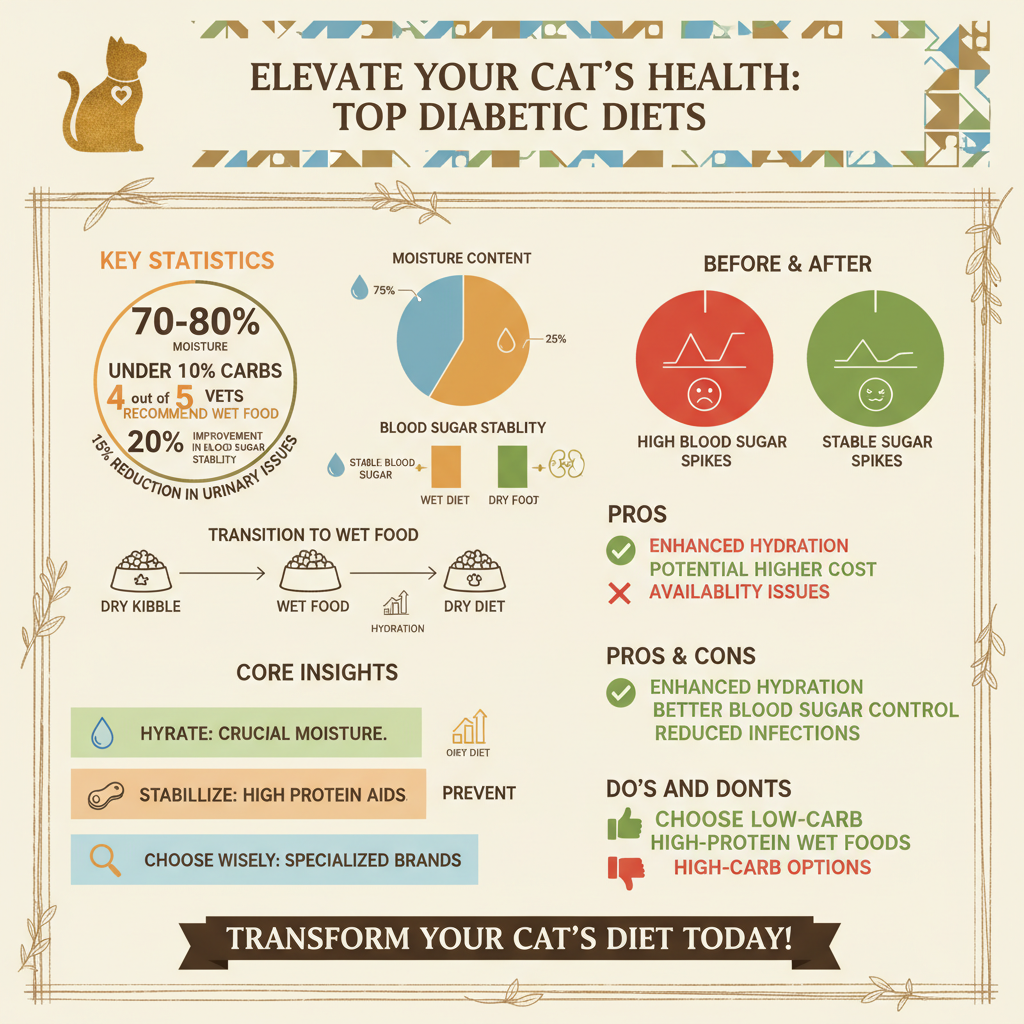

Navigating the world of cat food labels can feel like deciphering a complex code, especially when you’re looking for the very best options for a diabetic cat. However, understanding a few key nutritional factors will empower you to make informed decisions that directly support your cat’s health. The goal is to choose a diet that works with their natural biology, not against it, to manage their blood sugar effectively.
* High Protein Content: For diabetic cats, protein isn’t just important; it’s paramount. Aim for foods with at least 40-50% protein on a dry matter basis. Cats are obligate carnivores, meaning they require a diet rich in animal-based protein to thrive. Protein provides essential amino acids for muscle maintenance, tissue repair, and overall energy needs without significantly impacting blood glucose levels. Unlike carbohydrates, which convert directly to sugar, protein is utilized differently by the body, making it a stable energy source for diabetic cats. Look for foods where meat (like chicken, turkey, beef, or fish) is listed as the first few ingredients, ensuring your cat is getting high-quality, biologically appropriate protein. This supports their lean muscle mass, which is crucial for metabolism and overall health, especially for older or sedentary diabetic felines.
* Very Low Carbohydrates: This is arguably the most critical factor in a diabetic cat’s diet. Carbohydrates are the enemy of stable blood sugar. When ingested, carbohydrates quickly break down into glucose (sugar), causing a rapid increase in blood sugar levels. For a diabetic cat whose body struggles to process this sugar effectively, this leads to dangerous spikes and makes insulin regulation incredibly challenging. You should actively seek out foods with less than 10% carbohydrates on a dry matter basis. Many veterinarians even recommend aiming for under 5%. This stringent carbohydrate restriction helps prevent blood sugar spikes, reduces the workload on the pancreas, and significantly improves insulin sensitivity, often leading to a reduction in insulin dosage or, in some cases, even diabetic remission, especially if caught early. Always scrutinize ingredient lists to avoid common carb sources like corn, wheat, rice, potatoes, peas, and any added sugars.
* Moderate Fat Levels: While fat has traditionally been seen as a dietary villain, it’s actually an essential nutrient for cats, providing concentrated energy, aiding in nutrient absorption (especially fat-soluble vitamins like A, D, E, and K), and contributing to healthy skin and coat. For diabetic cats, moderate fat levels are ideal. While they need fats for energy, excessively high-fat diets can contribute to weight gain, which is often counterproductive for managing diabetes. The key is balance. Look for fat content that’s not excessively high but still sufficient to meet their energy needs without relying on carbohydrates. Typically, this falls in the range of 20-30% on a dry matter basis. Healthy fats from animal sources are preferred, ensuring your cat gets the energy they need without the glucose spikes.
Top Wet Food Options & Brands to Consider

Finding the perfect wet food for your diabetic cat requires a careful eye for ingredients and nutritional analysis, but thankfully, there are excellent options available, both prescription-based and over-the-counter. Remember, every cat is unique, so what works best for one might not be ideal for another. Always prioritize your veterinarian’s recommendations and observe your cat’s response to any new food.
* Prescription Diets: When it comes to precise and medically formulated nutritional support, prescription diets are often the gold standard for diabetic cats. Your veterinarian is your best resource here, as these diets are specifically designed to manage the complexities of feline diabetes.
* Purina Pro Plan Veterinary Diets DM (Diabetic Management): This is one of the most commonly recommended and highly effective prescription diets. DM is specifically formulated with a very low carbohydrate content and high protein to help stabilize blood glucose and improve insulin sensitivity. It also supports lean body mass and helps maintain a healthy weight. The wet formulations come in various pate textures and flavors, making it palatable for many cats.
* Royal Canin Veterinary Diet GlycoBalance: Another excellent therapeutic option, GlycoBalance is designed to support the nutritional management of diabetic cats. It features a controlled carbohydrate level and a high protein content to help minimize post-meal glucose fluctuations. Like DM, it also supports a healthy body weight and has an adjusted fiber content to aid in satiety.
These prescription diets are formulated with veterinary expertise to provide the optimal balance of nutrients while specifically addressing the metabolic needs of diabetic felines. They require a veterinary prescription because their use must be monitored to ensure they’re appropriate for your cat’s specific condition and that insulin dosages are adjusted accordingly.
* Over-the-Counter Low-Carb Pates: While prescription diets offer tailored solutions, some over-the-counter (OTC) wet foods can also be excellent choices if they meet the strict low-carbohydrate, high-protein criteria. The key here is *pate-style* wet food, as gravies, flakes, and chunks often contain starches and sugars used as thickeners, which increase carbohydrate content.
* Fancy Feast Classic Pates: Many veterinarians and cat owners find certain Fancy Feast Classic Pates to be surprisingly suitable. The “Classic” line, particularly the varieties like Classic Turkey & Giblets Feast, Classic Chicken Feast, or Classic Beef Feast, are known for their low carbohydrate content (often under 5-7% dry matter basis) and high protein. It is absolutely crucial to stick to the *Classic Pate* varieties and avoid anything with “gravy,” “flaked,” “sliced,” or “chunky,” as these formulations typically contain problematic carb levels.
* Friskies Pates: Similar to Fancy Feast, certain Friskies Pate varieties can also fit the bill. Look specifically for “Classic Pate” or “Country Style Pate” options, such as Friskies Pate Chicken & Tuna Dinner or Liver & Chicken Dinner. Again, the rule of thumb is to meticulously check the ingredient list and guaranteed analysis (or consult an online calculator for dry matter basis) to ensure the carb content is acceptably low and avoid all non-pate textures.
When choosing OTC options, you become the primary nutritionist, so diligent research and label reading are essential.
* Ingredient Focus: Regardless of whether you choose a prescription or OTC brand, the ingredient list is your most valuable tool. Prioritize foods where real meat (e.g., chicken, turkey, beef, fish) or meat by-products are listed as the very first ingredients. These provide the essential animal-based protein your cat needs. Actively avoid foods that list grains (corn, wheat, rice), starches (potatoes, peas, tapioca), fruits, or any form of added sugar (including misleading names like dextrose, sucrose, corn syrup solids) high up on the ingredient list. These are all sources of carbohydrates that will negatively impact your diabetic cat’s blood sugar control. A short, recognizable ingredient list often indicates a better quality and lower carbohydrate product.
What to Look For and What to Avoid
Choosing the right food for a diabetic cat is a critical task that requires a bit of detective work. Not all cat foods are created equal, and some seemingly healthy options can actually be detrimental to a cat with diabetes. Understanding what ingredients to prioritize and what to steer clear of will be your secret weapon in managing your cat’s condition effectively.
* Prioritize Meat-Based Ingredients: Cats are obligate carnivores, meaning their bodies are physiologically designed to process and thrive on animal-based proteins. Their digestive systems are optimized for a diet rich in meat, poultry, or fish. When scrutinizing a food label, ensure that a named meat source (e.g., “chicken,” “turkey,” “beef,” “salmon”) or quality meat by-products are the very first ingredients listed. Meat provides the complete amino acid profile essential for muscle maintenance, energy, and overall health without causing significant blood sugar spikes. Quality meat by-products (like organs) can also be highly nutritious. A food that leads with plant-based proteins or fillers is not suitable for a diabetic cat. This focus ensures your cat is getting the species-appropriate nutrition their body needs to manage diabetes optimally.
* Avoid Grains, Starches, and Sugars: This is perhaps the most crucial “avoid” list for a diabetic feline. Grains like corn, wheat, barley, and rice, along with starches such as potatoes, sweet potatoes, and peas, are all significant sources of carbohydrates. When consumed, these quickly convert into glucose, leading to dangerous blood sugar spikes that are incredibly difficult for a diabetic cat to manage. Even “grain-free” labels can be misleading, as many grain-free foods replace grains with other high-starch ingredients like potatoes or tapioca, which are just as problematic. Furthermore, any form of added sugar – including sucrose, dextrose, molasses, corn syrup, or fruit concentrates – should be strictly avoided. These ingredients are direct sources of glucose and will undermine all your efforts to stabilize your cat’s blood sugar. Always read the *entire* ingredient list carefully, not just the front label claims.
* Understanding Dry Matter Basis: This concept is vital but often overlooked. The “guaranteed analysis” on pet food labels typically provides nutrient percentages “as-fed,” meaning with moisture included. For wet foods, this can be highly misleading because the high moisture content dilutes the true percentage of carbohydrates, protein, and fat. To get an accurate picture, you need to calculate the nutrient content on a dry matter basis (DMB).
* How to Calculate DMB: Subtract the moisture percentage from 100% to find the dry matter percentage. Then, divide the “as-fed” percentage of protein, fat, or carbs by the dry matter percentage and multiply by 100.
For carbohydrates, since they aren’t usually listed directly, you can estimate them by subtracting the “as-fed” percentages of protein, fat, fiber, and ash (if listed, otherwise use an average of 2-3%) from 100%. Then calculate the DMB of this carb estimate.
For diabetic cats, you want carbs to be less than 10% DMB, ideally even lower (under 5-7%). Many online calculators and veterinary nutrition resources can help you with these calculations, or your vet can guide you. Relying solely on “as-fed” percentages for wet food can lead to choosing a diet that is much higher in carbohydrates than you realize, negatively impacting your cat’s blood sugar control.
Transitioning and Monitoring Your Cat’s Diet
Changing your cat’s diet, especially for a diabetic feline, isn’t a decision to be taken lightly or implemented overnight. It requires a thoughtful, gradual approach coupled with vigilant monitoring and, most importantly, close collaboration with your veterinarian. A smooth transition minimizes stress for your cat and helps ensure the new diet is effective and safe for their delicate metabolic balance.
* Gradual Transition: Cats are creatures of habit, and abrupt dietary changes can lead to digestive upset (like vomiting or diarrhea) or even food aversion. For diabetic cats, such upsets can further complicate blood sugar regulation. A gradual transition is key. Over 7-10 days (or even longer for particularly sensitive cats), slowly introduce the new food. Start by mixing a very small amount of the new food (e.g., 10%) with their old food. Over the next week, gradually increase the proportion of the new food while decreasing the old, aiming for a complete switch by the end of the period. Watch for any signs of digestive distress or refusal to eat. Patience is truly a virtue here, as a slow transition is much less stressful for your cat and your household.
* Close Veterinary Supervision: This step cannot be emphasized enough. Any dietary changes for a diabetic cat *must* be made under the direct guidance and supervision of your veterinarian. Why? Because a change to a low-carbohydrate, high-protein wet food can significantly impact your cat’s blood sugar levels, often leading to a need for insulin dosage adjustments. If the insulin dosage isn’t appropriately reduced when carbohydrate intake drops, your cat could experience dangerous hypoglycemia (dangerously low blood sugar), which can be a life-threatening emergency. Your vet will advise you on the best transition schedule, provide instructions for monitoring, and adjust insulin as needed based on your cat’s response to the new diet. They might recommend specific times for glucose curves or blood tests during the transition period.
* Regular Glucose Monitoring: Consistent monitoring of your cat’s blood glucose levels is paramount during and after a dietary transition. This helps you and your vet assess how well the new diet is working and whether further insulin adjustments are required. Your veterinarian might teach you how to perform at-home blood glucose monitoring, which provides a less stressful and more accurate picture of your cat’s typical glucose levels compared to vet clinic readings (which can be affected by stress). Keep a detailed log of food intake, insulin dosages, and glucose readings. Even if home monitoring isn’t feasible, ensure you adhere to your vet’s schedule for in-clinic glucose checks or fructosamine tests. Regular monitoring ensures the new diet is effective in stabilizing blood sugar and helps prevent complications, allowing you to fine-tune their care for optimal health.
Choosing the right wet food is a cornerstone of managing feline diabetes, significantly impacting your cat’s health and quality of life. By focusing on high-protein, very low-carbohydrate wet diets, you can help stabilize their blood sugar, improve insulin sensitivity, and support overall well-being and hydration. This dietary approach mimics their natural carnivorous needs, offering the best chance for successful diabetes management. Always consult with your veterinarian to select the best food plan tailored to your cat’s specific needs and health status, ensuring a smooth transition and optimal care for your beloved companion. With dedication and the right nutritional choices, your diabetic cat can continue to enjoy a happy and vibrant life.
Frequently Asked Questions
What are the key nutritional requirements for the best wet diabetic cat food?
The best wet diabetic cat food focuses on a high protein, low carbohydrate, and moderate fat content to help manage blood glucose levels. Look for formulas where protein typically makes up 45-60% of the caloric content, carbohydrates are below 10%, and fat is around 20-30%. These macronutrient ratios are crucial for stabilizing blood sugar and promoting healthy weight in diabetic felines.
Why is feeding wet food crucial for managing feline diabetes, especially compared to dry kibble?
Wet cat food is significantly better for diabetic cats primarily because of its high moisture content and typically lower carbohydrate levels compared to dry kibble. The increased moisture helps with hydration and kidney function, while the low carbohydrate profile minimizes post-meal blood sugar spikes, which is essential for effective diabetes management. This combination makes wet food a cornerstone of a successful diabetic diet.
How do I choose the right low-carb wet cat food for my diabetic cat from the many options available?
To choose the right low-carb wet cat food, prioritize options specifically labeled for diabetic management or those with simple, meat-based ingredients high in protein and very low in grains or starches. Always consult your veterinarian before making any dietary changes, as they can recommend specific brands or prescription diets tailored to your cat’s individual needs and health status. Reading nutrition labels for carbohydrate content (calculated as 100% minus protein, fat, fiber, and moisture) is also key.
Which ingredients should I avoid when selecting wet food for a diabetic cat to prevent blood sugar spikes?
When selecting wet food for a diabetic cat, strictly avoid ingredients that are high in carbohydrates, such as corn, wheat, rice, potatoes, peas, and other starchy vegetables or grains. Sugars like corn syrup, molasses, or even fruit should also be absent from the ingredient list, as these can cause significant blood sugar spikes. Opt for formulas with whole meat sources as the primary ingredient to ensure proper nutritional support.
What are some highly-regarded commercial wet cat food options often recommended for diabetic cats, and what distinguishes them?
Highly-regarded wet cat food options for diabetic cats often include prescription veterinary diets like Purina Pro Plan DM, Royal Canin GlycoBalance, or Hill’s m/d, which are specifically formulated with therapeutic nutrient profiles. Additionally, many high-protein, grain-free, and low-carb over-the-counter wet foods from reputable brands can also be suitable, provided they meet the strict macronutrient requirements discussed with your vet. What distinguishes them is their precise balance of protein, minimal carbohydrates, and appropriate fat levels, designed to help stabilize blood glucose.
References
- Feline Diabetes | Cornell University College of Veterinary Medicine
- https://health.ucdavis.edu/feline-diabetes-mellitus.html
- https://vetmed.osu.edu/vmc/companion/our-services/internal-medicine/feline-diabetes-mellitus
- https://catvets.com/guidelines/client-brochures/diabetes
- https://www.petdiabetesmonth.com/cat-diabetes-diet.html
- https://wsava.org/wp-content/uploads/2020/01/WSAVA-Nutrition-Toolkit-Feline-Client-Brochure-Diabetes.pdf
- https://pubmed.ncbi.nlm.nih.gov/24580397/
- https://en.wikipedia.org/wiki/Feline_diabetes_mellitus
