
When considering the best weekly shots for managing type 2 diabetes, the primary options currently fall into the categories of GLP-1 receptor agonists and dual GIP/GLP-1 receptor agonists. Medications like Ozempic (semaglutide), Trulicity (dulaglutide), and Mounjaro (tirzepatide) are among the most commonly prescribed due to their effectiveness in lowering blood sugar, promoting weight loss, and, in some cases, offering cardiovascular benefits. This guide will help you understand these choices to discuss with your healthcare provider.
What Are Weekly Injectables for Type 2 Diabetes?

Weekly injectable medications represent a significant advancement in the management of type 2 diabetes. Unlike some older diabetes treatments that require daily administration, these innovative therapies are conveniently administered just once a week via a simple, pre-filled injection pen. This weekly schedule can greatly improve adherence and reduce the burden of daily medication routines for many individuals.
These powerful medications primarily fall into two categories: GLP-1 receptor agonists and the newer dual GIP/GLP-1 receptor agonists. Both types work by mimicking the action of natural gut hormones, known as incretins, which play a crucial role in regulating blood sugar levels. Specifically, they become active when blood sugar rises, typically after meals, helping your body manage glucose more effectively. By targeting these natural pathways, they not only help to lower your blood sugar but also offer additional benefits, making them a cornerstone of modern diabetes treatment.
Key Players: Popular Weekly GLP-1 & GIP/GLP-1 Agonists
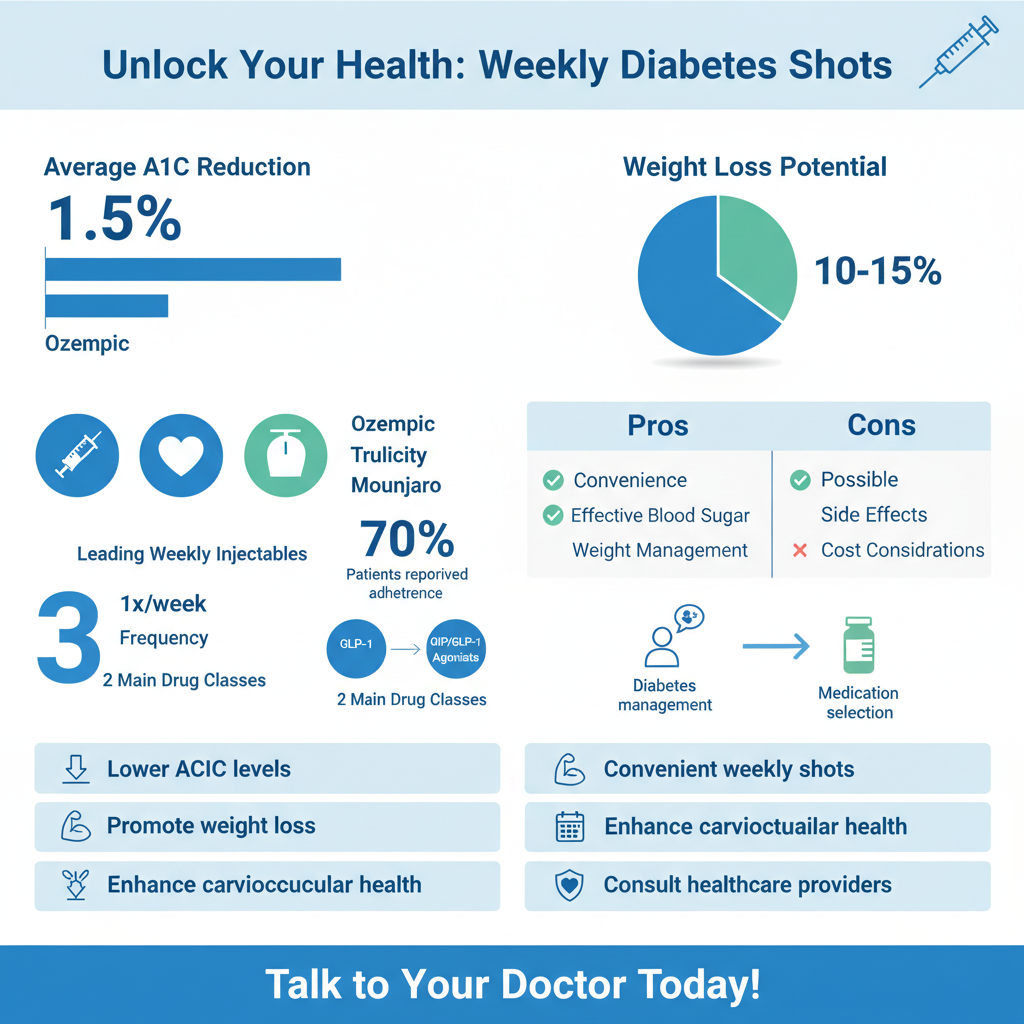

The landscape of weekly injectable diabetes medications includes some truly transformative options. Here’s a closer look at the most popular choices, highlighting their unique strengths:
* Ozempic (semaglutide): As a highly effective GLP-1 receptor agonist, Ozempic has gained significant attention for its ability to produce substantial reductions in A1C levels, often seen as a 1.5% or more decrease in many individuals. Beyond its potent blood sugar-lowering effects, Ozempic is particularly celebrated for its notable impact on weight loss. Clinical trials have shown that patients can experience an average weight reduction of 10-15% of their body weight, which is a significant advantage for many living with type 2 diabetes. Crucially, Ozempic has also demonstrated proven cardiovascular benefits, reducing the risk of major adverse cardiovascular events like heart attack, stroke, and cardiovascular death in people with established cardiovascular disease. It’s often considered a strong option for those needing both glycemic control and weight management, with the added bonus of heart protection.
* Trulicity (dulaglutide): Another widely prescribed GLP-1 receptor agonist, Trulicity offers reliable and effective A1C lowering, typically bringing down levels by 1.0-1.5%. While its weight loss effects may be slightly more modest compared to semaglutide, it still contributes positively to weight management. A major strength of Trulicity lies in its robust cardiovascular protective effects, which have been well-established in large clinical studies. This makes it an excellent choice for individuals who need strong cardiovascular risk reduction alongside their diabetes management. Patients often appreciate Trulicity for its user-friendly, pre-filled pen device, which simplifies the injection process and makes it a convenient option for long-term use.
* Mounjaro (tirzepatide): Representing a new frontier in diabetes treatment, Mounjaro is a dual GIP and GLP-1 receptor agonist. This unique “twincretin” mechanism allows it to activate receptors for both glucose-dependent insulinotropic polypeptide (GIP) and glucagon-like peptide-1 (GLP-1). This dual action translates into exceptionally potent A1C lowering, often surpassing that of GLP-1 agonists alone, with some studies showing reductions of over 2.0%. Even more strikingly, Mounjaro has demonstrated substantial weight loss benefits, with many patients achieving average weight reductions of 15-20% or even more in clinical trials. Its innovative approach offers a powerful solution for those needing significant improvements in both blood sugar control and weight management, making it a groundbreaking addition to the treatment landscape.
How These Medications Work to Manage Blood Sugar

Understanding the mechanisms behind these weekly injectables can help you appreciate their comprehensive benefits in managing type 2 diabetes.
* GLP-1 Receptor Agonists (like Ozempic and Trulicity): These medications mimic the action of your body’s natural GLP-1 hormone. Here’s how they work synergistically to lower blood sugar:
* Stimulate Insulin Release (Glucose-Dependent): They prompt your pancreas to release more insulin, but *only when your blood sugar levels are high*. This means there’s a lower risk of hypoglycemia ( dangerously low blood sugar) compared to some other diabetes medications.
* Reduce Glucagon Secretion: Glucagon is a hormone that raises blood sugar. GLP-1 agonists help suppress glucagon release from the pancreas, preventing your liver from releasing too much stored glucose.
* Slow Gastric Emptying: By slowing down how quickly food leaves your stomach, these medications help prevent sharp spikes in blood sugar after meals. This also contributes to a feeling of fullness.
* Promote a Feeling of Fullness (Satiety): They act on appetite centers in your brain, helping to reduce hunger and caloric intake, which is a key factor in their weight loss benefits.
* GIP/GLP-1 Receptor Agonists (like Mounjaro): This newer class takes the benefits of GLP-1 a step further by also activating GIP receptors. GIP is another incretin hormone that works alongside GLP-1:
* Enhanced Insulin Secretion: GIP stimulation further amplifies glucose-dependent insulin release from the pancreas, leading to more robust blood sugar control.
* Improved Beta-Cell Function: There’s evidence that GIP may help improve the health and function of the insulin-producing beta cells in the pancreas, which are often impaired in type 2 diabetes.
* Additional Appetite Regulation: The combined action of both GIP and GLP-1 can lead to even more significant effects on appetite reduction and feelings of satiety, contributing to the substantial weight loss observed with these medications.
Together, the actions of GLP-1 and GIP/GLP-1 receptor agonists lead to improved glycemic control, evidenced by lower A1C levels, and can significantly aid in weight management, which is a crucial aspect of overall health for many individuals living with type 2 diabetes.
Common Benefits and Potential Side Effects
When considering any medication, it’s important to weigh the potential benefits against any possible side effects. Weekly injectable diabetes medications offer compelling advantages but also come with a set of common considerations.
* Key Benefits:
* Significant Reduction in A1C Levels: These medications are highly effective at lowering your average blood sugar over a 2-3 month period. Many users experience A1C reductions of 1% to over 2%, moving them closer to their target range and reducing the risk of diabetes-related complications.
* Potential for Substantial Weight Loss: For many individuals, achieving and maintaining a healthy weight is a major challenge. GLP-1 agonists can lead to a healthy weight reduction (e.g., 5-15% of body weight), while dual GIP/GLP-1 agonists like Mounjaro have shown even more impressive results, with some patients losing over 20% of their body weight. This weight loss can improve insulin sensitivity and overall metabolic health.
* Reduced Risk of Major Adverse Cardiovascular Events (for certain medications): Ozempic and Trulicity have both demonstrated powerful cardiovascular protective effects, significantly lowering the risk of heart attacks, strokes, and cardiovascular-related death in people with existing heart disease or high cardiovascular risk. This is a crucial benefit given the strong link between diabetes and heart disease. There is also emerging evidence suggesting potential kidney benefits.
* Low Risk of Hypoglycemia (Low Blood Sugar): Because these medications stimulate insulin release only when blood sugar is high, they carry a lower risk of causing dangerously low blood sugar compared to some other diabetes drugs like sulfonylureas or insulin.
* Common Side Effects:
The most frequently reported side effects are gastrointestinal (GI) issues. These can include nausea, vomiting, diarrhea, or constipation. These symptoms are usually mild to moderate, tend to be most pronounced when you first start the medication or increase your dose, and often subside over time as your body adjusts. Your doctor will likely start you on a low dose and gradually increase it to help minimize these effects. Eating smaller, more frequent meals and avoiding fatty foods can also help manage these symptoms.
* Important Considerations:
While rare, it’s vital to discuss potential serious side effects with your doctor. These can include pancreatitis (inflammation of the pancreas), which manifests as severe abdominal pain often radiating to the back.
Another rare concern is the risk of thyroid C-cell tumors. These medications should not be used in individuals with a personal or family history of medullary thyroid carcinoma (MTC) or in patients with Multiple Endocrine Neoplasia syndrome type 2 (MEN 2).
There’s also a rare risk of gallbladder problems, including gallstones, that might require surgery.
Always report any unusual or severe symptoms to your healthcare provider immediately. Your doctor will assess your medical history and ongoing health to ensure these medications are safe and appropriate for you.
Important Considerations for Choosing Your Weekly Shot
Deciding on the best weekly shot for your type 2 diabetes management is a highly personal journey that should always be undertaken in close consultation with your healthcare provider. Here are crucial factors to consider:
* Individual Health Goals: What are your primary objectives in managing your diabetes?
* Aggressive A1C Reduction: If your blood sugar levels are significantly elevated and need substantial lowering, a medication known for potent A1C control might be prioritized.
* Significant Weight Loss: If weight management is a major goal, and often it is with type 2 diabetes, certain medications have demonstrated superior weight loss benefits.
* Cardiovascular Protection: Do you have existing cardiovascular disease (like a history of heart attack or stroke) or significant risk factors? Medications with proven cardiovascular benefits would be a critical choice.
* Kidney Health: Are there concerns about your kidney function? While not a primary indication, some GLP-1s have shown positive renal outcomes.
Discuss these priorities openly with your doctor, as different medications may excel in different areas.
* Insurance Coverage and Cost: The financial aspect of prescription medications can be a significant barrier.
* Formulary Check: Always check your specific insurance plan’s formulary to see which medications are covered and at what tier.
* Out-of-Pocket Costs: Even with coverage, out-of-pocket costs can vary widely depending on your plan, deductible, and copay.
* Patient Assistance Programs: Many pharmaceutical companies offer patient assistance programs or savings cards that can help reduce costs for eligible individuals. Your doctor’s office staff or pharmacist can often provide information on these programs.
Don’t hesitate to discuss cost concerns with your doctor, as they may be able to recommend alternatives or help navigate financial assistance options.
* Personal Preferences and Tolerance: Your comfort and ability to adhere to a treatment plan are paramount.
* Previous Medication Experiences: Have you tried similar medications in the past? What were your experiences with side effects? If you’re particularly sensitive to gastrointestinal upset, your doctor might suggest a slower titration schedule or a medication known for better tolerability.
* Injection Experience: While all these pens are designed for ease of use, some individuals may find one device simpler or more comfortable than another.
* Lifestyle Factors: How will a weekly injection fit into your routine? While all are weekly, consistency is key.
Your doctor will consider your complete medical history, including any other health conditions or medications you’re taking, to ensure there are no contraindications or potential drug interactions. Always make the final decision in consultation with your healthcare provider, ensuring it aligns with your health profile and lifestyle.
The landscape of weekly injectable medications for type 2 diabetes offers powerful tools for managing blood sugar, weight, and even cardiovascular health. While Ozempic, Trulicity, and Mounjaro stand out as effective options, the “best” choice is highly individual. It’s crucial to have an open and detailed discussion with your doctor about your specific health profile, treatment goals, and potential side effects to determine which weekly shot is most suitable for you. Take an active role in your treatment decisions to achieve optimal diabetes management and improve your overall quality of life.
Frequently Asked Questions
What are the best weekly type 2 diabetes shots currently prescribed, and how do they generally work?
The leading weekly type 2 diabetes shots are a class of medications called GLP-1 receptor agonists, including drugs like Ozempic (semaglutide), Trulicity (dulaglutide), and Mounjaro (tirzepatide), which is a dual GIP/GLP-1 agonist. These injectable medications help manage blood sugar by stimulating insulin release when blood sugar is high, slowing gastric emptying, reducing glucose production by the liver, and often reducing appetite. Many patients find these weekly shots highly effective for glycemic control and often experience beneficial weight loss.
How do weekly GLP-1 receptor agonists contribute to weight management in type 2 diabetes patients?
Weekly GLP-1 receptor agonists are known for their significant benefit in weight management for individuals with type 2 diabetes. They work by increasing feelings of fullness and satiety, primarily by slowing the rate at which food leaves the stomach and acting on appetite centers in the brain. This reduced appetite and increased satisfaction after meals often leads to a decrease in overall caloric intake, resulting in clinically meaningful weight loss, a key benefit for many managing type 2 diabetes.
What common side effects should I be aware of when starting weekly type 2 diabetes injections?
When starting weekly type 2 diabetes injections, common side effects often include gastrointestinal issues such as nausea, vomiting, diarrhea, or constipation, especially during the initial weeks of treatment. These symptoms typically lessen over time as your body adjusts to the medication. It’s crucial to discuss any persistent or severe side effects with your healthcare provider, who may suggest strategies like starting at a lower dose and slowly increasing, or advise on dietary adjustments to help manage discomfort while on these weekly shots.
What factors should I discuss with my doctor when considering weekly type 2 diabetes shots versus other treatments?
When considering weekly type 2 diabetes shots, it’s important to discuss your current A1C levels, other existing health conditions (like thyroid issues or a history of pancreatitis), and your personal weight management goals with your doctor. You should also cover potential side effects, the convenience of weekly administration, and insurance coverage or cost implications for these specific medications. Your doctor will help determine if these powerful weekly injections are the most appropriate and beneficial option for your individualized type 2 diabetes management plan.
Are weekly type 2 diabetes shots a suitable option for everyone with type 2 diabetes, or are there specific candidates?
Weekly type 2 diabetes shots, particularly GLP-1 receptor agonists, are generally suitable for many adults with type 2 diabetes, especially those who need improved blood sugar control and may also benefit from weight loss. They are often considered when metformin alone isn’t sufficient or if a patient needs to avoid hypoglycemia. However, they are not recommended for individuals with a personal or family history of medullary thyroid carcinoma or Multiple Endocrine Neoplasia syndrome type 2, or those with a history of pancreatitis. Your healthcare provider will assess your full medical history to determine if these weekly medications are the right choice for you.
References
- https://www.mayoclinic.org/diseases-conditions/type-2-diabetes/in-depth/diabetes-medications/art-20046237
- https://diabetes.org/tools-resources/medicines-treatments/injectable-medicines
- https://www.niddk.nih.gov/health-information/diabetes/overview/medicines-treatments
- https://www.cdc.gov/diabetes/managing/medicines/medication-types.html
- GLP-1 receptor agonist
- https://www.fda.gov/drugs/information-drug-class/glp-1-receptor-agonists-and-thyroid-c-cell-tumors
- https://my.clevelandclinic.org/health/articles/24647-glp-1-agonists
- Diabetes
- https://www.bbc.com/news/health-65128038
