
For individuals managing diabetes, selecting the right vegetables is paramount for maintaining stable blood sugar levels and overall health. The best vegetables for diabetics are primarily non-starchy options, including leafy greens, cruciferous vegetables, and a variety of other vibrant produce like bell peppers and zucchini, all of which are low in carbohydrates and rich in fiber and essential nutrients. Focusing on these choices helps support glycemic control without compromising on vital nutrition, making it easier to manage the condition and thrive. These powerhouse plants are not just “good for you”—they are fundamental allies in your journey towards better health and a more stable blood sugar profile, offering a delicious and versatile way to nourish your body and protect it against complications.
Why Vegetables are Essential for Diabetes Management
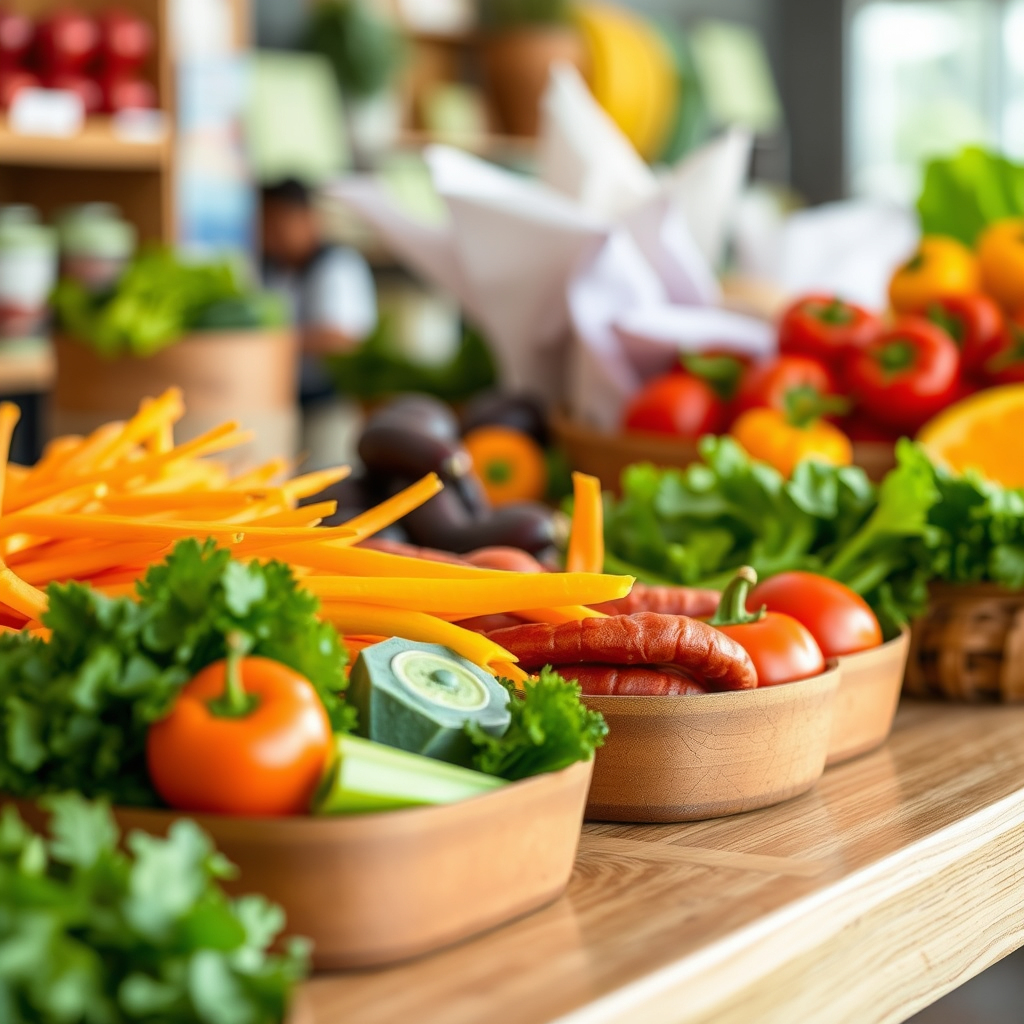
Vegetables are truly nature’s gift, especially when you’re navigating diabetes. Their unique nutritional profile makes them indispensable for managing blood sugar and promoting overall wellness. First off, non-starchy vegetables are naturally low in carbohydrates and calories, which means they have a minimal impact on your blood sugar levels. When you eat fewer carbs, your body produces less glucose, preventing those unwanted post-meal spikes that can be so challenging for diabetics. This low-carb characteristic allows you to enjoy generous portions, feeling full and satisfied without worrying about derailing your glucose control.
Beyond their low-carb appeal, vegetables are incredibly rich in fiber. This isn’t just any fiber; both soluble and insoluble types play a crucial role. Soluble fiber, found in foods like carrots and broccoli, forms a gel-like substance in your digestive tract, slowing down the absorption of sugar into your bloodstream. This helps to create a steadier, more gradual rise in blood sugar, rather than a sharp peak. Insoluble fiber, prevalent in leafy greens and bell peppers, adds bulk to your stool, promoting regular bowel movements and contributing to gut health, which is increasingly linked to overall metabolic health. The high fiber content also keeps you feeling fuller for longer, which can be a huge help in managing weight – a key factor in diabetes management.
Furthermore, vegetables are packed with an impressive array of vitamins, minerals, and antioxidants. These micronutrients are vital for countless bodily functions and offer significant protection against diabetes complications. For instance, antioxidants like Vitamin C, Vitamin E, and various carotenoids help combat oxidative stress, a process that can damage cells and tissues, often elevated in individuals with diabetes. Regular intake of these protective compounds can reduce inflammation, support cardiovascular health, and protect your eyes and kidneys, all of which are common areas of concern with diabetes. Incorporating a wide variety of vegetables ensures you get a broad spectrum of these protective nutrients, building a strong defense for your body.
The Power of Leafy Green Vegetables
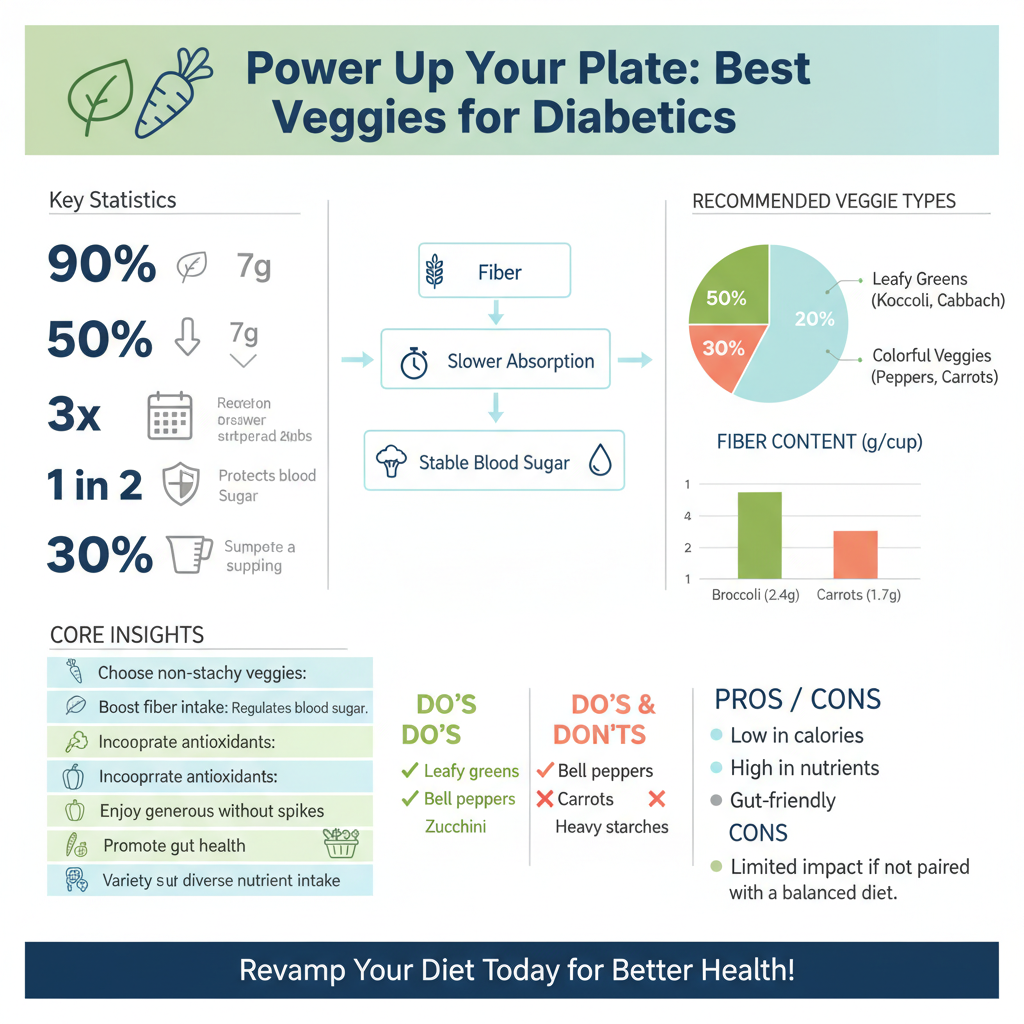
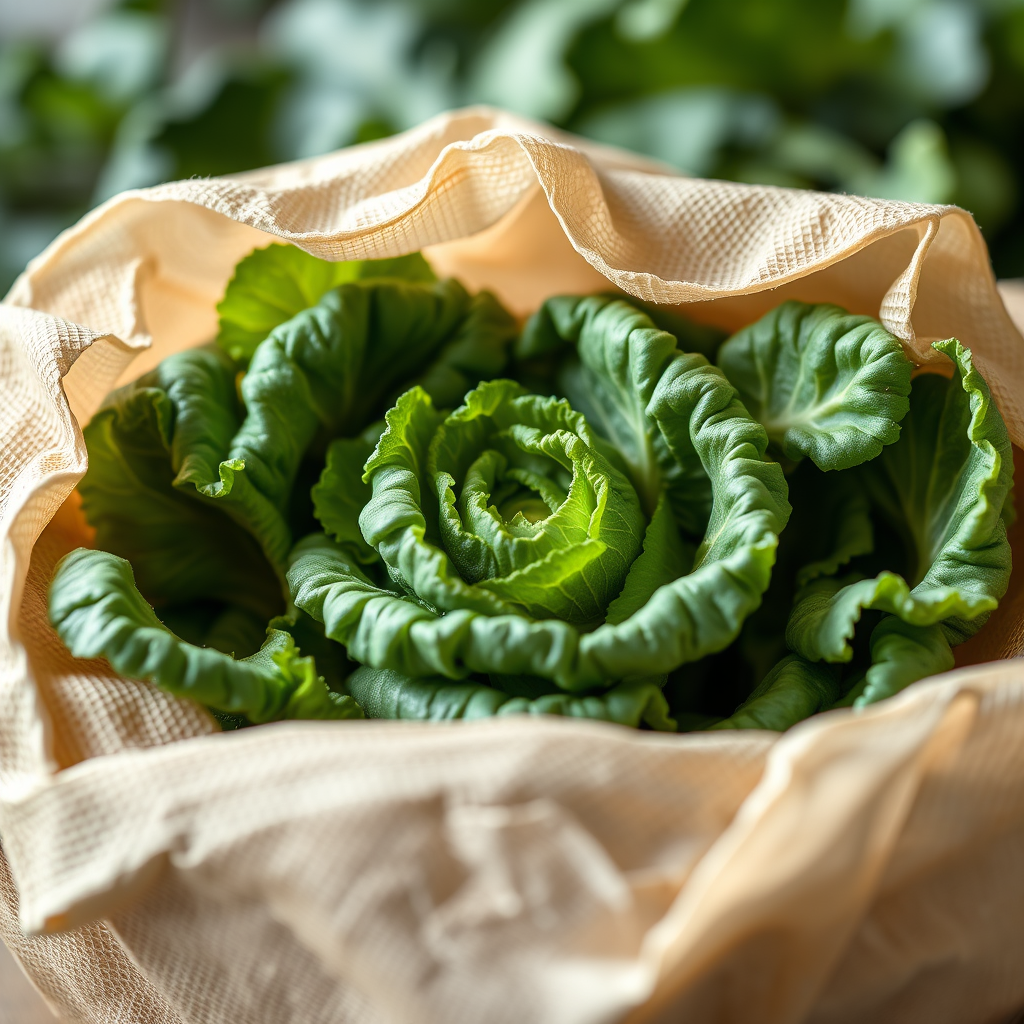
When it comes to diabetes-friendly eating, leafy green vegetables are practically superheroes. This vibrant group includes familiar favorites like spinach, kale, Swiss chard, collard greens, and romaine lettuce, but also extends to lesser-known gems like mustard greens and turnip greens. What makes them so powerful? They are exceptionally low in carbohydrates and calories, making them a fantastic “free food” in many diabetic meal plans – meaning you can typically enjoy them in generous amounts without significantly affecting your blood sugar. Their minimal glycemic impact ensures that your blood glucose stays steady, providing peace of mind with every delicious bite.
But their benefits extend far beyond just blood sugar control. Leafy greens are jam-packed with an incredible density of essential nutrients. Take Vitamin K, for example, which is abundant in kale and spinach; it’s crucial for bone health and proper blood clotting. Vitamin A, often in the form of beta-carotene, is vital for vision, skin health, and immune function – particularly important for managing potential diabetic retinopathy. You’ll also find plenty of Vitamin C, a powerful antioxidant that supports your immune system and helps protect cells from damage. Magnesium, another key mineral found in these greens, plays a critical role in over 300 enzyme reactions in the body, including those involved in insulin sensitivity and glucose metabolism. Plus, folate (Vitamin B9) contributes to heart health and red blood cell formation.
Regular consumption of leafy greens has also been linked to reduced inflammation and improved cardiovascular health, both of which are critical for individuals with diabetes. The diverse phytochemicals present in these vegetables act as potent anti-inflammatory agents, helping to mitigate the chronic low-grade inflammation often associated with diabetes. Incorporating them into your daily diet is wonderfully easy. Blend a handful of spinach into your morning smoothie for an undetectable nutrient boost, add kale to your scrambled eggs, use romaine lettuce as a wrap instead of bread, or build a generous salad with mixed greens as the base for lunch or dinner. You can even sauté Swiss chard with a touch of garlic for a quick and healthy side dish.
Cruciferous Vegetables: Nutrient Powerhouses

Another outstanding category of vegetables that every diabetic should embrace wholeheartedly is cruciferous vegetables. This powerhouse family includes well-loved options like broccoli, cauliflower, Brussels sprouts, cabbage, and extends to other fantastic choices such as bok choy and kohlrabi. These veggies are renowned for their distinct flavors and incredibly robust nutritional profiles, making them invaluable allies in diabetes management. Their versatility in the kitchen means you’ll never run out of exciting ways to prepare them.
One of the standout features of cruciferous vegetables is their high fiber content, which, as we’ve discussed, is paramount for slowing sugar absorption and maintaining stable blood glucose levels. But what truly sets them apart is the presence of unique compounds like sulforaphane. This incredible compound, released when you chop or chew cruciferous veggies, has been extensively studied for its potential to help regulate blood sugar levels, improve insulin sensitivity, and protect blood vessels from damage – all directly beneficial for individuals with diabetes. Sulforaphane may also activate certain enzymes that help detoxify the body and reduce inflammation, further safeguarding your health.
Beyond sulforaphane, these vegetables are excellent sources of other vital nutrients. They are particularly rich in Vitamin C, a potent antioxidant that bolsters your immune system and aids in collagen formation. Vitamin K is also abundant, supporting bone health and proper blood clotting, which is an important consideration for diabetics. Folate, another B vitamin, contributes to healthy cell growth and nerve function. Incorporating cruciferous vegetables into your diet is simple and delicious. Enjoy steamed broccoli florets as a side, roast Brussels sprouts with a drizzle of olive oil and a sprinkle of herbs for a caramelized treat, or use cauliflower rice as a low-carb alternative to traditional grains. Cabbage can be shredded into slaws or added to stir-fries for extra crunch and nutrients. Experimenting with different cooking methods can really bring out their best flavors, making them a regular and enjoyable part of your meals.
Other Non-Starchy Veggies to Embrace
While leafy greens and cruciferous vegetables are superstars, there’s a whole universe of other fantastic non-starchy vegetables that are perfect for a diabetic diet. These vibrant and diverse options offer a wide array of flavors, textures, and nutrients, ensuring that your meals are never boring while keeping your blood sugar in check. Think of bell peppers, cucumbers, zucchini, green beans, asparagus, mushrooms, eggplant, and even fresh tomatoes – all excellent choices!
What makes these vegetables so beneficial is their minimal impact on blood sugar levels. Like their leafy green cousins, they are very low in carbohydrates, allowing you to enjoy generous portions without concern for glucose spikes. This freedom to eat more means you can feel truly satisfied after meals, making healthy eating much more sustainable and enjoyable.
Beyond blood sugar control, these non-starchy gems offer a treasure trove of vitamins and minerals. Bell peppers, especially the red and yellow varieties, are bursting with Vitamin C and powerful antioxidants. Cucumbers are fantastic for hydration, given their high water content, and provide a refreshing crunch. Zucchini and other summer squashes are low in calories and carbs while offering potassium and other trace minerals. Green beans provide fiber and Vitamin K, while asparagus is a good source of folate and provides prebiotics that feed beneficial gut bacteria. Mushrooms, though technically fungi, are often grouped with vegetables and offer unique benefits, including B vitamins, selenium, and immune-modulating compounds. Eggplant contributes fiber and antioxidants like nasunin, which can protect brain cells.
These vegetables also provide significant hydration and bulk to your meals. Their high water and fiber content means they fill you up without adding excess calories, which is incredibly helpful for weight management – a crucial aspect of diabetes care. By adding these to your plate, you naturally reduce the space for higher-carb foods, creating a more balanced and blood-sugar-friendly meal. Try slicing bell peppers and cucumbers for a quick snack with hummus, spiralizing zucchini into “zoodles” as a pasta alternative, roasting asparagus with lemon, or adding mushrooms and green beans to your favorite stir-fry. Their versatility makes them incredibly easy to incorporate into virtually any meal, enhancing both flavor and nutrition.
Incorporating Starchy Vegetables Wisely
While the focus for diabetics is largely on non-starchy vegetables, it’s important to understand that starchy vegetables also have a place in a healthy diet. Vegetables like corn, peas, potatoes (both white and sweet potatoes), parsnips, and winter squash (like butternut and acorn squash) are nutritious but contain a higher carbohydrate content compared to their non-starchy counterparts. This means they will have a more significant impact on your blood sugar levels. However, that doesn’t mean they’re off-limits; it simply means they need to be enjoyed with a bit more mindfulness and strategy.
Starchy vegetables are valuable sources of essential vitamins, minerals, and fiber. Sweet potatoes, for instance, are packed with Vitamin A, Vitamin C, and potassium, offering excellent nutritional benefits. Corn provides some B vitamins and antioxidants, and peas are a good source of protein and fiber. These nutrients are important for overall health, and excluding them entirely might mean missing out on their unique contributions. The key is to include them in carefully controlled portion sizes. For many individuals with diabetes, a typical portion size for cooked starchy vegetables is about ½ cup, which is roughly the size of a light bulb. Always check with your healthcare provider or a registered dietitian for personalized portion recommendations.
To minimize the impact of starchy vegetables on your blood sugar, it’s best to enjoy them alongside a generous portion of non-starchy vegetables and a lean protein source. This strategy helps to balance the meal’s glycemic load. The fiber in non-starchy vegetables and the protein will help slow down the digestion of the starchy carbs, leading to a more gradual rise in blood sugar. For example, instead of a large baked potato with your meal, consider a smaller portion of roasted sweet potato cubes paired with a huge serving of steamed broccoli and grilled chicken. Opt for cooking methods that retain their fiber, like baking or roasting with the skin on for potatoes, rather than mashing or frying. Always be mindful of added fats or sugars, which can further impact blood sugar and calorie intake. With smart choices and portion control, starchy vegetables can absolutely be a part of a balanced and delicious diabetic meal plan.
Practical Tips for Eating More Vegetables
Making vegetables a cornerstone of your diet doesn’t have to be a chore; it can be an exciting journey of culinary discovery! The more creative and intentional you are, the easier it becomes to reap their incredible health benefits for diabetes management. Here are some practical tips to help you embrace more veggies every day:
First and foremost, aim to fill half your plate with non-starchy vegetables at both lunch and dinner. This simple visual guide is incredibly effective. By prioritizing veggies, you naturally reduce the space for higher-carb foods, ensure adequate fiber intake, and boost your nutrient density. Whether it’s a colorful medley of roasted bell peppers and zucchini, a heaping serving of steamed green beans, or a large salad, making half your plate green (or red, or orange!) is a game-changer.
Next, experiment with various cooking methods to keep your meals exciting and prevent veggie fatigue. Steaming is excellent for retaining nutrients and vibrant color, especially for broccoli or asparagus. Roasting vegetables like Brussels sprouts, cauliflower, or carrots with a little olive oil, herbs, and spices can bring out a natural sweetness and a delicious caramelized flavor. Grilling bell peppers, zucchini, or mushrooms adds a lovely smoky taste. Stir-frying is a quick and versatile method for a mix of veggies, just be mindful of sauces. Don’t be afraid to try new seasonings, fresh herbs, and different flavor profiles (e.g., Asian, Mediterranean, Mexican) to keep things interesting.
Perhaps the most impactful tip is to add vegetables to every single meal, including snacks. Don’t limit them just to dinner!
* Breakfast: Blend a handful of spinach into your morning smoothie (you won’t even taste it!), add diced bell peppers, onions, and mushrooms to your scrambled eggs or omelet, or top your avocado toast with sliced tomatoes and cucumbers.
* Lunch: Make your salad the main event, piling it high with mixed greens, colorful veggies, and a lean protein. Add extra veggies to sandwiches or wraps, or enjoy a hearty bowl of vegetable-rich soup.
* Dinner: Beyond the half-plate rule, incorporate veggies into your main dishes. Think chicken and veggie stir-fries, lentil soup loaded with carrots and celery, or a baked fish dish served over a bed of sautéed greens.
* Snacks: Instead of processed snacks, reach for cucumber sticks, carrot sticks, cherry tomatoes, or mini bell peppers with a dab of hummus or a healthy dip.
Finally, consider meal prepping your veggies. Wash, chop, and store a variety of non-starchy vegetables at the beginning of the week. This makes it incredibly easy to grab them for snacks, toss into quick meals, or add a handful to any dish without extra effort during busy weekdays. With a little planning and creativity, integrating more diabetes-friendly vegetables into your diet will become a delicious and natural habit.
By prioritizing non-starchy vegetables like leafy greens, cruciferous varieties, and other low-carb options, individuals with diabetes can significantly enhance their blood sugar management and overall health. These vibrant foods are not just low in carbohydrates and calories; they are powerhouses of fiber, vitamins, minerals, and antioxidants that work synergistically to stabilize glucose levels, reduce inflammation, and protect against long-term complications. Remember to embrace variety, experiment with different cooking methods, and aim to make these incredible vegetables a cornerstone of every meal, understanding that even starchy vegetables can be included wisely in controlled portions. This intentional approach to eating will empower you to feel more energized, maintain better control, and truly enjoy your journey towards optimal health. Always consult with your healthcare provider or a registered dietitian to tailor dietary advice to your specific health needs and ensure the best outcomes for your diabetes management journey.
Frequently Asked Questions
What are the best non-starchy vegetables for diabetics?
The best non-starchy vegetables for diabetics are those low in carbohydrates and high in fiber, making them excellent for blood sugar management. Top choices include leafy greens like spinach and kale, cruciferous vegetables such as broccoli and cauliflower, bell peppers, asparagus, green beans, and cucumbers. These nutrient-dense options help you feel full without significantly impacting blood glucose levels.
Why are non-starchy vegetables particularly beneficial for managing type 2 diabetes?
Non-starchy vegetables are highly beneficial for managing type 2 diabetes primarily due to their high fiber content and low glycemic index. Fiber slows down sugar absorption, preventing sharp blood sugar spikes, and contributes to better digestive health and satiety. Furthermore, these vegetables are packed with essential vitamins, minerals, and antioxidants, supporting overall health and reducing the risk of diabetes-related complications.
How can diabetics incorporate more healthy vegetables into their daily meals?
To incorporate more healthy vegetables, diabetics can start by filling half their plate with non-starchy options at every meal. Try adding spinach to your eggs, blending kale into smoothies, roasting a variety of vegetables like broccoli and bell peppers as a side dish, or using lettuce wraps instead of bread. Planning meals that feature vegetables as the main component, rather than just an afterthought, can significantly boost your daily intake.
Which common starchy vegetables should diabetics eat in moderation, if at all?
Diabetics should consume starchy vegetables like white potatoes, corn, peas, and sweet potatoes in moderation due to their higher carbohydrate content, which can impact blood sugar more significantly. While these vegetables offer valuable nutrients, it’s crucial to practice strict portion control and consider how they fit into your overall daily carb allowance. Opting for non-starchy alternatives more frequently is generally recommended for better glycemic control.
Are frozen or canned vegetables a healthy option for diabetics, or should fresh always be preferred?
Frozen and canned vegetables can certainly be healthy and convenient options for diabetics, often retaining similar nutrient levels to fresh produce. When choosing frozen, look for plain varieties without added sauces or seasonings. For canned vegetables, opt for “no salt added” or “low sodium” versions and rinse them thoroughly to reduce sodium content. These preserved options offer accessibility and affordability, making it easier to meet daily vegetable recommendations consistently.
References
- https://diabetes.org/food-nutrition/what-can-i-eat/making-healthy-food-choices/non-starchy-vegetables
- https://www.cdc.gov/diabetes/managing/eat-healthy/eating-well-with-diabetes.html
- https://www.niddk.nih.gov/health-information/diabetes/overview/diet-eating-physical-activity/meal-planning-carb-counting
- Diabetes diet: Create your healthy-eating plan – Mayo Clinic
- https://www.health.harvard.edu/diseases-and-conditions/best-and-worst-foods-for-diabetes
- Diet in diabetes
