
For individuals managing diabetes, the “best” sourdough bread isn’t a single type, but rather sourdough made with specific characteristics: long-fermented, predominantly whole-grain flours, or blends designed to reduce carbohydrate impact. These factors contribute to a lower glycemic response compared to standard white bread, offering a potentially healthier option when consumed in moderation and as part of a balanced diet. This guide will explore why sourdough can be a beneficial choice, how to identify the best varieties, and how to enjoy it responsibly as part of a balanced, diabetes-friendly eating plan.
Why Sourdough Can Be a Good Choice for Diabetics

Sourdough bread stands out from conventional breads due to its unique fermentation process, which confers several advantages, particularly for those monitoring their blood sugar levels. It’s more than just a delicious taste; there’s real science behind its potential benefits.
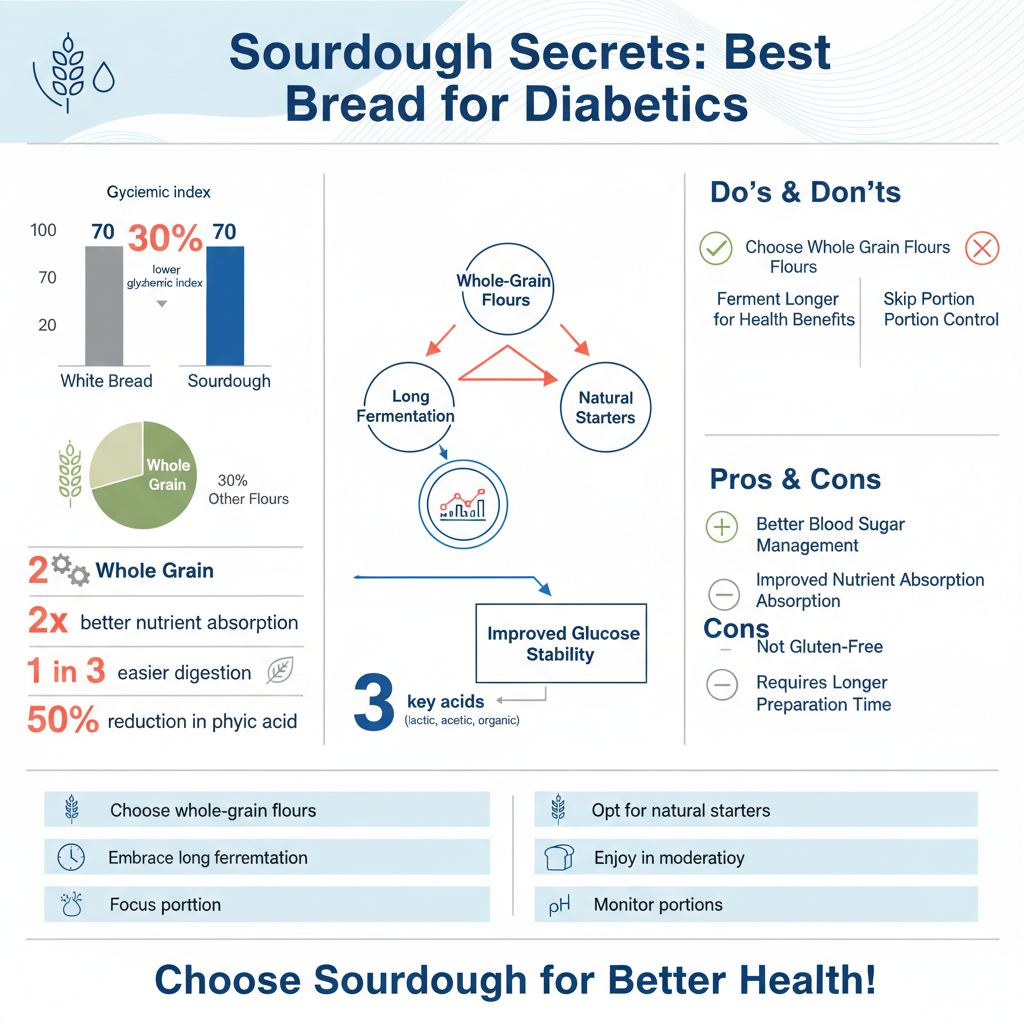
* Lower Glycemic Index (GI): The extended fermentation process, driven by a natural starter containing wild yeasts and lactic acid bacteria, significantly alters the carbohydrates in the flour. These beneficial microorganisms essentially “predigest” the starches, breaking them down into simpler sugars and organic acids. This results in a slower, more gradual release of glucose into the bloodstream after consumption, preventing the sharp spikes in blood sugar often associated with conventionally made white breads. This lower glycemic response is a key benefit for diabetes management.
* Improved Digestibility & Nutrient Absorption: Beyond managing blood sugar, sourdough fermentation has positive effects on overall digestive health. The long process helps break down phytic acid, an “anti-nutrient” found in grain husks that can inhibit the absorption of vital minerals like iron, zinc, calcium, and magnesium. By reducing phytic acid, sourdough makes these nutrients more bioavailable for your body to absorb. Additionally, for some individuals, the partial breakdown of gluten proteins during fermentation can make sourdough easier to digest than other breads, though it’s important to note it’s not gluten-free.
* Acidity Benefits: The distinctive tangy flavor of sourdough comes from the lactic and acetic acids produced during fermentation. These organic acids play a crucial role in moderating blood sugar levels. Studies suggest that these acids can slow down the rate at which starches are digested and absorbed into the bloodstream. They can also affect how quickly food leaves your stomach (gastric emptying), further contributing to a more stable and prolonged glucose release. This natural acidity makes sourdough a more forgiving choice for your blood sugar compared to its less acidic counterparts.
Identifying the Best Flours for Diabetic-Friendly Sourdough
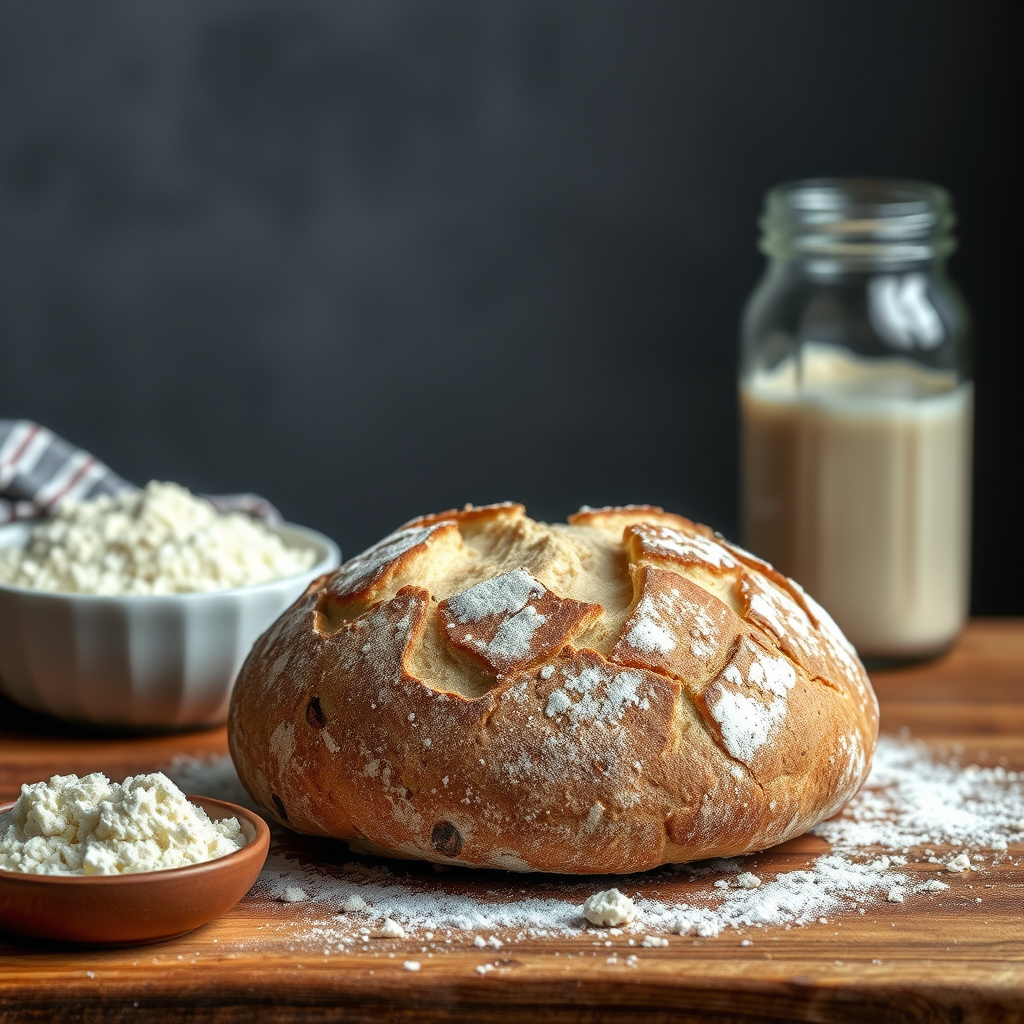
The type of flour used is a major determinant of how a sourdough bread will impact blood sugar. Making smart choices here can significantly enhance the diabetic-friendliness of your loaf.
* Prioritize Whole Grains: When choosing sourdough, always lean towards varieties made with 100% whole grains. Flours like whole wheat, rye, spelt, and other ancient grains (e.g., einkorn, emmer) are packed with dietary fiber. Fiber is a superpower for diabetes management: it slows down digestion and glucose absorption, helps you feel fuller for longer, and supports gut health. For example, rye bread, often made with sourdough, has a naturally lower GI due to its unique fiber structure. Look for labels that explicitly state “100% whole grain” as the primary ingredient to ensure you’re getting the maximum benefit.
* Consider Low-Carb Blends: For an even greater reduction in carbohydrate impact, some specialized sourdough recipes incorporate flours with a lower net carb count. Flours like almond flour and coconut flour, which are higher in protein and healthy fats and significantly lower in carbohydrates, can be blended with whole grains to create a diabetic-friendly loaf. Oat fiber is another excellent addition, boosting fiber content without adding many digestible carbohydrates. While a sourdough made solely from these low-carb flours might not achieve the classic sourdough texture, a blend can offer a fantastic compromise, reducing the overall carbohydrate load per slice while maintaining some of that beloved sourdough chew.
* Avoid Refined White Flours: While sourdough made with refined white flour (like all-purpose or bread flour) is generally considered a better option than conventional white bread due to the fermentation process, it’s still not the ideal choice for diabetes management. Refined flours have had their bran and germ removed, stripping away much of the beneficial fiber and nutrients. This means that even with fermentation, the carbohydrates present are more readily digestible and can still lead to a quicker rise in blood sugar compared to their whole-grain counterparts. If you must choose white sourdough, ensure it’s truly long-fermented, but for optimal blood sugar control, whole grains remain king.
The Critical Role of Long Fermentation
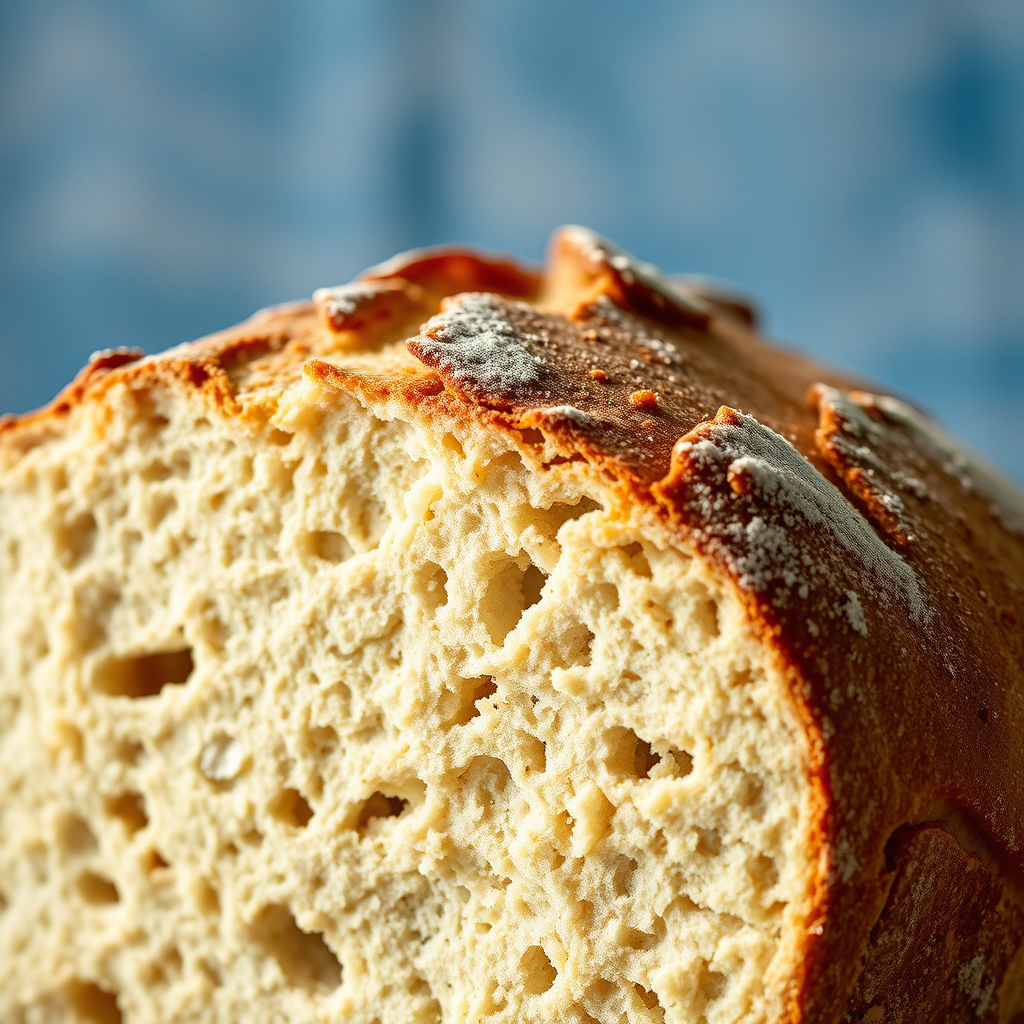
The length and method of fermentation are just as crucial as the type of flour in determining sourdough’s benefits for diabetics. This slow, patient process is where the real magic happens.
* Enzyme Activity: A prolonged fermentation period, ideally ranging from 12 to 24 hours or even longer (especially with cold fermentation in the fridge), allows ample time for the natural enzymes present in the flour and the microorganisms in the starter to do their work. During this time, the yeasts consume sugars, and the bacteria break down complex starches into simpler compounds. This extensive “predigestion” reduces the starch load that your body needs to process, resulting in a more sustained energy release and a gentler impact on blood sugar levels. It’s like the bread is partially digested before you even eat it!
* Enhanced Acid Production: Longer fermentation times also lead to a greater accumulation of lactic and acetic acids. These organic acids, as mentioned earlier, are not just for flavor; they actively modify the starch structure within the bread, making it less accessible to the digestive enzymes in your gut. This chemical alteration further slows down the digestion of carbohydrates and the absorption of glucose, contributing to sourdough’s lower glycemic profile. The longer the natural fermentation, typically the more pronounced these beneficial acid effects.
* True Sourdough Method: It’s vital to distinguish between genuinely long-fermented, traditional sourdough and breads that are merely “sourdough flavored.” Some commercial breads use a touch of sourdough starter or added acids along with commercial yeast to achieve a quick rise and a “sourdough-like” taste. These breads often lack the extended fermentation time required to fully unlock the benefits we’ve discussed. To ensure you’re getting true sourdough with the diabetic-friendly advantages, look for ingredient lists that only mention flour, water, salt, and a sourdough starter (or “active culture”), with no commercial yeast, and ideally, inquire about their proofing process if buying from an artisan bakery.
Store-Bought vs. Homemade Sourdough: What to Look For
Whether you’re grabbing a loaf from the store or baking your own, knowing what to prioritize can make all the difference in selecting the best sourdough for diabetes management.
* Read Labels Carefully: When purchasing store-bought sourdough, always be a savvy label reader. Look for phrases like “100% whole grain sourdough” or “made with whole wheat and rye starter.” Scrutinize the ingredient list to ensure there are no hidden added sugars (e.g., high-fructose corn syrup, molasses, malt syrup), unnecessary unhealthy oils, or commercial yeast if you’re aiming for a truly traditional, long-fermented loaf. A simple, short ingredient list (flour, water, salt, starter) is often a good indicator of quality. Also, check the nutrition panel for fiber content; higher fiber is always a plus.
* Artisan Bakeries: Many local artisan bakeries pride themselves on traditional bread-making techniques, including long fermentation and using high-quality, often locally sourced, flours. Don’t hesitate to ask your baker about their process! Inquire about their fermentation times, the types of flours they use (especially if they offer whole-grain options), and whether they use commercial yeast in addition to a natural starter. These bakeries are often excellent sources for authentic, diabetic-friendly sourdough bread that you can trust.
* Baking Your Own: The ultimate control over your sourdough’s characteristics comes from baking it at home. This allows you to handpick 100% whole-grain flours (or create your custom low-carb blends), extend the fermentation time to your preference (cold proofing in the refrigerator for 24-48 hours is common and enhances benefits), and ensure no unwanted additives make their way into your bread. Plus, you can add beneficial ingredients like nuts, seeds, or additional fiber (like psyllium husk) to further boost its nutritional profile and slow sugar absorption. It’s a rewarding process that guarantees you the best possible sourdough for your health needs.
Eating Sourdough Responsibly: Portion & Pairings
Even the best sourdough bread for diabetics requires a thoughtful approach to consumption. Its benefits are maximized when integrated mindfully into your overall diet.
* Mindful Portion Control: While sourdough offers a lower glycemic impact, it’s still a carbohydrate-containing food. It’s crucial to practice portion control to manage your overall carbohydrate intake effectively. Stick to the serving sizes recommended by your healthcare provider or dietitian. For many, this might mean one slice or half a slice, depending on their individual carbohydrate allowance per meal. Using a food scale to accurately measure portions can be incredibly helpful in understanding exactly how much you’re consuming.
* Pair with Protein and Healthy Fats: To further stabilize blood sugar levels and enhance satiety, always pair your sourdough bread with protein-rich foods and healthy fats. For example, enjoy a slice of whole-grain sourdough with avocado and an egg, a smear of natural nut butter, a lean slice of turkey, or some cheese. Protein and healthy fats slow down gastric emptying, which means the carbohydrates from the sourdough are absorbed even more gradually, leading to a smoother and more controlled blood sugar response.
* Monitor Your Response: Every individual’s body responds differently to foods, especially when managing diabetes. The best way to understand how sourdough bread affects *your* blood sugar is to monitor it. Test your blood sugar levels before eating sourdough and then again one to two hours after consumption. Keep a food diary to note the type and amount of sourdough consumed, what it was paired with, and your blood sugar readings. This personalized data will empower you to make informed decisions and adjust your portion sizes or pairings as needed to maintain optimal glucose control.
While sourdough bread, particularly varieties made with whole grains and long fermentation, can be a more suitable bread choice for individuals with diabetes due to its lower glycemic impact and improved digestibility, it’s not a free pass. Always prioritize mindful portion control and consider your overall dietary pattern. By choosing wisely and pairing it with protein and healthy fats, you can enjoy this delicious bread while supporting your health goals. Consult with your doctor or a registered dietitian to incorporate sourdough bread into your diabetes management plan effectively and ensure it aligns with your individual health needs.
Frequently Asked Questions
Which type of sourdough bread is generally considered best for diabetics?
For diabetics, the best sourdough bread typically uses whole grains, such as whole wheat, rye, or spelt, rather than refined white flour. These whole-grain sourdoughs offer more fiber, which helps slow down sugar absorption, and benefit from a longer fermentation process that further reduces their glycemic impact. Always prioritize loaves made with 100% whole grains and minimal added sugars to support better blood sugar management.
How does sourdough bread impact blood sugar levels compared to conventional white or whole wheat bread?
Sourdough bread generally has a lower glycemic index (GI) compared to conventional white bread and even some whole wheat breads due to its unique fermentation process. The lactic acid bacteria in the sourdough starter break down starches and modify the gluten structure, which can slow down the rate at which glucose enters the bloodstream. This slower sugar release results in a more gradual and sustained rise in blood sugar, making it a potentially better option for managing diabetes.
What makes sourdough a potentially better choice for individuals managing diabetes?
Sourdough’s distinct fermentation process contributes to its lower glycemic response, which is crucial for managing diabetes by preventing sharp blood sugar spikes. Beyond blood sugar benefits, sourdough can also improve nutrient availability and enhance gut health due to the probiotics and prebiotics created during fermentation. These factors combined make sourdough a more favorable and nutrient-dense bread option for those monitoring their glucose levels.
What ingredients or preparation methods should diabetics look for in sourdough bread?
Diabetics should prioritize sourdough bread made with 100% whole grains like whole wheat, rye, or a mix of ancient grains, as these provide more fiber and a lower GI. Look for loaves that explicitly state a long fermentation time (12-24 hours or more), which further breaks down carbohydrates. Additionally, ensure there are no added sugars or minimal amounts, and ideally, choose a bakery that emphasizes traditional, slow-proofed sourdough methods for optimal health benefits.
Are there specific portion size recommendations or ways to consume sourdough for diabetics?
While sourdough is a better choice, portion control remains critical for diabetics due to its carbohydrate content; typically, one slice (around 30-45g) is a good starting point. To further mitigate blood sugar spikes, pair your sourdough bread with protein (like eggs or lean meat) and healthy fats (like avocado or olive oil). Always monitor your individual blood glucose response after consumption and consult with a dietitian to tailor specific recommendations for your diabetes management plan.
References
- https://www.mayoclinic.org/diseases-conditions/diabetes/expert-answers/diabetic-diet/faq-20058288
- https://www.ncbi.nlm.nih.gov/pmc/articles/PMC6678229/
- https://www.health.harvard.edu/diseases-and-conditions/a-g-guide-to-glycemic-index-and-glycemic-load
- Walnut oil increases cholesterol efflux through inhibition of stearoyl CoA desaturase 1 in THP-1 …
- https://www.tandfonline.com/doi/full/10.1080/10408398.2023.2201402
- Sourdough
- https://www.cambridge.org/core/journals/british-journal-of-nutrition/article/sourdough-bread-and-its-potential-for-improving-health-outcomes/3094A02A91D6EB5B06450E72C9B278AB
- https://www.diabetesaustralia.com.au/food-activity/healthy-eating-with-diabetes/bread-and-cereals/
