
The best snacks for diabetes are nutrient-dense foods that pair fiber, protein, and healthy fats to help maintain stable blood sugar levels. Excellent options include a handful of almonds, hard-boiled eggs, Greek yogurt with berries, or sliced vegetables with hummus. Focusing on whole, unprocessed foods ensures you stay satisfied without experiencing dangerous glucose spikes. Managing diabetes doesn’t mean you have to give up snacking; in fact, eating the right snacks at the right time can prevent your blood sugar from dropping too low (hypoglycemia) or spiking too high (hyperglycemia). The magic formula usually involves avoiding “naked carbohydrates”—carbs eaten alone—and dressing them up with a companion of protein or good fat. This combination slows down digestion and the release of glucose into the bloodstream. Let’s dive into some delicious, diabetes-friendly options that will keep your energy steady and your taste buds happy.
Nuts and Seeds
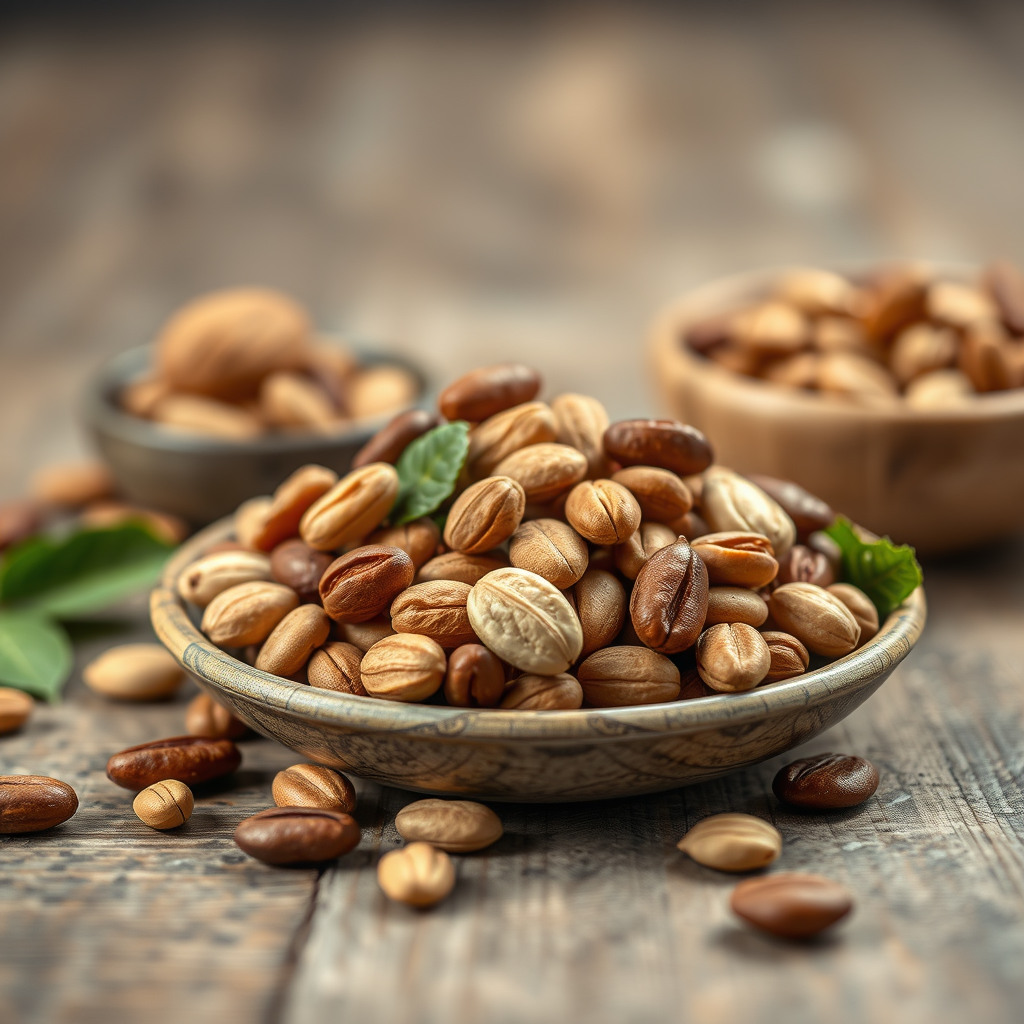
Nuts and seeds are often referred to as “nature’s vitamins.” They are incredibly shelf-stable, easy to carry, and packed with the exact macronutrients needed to blunt a blood sugar spike. However, because they are calorie-dense, mindful portioning is key.
– Almonds and Walnuts: These contain healthy fats and fiber that slow down digestion and stabilize blood sugar. Research has consistently shown that including almonds in a meal can significantly reduce the post-meal glucose rise. Walnuts go a step further by offering a hefty dose of Alpha-Linolenic Acid (ALA), a plant-based Omega-3 fatty acid known for reducing inflammation. Try keeping a small tin of mixed unsalted nuts in your bag or desk drawer for those moments when hunger strikes unexpectedly.
– Chia Pudding: Chia seeds are rich in fiber and omega-3 fatty acids, making them great for heart health and glucose control. When mixed with liquid, chia seeds expand and form a gel-like consistency due to their soluble fiber content. This soluble fiber is a superstar for diabetes management because it slows the absorption of sugar in the gut. To make a simple pudding, mix 2 tablespoons of chia seeds with half a cup of unsweetened almond milk and a dash of cinnamon. Let it sit in the fridge for a few hours, and you have a dessert-like snack that won’t spike your sugar.
– Pumpkin Seeds: A crunchy alternative that provides magnesium, which is essential for insulin regulation. Many people with insulin resistance are found to be deficient in magnesium, making pumpkin seeds (or pepitas) a functional superfood. They are lower in calories than some nuts but just as high in protein. You can roast them at home with a little olive oil and sea salt, or even toss them in chili powder and lime for a zesty, savory treat that satisfies the urge for salty chips.
High-Protein Dairy Options


Dairy products are fantastic for diabetes snacking because they contain high-quality protein and calcium. The key is to choose full-fat or low-fat options rather than non-fat versions that compensate for flavor with added sugars.
– Greek Yogurt with Berries: Greek yogurt offers much more protein than regular yogurt, while berries provide antioxidants without a high sugar load. The straining process used to make Greek yogurt removes much of the liquid whey, resulting in a thicker product with nearly double the protein and half the carbohydrates of traditional yogurt. When you top this with blueberries, strawberries, or raspberries, you are adding anthocyanins—compounds that have been linked to improved insulin sensitivity. It feels like an indulgence, but it works hard for your metabolism.
– Cottage Cheese: This low-carb staple is high in protein and pairs perfectly with tomatoes or cucumber slices. Cottage cheese has seen a massive resurgence in popularity recently, and for good reason. Half a cup can provide upward of 12 grams of protein. The protein found in cottage cheese is largely casein, which digests slowly, providing a steady stream of amino acids and keeping you full for hours. For a savory twist, try sprinkling it with cracked black pepper and fresh chives.
– String Cheese: A convenient, portion-controlled snack that contains almost no carbohydrates. Sometimes, you just need something grab-and-go. String cheese (usually mozzarella) is perfectly pre-portioned, taking the guesswork out of calorie counting. It provides a solid hit of calcium and protein with virtually zero impact on your blood glucose. It’s a great “safety snack” to keep in your fridge for busy afternoons when you don’t have time to prepare food.
Vegetables and Dips
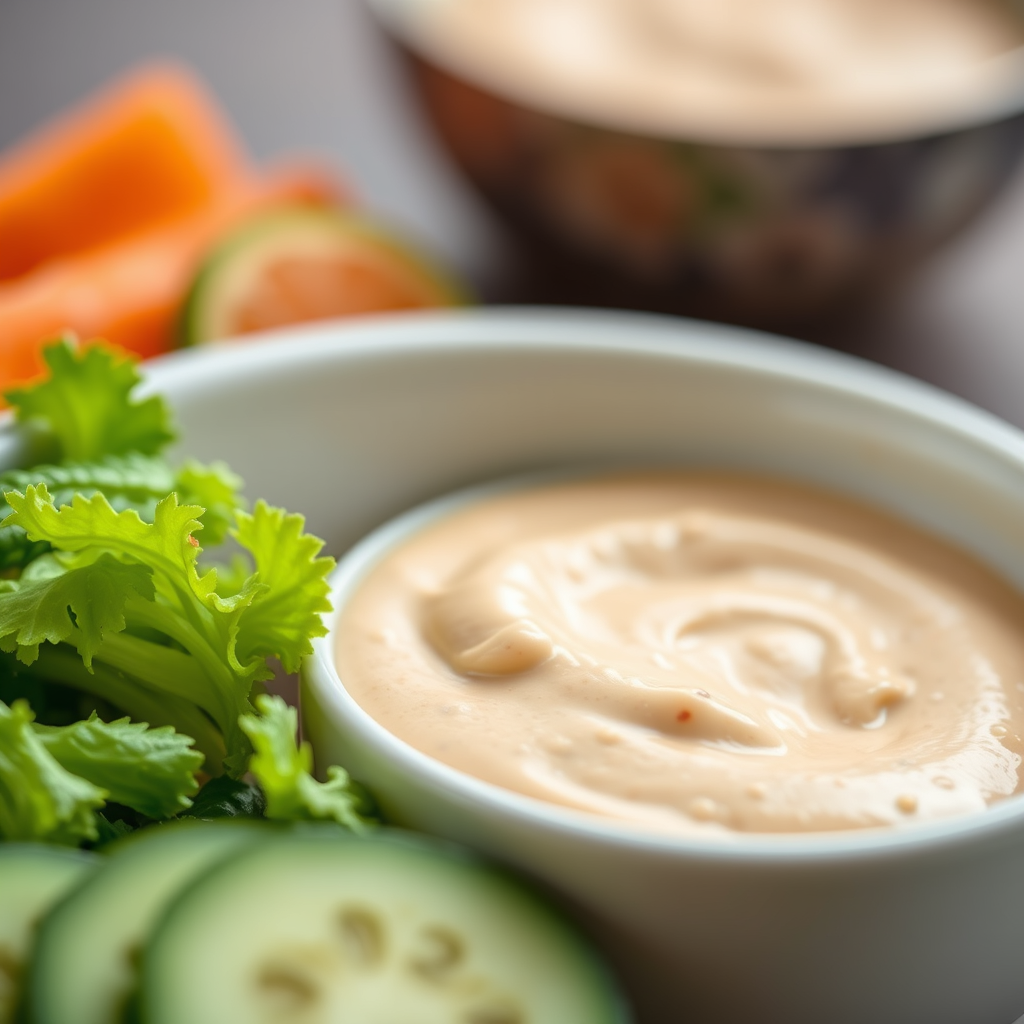
If you are looking to increase volume without increasing calories, vegetables are your best friend. However, raw veggies alone can be boring and unsatisfying. Pairing them with a fat-based dip not only improves the flavor but also aids in the absorption of fat-soluble vitamins (A, D, E, and K).
– Celery with Peanut Butter: The fiber in celery combined with the fat and protein in peanut butter creates a filling, long-lasting energy source. This childhood classic, often called “ants on a log” if you add a few raisins (use sparingly!), remains a nutritional powerhouse. Celery is mostly water and fiber, providing a satisfying crunch. The peanut butter sticks to your ribs, so to speak, curbing appetite. Just be sure to choose natural peanut butter where the only ingredients are peanuts and salt to avoid hidden added sugars and hydrogenated oils.
– Raw Veggies with Hummus: Carrots, bell peppers, and broccoli are low in calories and high in vitamins, while hummus adds satisfying flavor and fiber. Hummus is made from chickpeas, tahini (sesame paste), and olive oil—a trifecta of heart-healthy ingredients. The complex carbohydrates in the chickpeas digest slowly. Using raw bell peppers or cucumber rounds as “scoops” instead of pita bread keeps the total carbohydrate count low while maximizing nutrient intake.
– Sliced Cucumber with Guacamole: Avocados provide heart-healthy monounsaturated fats that have minimal impact on blood sugar. Guacamole is essentially a pure fat dip, which is excellent for blood sugar management as fat has a negligible effect on insulin response. Cucumbers are hydrating and crisp, making them the perfect vehicle for the rich, creamy guacamole. This snack feels decadent and is great for heart health, reducing bad cholesterol levels which is a common concern for those managing diabetes.
Low-Glycemic Fruit Pairings
There is a common misconception that people with diabetes should avoid fruit because of the sugar (fructose). The truth is, fruit is packed with vitamins, minerals, and fiber. The strategy is to choose low-glycemic fruits and, most importantly, never eat them alone.
– Apples with Nut Butter: Always eat fruit with a protein source to prevent blood sugar spikes; the skin of the apple adds extra fiber. An apple a day is great, but an apple with almond butter is better. The skin of the apple contains pectin, a soluble fiber that improves gut health. When you dip apple slices into nut butter, the fat coats the stomach lining and slows the rate at which the fruit sugar enters your bloodstream, providing a mellow rise in energy rather than a sharp spike.
– Hard-Boiled Eggs: While not a fruit, pairing an egg with a small piece of fruit creates a balanced macronutrient profile. Sometimes you might want a clementine or a few grapes, but you’re worried about the sugar. Eating a hard-boiled egg alongside that small fruit balances the equation. Eggs are the “gold standard” for protein and contain choline, which is vital for brain health. Pre-boiling a half-dozen eggs at the start of the week ensures you always have a protein anchor ready for your fruit snacks.
– Avocado Toast on Whole Grain Bread: Avocado is technically a fruit low in sugar, and whole grain bread provides complex carbohydrates. This trendy snack is actually a diabetic-friendly champion if you choose the right bread. Look for sprouted grain bread or 100% whole wheat bread with high fiber content (at least 3-4 grams per slice). The healthy fats and fiber in the avocado blunt the glycemic response of the bread. Add a sprinkle of red pepper flakes or a squeeze of lemon juice for flavor without sodium.
Convenience Snacks
We don’t always have time to slice vegetables or boil eggs. Real life requires shelf-stable options that you can keep in your car, purse, or desk drawer. However, “convenience” shouldn’t mean “junk.”
– Air-Popped Popcorn: A whole grain snack that is high in fiber and low in calories if prepared without excessive butter or salt. Many people forget that corn is a whole grain. Three cups of air-popped popcorn contain roughly the same amount of carbohydrates as one slice of bread, but the volume is much more satisfying. It takes longer to eat, which gives your brain time to register fullness. Try seasoning it with nutritional yeast for a cheesy flavor or garlic powder instead of heavy butter.
– Roasted Chickpeas: Crunchy and shelf-stable, chickpeas are legumes that offer an excellent balance of protein and fiber. You can buy these pre-packaged or make them yourself by draining a can of chickpeas, patting them dry, and roasting them at 400°F until crispy. They offer the crunch of a potato chip but with a nutritional profile that supports steady blood sugar. They are also packed with folate and iron.
– Tuna Salad: Canned tuna mixed with a little olive oil or mayonnaise is a zero-carb snack rich in omega-3s. Tuna packets are incredibly convenient and require no refrigeration until opened. Tuna provides a massive protein hit with zero carbohydrates. You can eat it straight from the pouch, or serve it on top of cucumber slices or inside a lettuce wrap. The omega-3 fatty acids are also excellent for protecting your heart and eyes, two organs often affected by long-term diabetes.
Smart Snacking Tips
Having a list of foods is great, but knowing how to snack is just as important. Developing a strategy for your snacking habits can turn food from a source of stress into a tool for health.
– Watch Your Portions: Even healthy snacks can affect blood sugar if eaten in large quantities, so pre-portion your servings. It’s easy to mindlessly eat half a bag of almonds while watching TV. Instead of eating directly from the package, measure out your serving into a small bowl and put the package away. This physical boundary helps you remain mindful of how much you are consuming.
– Read Nutrition Labels: Look out for hidden added sugars in packaged “health” foods like granola bars or flavored yogurts. Marketing can be deceptive. A bar labeled “high protein” might also be high in high-fructose corn syrup. Always flip the package over. Look at “Total Carbohydrates” and “Added Sugars.” Ideally, you want snacks with low added sugar and a good ratio of fiber to carbohydrates.
– Time Your Snacks: Eating at consistent intervals prevents hunger crashes that might lead to overeating later in the day. Going too long without eating can cause your liver to release stored glucose, leading to a spike, or cause your levels to drop, leading to shaky, “hangry” feelings. A mid-morning and mid-afternoon snack can bridge the gap between meals, keeping your insulin levels manageable and your mood stable.
Choosing the right snacks is a powerful tool for managing diabetes effectively while keeping hunger at bay. By prioritizing whole foods rich in protein, fiber, and healthy fats, you can enjoy delicious food that supports your overall health. Start by adding two or three of these options to your grocery list this week to see how much better you feel between meals. Remember, consistency is key, and finding snacks you genuinely enjoy will make sticking to your healthy eating plan much easier in the long run.
Frequently Asked Questions
What are the best bedtime snacks for diabetics to stabilize blood sugar?
The ideal bedtime snack combines protein with a healthy fat or complex carbohydrate to maintain stable glucose levels overnight and prevent the “dawn phenomenon” (high morning blood sugar). Excellent options include a small apple with peanut butter, a handful of almonds, or a slice of cheese with whole-grain crackers. These combinations digest slowly, preventing dangerous drops in blood sugar while you sleep.
How many grams of carbohydrates should a diabetic snack contain?
While individual needs vary based on medication and activity levels, most dietitians recommend aiming for snacks containing between 15 to 30 grams of carbohydrates. It is crucial to ensure these are high-quality, fiber-rich carbs rather than simple sugars. Pairing these carbohydrates with protein helps slow down digestion, preventing rapid insulin spikes.
Which store-bought snacks are healthy and convenient for people with diabetes?
When looking for grab-and-go options at the grocery store, look for items with simple ingredients and low added sugar. Good choices include pre-portioned string cheese, individual hummus cups with raw veggies, hard-boiled eggs, or low-sugar Greek yogurt. Many brands also offer specific nut-based snack bars that are formulated to be low-glycemic and high in fiber.
How can I satisfy sweet cravings without spiking my blood sugar?
You can manage a sweet tooth by choosing fruits with a lower glycemic index, such as berries (strawberries, blueberries, raspberries) or cherries, which are packed with antioxidants and fiber. Another great option is a small square of dark chocolate (70% cocoa or higher), which contains less sugar than milk chocolate. Pairing these sweets with a fat source, like nuts or heavy cream, can further help blunt the blood sugar response.
What are some low-carb crunchy snack alternatives to potato chips?
To get a satisfying crunch without the high carbohydrate load of chips, try air-popped popcorn, which is a whole grain that offers significant volume for few calories. Other nutrient-dense, crunchy alternatives include roasted chickpeas, roasted edamame, or raw vegetables like celery and cucumber dipped in guacamole. These options provide the texture you crave along with fiber and protein to keep you full longer.
References
- Spine surgery – discharge: MedlinePlus Medical Encyclopedia
- Healthy Living with Diabetes – NIDDK
- https://extension.okstate.edu/fact-sheets/healthy-snacks-for-people-with-diabetes.html
- https://health.clevelandclinic.org/5-best-snacks-for-diabetics
- Healthy food swaps: snacks | Diabetes UK
- Healthy Eating | Diabetes | CDC
- Diabetes diet: Create your healthy-eating plan – Mayo Clinic
